Sydney Harbour is a city estuary you can fish with a fly, and the reason to bring an eight weight is the surface feed. FlyLife's writers describe salmon, tailor, kingfish, bonito and frigate tuna feeding together on the same bait.
Think of it as open water and the bays off it, with a long shoreline wrapped around both. The main harbour is where the schools roam and the fish break the surface. The bays are quieter arms of water, and FlyLife's writers describe the last of an early-morning run-out tide flushing bait into their deeper water for a good bite. The shoreline is rock, wharf and park, and the NSW fisheries department's Go Fishing guide rates it highly for fishing on foot.
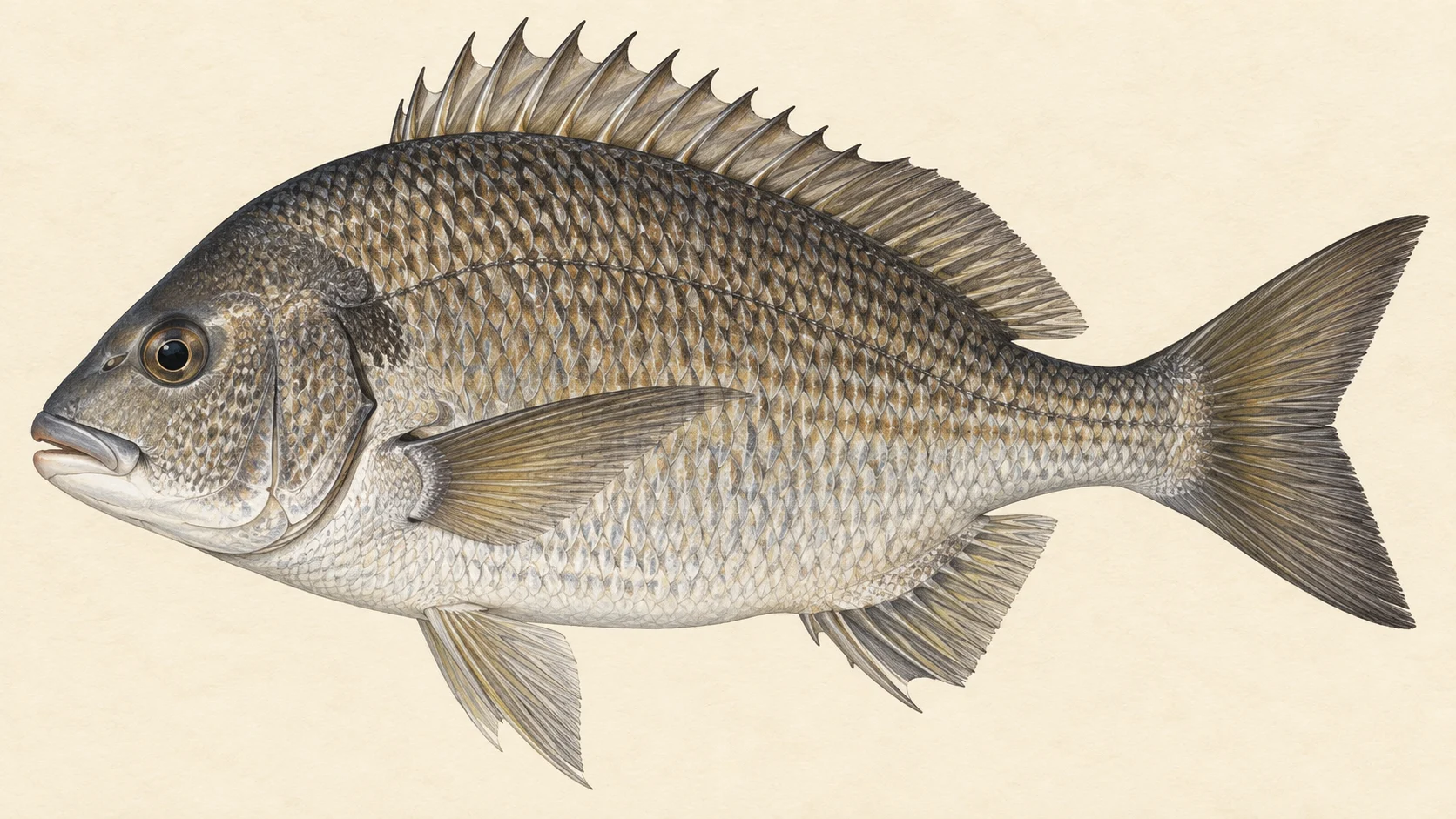
The easiest trip is from the shore. The NSW guide lists dusky flathead, bream, luderick and silver trevally among the harbour's fish, and those are a good bet for a walk-on angler. No water-specific fishing rule was found for the harbour, so check the current NSW guide for the licence and limits before you cast. Start here if you have no boat: a wharf with deep water close in, first light, a small baitfish fly. If you are thinking of keeping a fish to eat, read the NSW Food Authority's seafood advice first: it says not to eat anything caught west of the Sydney Harbour Bridge, so release those fish, and to limit what you eat from east of the Bridge.
The second trip is by boat at dawn for Australian salmon. FlyLife's writers place the harbour's best run of salmon from July through to January, when big schools of bait bring the harbour to life, and they describe launching from ramps at Roseville and Little Manly to be on the water early. This is the trip to plan a season around. Look for birds working over bait, and get a fly into the school quickly.
The third trip is for kingfish in the warmer months. The NSW guide describes pelagics moving into the harbour as the water warms, and FlyLife's writers note that a cast into a salmon school can just as easily draw a kingfish. Their tying writers describe harbour kingfish eating squid flies such as the EP Flex Calamari. Save this one until the salmon trip has taught you how the schools move.
Rig an intermediate line, pack a box of small white baitfish flies, and be on the water before the sun is up.
Water and habitat
The harbour is salt water with a main body of open water and bays opening off it. In our experience that shape decides where the fish are. The open harbour carries the tide and the bait schools, and pelagic fish follow the bait wherever the current pushes it. The bays hold calmer water where bait sheds in to shelter and where flathead, bream and luderick work the edges.
Structure matters as much as depth. Rock platforms, wharf pylons and moored boats all give bait somewhere to hide and give predators an ambush point. A current seam off a point, or the shaded side of a wharf, is a good bet on any tide.
Fish and forage
Two groups of fish share the harbour. The first is the resident estuary fish. The NSW fishing guide lists dusky flathead, mulloway, bream, luderick, mullet, tarwhine, silver trevally and leatherjacket, along with squid. Sea mullet, goldspot mullet and river garfish have all been recorded here, and so have Australian bass and bull sharks.
The second group is the visitors. The NSW guide describes pelagic species invading the harbour in the warmer months: Australian salmon, bonito, frigate mackerel and kingfish. FlyLife's writers describe working bird-and-bait schools that can hold several of these at once, with tailor mixed in, so you rarely know what will eat until it does.
The forage is small fish. Port Jackson glassfish and estuary glassfish, river garfish and mullet have all been recorded in the harbour. Squid are the other food source, and the reason a squid fly earns a place in the box. A slim baitfish pattern in white, or olive over white, is the fly that matches most of it.
When to fish it
Nothing sets a fixed calendar for the harbour, so this is a guide's read on what the writers describe.
The highlight, in FlyLife's telling, runs from July through to January, when Australian salmon come through and huge bait schools bring surface action. Winter mornings in that window are when we would make the dawn boat trip. As the water warms through summer, the NSW guide describes bonito, frigate mackerel and kingfish arriving, and the mixed-species bust-ups become the thing to chase.
Within any day, early is best. FlyLife's writers describe a good bite up in the bays on the last few hours of an early-morning run-out tide, and a top-water bite building again either side of the afternoon high tide out in the main harbour. Check a current tide source before you go and plan around those two windows.
In our view the shore trip is a good bet in any month.
How to fish it
An eight or nine weight with an intermediate line is the harbour outfit in our view, with a floating line on a spare spool for surface flies and a fast-sinking line if the fish sit deep. Carry a stripping basket if you fish from a boat or a wharf; loose line on a deck costs you the cast that matters.
When a school is up, speed is everything. Get upwind of it, cast to the edge of the bait rather than the middle, and strip fast. Salmon and tailor will take a small white baitfish fly stripped hard. If the school goes down, count the fly down and keep stripping; the saltwater depth control page covers how. A popper cast into the fray is a good bet when fish are slashing at the surface.
For kingfish, FlyLife's tying writers describe harbour fish eating squid imitations such as the EP Flex Calamari. Kingfish pull hard and head for structure, so fish a heavier leader than you would for salmon, and turn the fish early.
From the shore, slow down. A small weighted baitfish or a shrimp pattern crawled along the bottom near a wharf or rock edge is how we would look for flathead and bream.
Access and safety
The access card names the Maritime NSW boat ramps on the harbour. FlyLife's writers describe launching from Roseville and Little Manly for the dawn run. That is a description of where anglers go, not a statement about parking or permission; follow the signs at the ramp.
For shore fishing, the NSW Go Fishing guide describes rock platforms, wharves, piers and parks around the harbour. Treat any wharf or jetty as someone's structure and respect signs that close it to fishing.
As on any open water you share with other boats, wear a lifejacket, keep a lookout, and stay well clear of larger vessels when you chase a school. As on any coastal rock platform, watch the swell for a few minutes before you step down, and never fish one alone.
Before you keep anything for the table, know the NSW Food Authority's seafood advice for the harbour. The Authority says no seafood caught west of the Sydney Harbour Bridge should be eaten and that you should release your catch, so west of the Bridge we would fish catch-and-release and nothing else. For seafood caught east of the Bridge, it advises generally eating no more than 150 grams a month, and it gives a separate monthly maximum for particular species, each figure assuming you eat only that one species that month. Check those figures on the Food Authority's site before you keep fish to eat.
Regulations
No water-specific fishing rule was found for Sydney Harbour. Check the current NSW Department of Primary Industries and Regional Development recreational fishing guide before you fish, for the licence, the bag and size limits for each species, and whether any closure, aquatic reserve or protected area covers the spot you plan to fish. The NSW Food Authority's seafood advice, covered under access and safety above, is advice on eating your catch, not a fishing rule.