Australia Fly Guide
NSW · Macquarie-Bogan Rivers

Bogan River

Imagery © Esri

info

Before you rely on this page

  • Access here has not been confirmed on the ground — treat every way in as unverified.

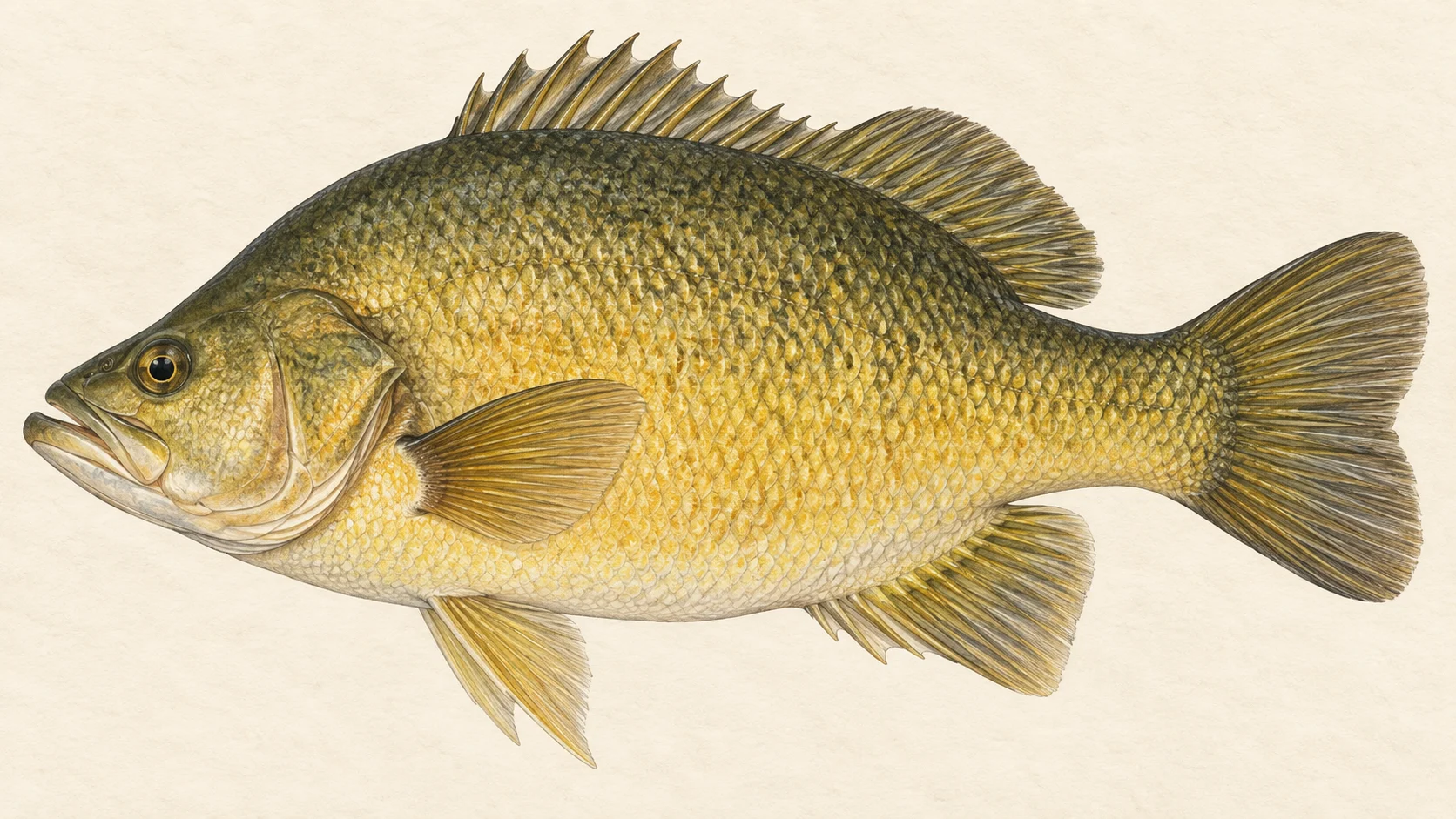
The Bogan is a native-fish river in New South Wales, and the reason to fish it is golden perch on a slow streamer, cast tight to timber in warm water.

It is a single river that runs down to join the Barwon, and you reach it at the points the access card lists, one of them a boat ramp. Treat it as water you learn one access point at a time, fishing the timber and bends within walking distance of where you park.

That gives you two trips, and the easier one is golden perch from the bank.

Start at one of the ways in the access card names, between late spring and early autumn, when in our experience golden perch are most willing. Fish the snags, the deep outside bends and any undercut bank with a dark streamer crawled slowly near the bottom. No water-specific rule was found for the Bogan, which in practice means your season, bag and size limits come from the current NSW statewide guide, so read it before you go.

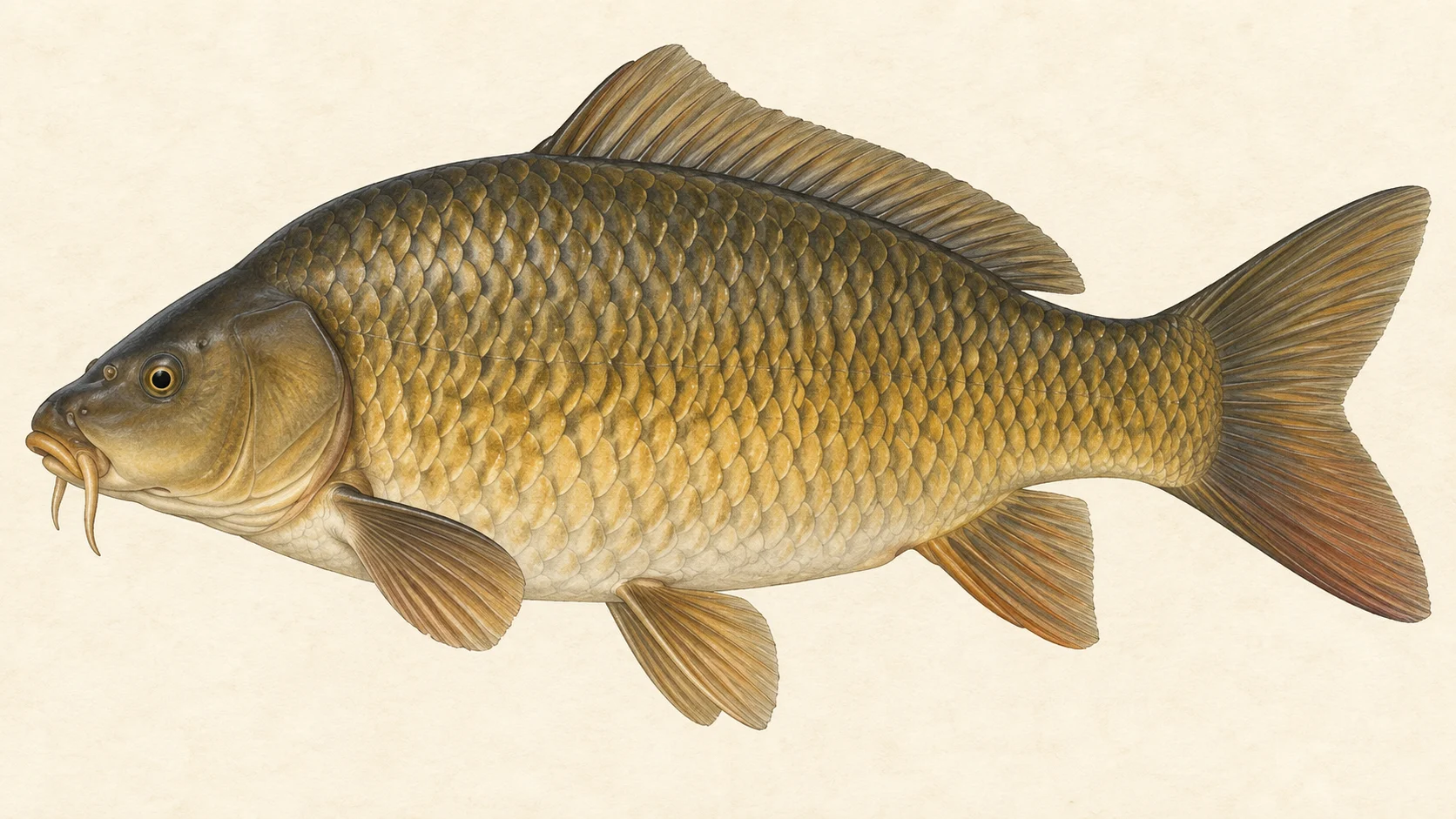
The second trip is carp on the fly, and it can fill a slow day. European carp are present, and on warm, still afternoons they often feed in the shallows where you can see them. Put a small, heavy nymph a rod length ahead of a feeding fish and wait. Freshwater catfish and spangled perch have also been recorded, and either can turn up on the same streamer you throw for golden perch.

Pick an access point from the card, check the flow chart for a steady level, and read the current NSW guide before you leave home.

Water and habitat

What you can plan around is the river's own record. The flow chart shows how often the Bogan runs high or low, and the temperature chart shows how warm it gets through the year. In our experience, on a river like this golden perch sit on timber, in the deeper holes on the outside of bends and under undercut banks, and they move up onto shallower flats to feed as the water warms.

The survey chart shows how thoroughly the river's fish have been sampled, which is worth a glance before you read too much into any one species.

Fish and forage

Golden perch are the fly fish. Freshwater catfish and spangled perch have been recorded too, and European carp and goldfish are present. Eastern gambusia have been recorded as well.

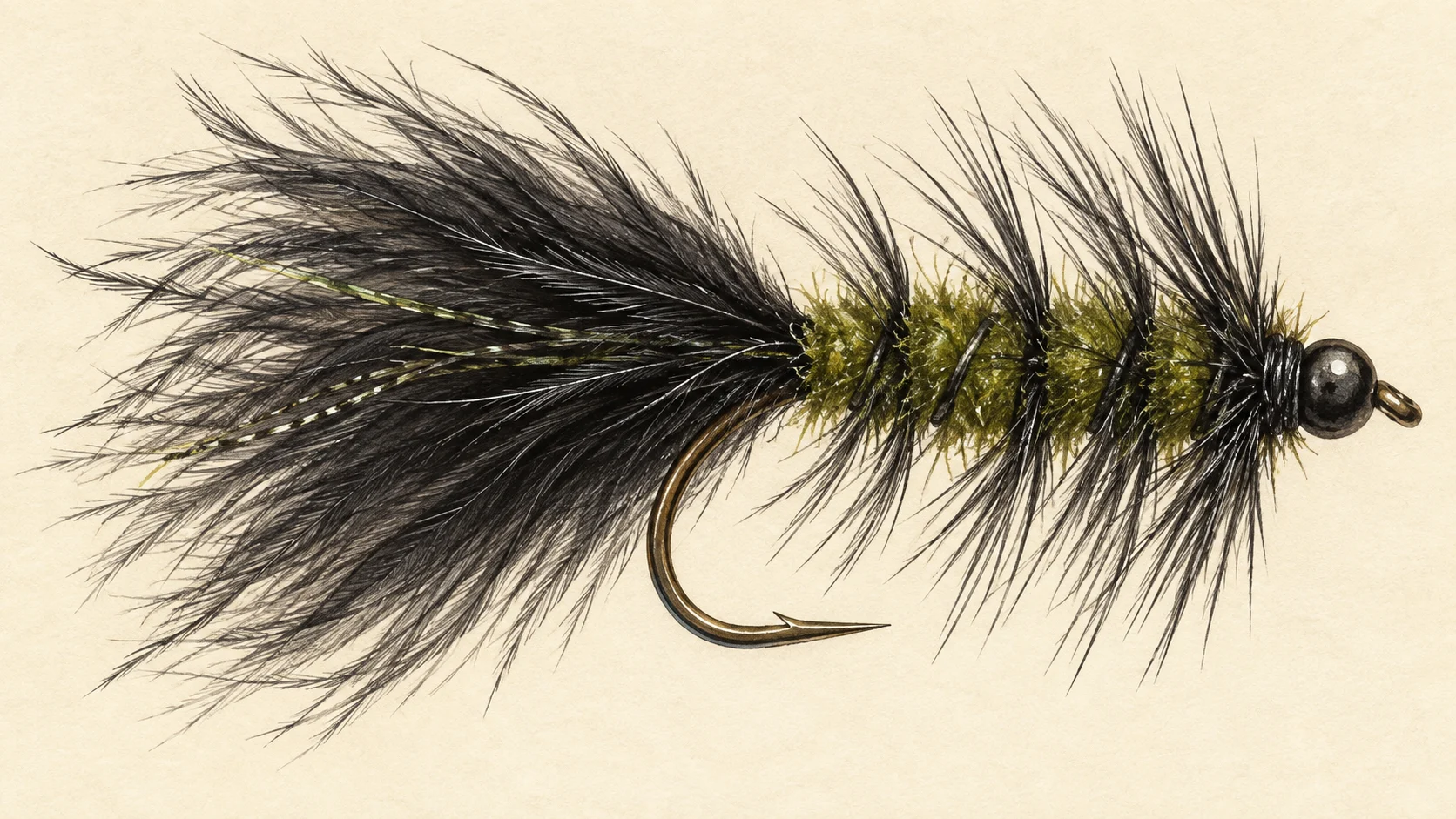
The small fish are the forage: Australian smelt, bony bream, western carp gudgeons, unspecked hardyheads and Agassiz's glassfish, with Murray River rainbowfish also reported. That points your fly box at small, pale baitfish patterns in the size 6 to 10 range, and a dark Woolly Bugger for murky water or a slow day.

When to fish it

In our experience golden perch come on as the water warms, from late spring through summer and into early autumn. That is when you fish the shallower edges in the evening and the deeper timber in the heat of the day. Carp on the flats are also a warm-weather game. As the water cools, slow down, fish deeper and expect fewer takes. Check the temperature chart and the flow chart before you pick a date; a steady, clearing river after a rise is usually a better bet than a flood.

How to fish it

A six to eight weight with a floating line covers most of it, with a sinking-tip line handy for the deeper holes. Use a short, strong leader, shorter than your rod, because golden perch live in timber and a fish that reaches a snag is usually gone.

Work each snag slowly. Cast past it, let the fly sink, and bring it back in short strips with long pauses so it hangs in front of the wood. Golden perch often take on the drop or during the pause. If the water is clear enough to see carp tailing in the shallows, switch to a small weighted nymph and a longer, finer leader, and keep your shadow off the water.

Access and safety

The access card lists the ways in, one of them a boat ramp. Treat each as a place to reach the water, not as permission to cross private land; where a spot is on farmland, ask the owner first.

As on any inland river, banks can be steep and muddy after a rise, and the level can change after rain upstream. Check the live conditions before you drive out, carry water, and tell someone where you are going.

Regulations

No water-specific rule was found for the Bogan. Before you fish, check the current NSW Department of Primary Industries and Regional Development recreational fishing guide for the season, bag and size limits for each species.
79 named access sites

These authority-listed points are separate from the mapped track intersections above. Some were inspected and some are public boat-ramp records; each row says which. A listing does not grant permission across private land, so check closures, signs and gates when you arrive.

Showing the first 60 of 79 sites on this long river. Use the authority sources below for the complete lists.

Sources: NSW Department of Primary Industries and Regional Development; Transport for NSW.

When things happen

The guide's calendar for this water

When things happen

The year on this water

A year at a glance; check current rules

  • Slow streamer for golden perch · Oct to Apr A guide's read. Golden perch are usually most willing once the water warms. A dark Woolly Bugger, size 4 to 8, crawled past timber and along undercut banks is a good first fly.
  • Small native baitfish · Oct to Apr Australian smelt, bony bream, carp gudgeons, hardyheads and glassfish have all been recorded in the river. In our experience they are everyday food for golden perch in the warm months, so a small, pale streamer is rarely wrong.

What the record shows

Flows, river gradient, changing water levels, fish surveys and stocking

What the record shows

The river's year

Daily flow at Bogan River at Gongolgon, every year 1942 to 2026

0.05 0.1 0.2 0.5 1 2 5 10 20 high-flow mark 5° 10° 15° 20° 25° Jan Feb Mar Apr May Jun Jul Aug Sep Oct Nov Dec m³/s
84 years of the gauge, week by week. The dark band is the middle half of all years, the pale band nine years in ten, the line the median. Median flow peaks in mid September and bottoms out in early January. The orange line is median water temperature, from about 11° in the coldest weeks to 30° in the warmest.
Source: Bureau of Meteorology.
Source details and licence

Bureau of Meteorology — Water Data Online series catalogue (Snowy/Monaro stations). Bureau of Meteorology, © Commonwealth of Australia. Licensed from the Commonwealth of Australia under a Creative Commons Attribution 4.0 International licence. retrieved 2026-08-12.

How often it runs this high

28,593 days at Bogan River at Gongolgon, 1942 to 2026

0.05 0.1 0.2 0.5 1 2 5 10 20 50 100 high-flow mark 6.543 m³/s 0% of days 25% of days 50% of days 75% of days 100% of days m³/s
Read it left to right: the river runs above the flow on the left edge almost never, and above the flow on the right edge almost always. Half of all days sit below 0.4 m³/s.
Source: Bureau of Meteorology.
Source details and licence

Bureau of Meteorology — Water Data Online series catalogue (Snowy/Monaro stations). Bureau of Meteorology, © Commonwealth of Australia. Licensed from the Commonwealth of Australia under a Creative Commons Attribution 4.0 International licence. retrieved 2026-08-12.

How well this water has been surveyed

315 capture records, 4 decades of 4 on file

0 50 100 150 200 1980s: 5 capture records 1990s: 3 capture records 2000s: 128 capture records 2000s: 36 capture records 2000s: 15 capture records 2010s: 75 capture records 2010s: 6 capture records 2010s: 43 capture records 2010s: 4 capture records 1980s 1990s 2000s 2010s
electrofishing (boat), 203 records electrofishing (backpack), 42 records seine netting, 51 records trapping, 19 records
Capture records by decade — electrofishing, netting, trapping and rotenone surveys only; a sighting, an eDNA water sample or a stocking release is not a capture and is not counted here. A record is not an abundance estimate, and a decade with no bar is a decade with no capture survey on file, not evidence the water was empty.
Source: Atlas of Living Australia.
Source details and licence

Atlas of Living Australia — freshwater fish occurrence records (open licences, with coordinates). Occurrence records from the Atlas of Living Australia and its contributing datasets, including the Victorian Biodiversity Atlas, NSW BioNet Atlas, Sustainable Rivers Audit, Murray-Darling Basin fish monitoring programs, OZCAM museum collections and iNaturalist Australia. Each record carries its own licence and originating dataset. retrieved 2026-08-13.

Conditions

What the gauges say

Bogan River at Gongolgon

River flow

No reading shown: No reading has been captured for this gauge yet, so none is shown.

Gauge height

No reading shown: No reading has been captured for this gauge yet, so none is shown.

Water temperature

No reading shown: No reading has been captured for this gauge yet, so none is shown.

Bogan River at Neurie Plains

River flow

No reading shown: No reading has been captured for this gauge yet, so none is shown.

Gauge height

No reading shown: No reading has been captured for this gauge yet, so none is shown.

Water temperature

No reading shown: No reading has been captured for this gauge yet, so none is shown.

Bogan River at Peak Hill No.2

River flow

No reading shown: No reading has been captured for this gauge yet, so none is shown.

Gauge height

No reading shown: No reading has been captured for this gauge yet, so none is shown.

Bogan River at Dandaloo

River flow

No reading shown: No reading has been captured for this gauge yet, so none is shown.

Gauge height

No reading shown: No reading has been captured for this gauge yet, so none is shown.

Bogan River at Nyngan

River flow

No reading shown: No reading has been captured for this gauge yet, so none is shown.

Gauge height

No reading shown: No reading has been captured for this gauge yet, so none is shown.

Bogan River at Monkey Bridge

River flow

No reading shown: No reading has been captured for this gauge yet, so none is shown.

Gauge height

No reading shown: No reading has been captured for this gauge yet, so none is shown.

Readings from the Bureau of Meteorology's Water Data Online, © Commonwealth of Australia, licensed CC BY 4.0. Nothing here is a forecast. Check the gauge before you rely on it.

Weather

What the sky is doing

Live weather for Bogan River at Gongolgon loads here. If it does not, check the Bureau of Meteorology forecast before you go.

Weather data by Open-Meteo.com

Questions anglers ask

What will I catch on the Bogan?

Golden perch are the fish to target on a fly. Freshwater catfish and spangled perch have also been recorded, and European carp and goldfish are present.

Is there a closed season, bag or size limit?

No rule specific to the Bogan was found. Take the season, bag and size limits for each fish from the current NSW Department of Primary Industries and Regional Development recreational fishing guide before you fish.

Where do I get in?

The access card lists the ways in, including a boat ramp. Treat them as places to reach the water, not as permission to cross private ground.

When should I go?

In our experience the warmer months, from late spring into early autumn, are the best bet for golden perch. Look at the flow and temperature charts before you commit to a date.

Behind this page