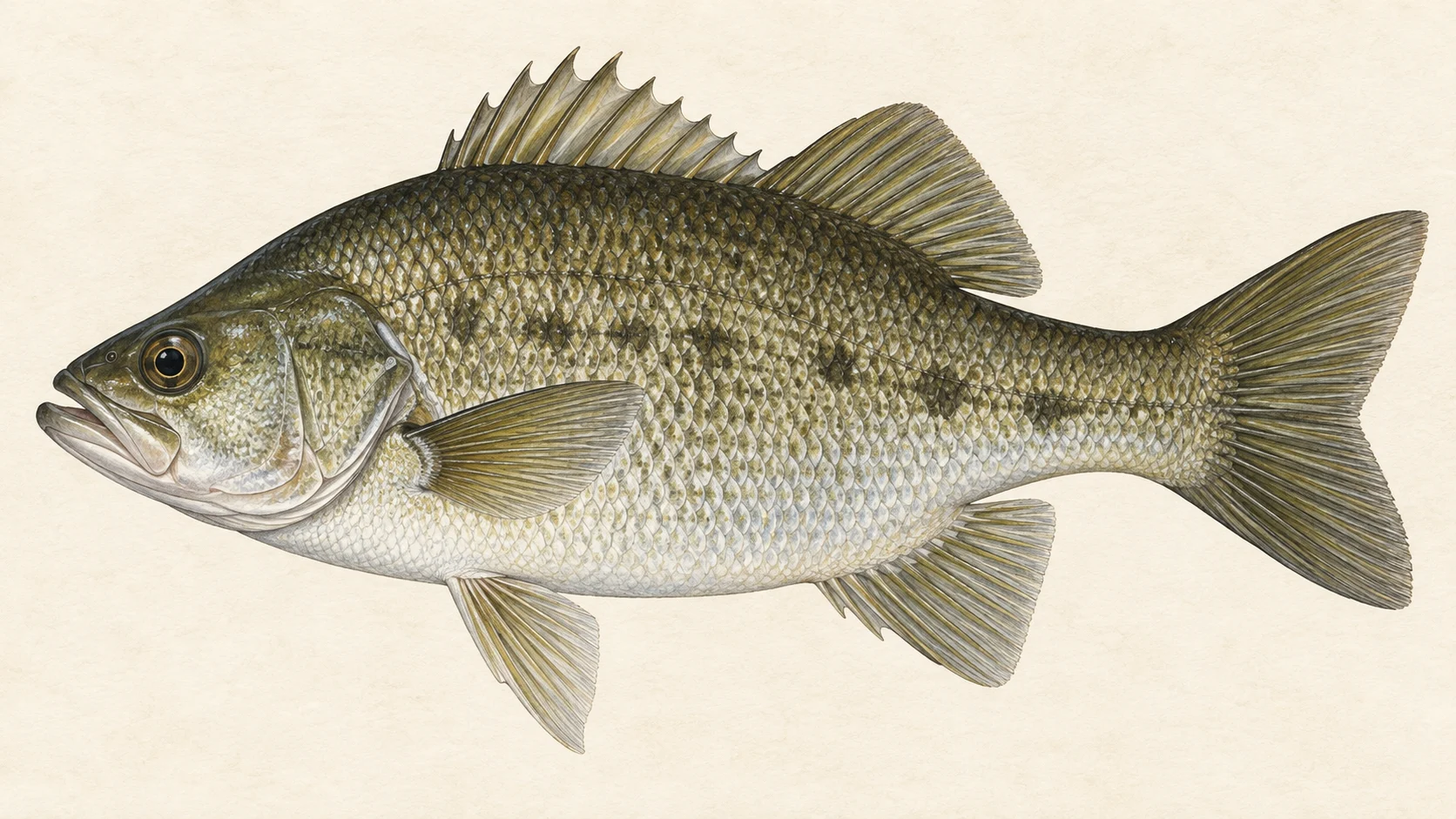
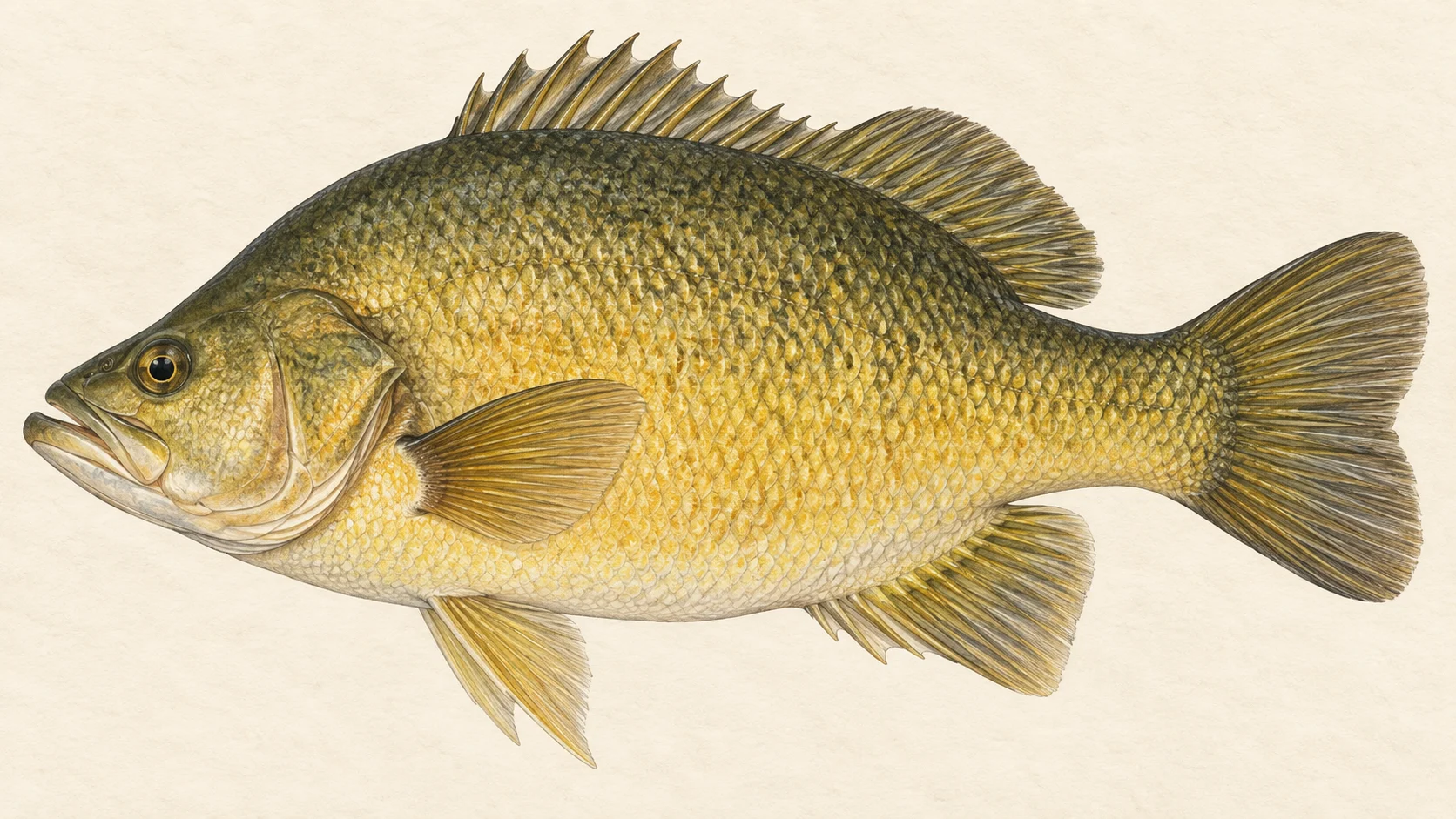
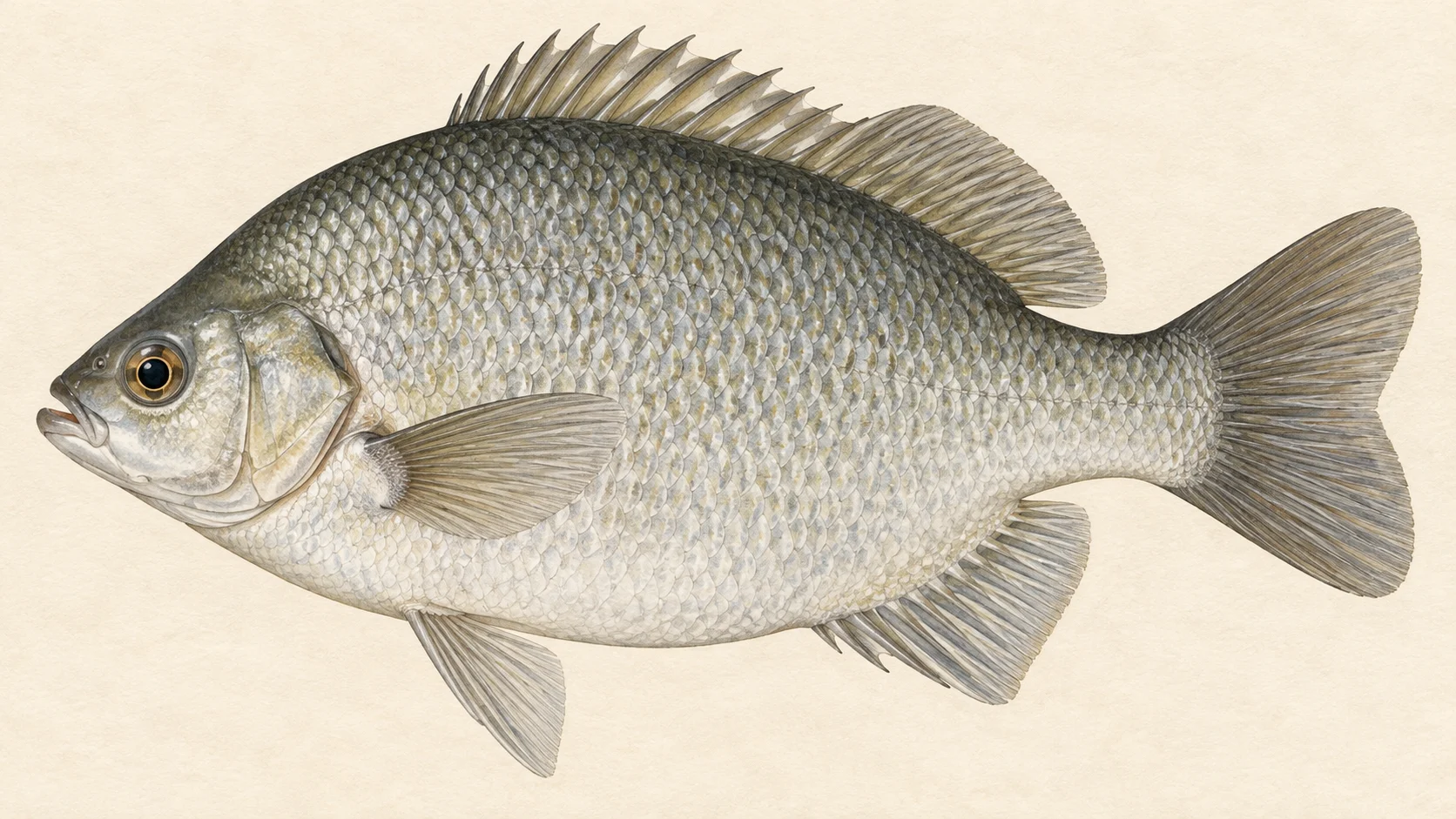
Glenbawn is a stocked storage that New South Wales names for its Australian bass fishery. If you want Australian bass in the state, this is the dam the fisheries agency itself names for them.
It is a dam, and that makes it one body of water rather than a string of reaches: open water in the middle and the edges around it. The edges are the part that matters. FlyLife's writers describe anglers working the banks and the weedbeds for bass, and in our experience that is where you want to be.
The first trip is bass from the bank in the warm months. From October through to about March, walk the shoreline at first light or in the last hour and work a dark streamer or a baitfish pattern slowly along the weed edge. A popper earns its place when the light is low and the water flat. No water-specific rule was found, so check the current NSW fishing guide before you go.
The second trip is golden perch, and it suits a boat. The access card lists a boat ramp among its sites. In our experience golden perch sit deeper and slower than bass through the heat, so count a smaller fly down along the drop-offs and fish it with long pauses. Silver perch have been stocked too, and you may pick one up on the same fly without meaning to.
Whichever trip you pick, the lake rewards moving. A big storage has more weed edge than you can fish in a morning, and the bass are rarely spread evenly along it; a point with fish on it one day can be empty the next, so give each stretch a fair go and then walk on.
Start with the bass. Pick a shore with the wind pushing onto it, get there before sunrise, and fish the weed edge until the sun is well up.
Water and habitat
A dammed storage, fished around its margins. FlyLife's writers describe anglers fishing weedbeds along the banks, and in our experience weed in a warm lake does two jobs: it grows the shrimp and small fish that bass and perch eat, and it gives the predators an edge to hunt along. Read the lake as a line of weed edges and points rather than as open water.
A storage rises and falls. When the level changes, the weed edge moves with it, so the productive line on one trip may be a few metres from where it was on the last. The persistence chart shows how much of the lake's surface has been wet over the years, and it has not been steady.
Fish and forage
NSW has stocked Australian bass, golden perch and silver perch here, and freshwater catfish have been recorded. The stocking chart shows the seasons each species went in. Bass have been stocked in every season the chart covers, which in our experience should mean a spread of year classes rather than one big pulse of fish.
What they eat is what a warm storage grows: shrimp and small fish around the weed, and whatever falls in off the bank. That points your fly box at baitfish shapes in olive, black and brown (colours, not species), from about size 6 down to 2, and a small popper.
When to fish it
In our experience bass and perch in a storage like this fish best through the warm months, from about October into April. Bass come to the edges at first light and in the last hour, and a warm still evening is when you are most likely to see them on the top. In the heat of the day they drop back into the weed and deeper water, and the windward shore is usually the one holding food.
Golden perch fish through the same months, deeper and slower. Winter is a slower proposition on any native storage; if you go then, fish the middle of the day and fish deep.
How to fish it
A six or seven weight with an intermediate line covers most of it; carry a floating line for the popper. Along the weed, cast parallel to the edge rather than across it, so the fly spends the whole retrieve in the strike zone. Retrieve in short pulls with pauses, because a bass often takes as the fly stops and sinks.
For golden perch from a boat, work the drop-offs off points and the edges of deeper water. Let a weighted fly sink well before you start the retrieve, and slow down further than feels right. A fish that follows without eating can often be turned by stopping the fly dead.
Cover water. If an edge is quiet after twenty minutes, move to the next point.
Access and safety
The access card names four sites, one of them a boat ramp from the Maritime NSW list. A site on a map is a place people get to the water, not a permission to cross land to reach it; follow signs and any rules the dam's manager posts. As on any big storage, watch the afternoon wind before you take a small boat into open water, and wear a lifejacket.
Regulations
No water-specific rule was found for Glenbawn. Check the current NSW Department of Primary Industries and Regional Development fishing guide before you fish, for the licence, bag and size limits that apply to bass, golden perch and silver perch in NSW fresh water.