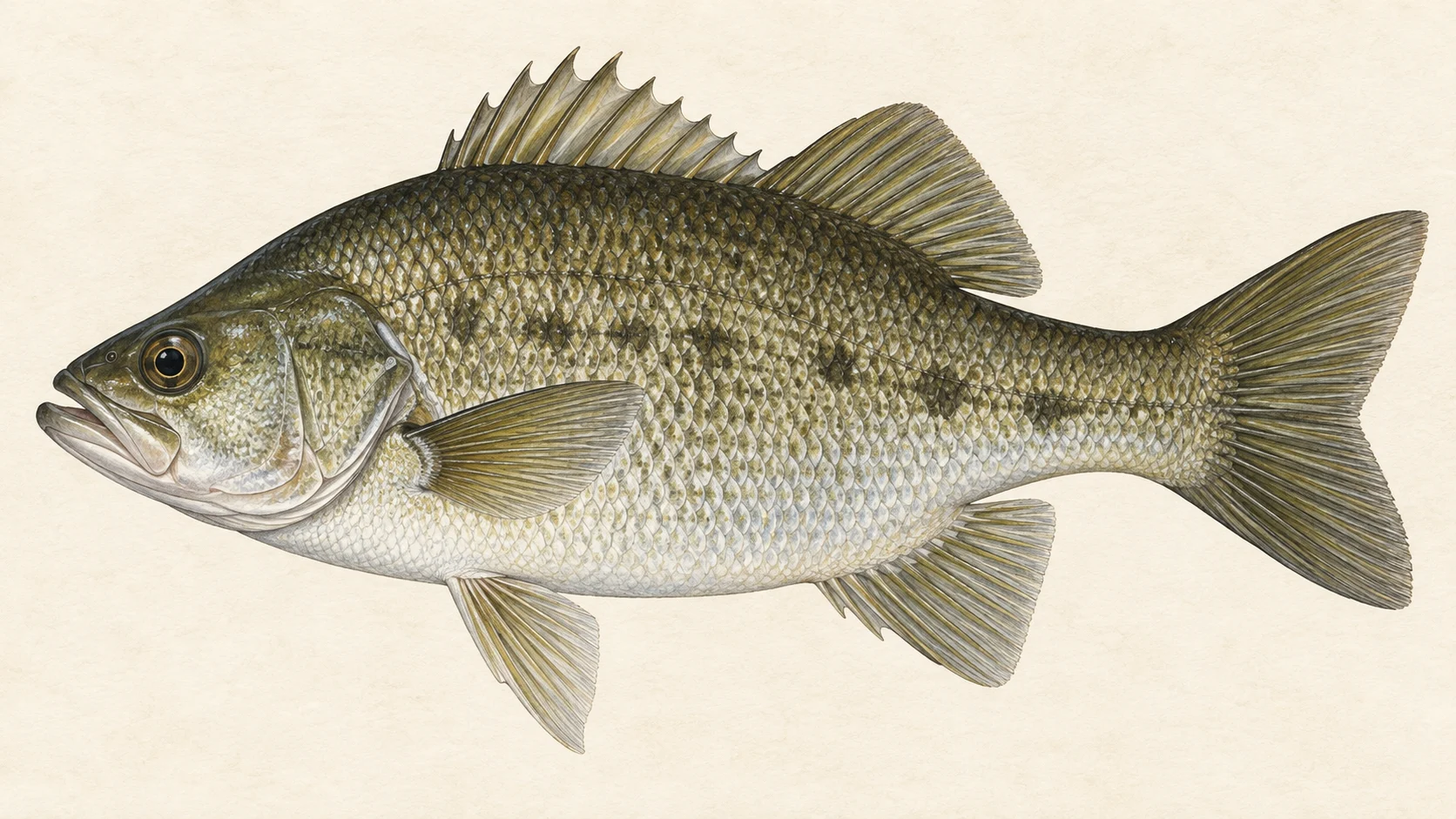
Manly Reservoir is a stocked Australian bass water, and that is the reason to come: a bass on a surface fly from the bank of a still water that FlyLife's writers place on Sydney's north side.
The water is one body, a storage held behind a dam wall, and there are no reaches to choose between. The state's fishing notices call it Manly Dam. What divides it for an angler is the edge against the open middle: the shoreline you can reach on foot, and the deeper water beyond a cast. The access card shows where the boat ramps and the angler access sites sit.
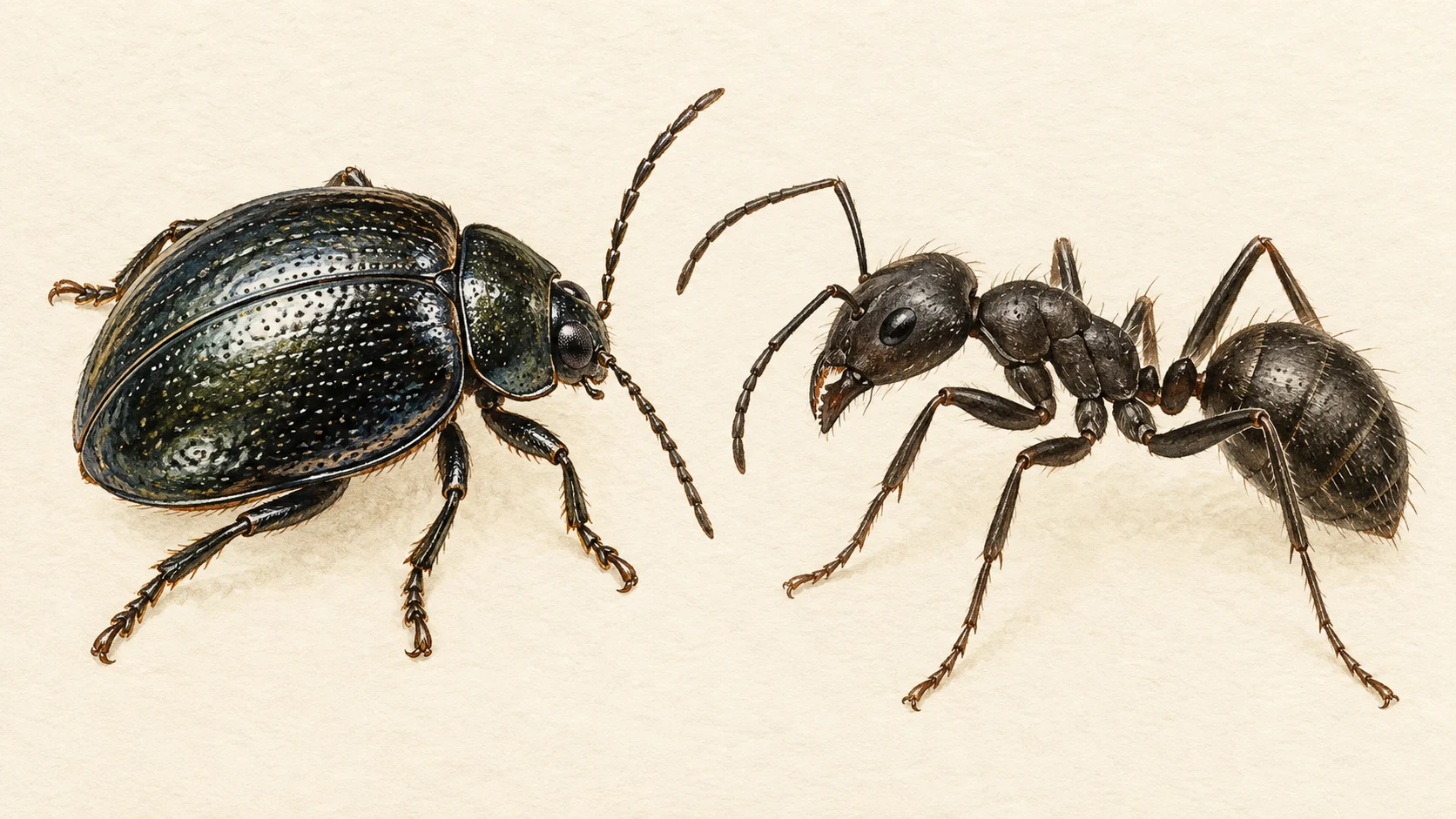
The easiest trip is a warm evening on the bank for bass. Bass are stocked here most seasons, which in practice means hatchery fish that you are hunting, not a wild run. Start at one of the angler access sites on the card and cast a small popper or a foam beetle tight to the edge as the light goes. That is the trip we would do first.
The second trip is for carp. FlyLife's writers describe the dam as a carp fishery for fly anglers on Sydney's north side, and as a quieter, better-looking place to stalk carp from the bank than the creek backwaters of the south-west. Walk the shallows on a bright, calm day, look for tailing fish, and put a small weighted nymph in front of one.
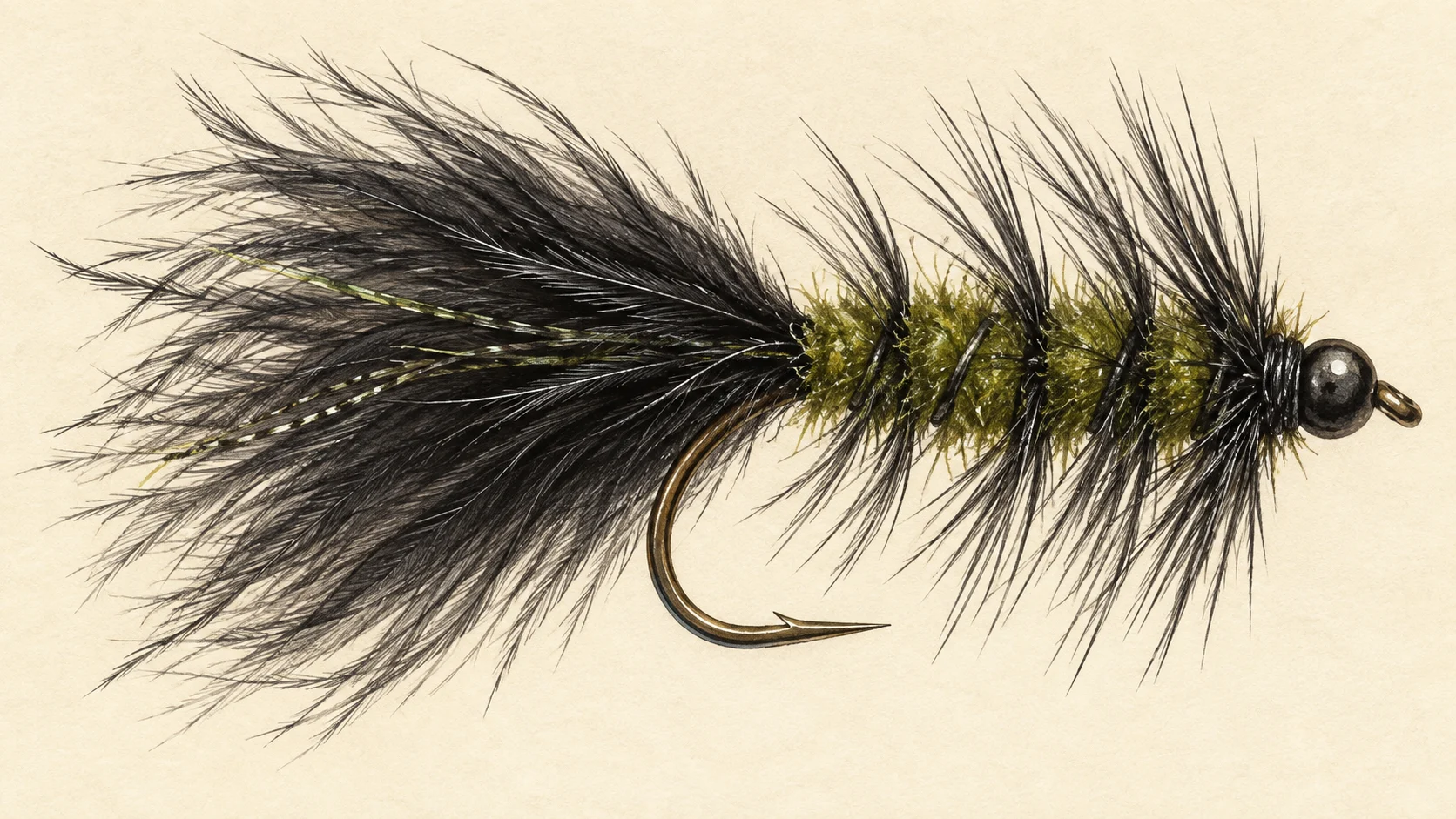
The third trip is a cooler-month session with a sunk fly off a deep bank. When the bass leave the surface, a small, dark Woolly Bugger crawled along the drop-offs is our pick. Nets and traps other than a landing net or shrimp trap are banned on the dam, which in practice does not touch a fly angler; read the current NSW guide for the rest before you go.
Check the NSW guide, pack a popper and a small nymph, and aim for a warm evening.
Water and habitat
This is a single still water behind a dam wall. The water-surface chart shows how much of the basin has held water over the years. The shoreline is where most of the fishing is done; the middle is open water.
In our experience bass in a still water like this hold to structure: fallen timber, weed edges, rocky points and the line where the shallows drop away. They come up to the edges in low light and drop back to deeper cover through the bright middle of the day. Carp, where they are present, feed in the shallows with their heads down.
Fish and forage
Australian bass are the stocked fish. The stocking chart shows the releases season by season; what it means for you is that the bass population is being topped up, so a dry spell one season is not the end of the fishery. We would treat these as fish that will take a surface fly on the right evening and a slow wet the rest of the time.
FlyLife's writers name carp as the reason fly anglers come. Treat that as their account and see for yourself on the day.
For a fly box, think terrestrials and small baitfish for bass: a small popper, a foam beetle, and a size 8 or 10 Woolly Bugger in black or olive. For carp, a few small weighted nymphs in drab colours.
When to fish it
We have no water-specific timing to give you, so this is a guide's read. The warm months, roughly November to March, are when we would expect bass to come to the surface, and the best of it on evenings and overcast days. Autumn can be good while the water holds its warmth. Through winter, fish deeper and slower and expect fewer fish.
For carp, pick a bright, calm day when you can see into the shallows; wind and cloud make the stalking much harder.
How to fish it
A six weight with a floating line covers both fish. For bass, work the edge: cast tight to any timber or weed, let the popper sit until the rings fade, then give it a short pop and another pause. Most takes come on the pause. Move along the bank and repeat, a cast or two per spot.
When the surface goes quiet, change to the Woolly Bugger. Count it down, then crawl it back in short strips with long stops, close to the bottom along the drop-offs. The streamer fishing page covers the retrieve in more detail.
For carp, stalk the shallows slowly, find a fish feeding head-down, and land a small weighted nymph a little ahead of it so it sinks into the feeding zone. Watch the fish, not the line: when it tilts or stops over the fly, lift.
Wet your hands before you handle a bass, keep it in the water while you unhook it, and let it go once it holds itself upright.
Access and safety
The access card lists the boat ramps and the angler access sites. The card shows where they are; it does not tell you who manages the land around them, so follow local signage on where fishing and boating are allowed.
As on any suburban storage, expect walkers and families on the bank and give them room on the backcast. Wade only where you can see the bottom, and carry water and sun protection on a summer evening.
Regulations
Nets and traps, other than a landing net or shrimp trap, may not be used in the waters of Manly Dam and its tributaries. That notice restricts gear only and does not close the water to line fishing, and it says other closures may apply, so check the current NSW guide before you fish. Read the current NSW fishing rules and regulations and the freshwater bag and size limits before you fish, and confirm the recreational fishing fee.