Ogilvies Creek is worth the trip for one reason: it is small, open high-country water where FlyLife's writers describe trout in nearly every bend.
Picture a narrow creek with no dam or gorge to split it. In FlyLife's telling it winds across open tussock plain, doubling back on itself again and again, so a short stretch of valley holds a long run of water. It ends where it joins a larger stream, Deep Creek, and everything above that junction is Ogilvies.
That makes this a one-trip water. Walk in from one of the access points on the card, pick a stretch of plain and fish upstream bend by bend. Go in the warmer months, when small trout look up and hoppers come off the grass. No water-specific rule was found, so the season you fish depends on the current NSW freshwater guide; check it before you make the drive.
Do not come expecting size. The appeal is sight fishing on open water to small, wild fish.
Read the season and tackle notes below, then check the current NSW guide and local conditions before you set out.
Water and habitat
This is plains water rather than a mountain torrent. FlyLife's writers describe the creek winding through tussock grassland and curving back on itself constantly. On a creek like that, the current swings hard against the outside of every bend and cuts the bank away, leaving a deeper slot and an undercut on that side and a shallow gravel bar on the inside. Trout sit in the slot and under the lip of the bank, where food comes to them and cover is overhead. The short straights between bends are usually thin and fast, and worth a single cast at most.
If the banks are as open as FlyLife's account suggests, the fish see you as easily as you see them.
Fish and forage
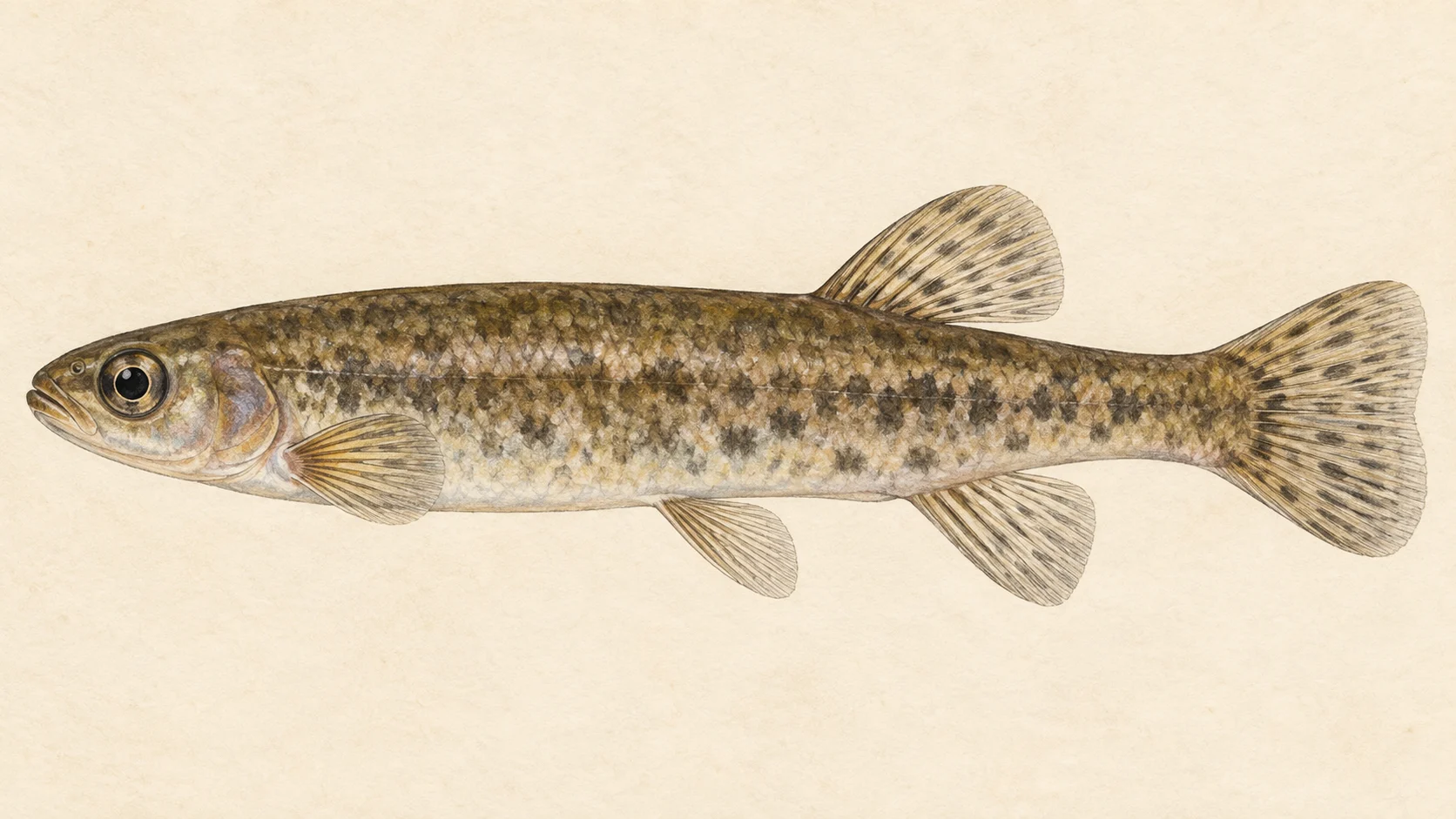
FlyLife's writers describe small trout lurking in every corner. Mountain galaxias, a small native fish, have also been reported from the creek, though on low-confidence evidence.
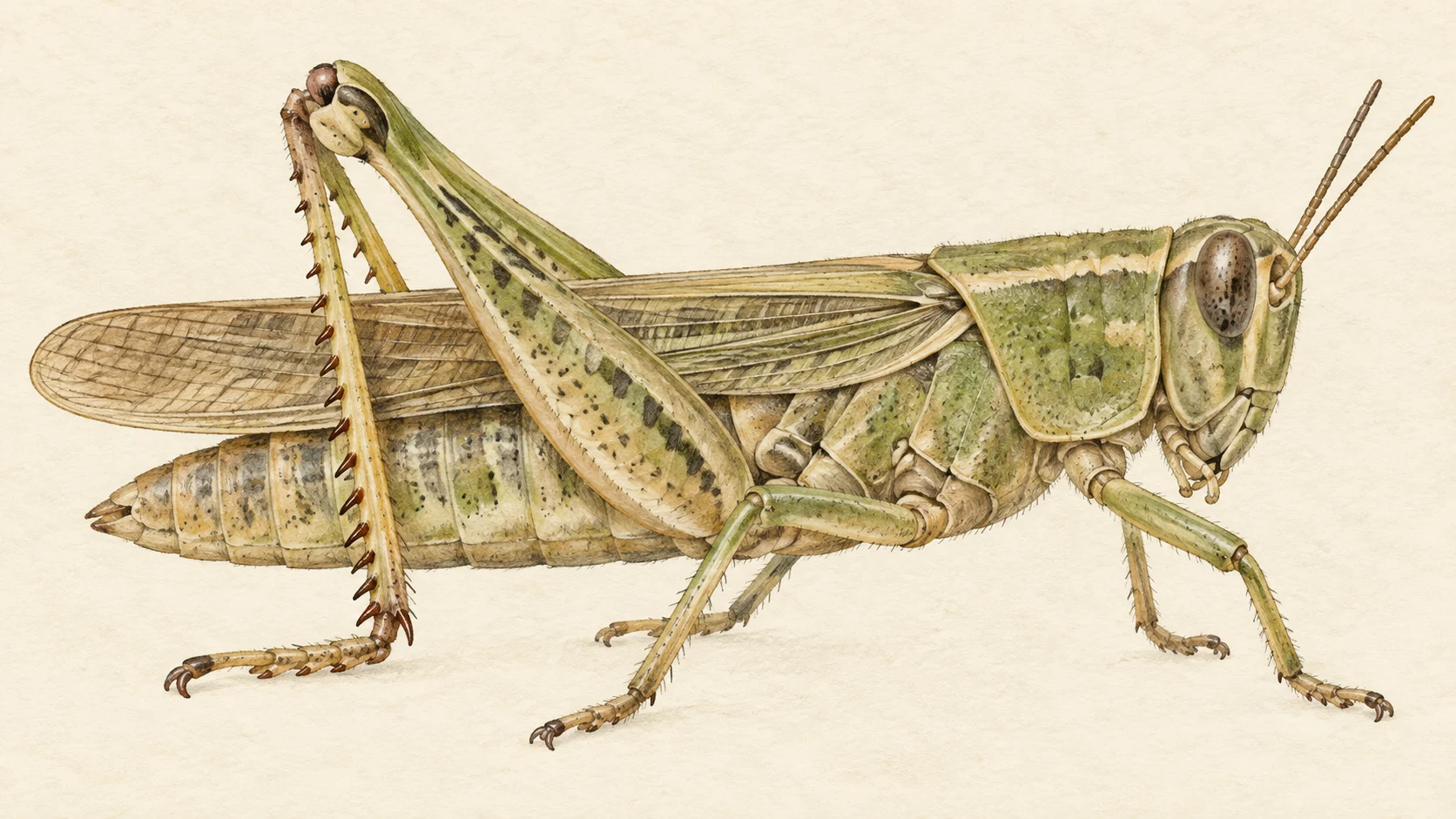
In our experience, trout in a small grassland creek eat what the water and the bank give them: mayfly and caddis nymphs through the day, and in summer anything that drops off the tussock, grasshoppers above all, along with beetles and ants. That keeps fly choice simple. A buoyant general-purpose dry and a small nymph will cover most days.
When to fish it
The warm months are the window we would pick, roughly late spring through early autumn, when fish feed on the surface and hoppers are about. Early and late in that stretch, cold water tends to keep fish down on nymphs until the middle of the day. High-country weather can turn quickly in any month, so pack for cold even in summer.
Before you plan around any month, check the current NSW freshwater fishing guide for the trout season that applies.
How to fish it
Fish upstream and keep low. On open plain your silhouette is the biggest problem you have, so kneel back from the bank where you can and let the grass break your outline. A 7 to 8 foot rod for a 3 or 4 weight line is plenty, with a leader tapering to 5X or 6X.
A good bet is a dry-dropper: a size 12 to 14 high-floating dry with a size 16 beadhead nymph hung a short way below. Land it on the grass edge at the top of each bend and let it swing into the undercut. A fish that has not seen you will usually take on the first good drift; if it does not, move on to the next corner rather than hammering one spot. On a hot, windy summer afternoon, a foam hopper slapped down tight to the bank on its own is worth trying.
Access and safety
The access card names the known sites. They describe where anglers get onto the creek and are not permission to cross any particular ground; check current closures and conditions with the land manager before you set out.
As on any open high-country water, carry a warm layer and a rain shell even in summer and tell someone where you are going and when you expect to be back.
Regulations
No water-specific rule was found for Ogilvies Creek. Before you fish, check the current NSW Department of Primary Industries and Regional Development freshwater fishing guide for the trout season, bag and size limits, gear rules and the licence you need.