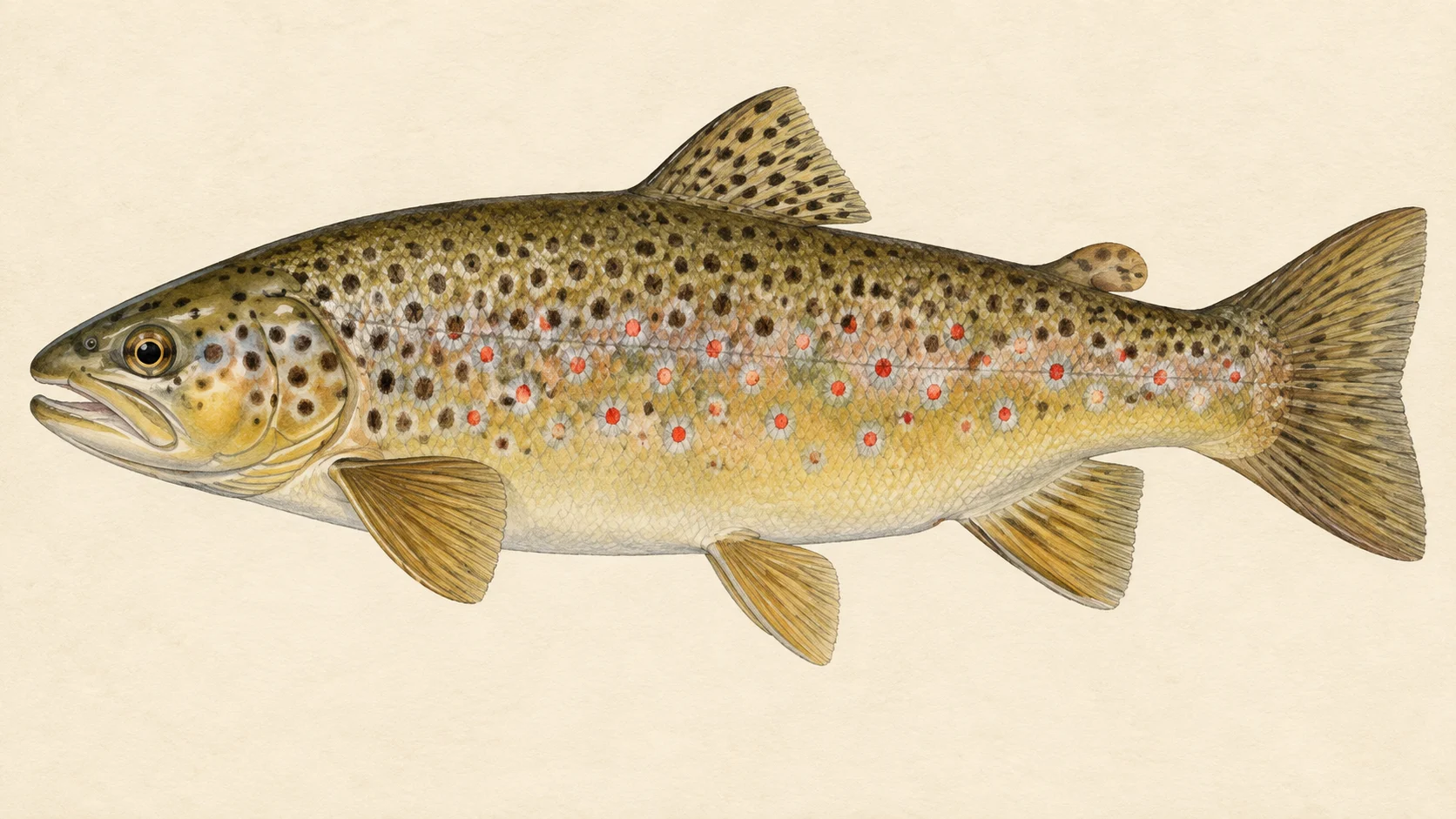
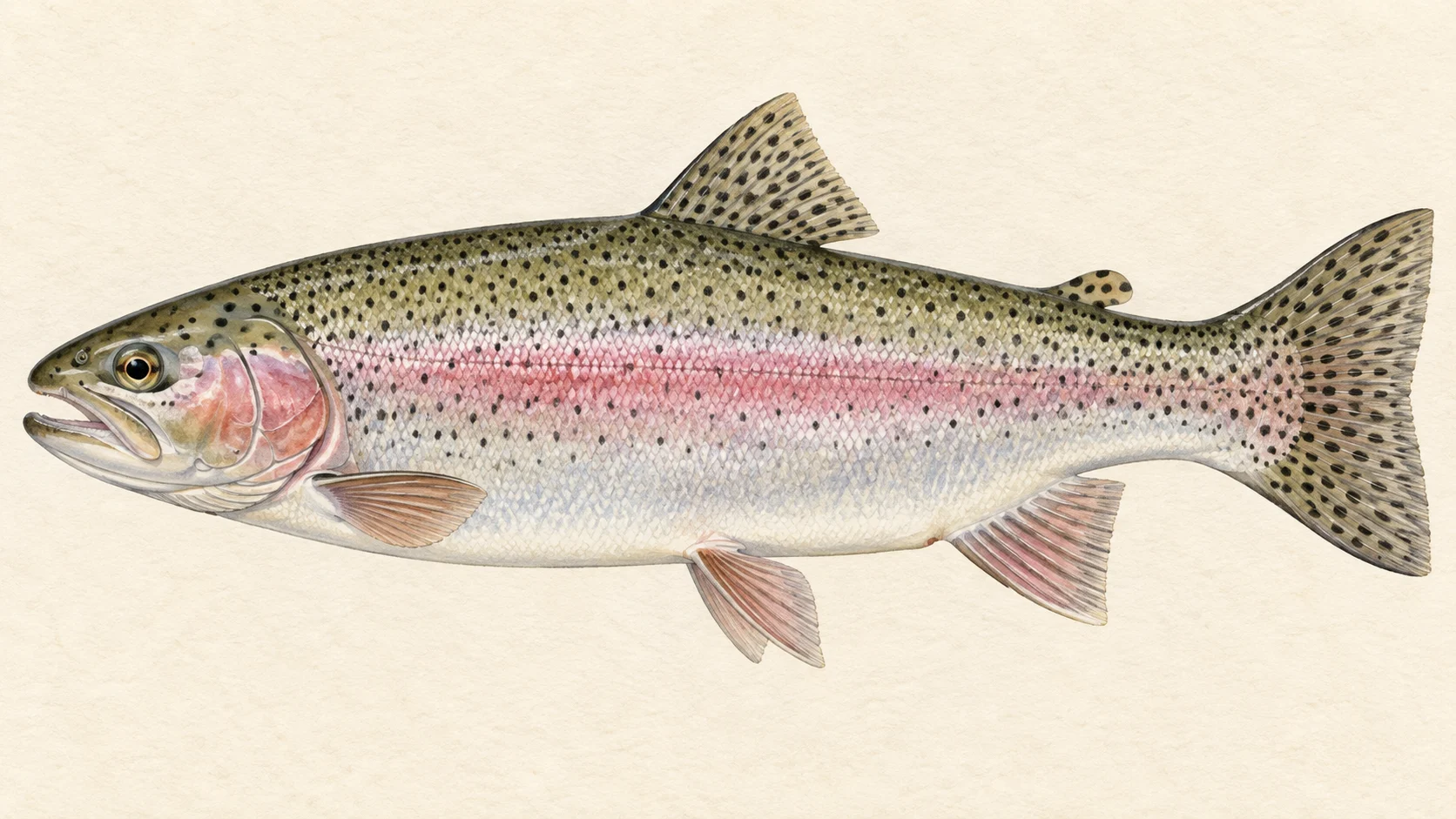
The Bundara is known for consistent trout fishing, and locals and visitors alike return to it for brown and rainbow trout.
It runs from deep, boulder-strewn pools in the upper reaches to gentler flows in the lower valley, then joins the Mitta Mitta. The middle reaches are farmland, a run of still pools and riffles that FlyLife's writers say carries good trout stocks.
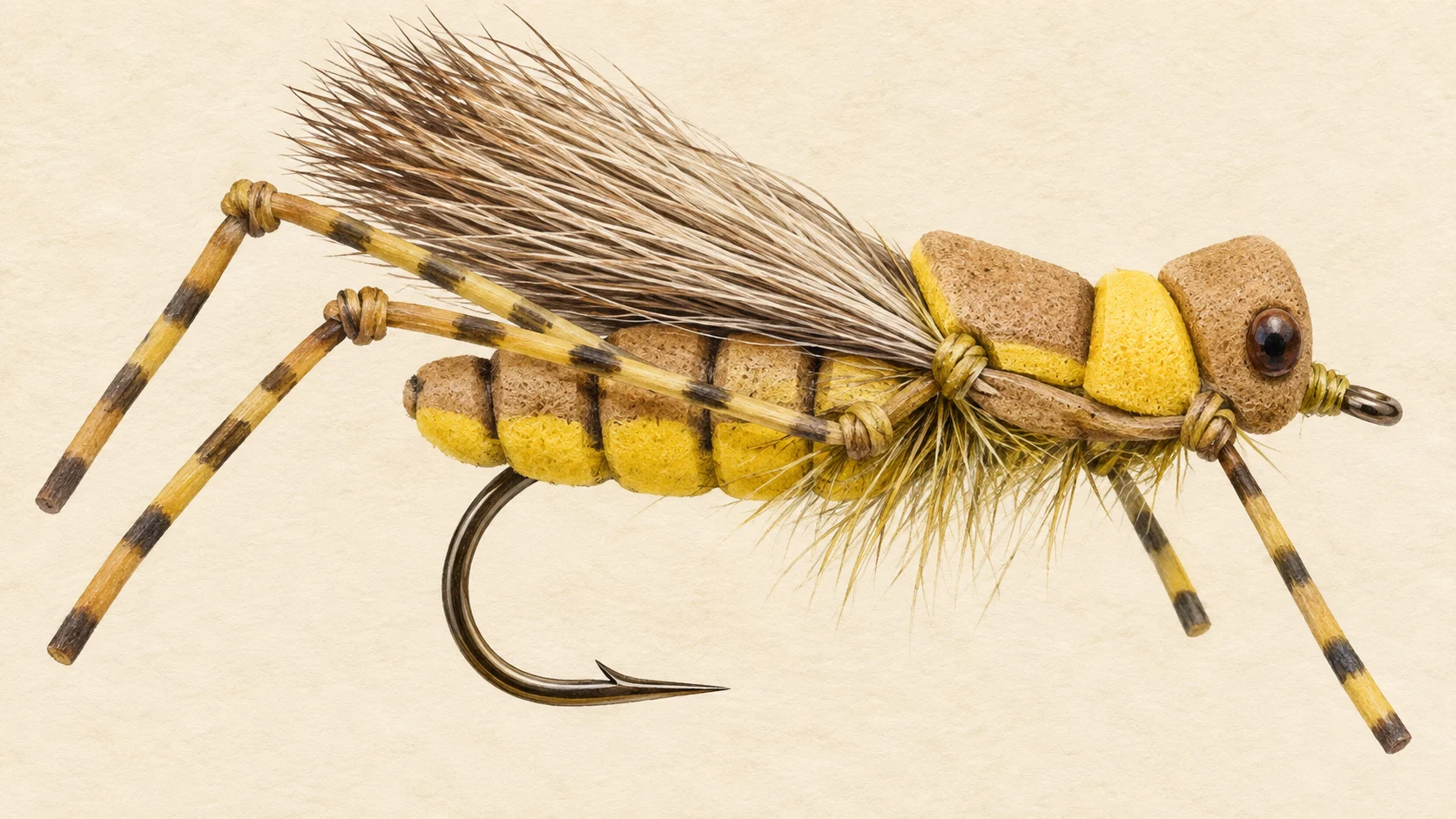
Start in the lower valley in summer and early autumn, when trout take hoppers freely. Fish a Hopper in size 10 to 14. Expect company near the Mitta Mitta, where the easy-reach water can be heavily fished.
Check the current Victorian Fisheries Authority guide for the season before you go.
Water and habitat
The upper Bundara is deep pools among boulders, and pocket water is a listed highlight. Near the junction with the Mitta Mitta it turns more rugged again. Between the two, the middle reaches run through farmland and the lower valley is gentler. In pocket water, in our experience trout sit in the slack behind boulders and at the head of each pool, and short casts reach them.
Fish and forage
Brown trout and rainbow trout are the fish here. Mountain galaxias and twospine blackfish are also recorded in the river.
In summer and early autumn the trout in the lower valley take terrestrials freely, grasshoppers among them, and evening rises are frequent. A Hopper in sizes 10 to 14 and a Tabanas Parachute Sedge in size 14 are both listed for rainbows and browns, and for the hatches FlyLife names the Stimulator, Elk Hair Caddis and Kossie Dun.
When to fish it
Summer and early autumn are the highlight: active hopper-feeding trout, particularly in the lower valley. Evening rises are frequent, so plan on fishing into the last of the light. When the season is open for the water is a matter for the current Victorian guide, so settle that before you choose a weekend.
How to fish it
FlyLife describes the Bundara as small-stream water well suited to a 3-weight, and in our experience that means short, accurate casts and a light presentation matter more than distance.
When trout are not rising, a dry fly with a nymph dropped off it is a productive tactic. In summer, swap the dry for a hopper. For the mayfly hatches, FlyLife names a Stimulator, Elk Hair Caddis or Kossie Dun. In our experience it pays to work the pocket water one pocket at a time, and to read the pools and riffles from the tail up.
Access and safety
In the lower Bundara valley a gravel public road runs parallel to the river for about two miles. The water nearest the Mitta Mitta is the easiest to reach and can be heavily fished, so expect to share it. Treat any access as description, not permission, and respect fences and signs on the ground.
As on any bush river, tell someone where you are going and when you expect to be back, carry water, and take care on wet boulders, particularly in the rugged upper reaches and near the Mitta Mitta junction.
Regulations
Victorian seasons, closures and limits are dated and change. Read the current Victorian Fisheries Authority Inland Angling Guide, including its closed-waters information, and take the season, bag and size limits and licence requirements from it before you fish.