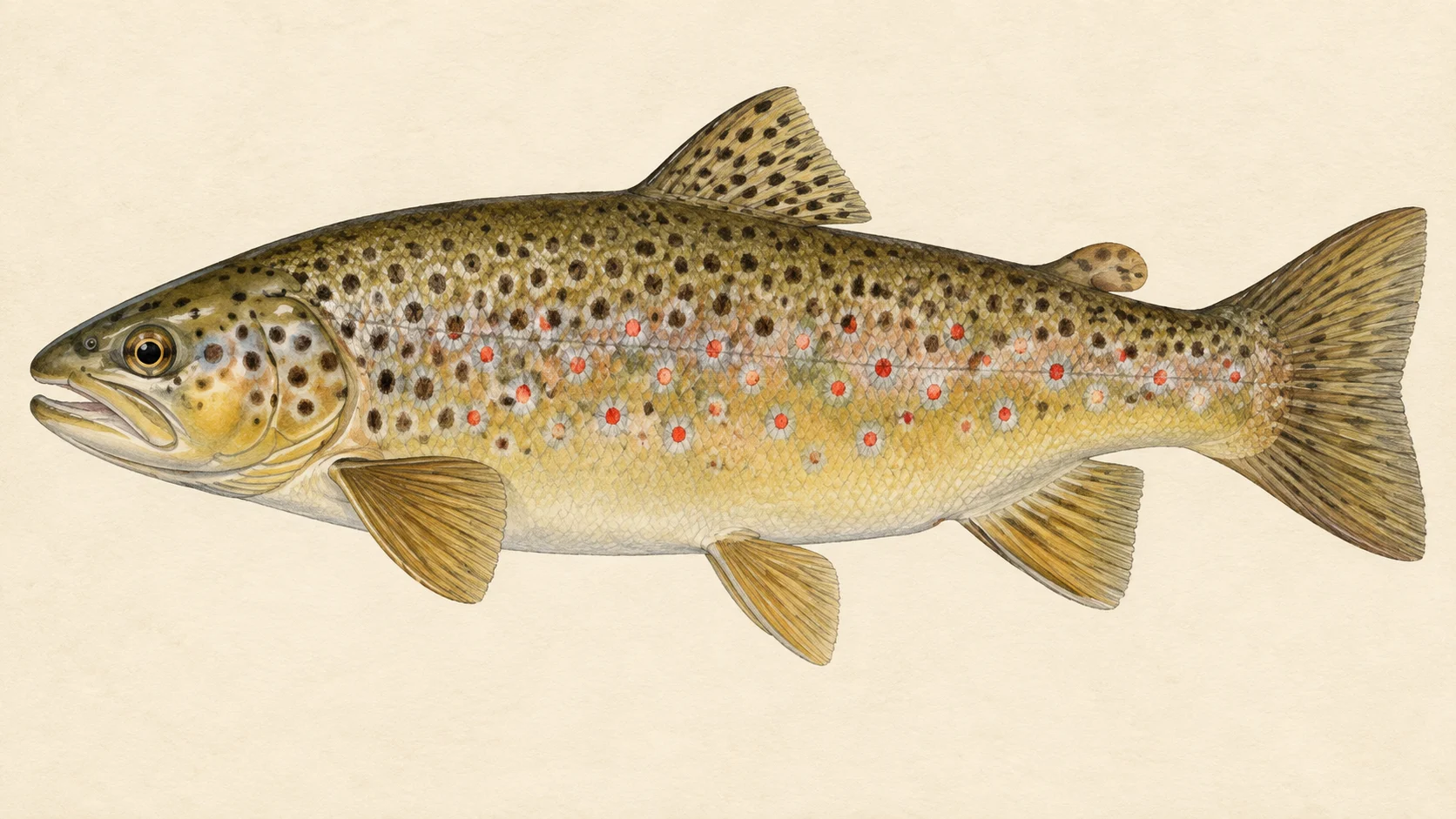
Perisher Creek is a small brown trout creek that runs into the Snowy River, and the reason to come is how easy it is to fish. FlyLife's writers describe forgiving currents, casts that need no special skill, and trout that can be seen rising from the road.
A set of waterfalls splits the creek in two. Below them is the larger water; above them, by FlyLife's account, the creek gets smaller and more open. FlyLife's writers place it in sub-alpine country, flanked by open moorland, so expect grass and open sky over the water rather than a tunnel of scrub.
There are two trips here, and the first is the one to make.
Start below the falls. Fish it for brown trout in high summer with a dry fly, walking up from one of the ways in named on the access card and looking for risers before you cast. One FlyLife writer describes a late session on the creek that turned up a dozen trout, including one well over a pound, so stay until the light goes. No rule specific to this creek was found, so check the current NSW guide before you go, both for the licence and for whether a trout-water closed season means you cannot fish it yet.
The second trip is the climb above the falls. FlyLife's writers describe small trout there in good numbers and call the climb itself debatable. Leave it for a return visit, when the lower creek is already familiar.
Check the access card for a way in, tie on a small dry, and walk the lower creek slowly with your eyes on the water.
Water and habitat
A small, open creek that flows into the Snowy River. FlyLife's writers describe it as sub-alpine, running through open moorland, with currents gentle enough that a drift holds without much work.
Below the waterfalls the water is larger. Above them, the same writers describe a smaller, more open creek. In our experience, water like this puts the fish where the food funnels: the heads of the runs, the seams beside faster water, the deeper slots under an undercut grass bank. On an open creek those are easy to read from a distance, and you should read them from a distance, because the same openness lets a trout see you.
Fish and forage
Brown trout are recorded here. Expect mostly small fish, as on any little high creek, with the chance of something better: one FlyLife account describes a session that turned up a dozen trout with one well over a pound among them. Above the falls, the same writers describe small trout in good numbers.
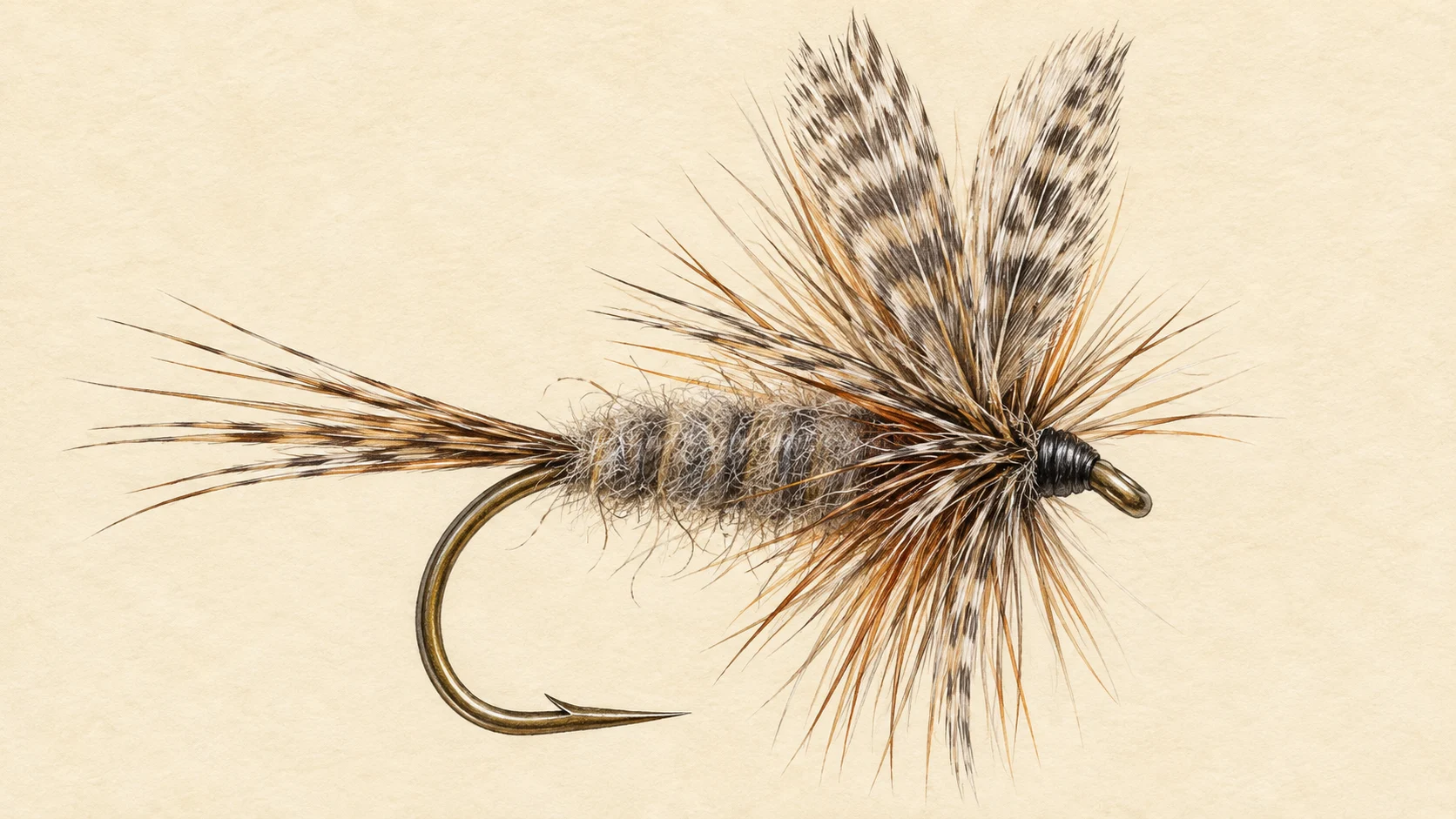
No insect survey was found for the creek, so the fly box is a guide's read. Open grassy banks in summer usually mean beetles and grasshoppers on the water. Under the surface, a small mayfly nymph is a good bet for what a creek this size most often carries. A size 14 to 16 Parachute Adams, a small hopper, and a size 16 or 18 Pheasant Tail will handle most days.
When to fish it
FlyLife's writers suggest a small nymph for the early spring flows and for cold days with no fish showing, while noting that the writer does not fish these high streams until summer. Read that together with the regulations: whether you can fish it early at all depends on whether a closed season applies, which the current NSW guide settles.
Our read on the rest of the year: summer is the time. From early summer the dry fly comes into its own, with rising fish to cast to and terrestrials on the grass. Late in the day is worth staying for; the best session in the FlyLife accounts was a late one. As the season cools into autumn, go back to the nymph on the days nothing is rising.
How to fish it
A two to four weight and a floating line is plenty. Keep the leader long enough to land a small dry softly, because the water is open and the fish can see you coming.
Look first. FlyLife's writers describe spotting risers from the road, and on open water like this the rise tells you where to cast. Approach from downstream, stay low, and put one good cast over the fish rather than several average ones.
When nothing is rising, fish a small nymph a couple of feet under an indicator through the deeper runs, as the FlyLife writers suggest for cold days. Swap to a hopper against the bank on a warm afternoon, and if a fish refuses it, go smaller before you go bigger.
Access and safety
The access card names the ways in. Treat those as places to reach the water, not as permission to cross private ground; where a fence or a sign says otherwise, respect it.
FlyLife's writers describe the banks as easy to move along. They call it debatable whether the climb above the falls is worth it. As on any high-country water, the weather can turn quickly, so carry a warm layer and a rain shell even on a fine morning, and tell someone where you are walking.
Regulations
No rule specific to Perisher Creek was found. Check the current NSW Department of Primary Industries and Regional Development recreational fishing guide before you fish: whether the creek is listed as a trout water, whether a closed season applies, and the licence, bag and size limits. Take all of those from the guide.