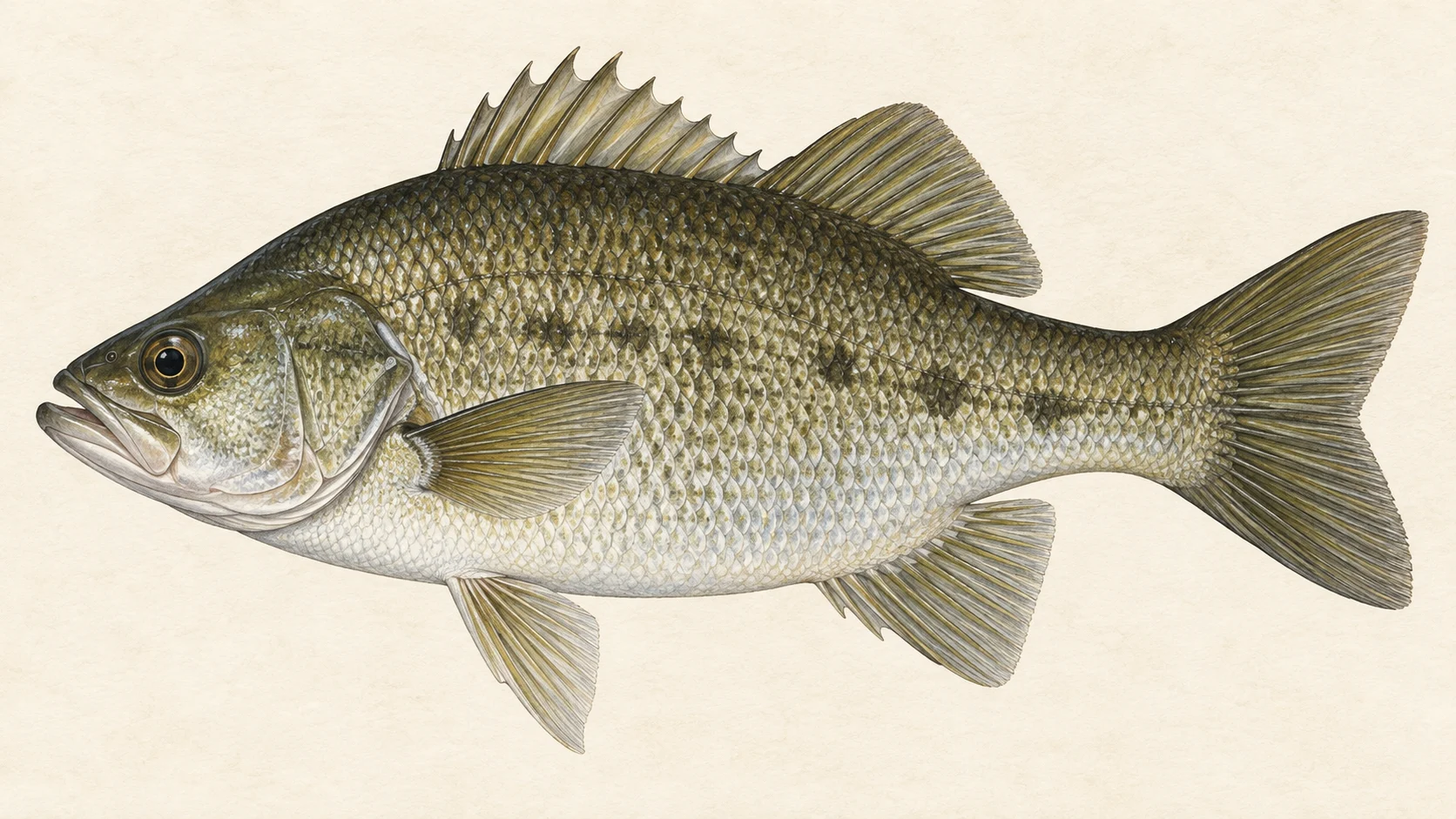
Tallowa Dam is a bass lake. New South Wales stocks it with Australian bass year after year, and if you want a fly on a native fish that lives tight against the bank, it is a good reason to make the drive.
The shape is simple: a dam wall holds back one body of water, and the fishing is on its edges rather than out in the middle. FlyLife's writers call the backed-up water Lake Yarrunga and describe it as steep-sided, with thick growth hanging over the banks and bass holding close underneath. Read the lake that way and it becomes one shoreline to work, not a big open sheet to cover.
The easy trip is from the bank. Start at the access site on the card, walk the edge, and put a small baitfish fly or a popper as close to cover as you dare through the warm months. Fish the shaded stretches first, and move on after a dozen casts if nothing shows, since a bass tucked under the growth usually answers early. No water-specific rule was found, which in practice means you check the current NSW fishing guide for licence, bag and size before you wet a line.
The better trip is by boat or kayak, working the shoreline slowly and casting in against the overhang. FlyLife's writers describe a launch at picnic grounds near Bendeela Power Station; take that as a place to ask about, not a permission, and confirm it with the land manager before you tow anything in. If you only have one day, go warm, go early, and give the steepest, darkest banks most of your time.
Check the NSW guide, pack a floating line and a handful of bass flies, and be on the water before the sun is on it.
Water and habitat
This is a dammed lake, and the persistence chart shows how the wet surface has held over the years. FlyLife's writers describe steep, thickly vegetated banks, and in our experience that kind of shore is what makes a bass lake fish: shade, falling insects, and snags that small fish shelter in. If the banks drop as steeply as described, deep water should be close in, so you can fish the edge and the depth from the same spot.
Fish and forage
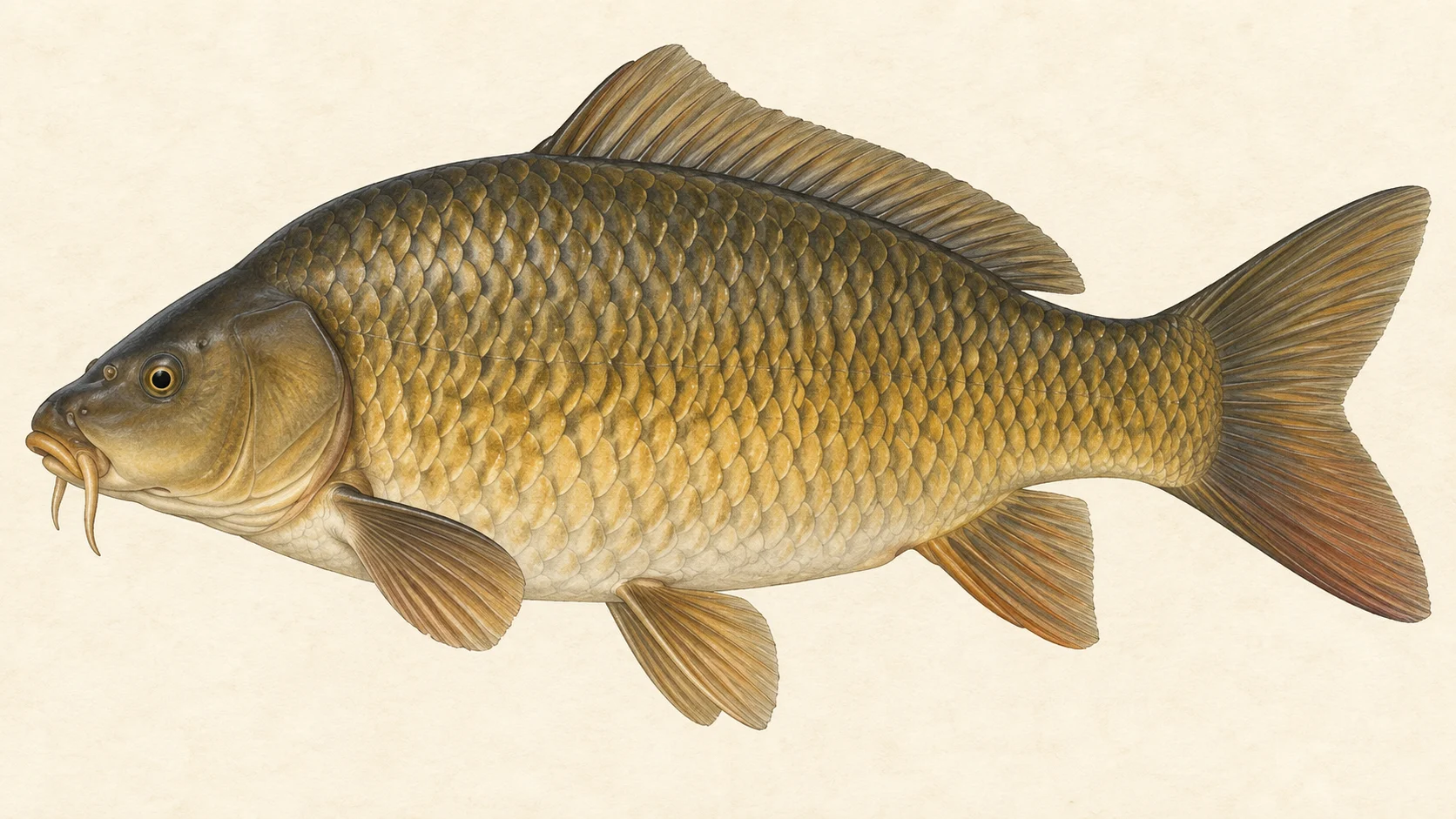
Australian bass are both recorded here and stocked, and the stocking chart shows the releases season by season. With releases in every season the chart covers, a good bet is several year classes in the lake at once, so in our experience expect a run of small fish with better ones mixed through. Freshwater catfish, longfin eels and European carp are recorded too, along with eastern gambusia.
The food is small and silvery or small and brown: Australian smelt and a spread of gudgeons, including Cox's, empire, striped and flathead gudgeons. That points you at flies in sizes 4 to 8, in olive, grey or brown, with a little flash for the smelt.
When to fish it
Bass are a warm-weather fish. In our experience spring is when they start pushing onto the edges, summer is the surface season at dawn and dusk, and autumn keeps them feeding before they go quiet. Winter is slower; if you go then, fish deeper and slower through the middle of the day.
How to fish it
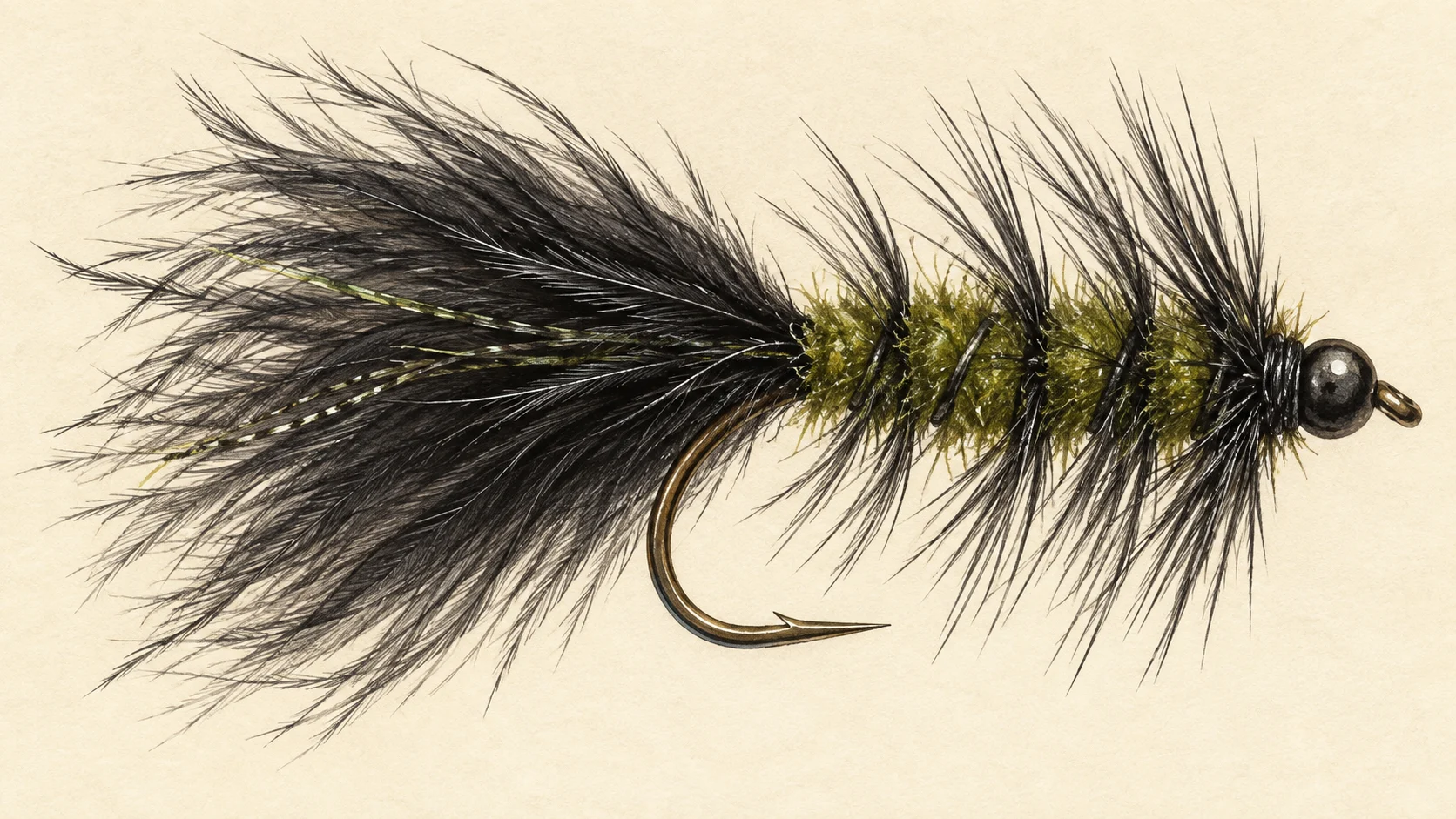
A 6 or 7 weight with a floating line covers most of it; add an intermediate for when the fish sit lower. Cast tight to the overhang and let the fly sit before the first strip, because bass under cover often take on the drop. On the surface, a popper or gurgler fished with long pauses is a good bet at first and last light. Once the sun is up, switch to a weighted baitfish fly or a small dark Woolly Bugger, counted down beside the bank. Use a leader strong enough to turn a fish away from the snags.
Access and safety
The card names the access site. FlyLife's writers describe a boat launch near Bendeela Power Station, but a magazine is not the land manager, so confirm access before you rely on it. As on any steep-banked lake, pick your footing carefully, wear a lifejacket on the water, and keep an eye on the weather, since wind can build fast across open water.
Regulations
No water-specific rule was found for Tallowa Dam. Check the current NSW Department of Primary Industries and Regional Development fishing guide before you fish, for licence, bag and size limits and any closure that applies.