Yellow Bog Creek is a small, timber-choked creek that runs into the Tooma River, and the reason to go is sight fishing for trout in tight pocket water. FlyLife's writers describe fallen timber and live trees through the stream that make presenting a fly awkward, and the same timber cuts the creek into short, deep pockets that hold fish.
Two things shape the creek: a change of character and a road bridge. The upper reaches are flatter, and by FlyLife's account they stay fishable when the rest of the creek does not. Below them the creek becomes overgrown pocket water, and the bridge on Yellow Bog Road splits that water into the stretch you reach from the road and the stretch below it. The lowest section, down toward the Tooma River, is reached by fire trail rather than by road. That gives three trips.
Start from the road. FlyLife's writers describe three main ways in off Yellow Bog Road, a gravel road that leaves Tooma Road and follows the power lines. Go on a settled summer day with the creek low, sneak the banks, and look for rainbow trout sitting in the pockets before you cast. No rule specific to this creek was found, so check the current NSW guide first for whether it is a listed trout water and whether a closed season applies.
The second trip is the water below the road bridge. FlyLife's writers suggest walking back up the road and down a ridge to the creek, and say that approach has become easier than it was. Make it once you have fished the top and know how the pockets look.
The third is the lowest section, which FlyLife's writers describe reaching by a few kilometres of light-duty 4WD fire trail following the Tooma River downstream. Leave it for a dry summer and a vehicle built for it.
Wait for low, clear water, find the way in on the access card, and start with polarised glasses on.
Water and habitat
A small creek running to the Tooma River. The water FlyLife's writers describe is dominated by wood: fallen timber lying through the stream and live trees growing in it. That makes presenting a fly tricky, but it also breaks the flow into short, deeper pockets, and those pockets are where the fish sit.
A good bet is that a pocket like that holds its fish at the head, where the current drops in and carries food, or tucked under the timber at the side where the water slows. The flatter upper reaches are a different kind of water, and they are the part to fall back on if the creek is carrying a little extra water.
Fish and forage
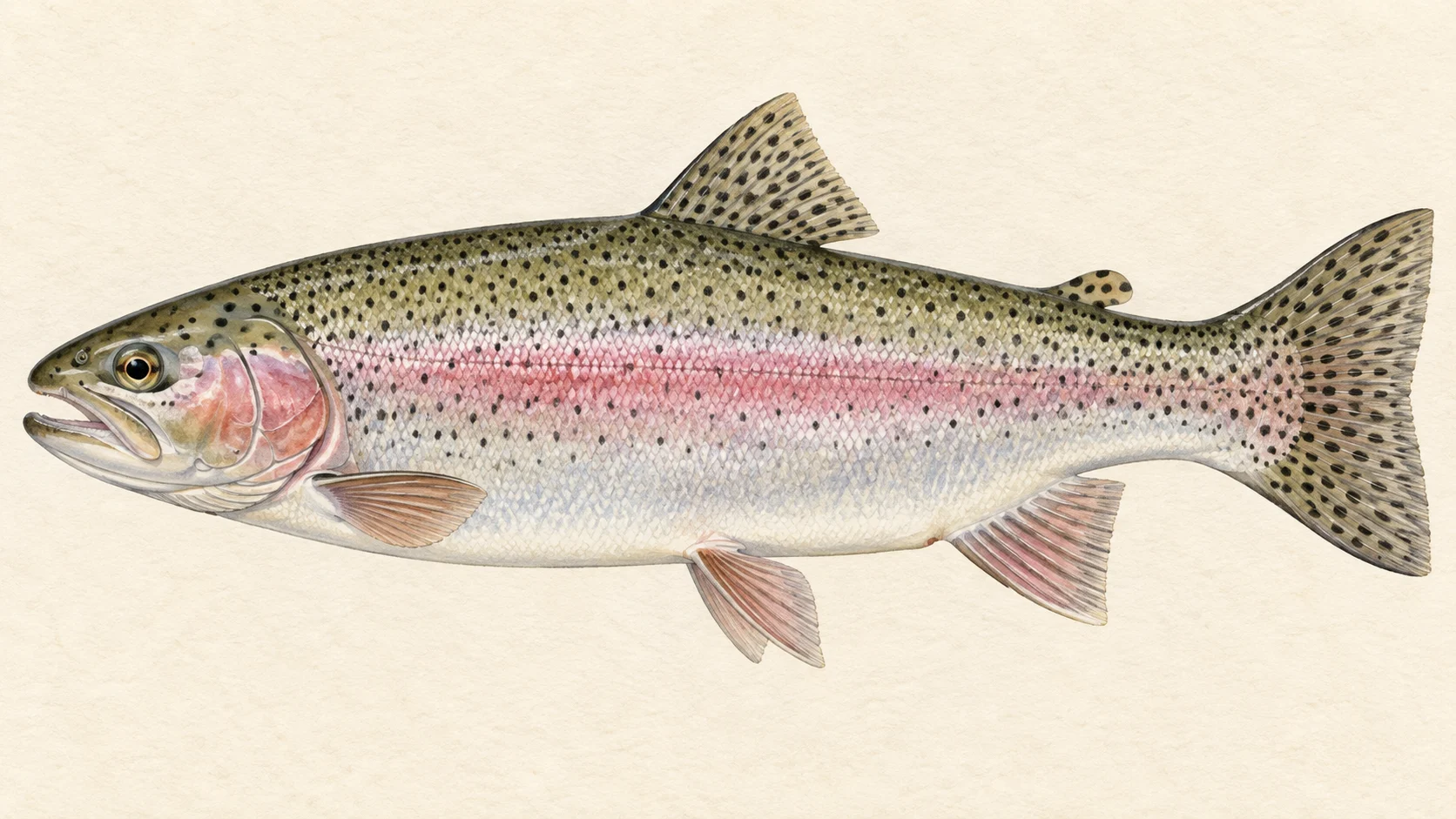
Rainbow trout have been recorded in the creek, and they are the fish to come for. The twospine blackfish, a small native fish, has been recorded here too. If one takes your fly, handle it gently and put it straight back.
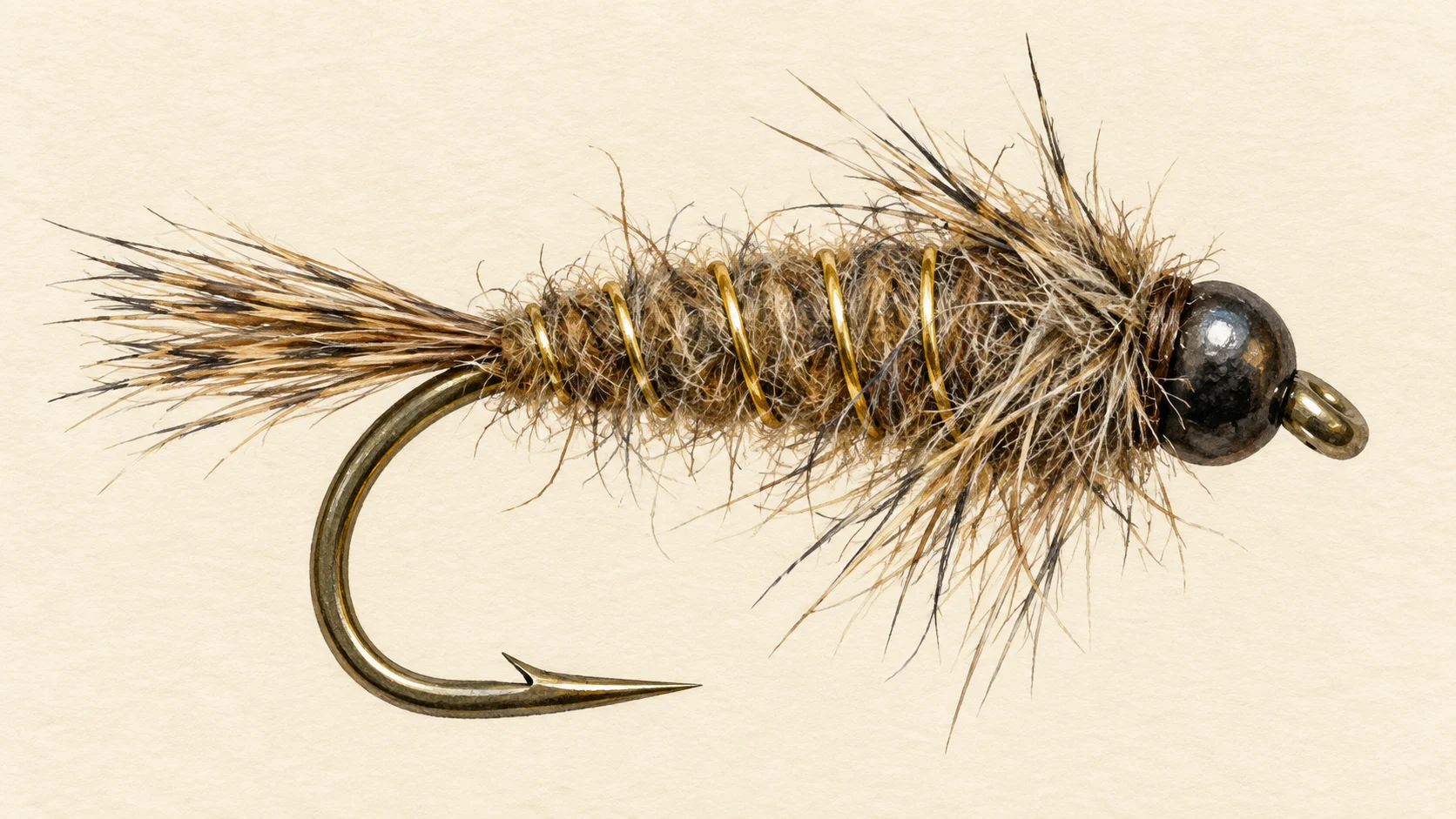
No insect survey was found for the creek, so the fly box is a guide's read. A timbered creek in summer feeds its trout on whatever falls or drifts into the pockets: caddis, small mayflies, and beetles and ants off the overhanging trees. A small Elk Hair Caddis in size 14 or 16 covers fish near the surface. A bead-head Hare's Ear or Pheasant Tail in size 14 or 16 gets down quickly in a short, deep pocket.
When to fish it
FlyLife's writers say the creek is best treated as a fair-weather summer trip, and best avoided in even mildly high water outside the flatter upper reaches. When it rises, the overgrown sections become very hard to get around and much of the good pocket water runs too fast to fish.
Our read: plan for December through March, and pick a settled spell rather than the day after rain. Bright sun helps, because you are fishing for trout you can see. When the season opens, and whether a closed season applies at all, is settled by the current NSW guide.
How to fish it
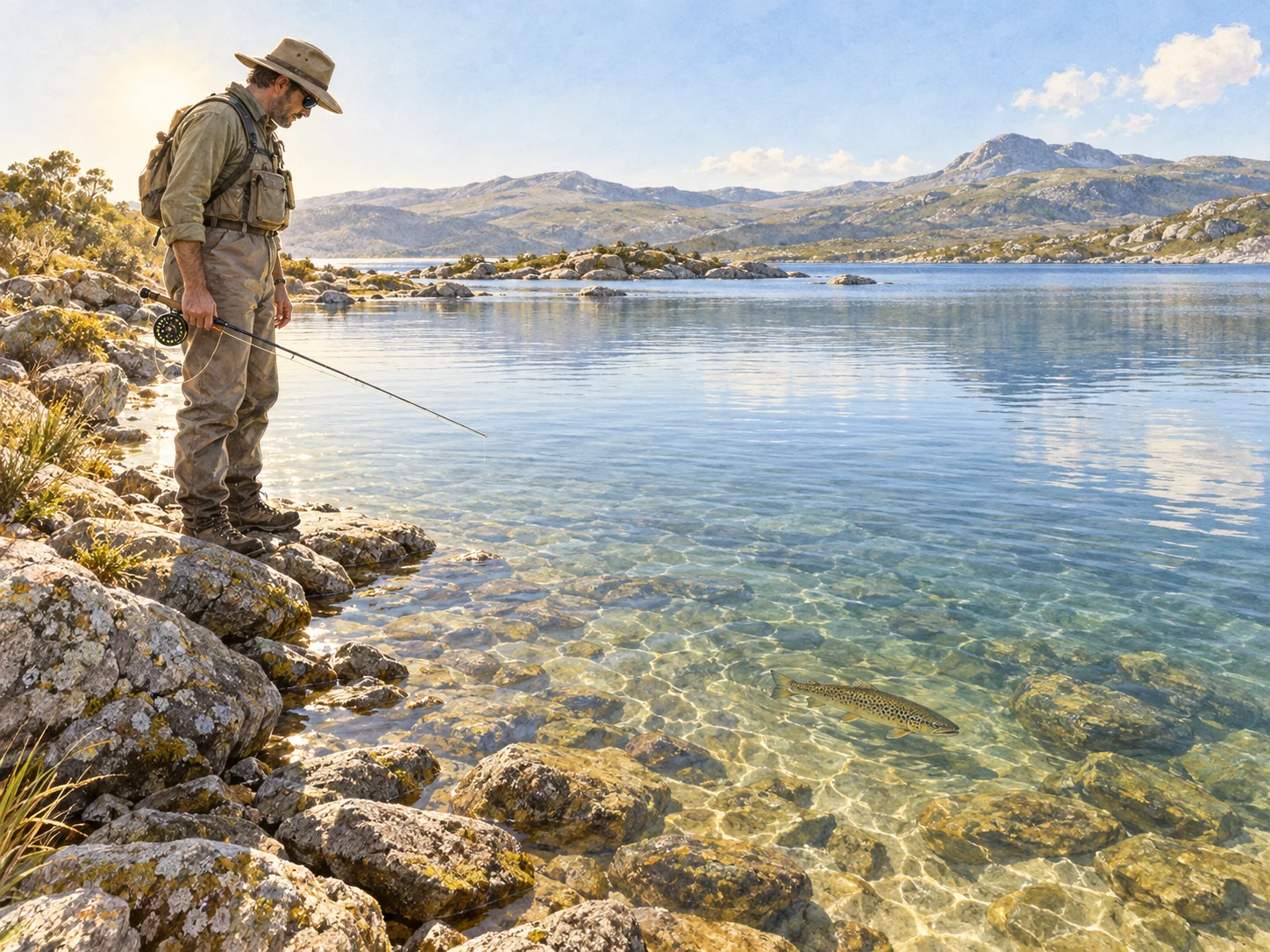
Sight fishing is the way FlyLife's writers approach the creek, and there is plenty of streamside cover to sneak along behind. Move slowly, keep low, and look into each pocket before you put a fly near it. Once you have found a fish, work out how you will reach it past the timber before you cast, because you may get only one clean shot.
A short rod, a two to four weight, with a floating line suits the timber. Keep the leader short enough to control under branches. Most casts are short flicks and roll casts rather than open back casts. If the fish is up and feeding, drop the dry a little ahead of it; if it is holding deep in a pocket, a bead-head nymph pitched into the head of the pocket and left to sink past it is a good bet. Expect to lose a few flies to the wood.
Access and safety
The access card names the mapped sites. Treat them as places to reach the water, not as permission to cross private ground; where a fence or a sign says otherwise, respect it.
FlyLife's writers describe the ways in as three main access points off Yellow Bog Road, a walk back up the road and down a ridge for the water below the bridge, and a light-duty 4WD fire trail along the Tooma River for the lowest section. Fallen timber and overgrowth make moving along the creek slow, and they are harder still in higher water. As on any bush creek, tell someone where you are walking, carry water, and stay out of the creek when it is running high and coloured.
Regulations
No rule specific to Yellow Bog Creek was found. Check the current NSW Department of Primary Industries and Regional Development recreational fishing guide before you fish: whether the creek is listed as a trout water, whether a closed season applies, and the licence, bag and size limits. Take all of those from the guide.