Australia Fly Guide
VIC · Campaspe

Coliban River

Imagery © Esri

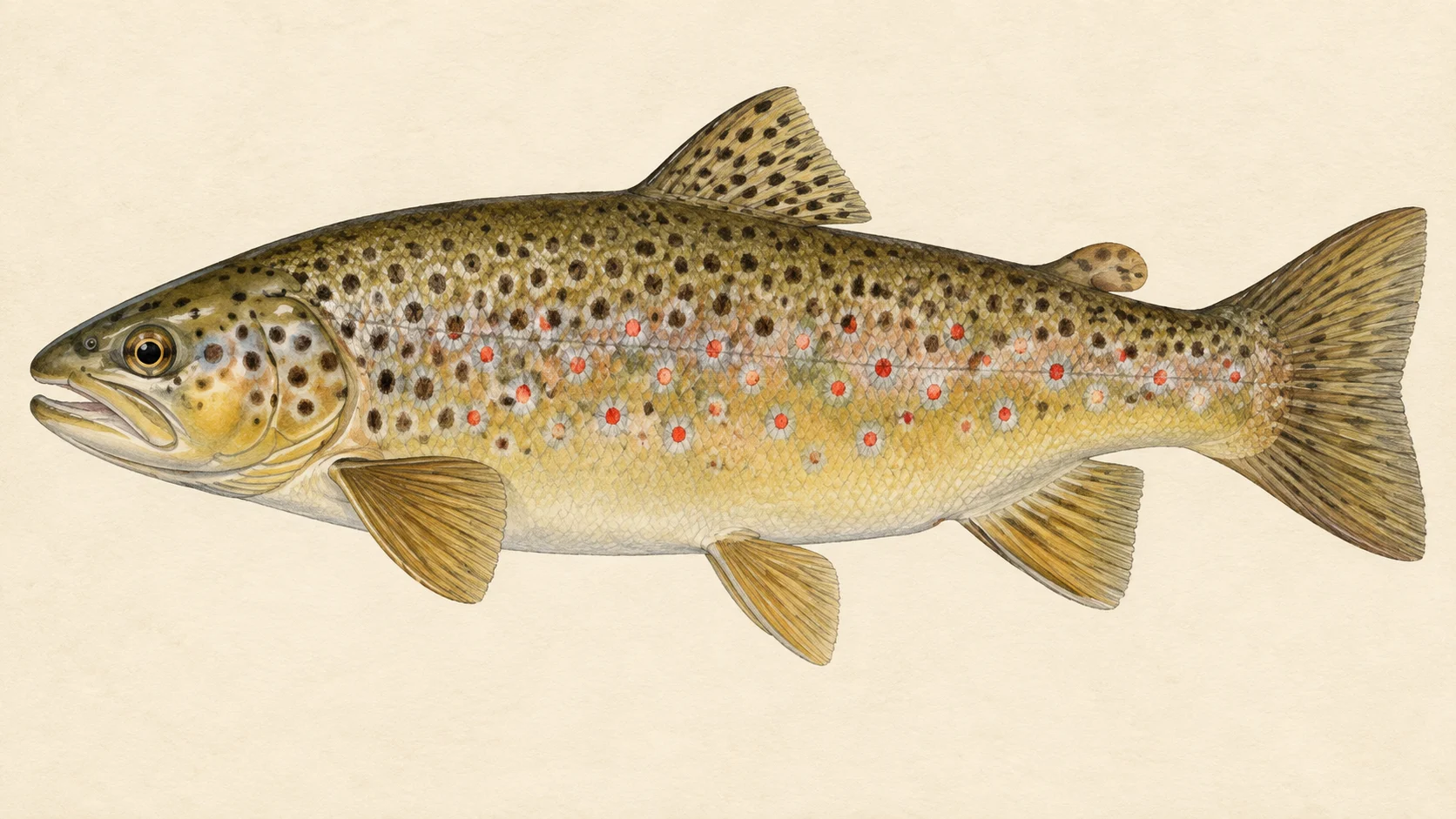
The Coliban is a small river of wild brown trout that will eat a big dry fly, and that is the whole reason to visit.

It runs out of forest into open farmland before it enters Upper Coliban Reservoir. Below Trentham Falls it is a small flowing creek; toward the reservoir it turns slower and flatter.

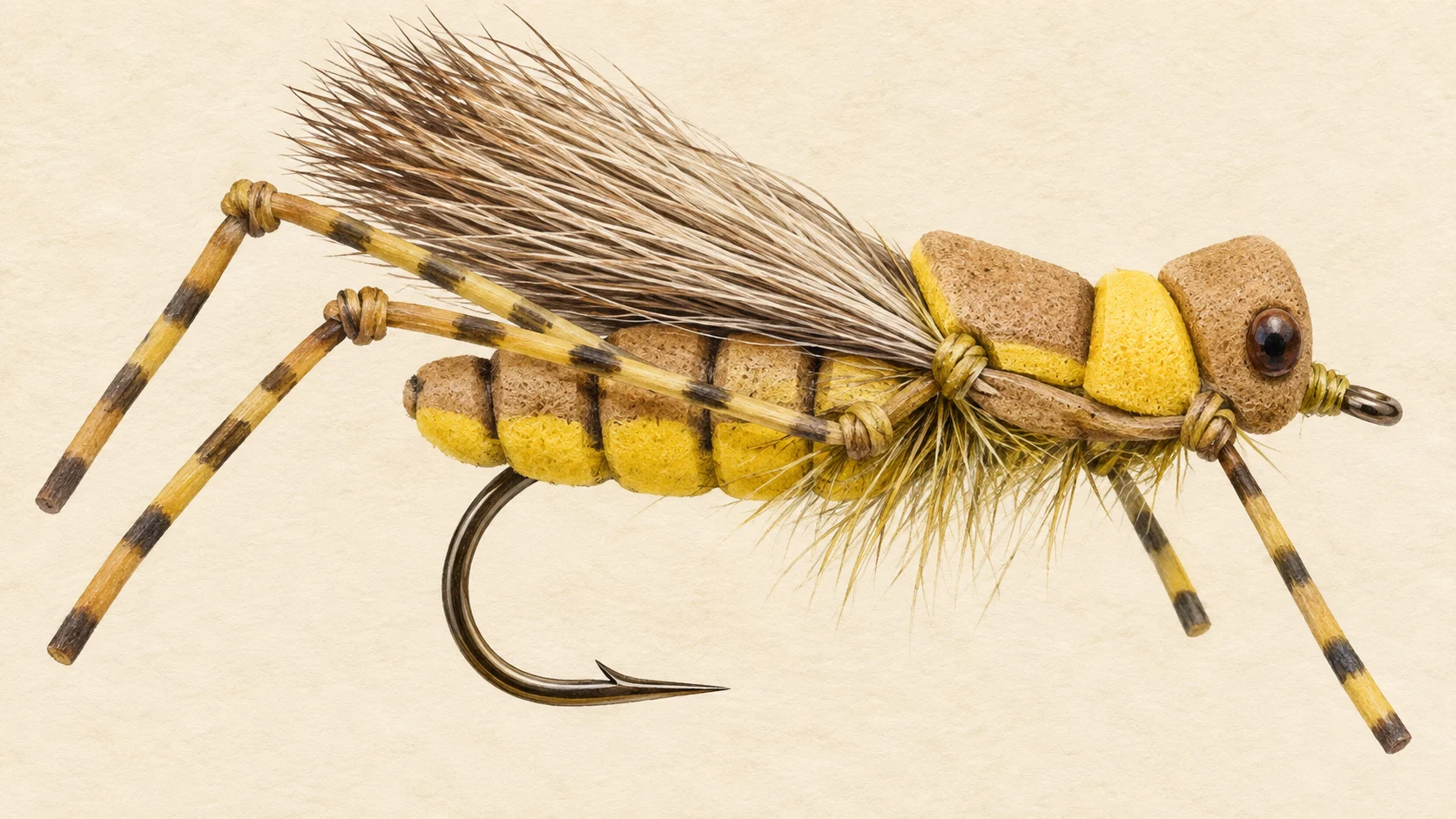
Start at the Springhill Road bridge, a practical public entry, with a Chubby Chernobyl Ant or a grasshopper and fish it from late spring into summer. Where the bank is overgrown, skip ahead to open water rather than fight it.

Check the current Victorian Fisheries Authority guide before you go.

Water and habitat

The Coliban is an intimate little river. It leaves forest for open farmland on its way to Upper Coliban Reservoir, so the character of the river changes along its length. Below Trentham Falls it is more like a small flowing creek, and further down toward the reservoir it becomes slower and flatter.

The bed is a mix of bedrock, gravel, strap weed and fallen timber. That gives trout plenty of places to sit, and it gives you snags to respect.

It can be quite overgrown, which is why anglers often skip short sections to find more open, accessible water. Expect to walk past some of it.

Platypus and rakali live here too, so a quiet approach pays twice.

Fish and forage

Brown trout are the fish to plan for. FlyLife describes a small wild population, and small trout eating big dry flies from late spring into summer is one of the river's listed highlights.

The river also supports small native fish such as flat-headed gudgeon and mountain galaxias. They are not the fish you came for.

For flies, the listed patterns are a Chubby Chernobyl Ant in sizes 10 to 12 and a grasshopper in sizes 10 to 14. Both suit trout that are willing to eat something big off the top.

When to fish it

FlyLife lists late spring into summer as the time for small Coliban trout eating big dries, provided the water is not too low. One angler has also had trout eat a Chernobyl Ant and a grasshopper in September, so a big dry is a fair thing to try then.

Flows matter on this river. The Victorian Environmental Water Holder notes that summer and autumn flows below Malmsbury Reservoir can become critically low and low in oxygen, so a hot spell after a dry stretch is a reason to fish somewhere else or to fish early and gently.

How to fish it

Because of its size, depth and pace, the Coliban lends itself to dry-fly fishing. Fish a Chernobyl Ant or a hopper and expect a willing take: Coliban trout will eat a big dry aggressively, so long as the water is not too low.

In higher flows or deeper holes, put a nymph under the dry.

Access and safety

The Springhill Road bridge is a practical public entry. It describes where you can get to the water; it is not a statement of permission, so read any sign or fence you meet.

As on any bush river, tell someone where you are going and when you will be back, watch your footing on wet bedrock and around fallen timber, and turn back if the water rises.

Regulations

Before you fish, read the current Victorian Fisheries Authority inland angling guide, including its closed-waters list, and take any season, bag and size limits and licence requirements from it.
When things happen

The guide's calendar for this water

When things happen

The year on this water

A year at a glance; check current rules

  • Big dries for willing trout · Nov to Dec FlyLife lists small Coliban trout eating big dry flies from late spring into summer, provided the water is not too low. A Chubby Chernobyl Ant in sizes 10 to 12 is a listed brown trout fly.
  • Grasshopper on the surface · Nov to Dec A Grasshopper in sizes 10 to 14 is listed for Coliban browns, alongside the Chernobyl Ant, in the same late spring into summer window.
  • A September report · Sep One angler has had Coliban trout eat a Chernobyl Ant and a grasshopper in September, so a big dry is a fair thing to try then.

What the record shows

Flows, river gradient, changing water levels, fish surveys and stocking

What the record shows

How well this water has been surveyed

385 capture records, 5 decades of 5 on file

0 50 100 150 200 1970s: 15 capture records 1980s: 19 capture records 1980s: 32 capture records 1980s: 3 capture records 1990s: 5 capture records 1990s: 3 capture records 1990s: 4 capture records 1990s: 6 capture records 1990s: 1 capture record 2000s: 132 capture records 2000s: 10 capture records 2010s: 107 capture records 2010s: 29 capture records 2010s: 1 capture record 2010s: 18 capture records 1970s 1980s 1990s 2000s 2010s
electrofishing (backpack), 244 records electrofishing (other), 3 records fyke netting, 52 records gill netting, 53 records other netting, 1 record trapping, 29 records piscicide (rotenone), 3 records
Capture records by decade — electrofishing, netting, trapping and rotenone surveys only; a sighting, an eDNA water sample or a stocking release is not a capture and is not counted here. A record is not an abundance estimate, and a decade with no bar is a decade with no capture survey on file, not evidence the water was empty.
Source: Atlas of Living Australia.
Source details and licence

Atlas of Living Australia — freshwater fish occurrence records (open licences, with coordinates). Occurrence records from the Atlas of Living Australia and its contributing datasets, including the Victorian Biodiversity Atlas, NSW BioNet Atlas, Sustainable Rivers Audit, Murray-Darling Basin fish monitoring programs, OZCAM museum collections and iNaturalist Australia. Each record carries its own licence and originating dataset. retrieved 2026-08-13.

Conditions

What the gauges say

Coliban River @ Malmsbury Rail Bridge

River flow

No reading shown: No reading has been captured for this gauge yet, so none is shown.

Gauge height

No reading shown: No reading has been captured for this gauge yet, so none is shown.

Coliban River downstream Lauriston Reservoir

River flow

No reading shown: No reading has been captured for this gauge yet, so none is shown.

Gauge height

No reading shown: No reading has been captured for this gauge yet, so none is shown.

Coliban River @ Lyal

River flow

No reading shown: No reading has been captured for this gauge yet, so none is shown.

Gauge height

No reading shown: No reading has been captured for this gauge yet, so none is shown.

Coliban River @ Springhill-tylden Road

River flow

No reading shown: No reading has been captured for this gauge yet, so none is shown.

Gauge height

No reading shown: No reading has been captured for this gauge yet, so none is shown.

Readings from the Bureau of Meteorology's Water Data Online, © Commonwealth of Australia, licensed CC BY 4.0. Nothing here is a forecast. Check the gauge before you rely on it.

Weather

What the sky is doing

Live weather for Coliban River @ Springhill-tylden Road loads here. If it does not, check the Bureau of Meteorology forecast before you go.

Weather data by Open-Meteo.com

Questions anglers ask

What will I catch on the Coliban?

Wild brown trout. FlyLife describes a small population, so treat every fish as a bonus and fish for the ones that will rise to a big dry.

What fly should I start with?

A big dry. A Chubby Chernobyl Ant in sizes 10 to 12 or a grasshopper in sizes 10 to 14 are both listed for brown trout here. In higher flows or deeper holes, hang a nymph under the dry.

Is there a closed season or a bag limit?

Take the season, bag and size limits and licence requirements from the current Victorian Fisheries Authority inland angling guide, and check its closed-waters list before you fish.

Is the bank easy to fish?

Not always. The river can be quite overgrown, so anglers often skip short sections to find more open water.

Behind this page