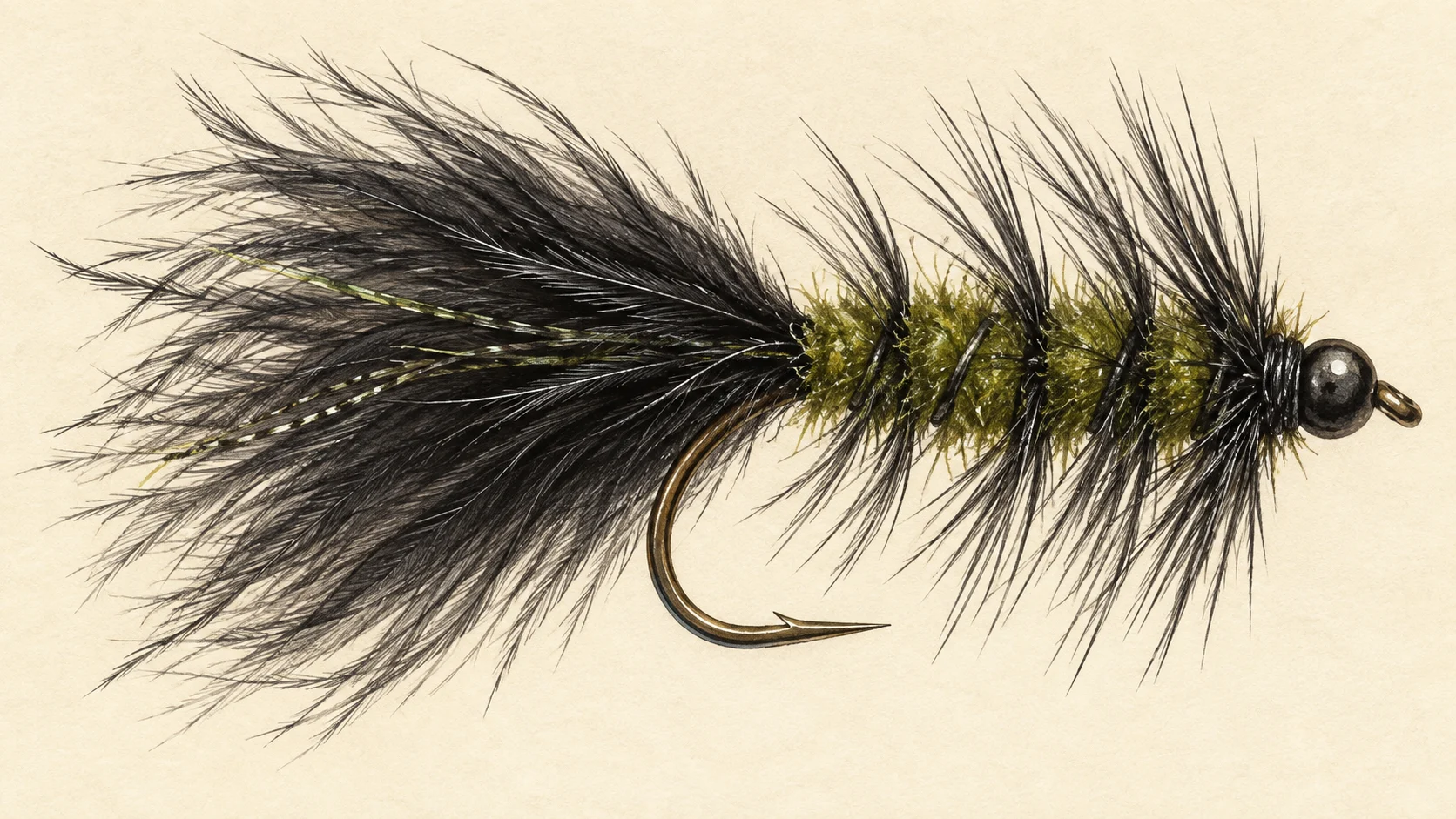
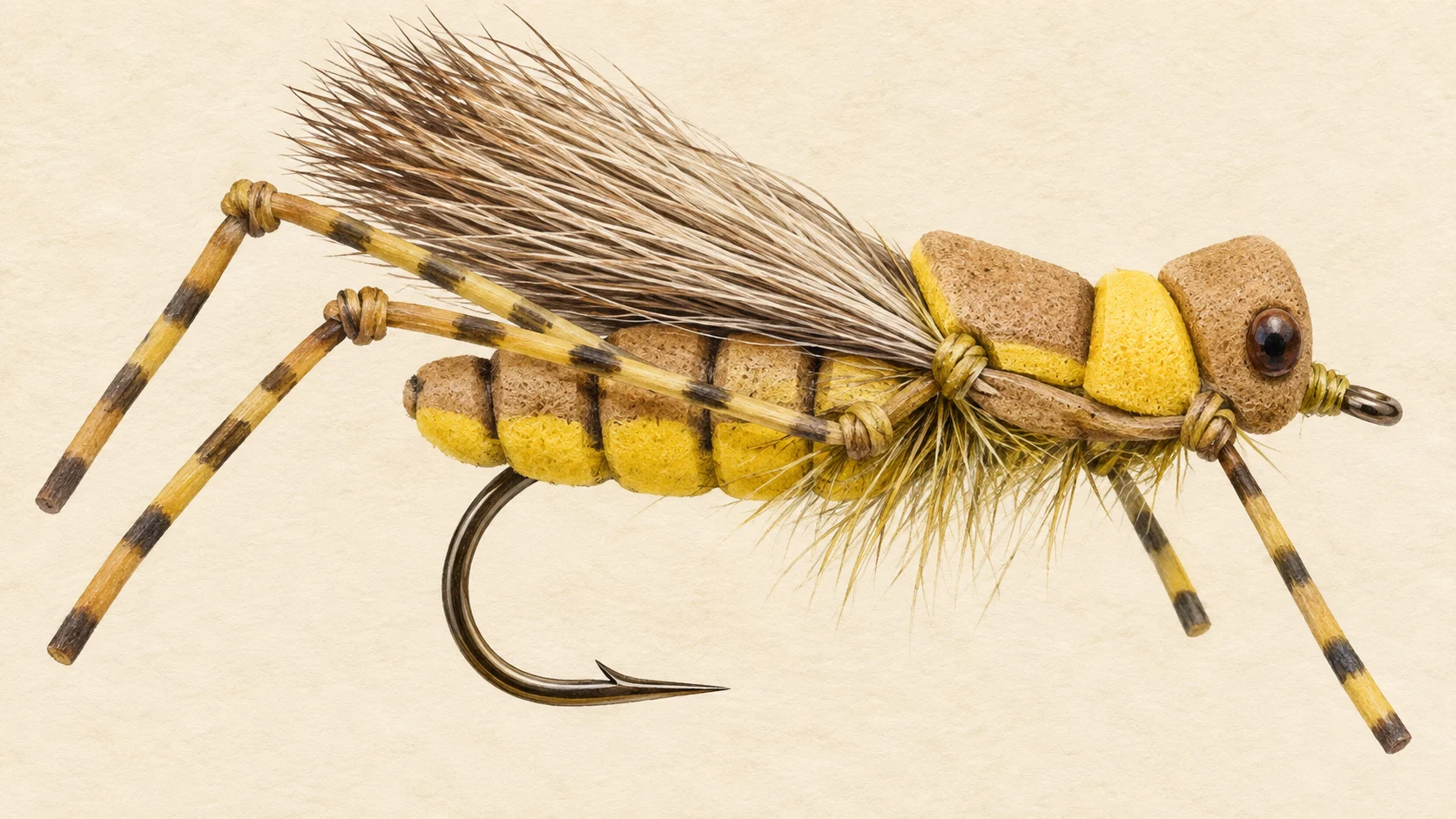
The Fitzroy River is a place to catch western sooty grunter on a fly. They are the fish recorded most firmly in the river, and they are the reason to make the trip: a hard-pulling native that will chase a small fly stripped past cover.
What you will not get is a ready-made map of where to start. No fixed access point is shown, and the one named stretch you will hear about is a gorge known as Danggu or Geikie Gorge. In our experience a northern river like this is best treated as a series of pools, rock bars and snag-lined runs that you find and fish one at a time, and ask locally before you commit to a bank.
That gives you two trips, and the easier one is the grunter.
Go when the river has dropped and cleared, which in our experience is when northern grunter feed hardest, and work the edges of the deeper pools with a small streamer. Rock, timber and the tail of any run are where to throw first. Before you go, read the current WA Department of Primary Industries and Regional Development guide for the rules that apply, and pay particular attention to what it says about the gorge if you plan to fish there or launch a boat.
The second trip is lighter fun: spangled perch and barred grunter on a smaller fly in the shallower water. It suits a slow afternoon, or a day when the sooty grunter will not come up. Catfish and the freshwater whipray have also been recorded in the river, so a fly left sitting on the bottom may turn up a surprise.
Read the WA guide, check the live conditions, and find out locally where you are welcome to walk in before you drive out.
Water and habitat
In our experience on northern rivers like this, sooty grunter hold tight to rock bars, fallen timber and the deeper water under a steep bank, then slide out to feed where current runs past that cover. The quieter shallows at the edges of pools are where spangled perch and the small fish tend to gather.
The survey chart shows how thoroughly the river's fish have been sampled. Glance at it before you read too much into any one species.
Fish and forage
Western sooty grunter are the main fly fish and the ones recorded with most confidence. Barred grunter and spangled perch are the other likely takers on a small fly. Black catfish, blue catfish and Hyrtl's catfish have all been recorded, and so has the freshwater whipray.
The forage is small native fish: western rainbowfish, tank goby and mouth almighty, and bony bream have been reported too. That points your box toward slim baitfish patterns and small dark streamers in size 6 to 10, with a hopper-style surface fly for calm, clear water. In our experience a grunter that has refused a fly twice will often take something smaller and darker.
When to fish it
In our experience northern rivers like this fish best once flows have dropped and the water has cleared, when grunter can see a fly and settle into the pools. Early morning and late afternoon are the times to fish the shallower edges and the surface; in the heat of the day, go deeper and closer to shade. Rivers like this can run high and coloured after heavy rain, so check the live conditions card before you commit to a date and be ready to wait a few days.
How to fish it
A five to seven weight with a floating line covers most of it, with a sinking-tip line for the deeper pools. Keep the leader short and fairly strong, because grunter head straight back into cover when hooked.
Cast tight to the rock or timber, let the fly sink a moment, then strip it back in short, sharp pulls. Takes usually come in the first few strips as the fly leaves cover, so keep the rod low and the line tight. Where you can see fish cruising the edges, drop a small surface fly well ahead of them and leave it still. For spangled perch and barred grunter, go down a size or two and fish the same way in the shallower water.
Access and safety
No fixed access point is shown for the river. Ask locally about where you may walk in, and where a bank is on private or managed land, ask the holder first.
As on any remote northern river, carry more drinking water than you think you need, wear a hat and cover up against the sun, and tell someone where you are going and when you will be back. Ask locally about what lives in the water before you wade, and do not wade or cross when the river is running high after rain.
Regulations
Before you fish, check the current WA Department of Primary Industries and Regional Development recreational fishing guide for the season, bag and size limits for each species and for any area restrictions. If you plan to fish Danggu (Geikie Gorge), or to take a boat anywhere on the river, read what that guide says about the area first.