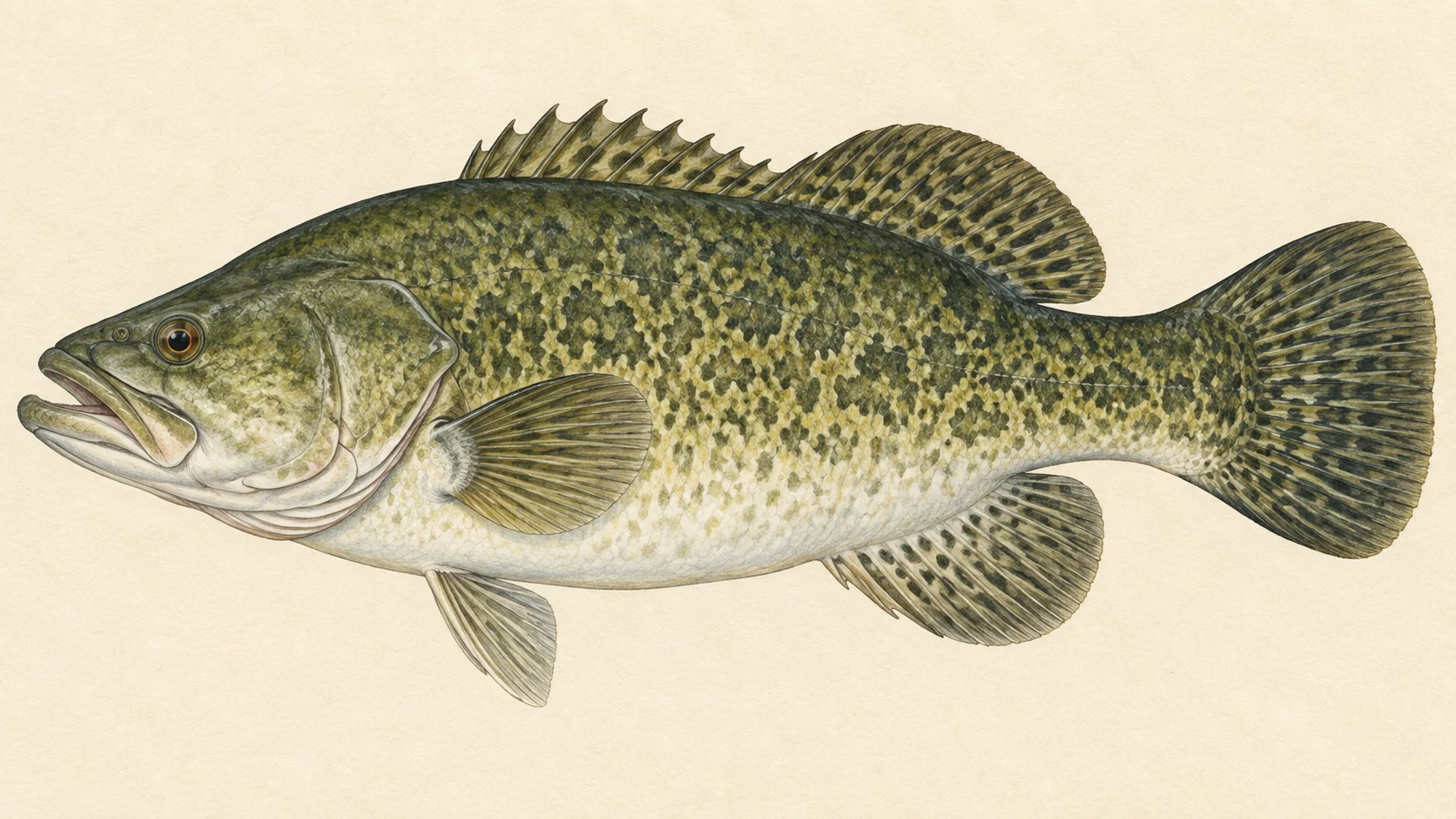
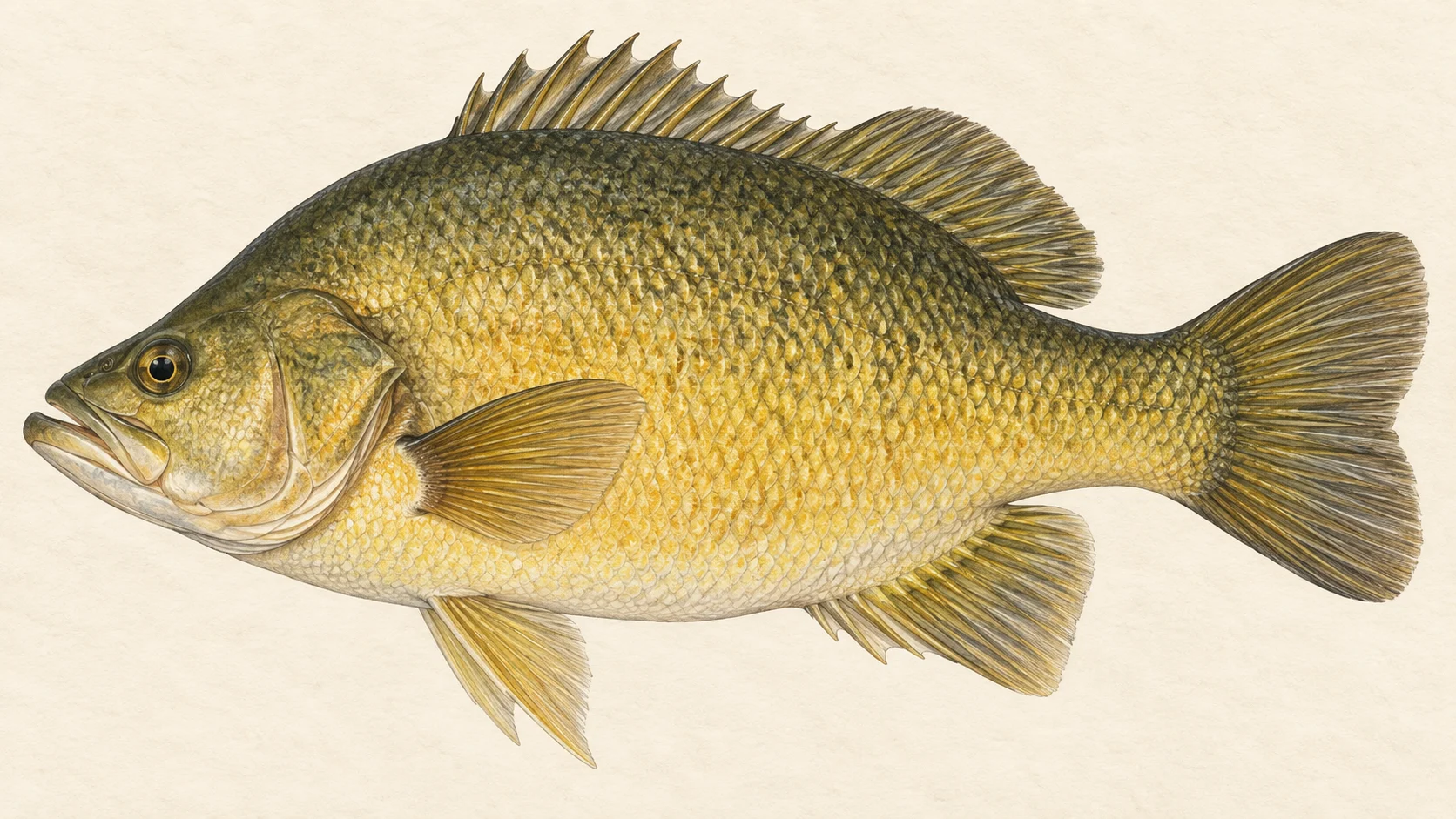
The Barwon is an inland native-fish river, and the reason to drive out to it is Murray cod: a big fly swung past fallen timber in warm water, with golden perch as the steadier catch on the same snags.
It flows into the Darling and sits under both New South Wales and Queensland fishing rules. You reach it at a handful of points on the access card, two of them boat ramps.
The easiest trip is golden perch. Between late spring and early autumn, when in our experience they are most willing, crawl a dark streamer through the snags and along undercut banks.
The second is Murray cod. Work a large streamer or a surface fly slowly past the biggest timber at first and last light.
Choose an access point from the card, and read both states' current guides before you leave home.
Water and habitat
The flow chart shows how often the Barwon runs high or low, and the temperature chart shows how warm it gets through the year. In our experience, on a slow inland river like this, Murray cod hold tight in the heaviest fallen timber and in the deep holes on outside bends, while golden perch spread along snags, undercut banks and the edges of shallower runs as the water warms.
The survey chart shows how thoroughly the river's fish have been sampled, which is worth a glance before you read too much into any one species.
Fish and forage
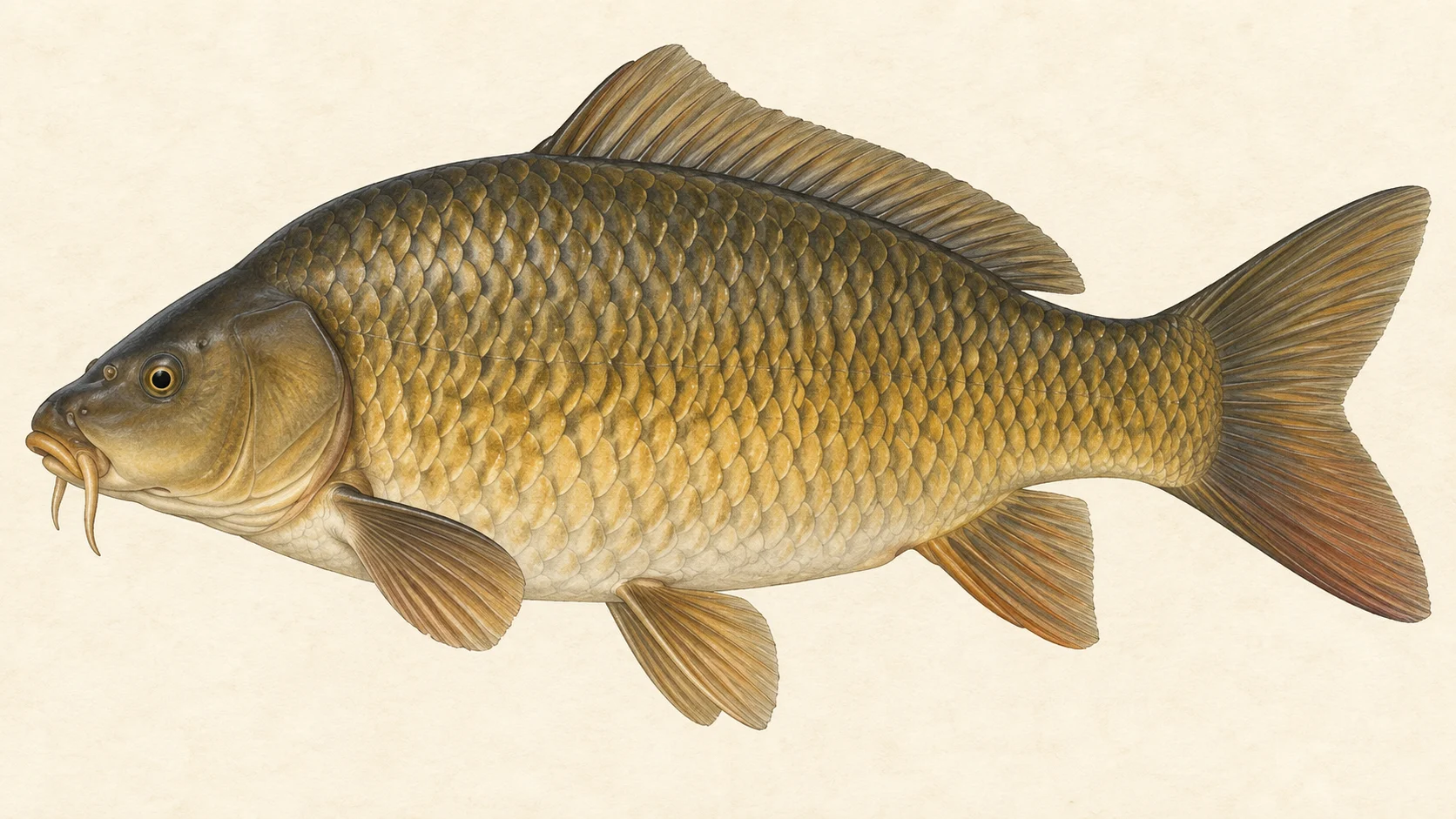
Murray cod and golden perch are the fly fish. Silver perch, freshwater catfish and spangled perch have been recorded too, and European carp and goldfish are present. Eastern gambusia turn up as well.
The small fish are the forage: bony bream, Australian smelt, western carp gudgeons, flyspecked hardyheads, Agassiz's glassfish and Murray River rainbowfish. That points your box two ways. For golden perch, carry small, pale baitfish patterns in size 6 to 10 and a dark Woolly Bugger for a murky day. For cod, go big: a bulky streamer that pushes water, or a noisy surface fly for low light.
When to fish it
In our experience both cod and golden perch come on as the water warms, from late spring through summer and into early autumn. Fish the low light of morning and evening for cod, and the deeper timber through the heat of the day for golden perch. Carp in the shallows are also a warm-weather game. As the water cools, slow everything down, fish deeper and expect fewer fish. A steady, clearing river after a rise is usually a better bet than a flood, so check the flow and temperature charts before you pick a date.
How to fish it
For golden perch, a six to eight weight with a floating line covers most of it, with a sinking-tip for the deeper holes. For cod, step up to an eight to ten weight that can cast a heavy fly and lift a fish off a snag. Either way, use a short, strong leader, because a fish that reaches the timber is usually gone.
Work each snag slowly. Cast past it, let the fly sink, and bring it back in short strips with long pauses so it hangs beside the wood; takes often come on the drop or in the pause. For cod at dusk, a surface fly pulled in slow, steady chugs across the face of a snag is a good bet. If you see carp tailing in clear shallows, switch to a small weighted nymph and a longer, finer leader, and keep your shadow off the water.
Access and safety
The access card lists the ways in, two of them boat ramps. Treat each as a place to reach the water, not as permission to cross private land; where a spot is on farmland, ask the owner first.
As on any inland river, banks can be steep and muddy after a rise, and the level can change after rain far upstream. Check the live conditions before you drive out, carry plenty of water, and tell someone where you are going. If you launch a boat, keep clear of submerged timber you cannot see.
Regulations
No water-specific rule was found for the Barwon. The river falls under both New South Wales and Queensland rules, so before you fish, check the current NSW Department of Primary Industries and Regional Development recreational fishing guide and the current Fisheries Queensland rules for the season, bag and size limits for each species.