Australia Fly Guide
NSW · Billabong-Yanco Creeks

Colombo Creek

Imagery © Esri

info

Before you rely on this page

  • Access here has not been confirmed on the ground — treat every way in as unverified.

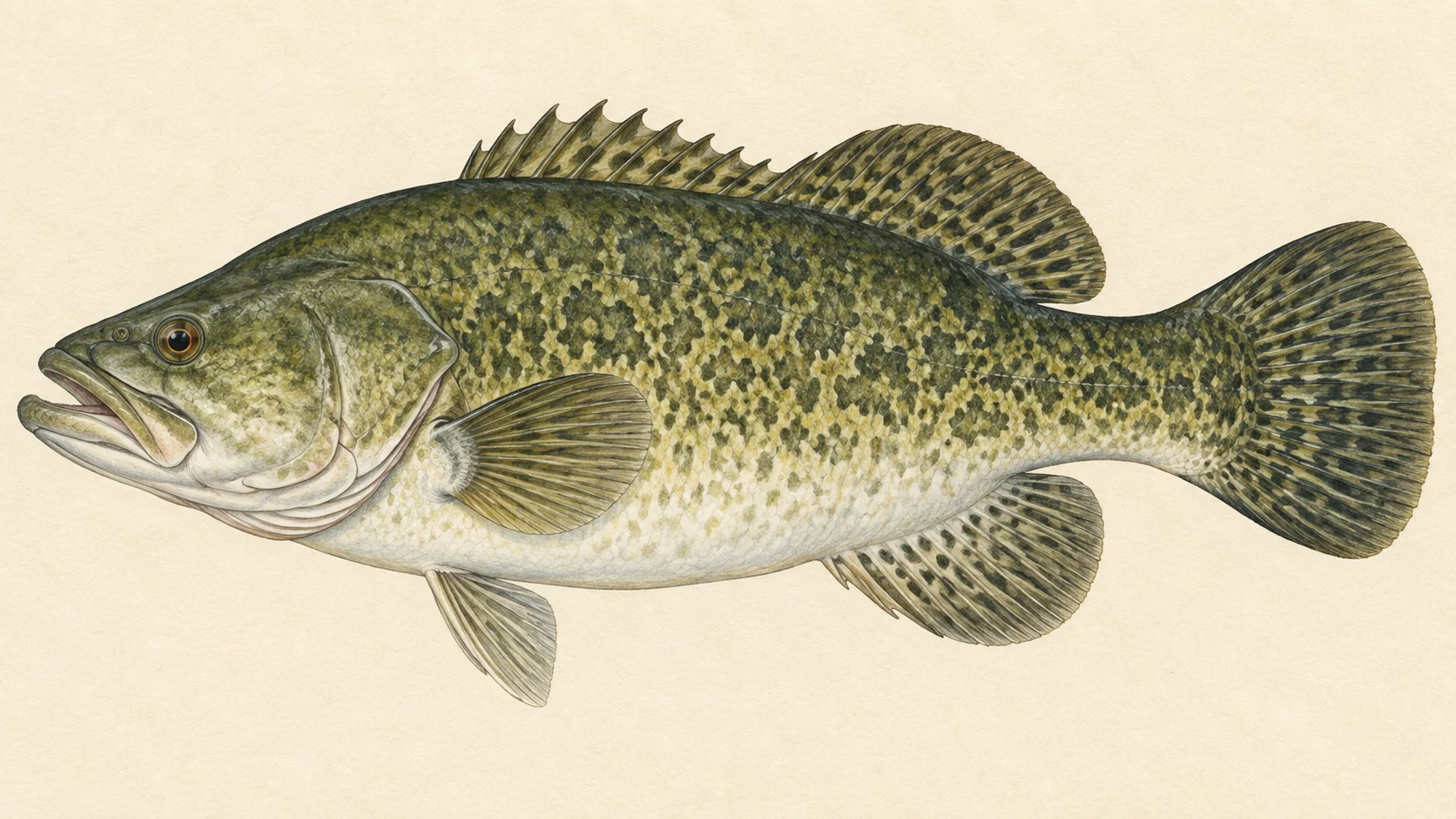
Colombo Creek is a lowland NSW creek that feeds Billabong Creek, and the reason to fish it is the chance of a Murray cod or golden perch on a fly rod.

It is one stream, so treat it as one piece of water and fish the deep, snaggy parts of it.

The trip to make is a warm-weather evening or early morning with a streamer. Pick an access point from the access card, walk the bank and cast to timber and undercut edges. Take any closed season from the current NSW fishing guide before you settle on a date.

Carry a small-fly option for the redfin as well.

Water and habitat

A slow, lowland creek is mostly about structure. In our experience the fish sit tight to fallen timber, undercut banks and the deeper bends, and leave the shallow, open runs alone. Murray cod and golden perch both like a place to hide with current close enough to bring food to them. Water clarity and colour change quickly after rain, so what you can fish on one visit may look nothing like the next.

Fish and forage

Murray cod, golden perch, freshwater catfish and redfin are the fish worth targeting. Murray cod are the prize. Small native fish such as Australian smelt, rainbowfish, hardyhead and gudgeons are recorded too, and they are the forage that makes a small baitfish-style streamer a good bet. European carp, goldfish, eastern gambusia and oriental weatherloach are also recorded; they are pests and not a fly-fishing target.

When to fish it

Settle the rules first: take any closed season from the current NSW fishing guide. Within what it allows, warm water is the best bet for cod and golden perch, from spring through to early autumn, and the low-light hours at each end of the day are usually the best of it. In cold water fish are slower and less willing to chase, so slow a streamer right down or leave it for another month. After heavy rain, give the creek a day or two to settle.

How to fish it

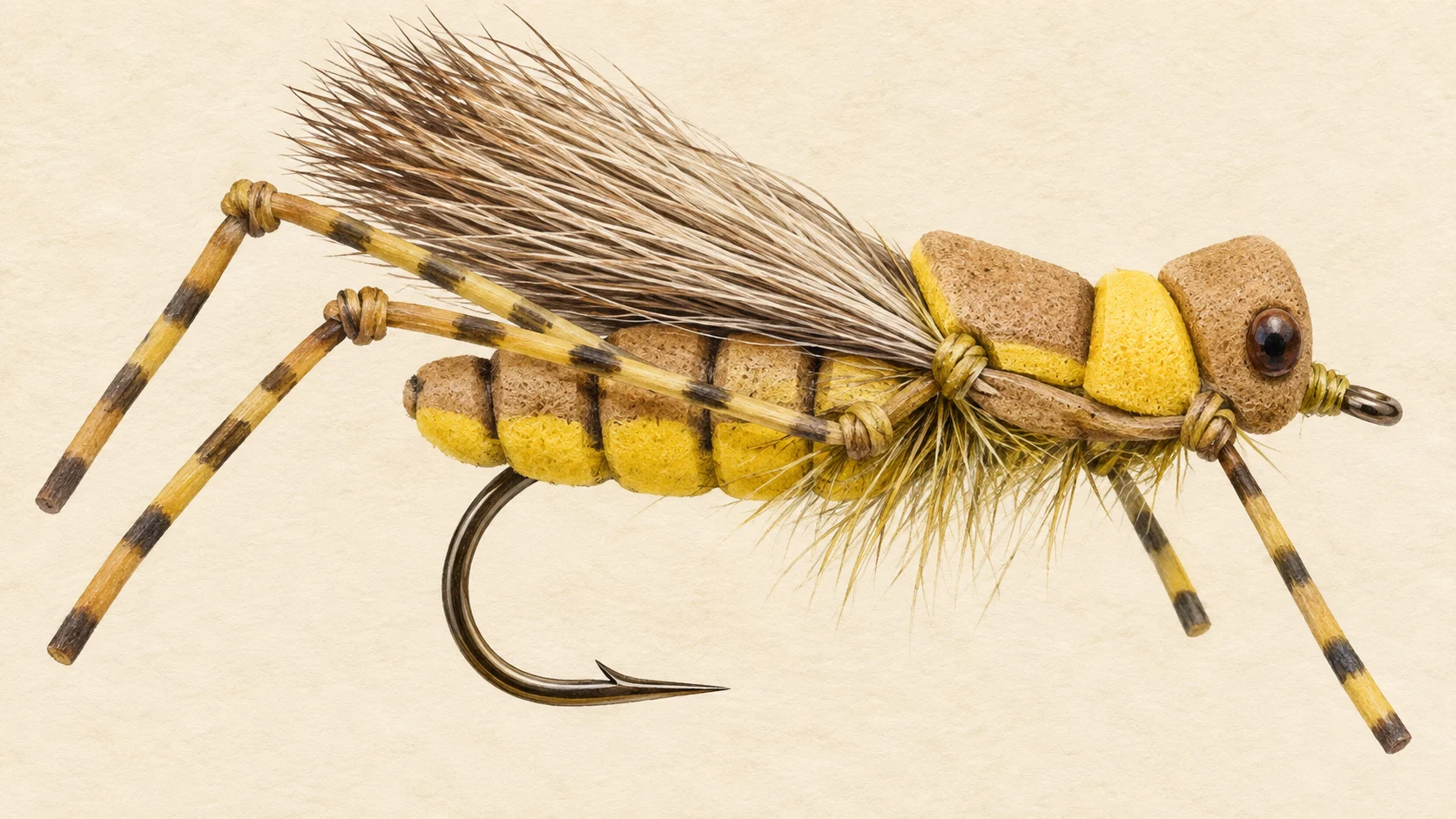
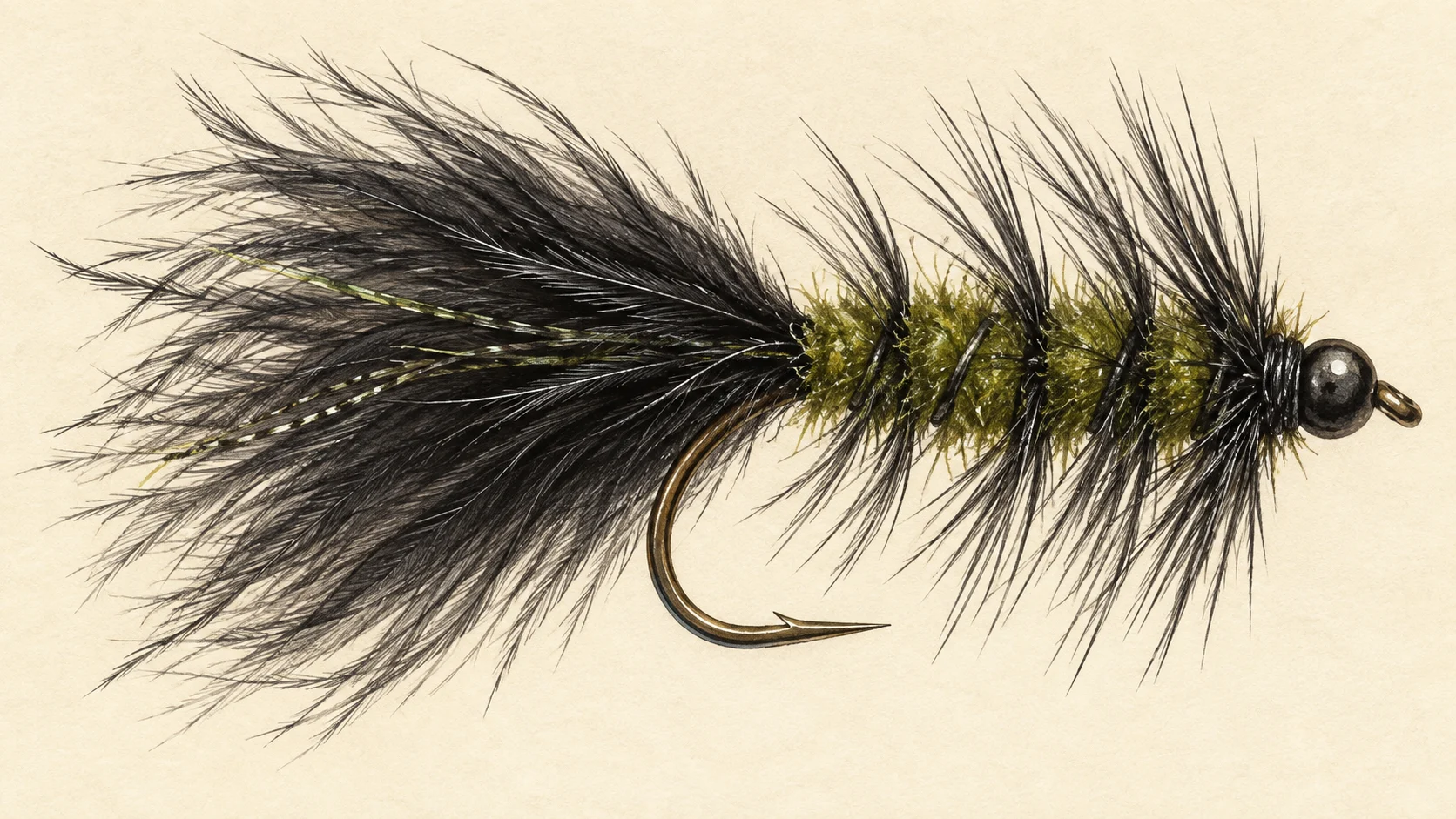
Use a 7 or 8 weight, a sinking or intermediate line and a short, strong leader; cod and snags punish light tippets. Cast a Woolly Bugger or a similar weighted streamer tight to timber, let it sink, then strip it with pauses and hold on. Fish each snag from a few angles before moving. In summer, a hopper landed against a grassy bank can bring a surface take, and it is worth a few casts on the way between snags. Handle any cod and golden perch you are going to release quickly and wetly.

Access and safety

The access card names the access points. Treat them as locations, not a statement of permission, and respect any fence or sign you meet on the ground.

As on any bush creek, tell someone where you are going and when you expect to be back, carry water, and watch your footing on soft, undercut banks. Avoid wading into water you cannot see the bottom of, and keep an eye on the sky when rain is about.

Regulations

No water-specific rule was found. Before you fish, read the current NSW Department of Primary Industries and Regional Development fishing guide, check its closed-waters information and native-fish rules for Murray cod and golden perch, and take any season, bag and size limits and licence requirements from it.
25 named access sites

These authority-listed points are separate from the mapped track intersections above. Some were inspected and some are public boat-ramp records; each row says which. A listing does not grant permission across private land, so check closures, signs and gates when you arrive.

Sources: NSW Department of Primary Industries and Regional Development.

When things happen

The guide's calendar for this water

When things happen

The year on this water

A year at a glance; check current rules

  • Streamers along snags and undercut banks · Oct to Apr A guide's read, not a record. A size 4 to 2 Woolly Bugger stripped slowly past timber is a sensible first fly for cod and golden perch in warm water. Take any closed season for native fish from the current NSW fishing guide before you plan a trip.
  • Hoppers where grass meets the water · Dec to Mar In our experience a big foam hopper dropped tight to a grassy bank in summer is worth a few casts on a lowland creek. Let it sit before you move it.

What the record shows

Flows, river gradient, changing water levels, fish surveys and stocking

What the record shows

The river's year

Daily flow at Colombo Creek at Morundah, every year 1978 to 2026

1 2 5 10 typical range high-flow mark 5° 10° 15° 20° 25° Jan Feb Mar Apr May Jun Jul Aug Sep Oct Nov Dec m³/s
48 years of the gauge, week by week. The dark band is the middle half of all years, the pale band nine years in ten, the line the median. The shaded strip is the typical range: the band the river sits in about half of all days. In a typical year the river sits in it from late March through the turn of the year to early March, and runs higher than that from mid March to mid March. Whether a given day is one to wade is a call made at the bank, not a reading off this chart. Median flow peaks in mid March and bottoms out in mid June. The orange line is median water temperature, from about 9° in the coldest weeks to 27° in the warmest.
Source: Bureau of Meteorology.
Source details and licence

Bureau of Meteorology — Water Data Online series catalogue (Snowy/Monaro stations). Bureau of Meteorology, © Commonwealth of Australia. Licensed from the Commonwealth of Australia under a Creative Commons Attribution 4.0 International licence. retrieved 2026-08-12.

How often it runs this high

17,384 days at Colombo Creek at Morundah, 1978 to 2026

1 2 5 10 20 typical range 2.007 to 4.893 m³/s high-flow mark 6.441 m³/s 0% of days 25% of days 50% of days 75% of days 100% of days m³/s
Read it left to right: the river runs above the flow on the left edge almost never, and above the flow on the right edge almost always. Half of all days sit below 4 m³/s. The shaded band is the typical range, where it sits about half the time; it runs higher than that one day in three and above the high-flow mark about one day in seven. These are frequency bands drawn from the record, not a measured limit — judge the water when you get there.
Source: Bureau of Meteorology.
Source details and licence

Bureau of Meteorology — Water Data Online series catalogue (Snowy/Monaro stations). Bureau of Meteorology, © Commonwealth of Australia. Licensed from the Commonwealth of Australia under a Creative Commons Attribution 4.0 International licence. retrieved 2026-08-12.

How well this water has been surveyed

11 capture records, 3 decades of 3 on file

0 2 4 6 8 1990s: 2 capture records 2000s: 8 capture records 2010s: 1 capture record 1990s 2000s 2010s
electrofishing (boat), 8 records electrofishing (other), 2 records trapping, 1 record
Capture records by decade — electrofishing, netting, trapping and rotenone surveys only; a sighting, an eDNA water sample or a stocking release is not a capture and is not counted here. A record is not an abundance estimate, and a decade with no bar is a decade with no capture survey on file, not evidence the water was empty.
Source: Atlas of Living Australia.
Source details and licence

Atlas of Living Australia — freshwater fish occurrence records (open licences, with coordinates). Occurrence records from the Atlas of Living Australia and its contributing datasets, including the Victorian Biodiversity Atlas, NSW BioNet Atlas, Sustainable Rivers Audit, Murray-Darling Basin fish monitoring programs, OZCAM museum collections and iNaturalist Australia. Each record carries its own licence and originating dataset. retrieved 2026-08-13.

Conditions

What the gauges say

Colombo Creek at Morundah

River flow

No reading shown: No reading has been captured for this gauge yet, so none is shown.

Gauge height

No reading shown: No reading has been captured for this gauge yet, so none is shown.

Water temperature

No reading shown: No reading has been captured for this gauge yet, so none is shown.

Colombo Creek at Coonong Weir

River flow

No reading shown: No reading has been captured for this gauge yet, so none is shown.

Gauge height

No reading shown: No reading has been captured for this gauge yet, so none is shown.

Readings from the Bureau of Meteorology's Water Data Online, © Commonwealth of Australia, licensed CC BY 4.0. Nothing here is a forecast. Check the gauge before you rely on it.

Weather

What the sky is doing

Live weather for Colombo Creek at Morundah loads here. If it does not, check the Bureau of Meteorology forecast before you go.

Weather data by Open-Meteo.com

Questions anglers ask

What will I catch?

Murray cod, golden perch and freshwater catfish have all been recorded here, along with redfin and the pest species European carp and goldfish. Cod and golden perch are the ones to plan around with a fly rod.

Is there a closed season?

No water-specific rule was found. Check the current NSW Department of Primary Industries and Regional Development fishing guide, including its native-fish and closed-waters information, before you fish.

Where do I start?

Choose one of the access points on the access card and look at the water from there. Treat those points as locations only, and read the signs and fences on the ground.

What rod should I bring?

A 7 or 8 weight with a sinking or intermediate line and a short, heavy leader. Streamers and weighted flies matter more than delicacy on this kind of water.

Behind this page