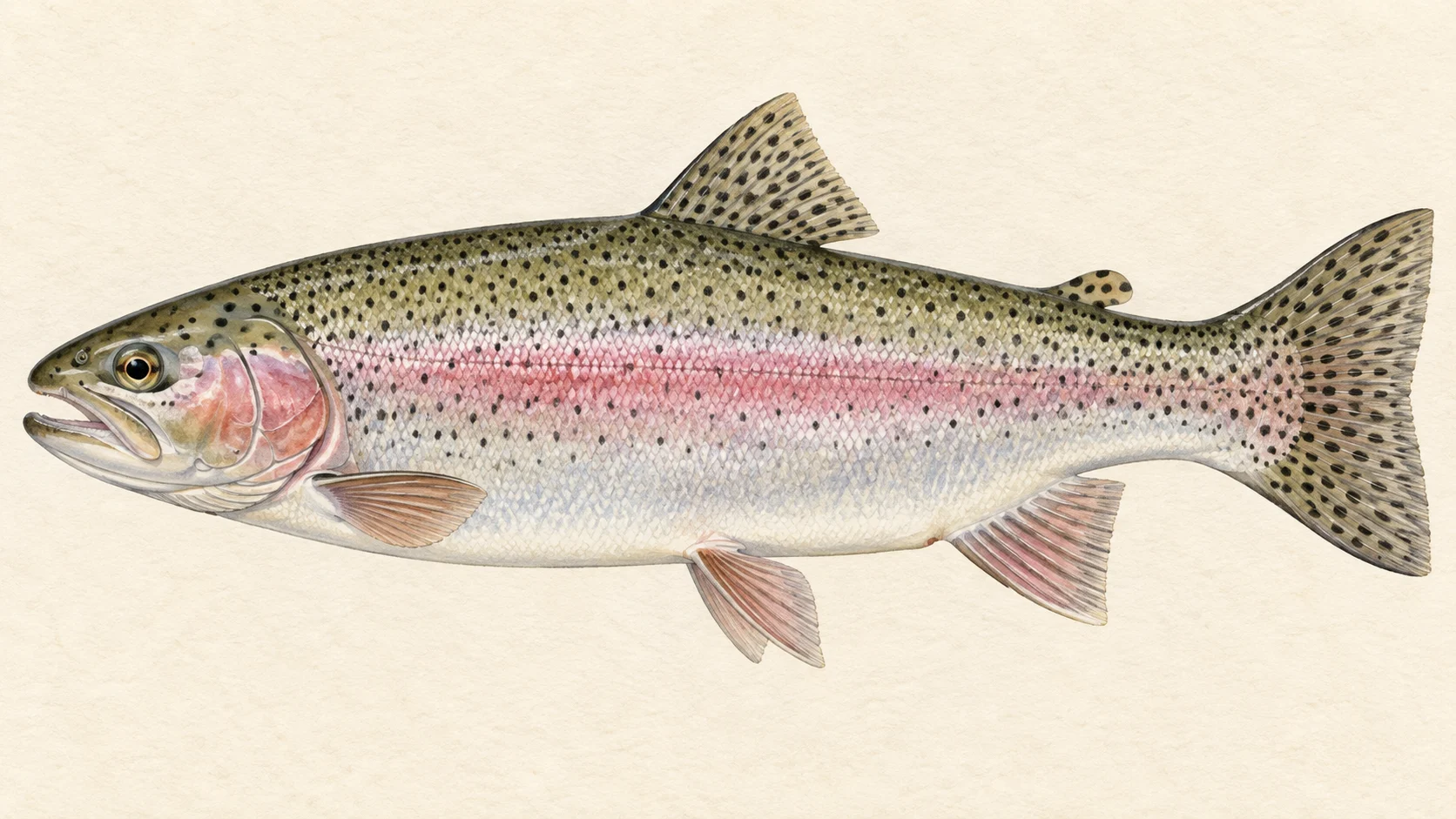
Geehi Reservoir is a rainbow trout storage, and the reason to make the trip is that New South Wales stocks rainbows into it. The stocking chart shows fish going in across several recent seasons, so a rainbow is the fish you should expect on the end of your line. Its nearest town is Khancoban.
Think of it as two waters. There is the storage itself, the water held back behind the dam wall and out along whatever arms it fills. Then there are the streams that feed it, which you should look up on their own in the current NSW freshwater guide.
The first trip, and the easy one, is the storage from the bank for stocked rainbows. NSW lists it as a general trout dam that is open to trout fishing all year round, which in practice means you can go in the depth of winter as readily as in spring. The bag and size limits and gear rules sit in the current NSW freshwater guide, so read that before you leave. Start at the access site on the card, be there for the cool end of the day, and work along the margin with a slow fly.
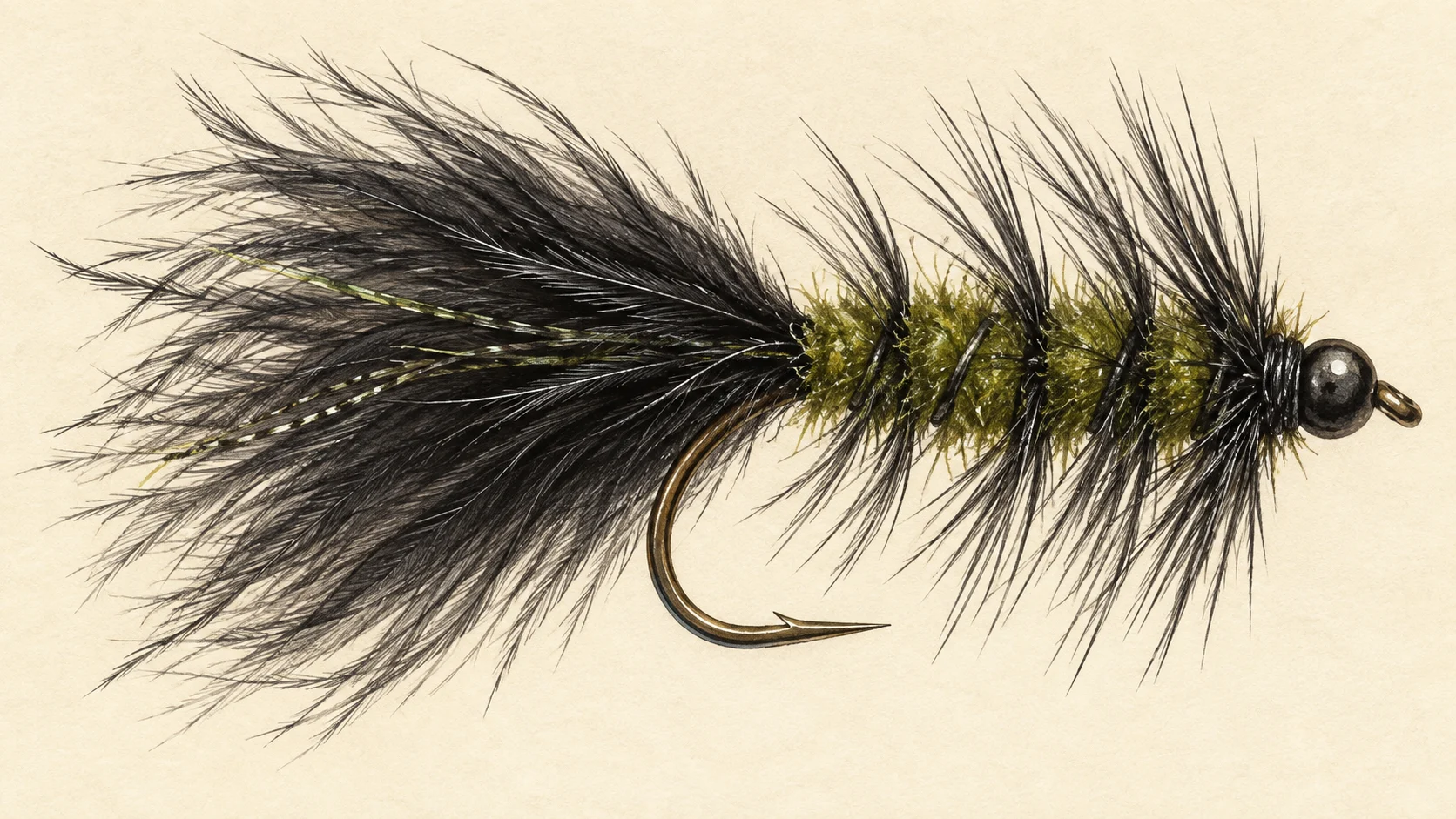
Through winter we would crawl a lightly weighted Woolly Bugger along the edge in the middle of the day, when the water has had some sun on it. From spring into autumn, switch to a small nymph fished slowly, or a hopper on a warm, breezy afternoon if grass insects are about.
The feeder streams are the second trip, and not one to plan on a guess. Check each one in the current NSW guide before you fish it. We would not make the drive for the creeks alone.
Check the NSW freshwater guide, pick a still, cool morning, and begin at the access site on the card.
Water and habitat
Geehi Reservoir is water held behind a dam. The water-surface chart shows how consistently the storage has held water over the years, and like any storage its level moves, so the bank you fish this season may sit well above or below the waterline on your next visit.
Our read on rainbows in a storage like this: they spend much of their time cruising the margins, along points and over the lip where shallows drop into deeper water, and they follow wind lanes where food gathers. Wherever a stream comes in, the moving water and whatever it washes down deserve a long look. On a bright, flat day expect the fish deeper and further out. Cloud, a chop on the water and low light bring them within reach of a cast from the bank.
Fish and forage
Rainbow trout are the fish here, and they are stocked. The stocking chart shows releases in some seasons and gaps in others. Our read is that the fishing rests on hatchery fish being topped up, and that the numbers in the water will vary from year to year.
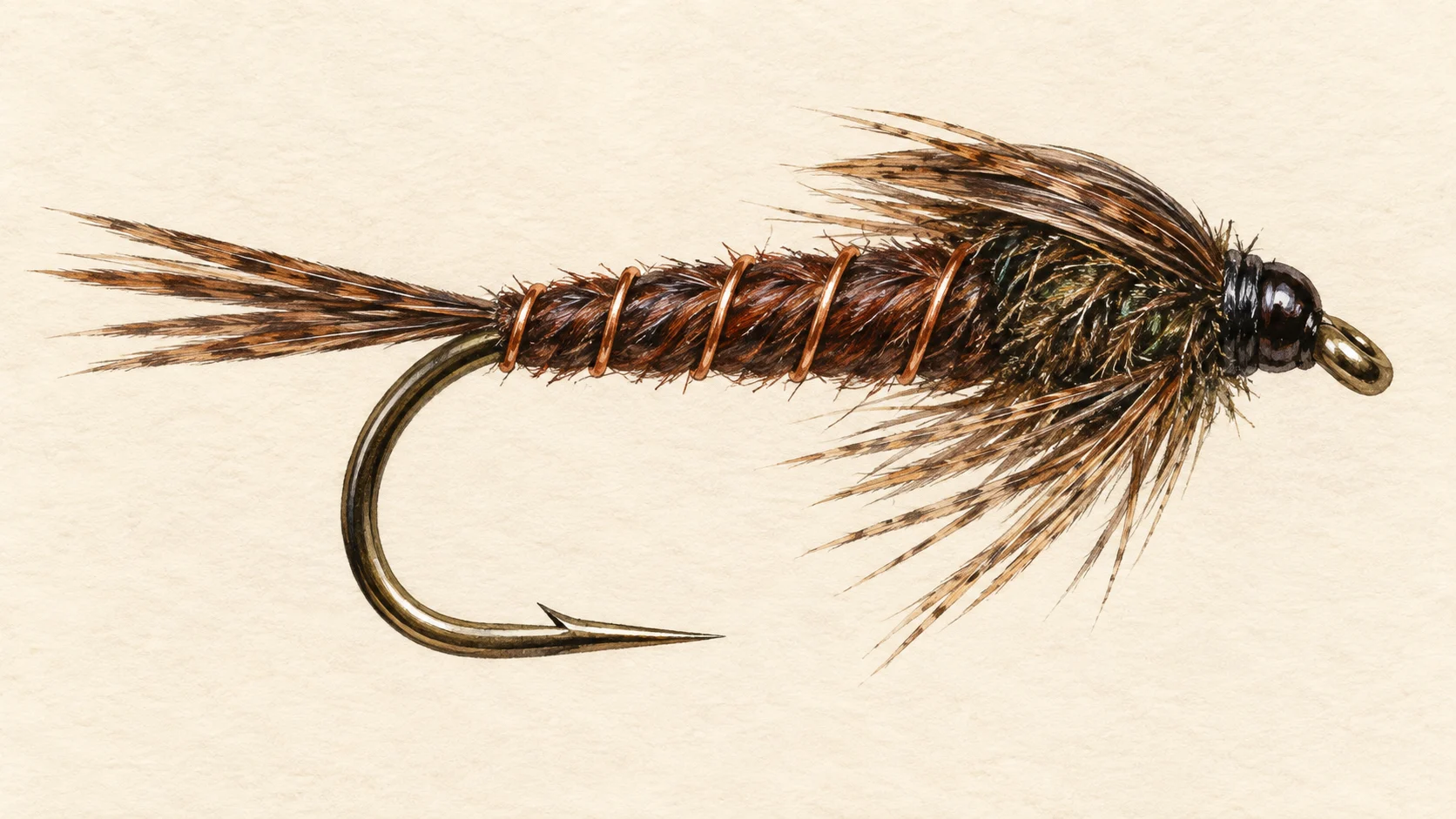
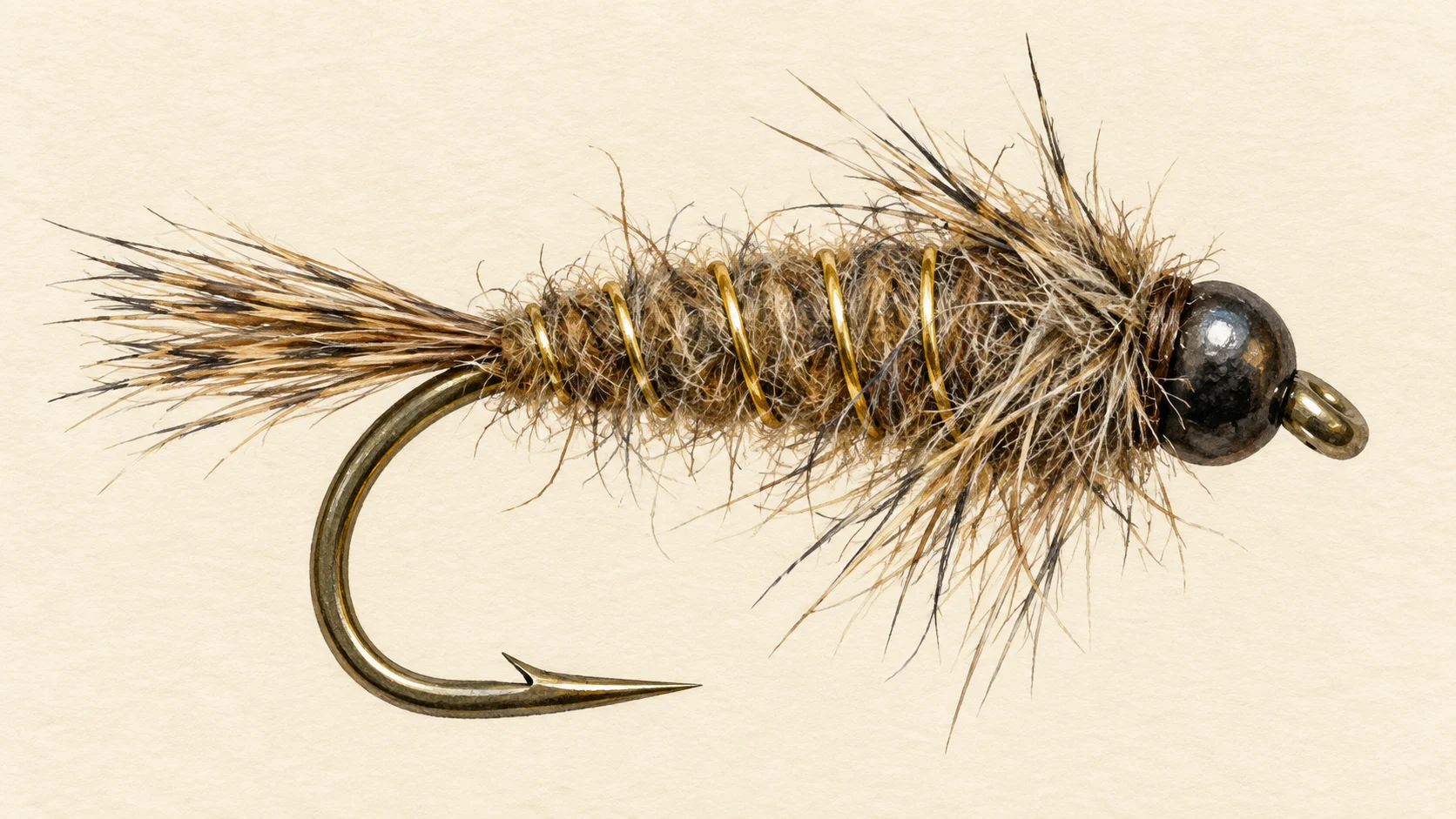
Stocked rainbows in a lake are seldom fussy once they settle in. In our experience they eat what the edges give them: small nymphs, midge, snails, and a beetle or hopper blown off the grass. So the fly box can stay short. Carry a Woolly Bugger in black or olive, sizes 8 to 12; a Pheasant Tail and a Hare's Ear in sizes 12 to 16; and a foam hopper for summer.
When to fish it
Because the storage is open to trout fishing all year round, your calendar is set by the weather rather than by a closed season. The current NSW freshwater guide covers limits and gear.
Here is how we would approach the year. Spring and autumn are the comfortable months, with rainbows along the edges for more of the day. In winter, fish the middle hours and keep the fly down and slow. Summer pushes the fish deep while the sun is high, so be on the bank at first light or in the last hour of the evening.
Whatever the month, give the first ten minutes to watching the water for rises and cruising fish before you tie anything on.
How to fish it
A five or six weight rod handles the storage from the bank. Take a floating line and, if you own one, an intermediate, which holds a fly at a steady depth through a slow retrieve.
With the Woolly Bugger, cast along the bank rather than straight out, count it down, and bring it back in slow pulls with long pauses. Fan a few casts, then walk ten paces and repeat. If a fish follows and turns off, go down a size and slow down again.
With nymphs, use a long leader and either hang the fly under a small indicator set a little shallower than you think the fish are, or crawl it back on a slow figure-of-eight. Watch the line where it enters the water; the take from a stocked rainbow on a slow nymph is often just a gentle draw.
On a summer evening with a breeze, drop a hopper close to the windward bank, let it sit, and give it the odd twitch.
Wet your hands before you touch a trout, unhook it in the water, and if you are releasing it, hold it until it swims off upright.
Access and safety
The access card shows an angler access site. It describes where the site is, not whether you may use it on a given day, so respect any signs and closures you find when you arrive.
As on any storage, the edge shifts with the water level. Mud and silt left by a falling level can be soft, so test your footing, and only wade where you can see the bottom. Weather can turn quickly on open water: pack a warm layer, keep an eye on the sky and leave word of where you are headed. Clean and dry your boots and waders before you fish another water.
Regulations
NSW DPIRD's southern NSW trout Primefact lists Geehi Reservoir, under the name Geehi Dam near Khancoban, as a general trout dam that is open to trout fishing all year round.
Bag and size limits and the gear rules for general trout dams are in the current NSW Department of Primary Industries and Regional Development freshwater fishing guide; check it before you fish. For any stream above the storage, look that water up separately in the same guide, including its closed-waters information.