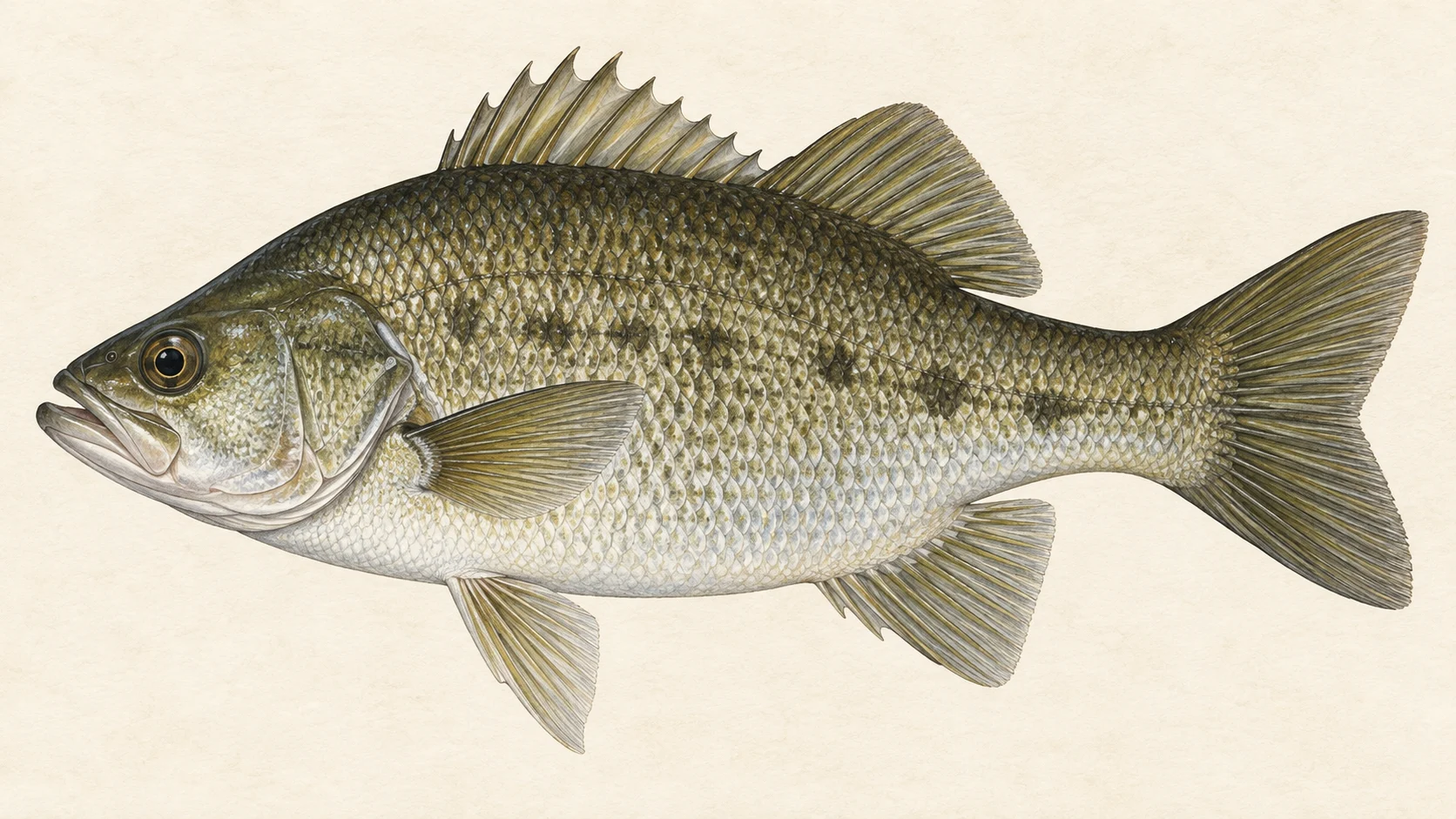
The Hastings is a coastal New South Wales river you drive to for Australian bass on a fly.
Treat it as two waters that meet at the tide. Above that line the river runs fresh, and the state's local fishing guide puts bass and freshwater catfish up there. Below it, toward the mouth, the same guide puts bream, flathead and luderick.
Start with the fresh water on a warm evening between December and March. That is when, in our experience, bass come up to take a popper or a cicada fly off the surface beside overhanging trees and snags. No water-specific rule was found for the Hastings, which in practice means you check the current NSW rules guide for bass before you go, rather than assume the river is open or that you can keep what you catch. The one mapped access point is a public boat ramp, so a kayak or small boat is the easiest way in; bank access upstream is yours to plan with a map and a polite knock on a door.
Fish the estuary as a second trip, on a day the fresh water is high and coloured. Going by what the local guide says lives down there, a weighted baitfish fly bumped along sand edges is a good bet for flathead, and a smaller fly around rock and weed for bream. The same rule check applies: read the current NSW guide for estuary bag and size limits before you keep a fish.
In our experience a cold snap is no time to come expecting surface bass; the fish tend to sit deep and the fly fishing gets slow.
Look at the flow chart and the live gauges, then pick your evening.
Water and habitat
The fresh water is the part to fish on fly. Bass in rivers like this hold on structure: a fallen tree, a rock bar with a deep edge, the shade line under a bank of overhanging growth. They sit tight in the heat of the day and move out to feed as the light drops. Read each pool for the one piece of cover with deep water beside it, and fish that first.
The flow chart shows how the river moves through the year. Coastal rivers can rise and colour quickly after heavy rain, so check the live gauge cards before you drive.
Fish and forage
Australian bass are the fly angler's fish in the fresh water. The stocking chart shows bass released into the river, which in practice means some of the bass you catch may have started life in a hatchery. Freshwater catfish, longfin eels, sea mullet and pinkeye mullet have also been recorded.
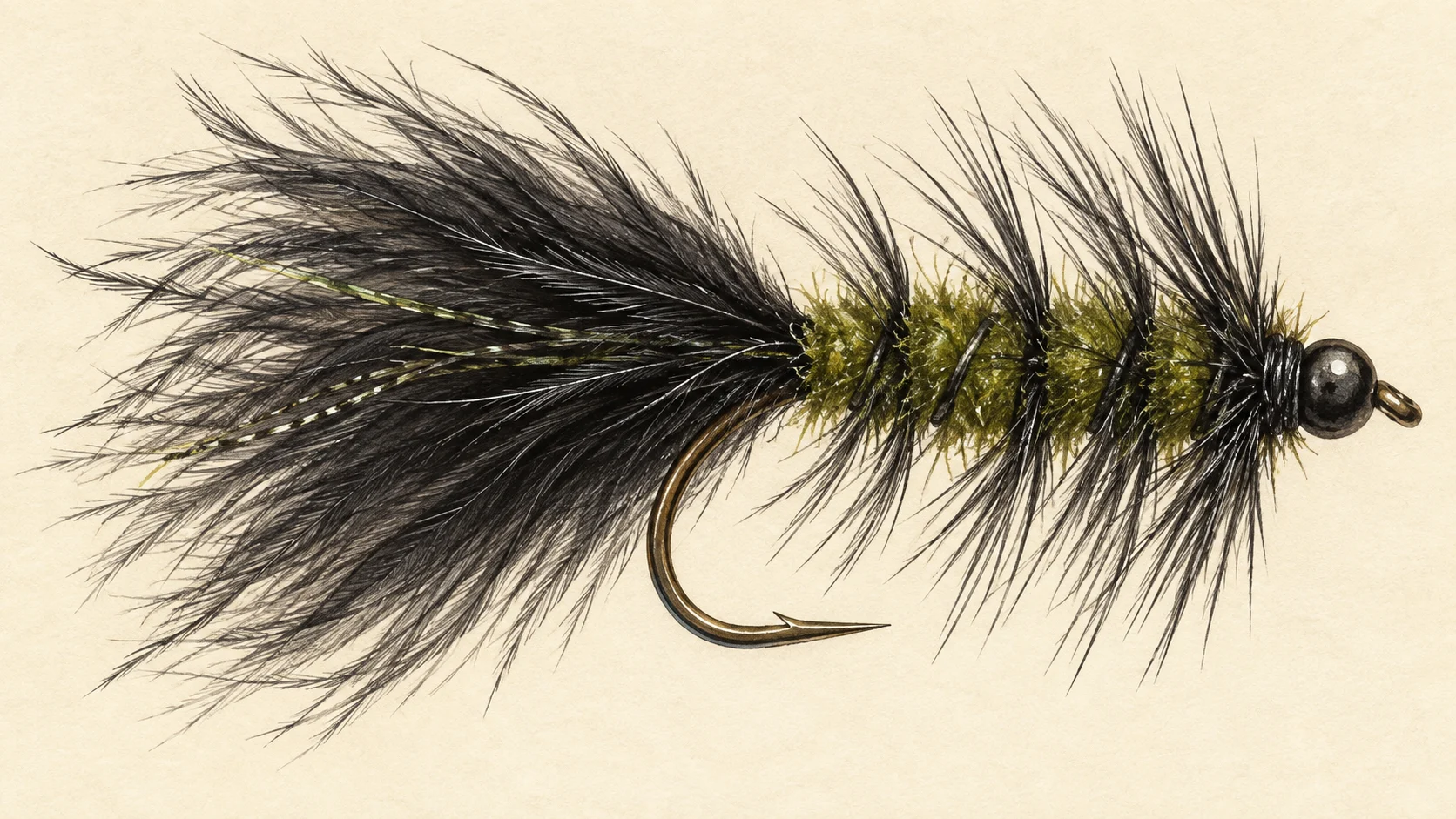
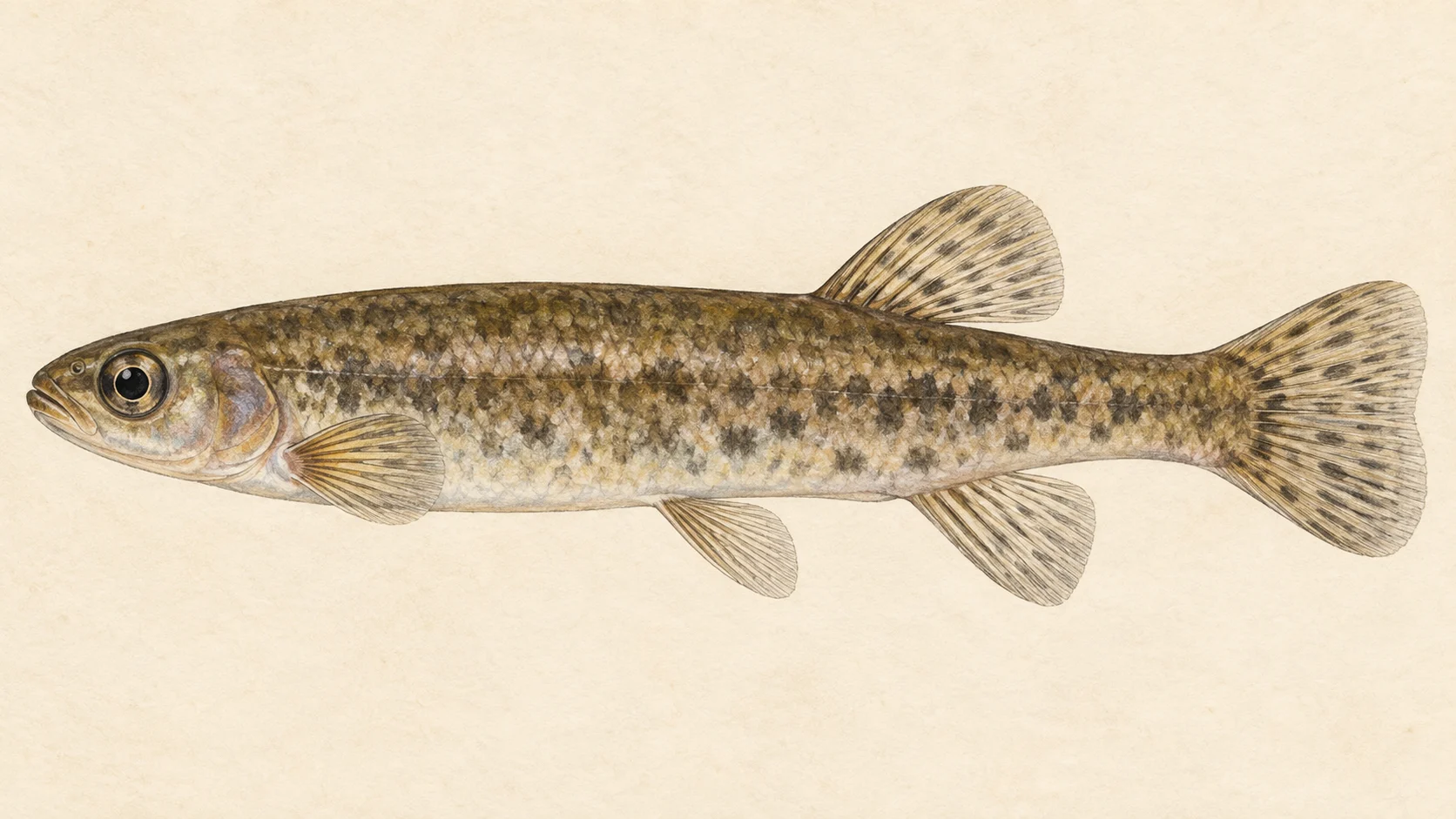
What matters most for your fly box is the small fish. Australian smelt, several kinds of gudgeon, crimson-spotted rainbowfish, Pacific blue-eyes and mountain galaxias have all been recorded in the river. That is a lot of small, slim baitfish, and a bass that eats them will take a small dark streamer or a slim baitfish pattern in size 6 to 10 without much fuss. Add the land insects that fall off the trees in summer and you have the case for carrying a surface fly as well.
When to fish it
Summer is the heart of it. From December through March, the last hour of light is when bass come to the surface. Spring and autumn fish well subsurface, with the streamer doing most of the work. In winter the fresh-water fishing slows, and in our experience it is a poor time to drive up for bass on a fly.
How to fish it
Two setups cover most of the river. The first is a floating line and a short, stout leader with a popper, a cicada or a foam beetle, cast hard into the shade and left to sit before the first twitch. Most takes come in that first pause.
The second is a floating or intermediate line with a small streamer, cast past a snag and stripped back in short, uneven pulls. Keep the rod low and be ready to turn a fish's head away from the timber the moment it eats; a bass that reaches a snag is usually gone.
A kayak or small boat lets you drift a stretch and put a cast into every piece of cover from the water, which is the most efficient way to fish a river like this.
Access and safety
The access card shows one public boat ramp, and that is the only mapped way onto the water. For bank fishing, plan your route with a map and assume land along the river is private unless you know otherwise; ask before you cross it. As on any coastal river, check the gauge before you go, stay off the water when it is rising after rain, and wear a lifejacket in a kayak or small boat.
Regulations
No water-specific rule was found for the Hastings River. Check the current NSW Department of Primary Industries and Regional Development recreational fishing guide before you fish, for bass and for the estuary species, and confirm any seasons, bag limits and size limits there before you keep a fish.