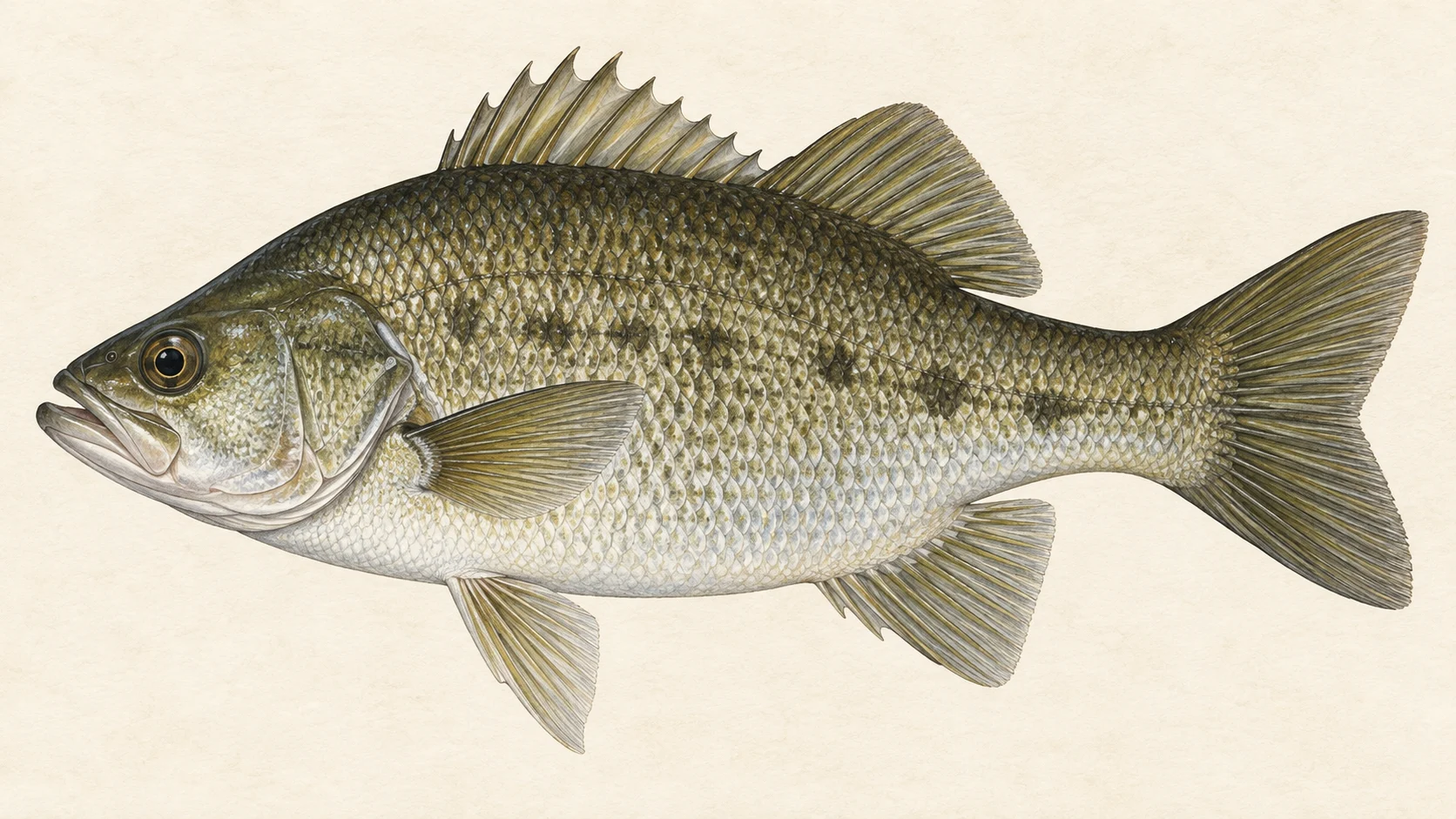
The Kalang is the quiet one of a pair. FlyLife's writers describe it as the Bellinger's sister river, fishing much like its better-known neighbour for bass in both the estuary and the fresh, and seeing fewer anglers for it.
The Kalang flows into the Bellinger, and FlyLife's writers place that meeting at the town of Urunga. By their account it fishes for bass in both estuary and fresh water, as the Bellinger does. Where estuary gives way to fresh is something to read on the water rather than off a map.
The easiest trip starts at a boat ramp. The ramps on the access card are the obvious way onto the water, and a small boat or kayak lets you work the edges and snags without fighting the bank. Bring a six- or seven-weight and a box of small baitfish patterns. No water-specific rule was found, so read the current NSW rules, freshwater and saltwater both, before you launch.
The second trip goes looking for the freshwater bass fishing FlyLife's writers describe. Come on a warm summer evening with a five- or six-weight, a surface fly and a dark streamer, and fish tight to the cover. Expect to work for it: little is written about this river, and finding the good pools is part of the trip. Again, no water-specific rule was found, so check the current NSW guide before you go.
If you have only one day and have never fished either river, start on the Bellinger and save the Kalang for the second visit, when you know what the water looks like.
Pick your trip, check the conditions card before you drive, and read the NSW guide before you leave.
Water and habitat
Where the Kalang runs as estuary, as FlyLife's writers say it does, expect it to rise and fall and its colour to come and go with the tide and with rain in the hills. In our experience fish in water like this sit on structure and move with the bait, so look first at snags, drop-offs, the edges of weed and any bank where the current pushes food past.
Upstream, where the river runs fresh, the picture changes. Bass in a small coastal river hold where the water gives them shade and brings food by: the heads of pools, undercut banks, fallen timber and rock that breaks the flow. On a bright day they sit deep and tight; at dusk they move out to the edges.
As on any coastal river, heavy rain upstream can lift and colour the water quickly. When it runs high and brown, give it a day or two.
Fish and forage
FlyLife's writers describe the Kalang's Australian bass fishing, in the estuary and in the freshwater, as matching the Bellinger's. Treat that as a lead worth following rather than a promise.
The fish recorded in the river tell you more about what to throw than about what to catch. Pacific blue-eyes, crimsonspotted rainbowfish and three kinds of gudgeon (empire, striped and Cox's) are all recorded here. Those are small, slender fish, and in our experience they are the kind of food a bass hunts along the edges. In our experience that makes a slim streamer in sizes 6 to 10, in olive, grey or white, the most useful fly in the box.
Bull sharks are also recorded in the river.
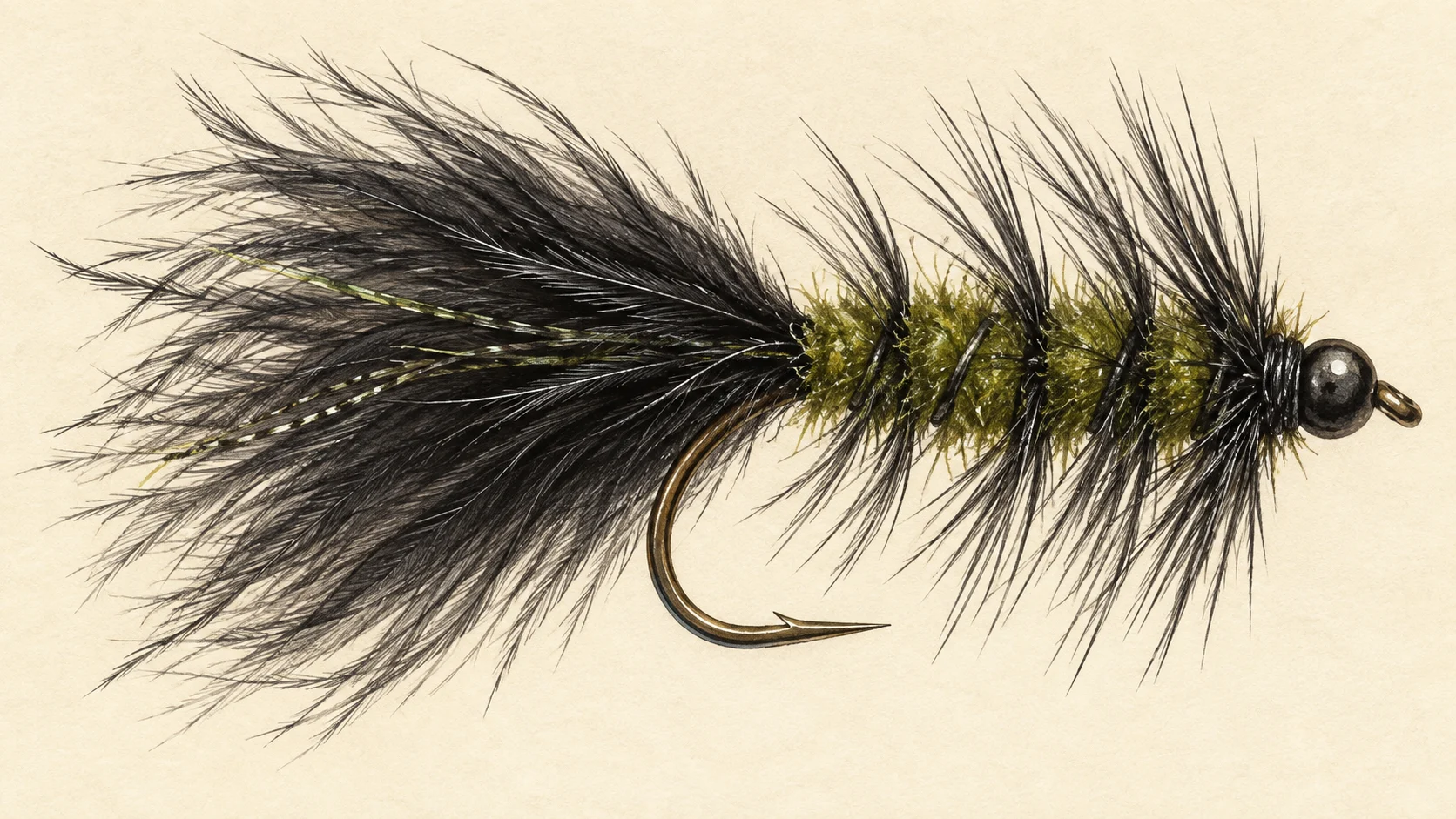
For the bass, add a surface fly (a small popper, a slider or a big foam beetle) and a Woolly Bugger or similar dark streamer in sizes 4 to 8.
When to fish it
In our experience summer is the heart of the season on a mid-north-coast bass river. Warm evenings from November through March bring bass up to the surface along the banks, and a popper worked slowly at last light is a good bet.
As autumn cools the water the fish go deeper and slower. In our experience that is the time to switch to a streamer fished close to the bottom of the pools. Winter is usually the quiet time; if you plan a cold-weather trip, check the current NSW guide first. Treat the calendar bars as a guide's read, not a timetable.
How to fish it
In the lower river, fish from a small boat or kayak where you can, and work a weighted baitfish pattern along the snags and the bank. Let it sink before you move it, then strip it back in short, uneven pulls. An intermediate line helps on the deeper edges. Where you see bait pushed to the surface, cast ahead of it and strip fast.
Upstream, a five- or six-weight with a floating line covers most of it. Move quietly, fish upstream or across, and put the fly against the cover: a cast that lands a metre off the bank often goes unanswered where one that lands against it gets eaten. Let a popper sit, then give it short pops with long pauses. If nothing comes up, go under with a slow streamer through the deepest part of the pool. Trees crowd the bank on rivers like this, so a good roll cast saves flies. The streamer fishing page covers the retrieves.
Access and safety
The access card lists the boat ramps on the river. Treat each as a way onto the water, not as permission to cross the land beside it; where the bank is private, fish from the boat or ask first.
As on any tidal river, watch the tide before you head out so you are not left working back against it, and wear a life jacket in a small boat or kayak. Upstream, as on any bush river, the rocks are slippery and the pools deeper than they look, so wade slowly and keep off the water when it is rising after rain.
Regulations
No water-specific rule was found for the Kalang River. Read the current NSW Department of Primary Industries and Regional Development guide, freshwater and saltwater both, before you fish.
Before you leave, open the current NSW fishing rules and regulations and check the rules that apply to where you plan to fish.