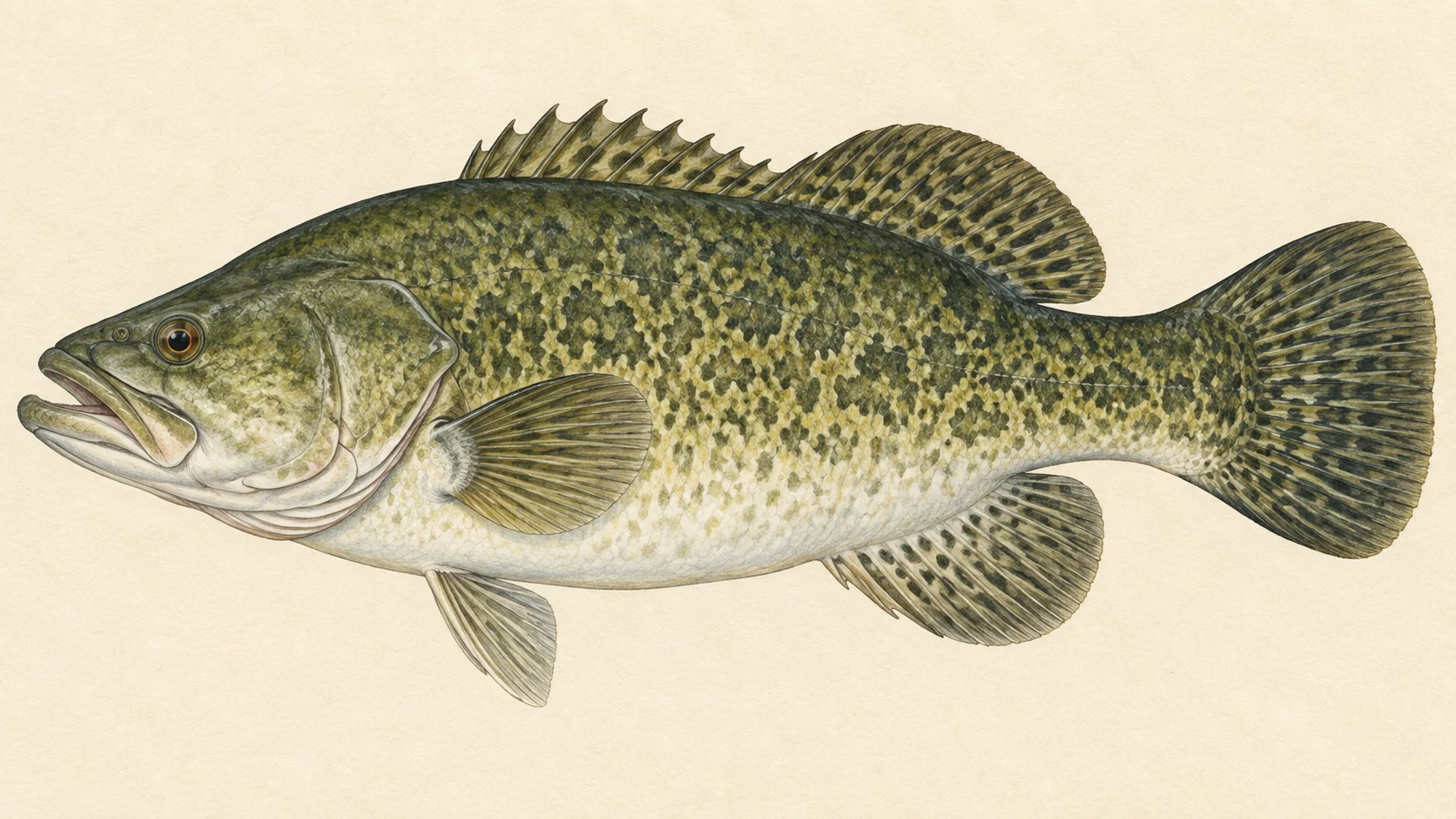
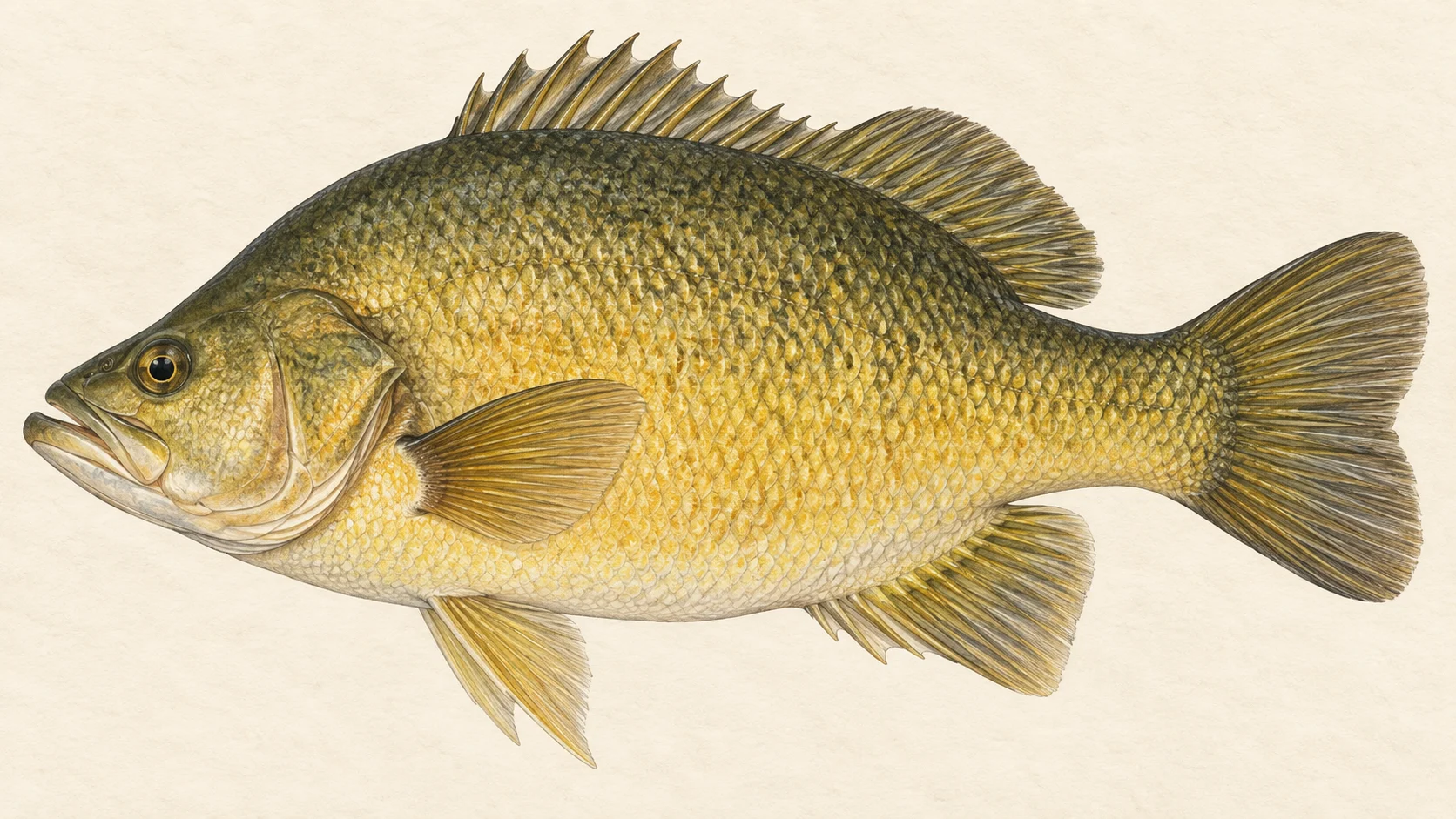
Burrinjuck is a big irrigation dam in New South Wales, and the state fisheries guide describes it as a popular and productive fishery, above all for native Murray cod. It sits just under two hours' drive from Canberra and about four from Sydney.
Think of it as one wall holding back three rivers. Behind the wall lies an open main basin, and reaching back from it are three arms, one for each river that fills the dam. That gives you four pieces of water to choose between. The rivers are the Murrumbidgee, the Goodradigbee and the Yass, and in our experience the arms and the basin are best treated as separate trips.
The easiest trip is golden perch in the warmer months. They are stocked here season after season, as the stocking chart shows, and the NSW fisheries department names Burrinjuck among its impoundment golden perch fisheries. Launch at one of the ramps on the access card and crawl a small weighted streamer along the edges of an arm. No water-specific rule was found, so the bag and size limits you need are in the current NSW guide; check them before you keep a fish.
The trip most anglers come for is Murray cod. They head the state guide's description of the dam and appear in every season of the stocking chart. Take a boat if you can and fish a big fly on a sinking line at first and last light. Read the current NSW Murray cod rules before you pick dates, because no Burrinjuck-specific rule was found and the cod rules are the ones worth reading twice.
Rainbow trout are the cool-weather option. They have been stocked in most recent seasons. Our read is that trout in a big storage like this are a winter and early spring proposition, cruising the shallower margins while the water is cold. Do not drive up for them in midsummer, and check the current NSW guide for any trout rules before you fish.
Check the storage level and the NSW guide the week you go, then pick one arm and fish it properly rather than chasing the whole dam.
Water and habitat
Burrinjuck was built to release water for irrigation. Construction began in 1909, when it was among the largest dams in the world, and the First World War dragged the work out until 1928. The dam still feeds the Murrumbidgee Irrigation Area centred on Griffith and Leeton, and supplies stock and household water, environmental flows, flood mitigation and hydroelectricity downstream.
That purpose shapes the fishing. A storage built to be drawn down can rise and fall with the seasons and with the rain in its catchment, so the edge you fished last year may be dry or drowned this year. Expect it, and check the level before you go.
The three rivers enter at the heads of their arms, and river arms on a dam like this tend to be narrower and more sheltered than the open basin. In our experience that is where to start on a new storage: fish hold where a river brings in food and cooler or fresher water, and along the steeper banks and points where deep water sits close to the edge. The open basin is bigger water and suits a boat on a calm day.
Fish and forage
The state guide lists Murray cod first, then golden and silver perch, brown and rainbow trout, European carp, redfin and crayfish. Murray cod, golden perch and rainbow trout have been stocked across recent seasons, and silver perch appear in the stocking chart as well. Occurrence records also note Australian smelt, a small native baitfish, and the introduced oriental weatherloach.
For a fly box, that reads as two food groups. Crayfish live on the bottom and, in our experience, cod and golden perch eat plenty of them, so a dark streamer fished slowly near the bottom covers them. Smelt and small fry are the other half, and a slimmer, lighter streamer in olive or grey stands in for them. Carp are a sight-fishing option on a still day if you find them feeding in the shallows.
When to fish it
Spring is when the traffic builds. Hooked Up Magazine counts Burrinjuck among the eastern lakes seeing more freshwater anglers each spring, and in our experience that fits the pattern on most native-fish storages, with golden perch waking up as the water warms.
Beyond that, this is a guide's read rather than a documented calendar. Golden perch are a warm-month fish, best from late spring into autumn. Cod fishing is at its most rewarding through summer and into autumn, early and late in the day. Trout are the winter and early spring option. Whatever the month, read the current NSW rules for the species you are targeting first, because a seasonal rule can change the plan.
How to fish it
For cod, bring an 8 to 10 weight rod, a fast-sinking line and short, stout leaders. Cast big, bulky streamers or articulated flies tight to the steep banks and points, let them sink, and bring them back slowly with long pauses. Low light is the time.
Golden perch are easier on the tackle. A 6 or 7 weight with an intermediate or sinking line is plenty. Count a small dark streamer or crayfish pattern down along the bank and hop it along the bottom, slower than feels right.
For trout, go lighter again: a 5 or 6 weight, an intermediate line and small streamers along the margins at first light, or a nymph under an indicator where the bank shelves off. On still mornings watch for fish cruising the edge and put the fly in front of them rather than on them.
Access and safety
The access card lists the boat ramps and angler access sites. Treat the card as a description of where people get on the water, not as permission to cross private land to reach it. The state guide describes budget-friendly accommodation around the dam, with resident kangaroos and plenty of birdlife.
As on any big open storage, the wind can build quickly across the basin, and a small boat is safer in the sheltered arms when it does. Wear a lifejacket, tell someone where you are going, and come off the water early if the weather turns.
Regulations
No water-specific rule was found for Lake Burrinjuck. Check the current NSW Department of Primary Industries and Regional Development recreational fishing guide before you fish, for the licence, bag and size limits, and any seasonal rules for Murray cod, golden perch and trout.