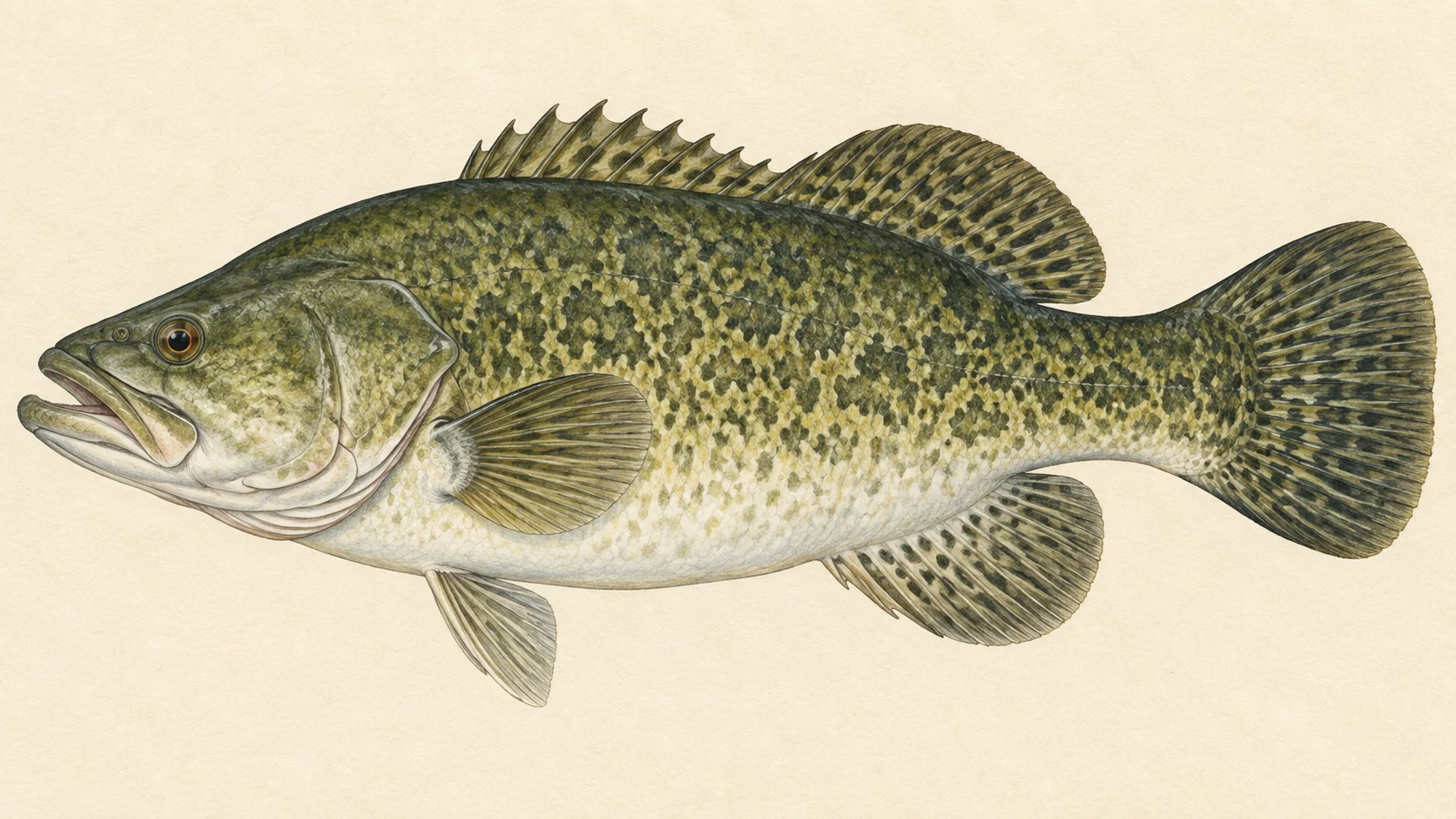
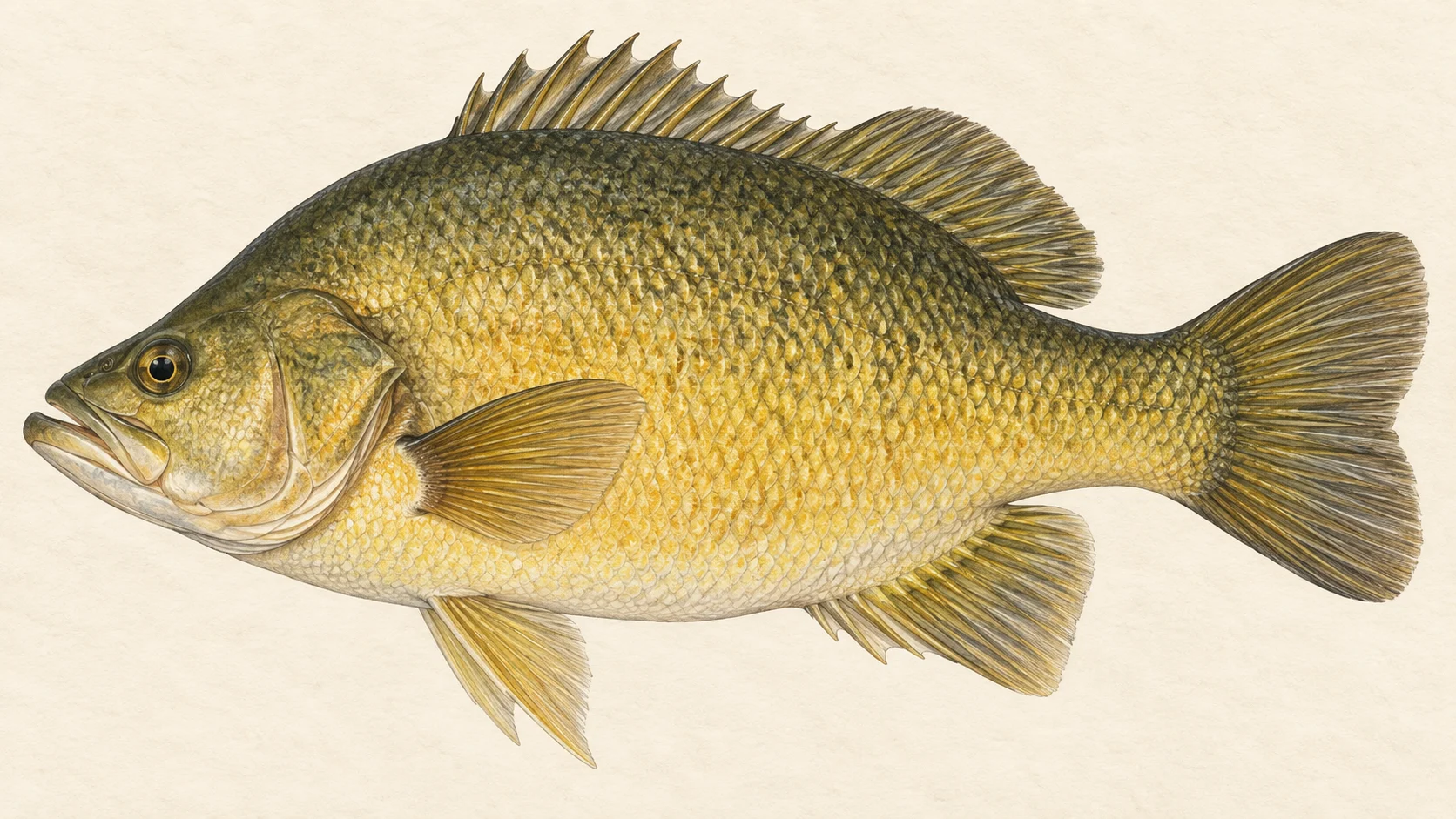
Pindari Dam is one of the two large dams in its district of New South Wales, alongside Copeton, and the state names it among its Murray cod and golden perch impoundments. You come here to put a fly in front of a cod.
It is a single sheet of water behind a dam wall, not a river cut into stretches, so the way to divide it is by depth rather than by place names. There are two parts that matter: the margins, where, in our read, the edge drops away and the fish feed, and the open middle, which you cross. The access card names two ways in, a boat ramp and an angler access site.
The easiest trip is golden perch in the warm months. In our experience they sit along the edges and take a small dark streamer counted down and hopped back slowly. No water-specific rule was found for the dam, which means you take your licence, bag and size rules straight from the current NSW guide before you launch, not from memory. Start from the ramp and work the nearest shore.
The second trip is the one you drove for: Murray cod. Our pick is summer and autumn, at first and last light. A big streamer on a sinking line, cast tight to anything that breaks the bottom and brought back slow. The same NSW guide carries whatever bag, size or seasonal rule applies to cod, so read it before you pick your dates rather than at the ramp.
If you have no boat, the card's angler access site is the place to start from the bank; check current access first, then fish a slower, smaller fly along the edge at first light. You cover less water, but in our experience golden perch come close to shore when the light is low.
Check the storage level, check the NSW guide, and launch before the sun is up.
Water and habitat
One of the district's two large storages, with Copeton the other. The regional fishing guide rates the dams of the district as excellent fishing.
The fish live on the edges. In a storage like this, our read is that cod want the steep drop and anything solid on it: rock, a snag, a submerged bank. Golden perch use the same edges a little shallower. The deep open water in the middle holds little you can reach with a fly. The water chart shows how the wet surface has come and gone over the years, which tells you the shoreline moves; a lower lake puts the edge somewhere new, and you find it again each trip.
Fish and forage
Two stocked fish carry the fishing. Murray cod and golden perch both appear in the stocking chart across recent seasons, which reads as a fishery kept up on purpose rather than a count of what is there. The regional guide says the district's dams are regularly stocked with Murray cod, golden perch, silver perch, Australian bass and rainbow trout; for this dam, plan around the first two.
Two small native fish have been recorded in the dam: Darling hardyhead and western carp gudgeon. Neither is a target. Both are food, and they tell you what a perch fly should look like: small, slim, pale, worked near the bottom along the margin. A cod will eat something much bigger, so carry two sizes of the same idea, a small weighted streamer for perch and a large dark one that pushes water for cod.
When to fish it
This is a guide's read. Spring into summer, as the water warms, golden perch move up onto the edges and are the most reliable fish in the dam. Summer and autumn are the cod months, and the low light at each end of the day is when a cod is most likely to leave its cover for a fly. Warm, still summer nights are worth trying with a surface fly once you know where the cod sit.
Winter fishes slower. The fish go deeper, a fly has to be held near the bottom for longer, and you should expect fewer takes. Whatever the month, check the current NSW rules for Murray cod before you plan around them.
How to fish it
Fish the edge, not the lake. Every cast goes to where the bottom drops or something breaks it, and every retrieve is slower than feels right.
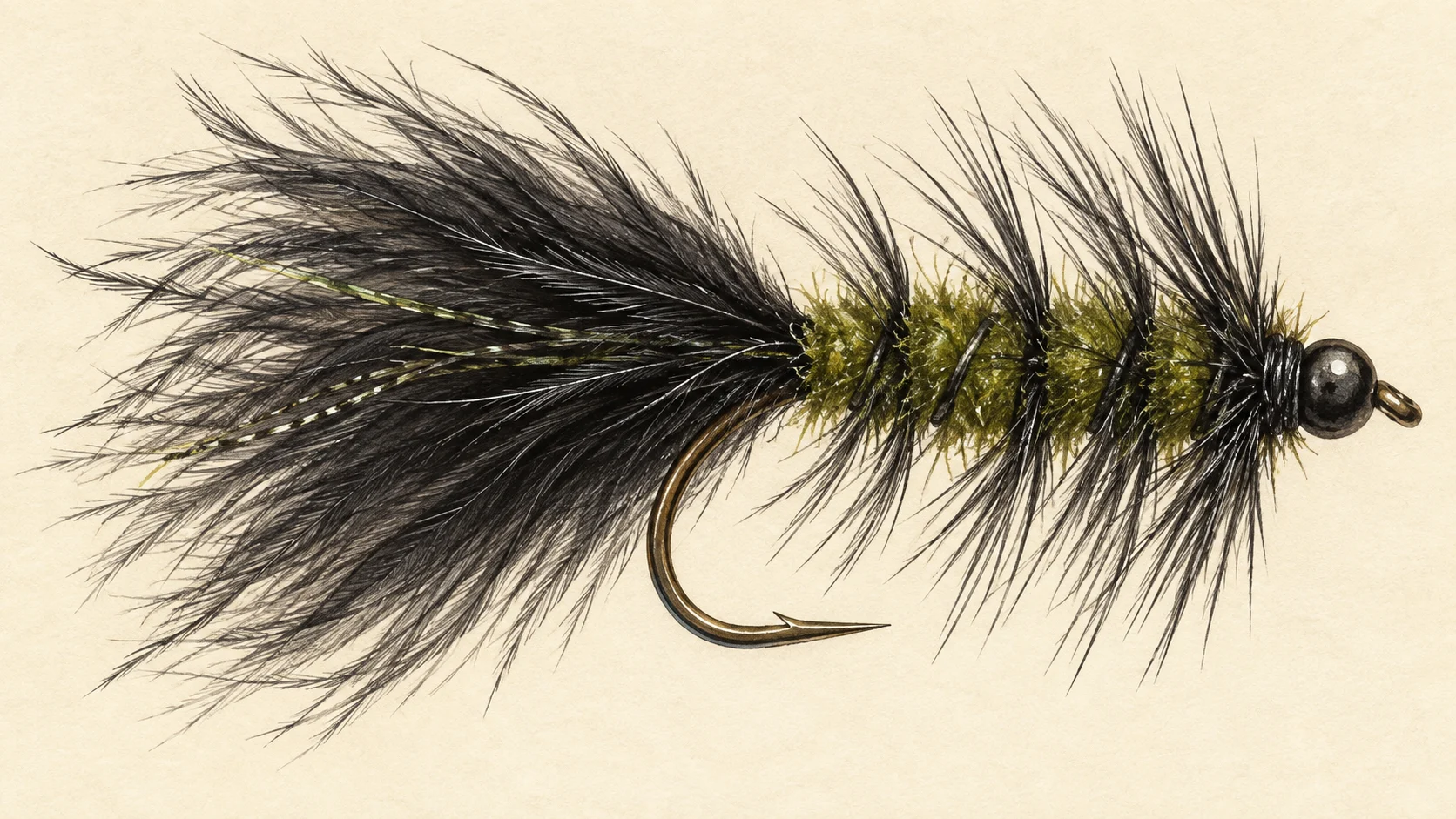
For cod, a nine or ten weight, a fast-sinking line and a short, heavy leader. Tie on a large Woolly Bugger with plenty of marabou, or any big articulated streamer. Cast it tight to the structure, count it down, and strip it back in long, slow pulls with pauses; the take usually comes on the drop or the pause. At night in summer, swap to a floating line and a large popper or foam fly and walk it along the shore with long waits.
For golden perch, a six or seven weight and an intermediate line. A small black or olive streamer, weighted, counted down and hopped back along the bottom. A perch that follows and will not eat can often be turned by stopping the fly dead.
From a boat, work along the shore at casting range and cast in to the edge. From the bank, cast along the shore rather than straight out; the fish are beside you, not in front of you.
Access and safety
The access card lists a boat ramp and an angler access site. Treat them as places to start, and check current access and any local notices before you go; a listed site is not a promise that a gate is open.
As on any large storage, wind can build a hard chop across open water quickly. Keep crossings short in a small boat and head for the lee shore when the weather turns. Wear a lifejacket, and tell someone where you are launching and when you expect to be back.
Regulations
No water-specific rule was found for Pindari Dam. Before you fish, read the current NSW Department of Primary Industries and Regional Development recreational fishing guide for licence requirements and the bag, size and any seasonal rules for Murray cod and golden perch, and fish by what it says on the day.