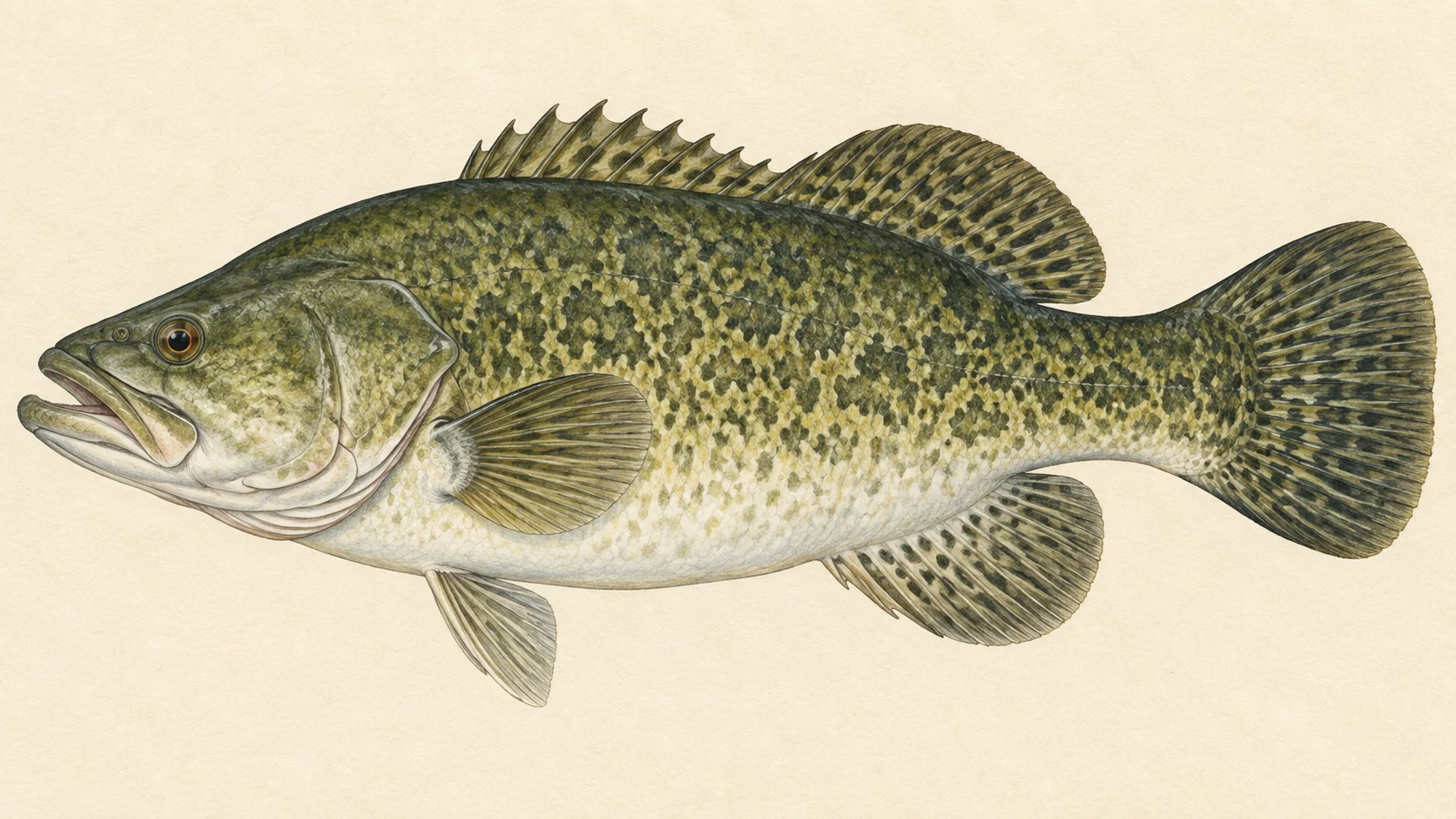
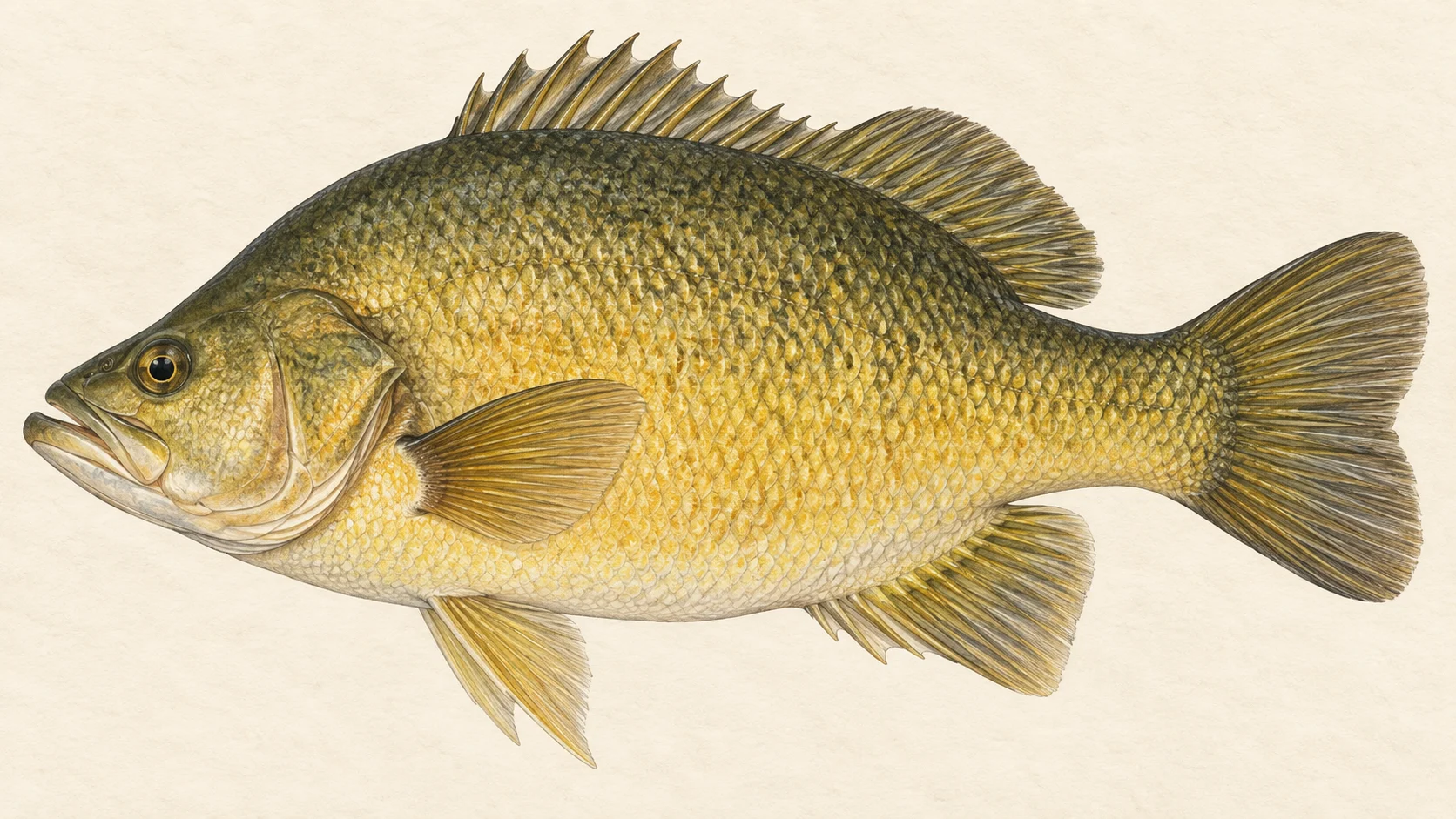
Split Rock Dam is a place to put a fly in front of stocked native fish, Murray cod and golden perch, in a lake that has been restocked season after season.
Think of it as a big storage held back by a wall, and ignore the open middle. For a fly angler the lake is its edge: whatever rock, points, timber or scrub sits at the waterline. The water-persistence chart shows how the wet surface has come and gone over the years, which is your warning that the edge moves. Check the current storage level before a long drive.
The easy trip is golden perch in late spring and early summer. The stocking chart shows them going in across most of the recent seasons. Start at the site the access card names, and fish a small, dark weighted streamer down the nearest rocky edge, slower than feels right. If the first point is quiet, move to the next one rather than changing flies; in our experience perch in a storage tend to be on some rocks and absent from others. No water-specific rule was found for the dam, so take the licence and limits from the current NSW guide before you fish.
The harder trip is cod, in summer and autumn, at first and last light. The stocking chart shows cod going in season after season, and the job is patience: a big streamer on a sinking line, put against the heaviest structure you can find and brought back with long pauses. Check the current NSW cod rules before you choose your dates, because a seasonal rule would decide the whole trip.
Be at the water at first light, pick one stretch of rocky shore with deep water beside it, and fish it slowly until the sun is well up.
Water and habitat
A large impoundment, which on a fly rod means very little of it matters. The deep open water is where you cross, not where you cast. What you fish is the margin: points running into deeper water, rock faces, and any drowned timber or scrub that sits in casting range at the current level.
Storage lakes rise and fall with the water drawn from them, and the persistence chart shows that this one has. A falling lake leaves the old structure high and dry and pulls the fish down to the next ledge. A rising one floods fresh ground, and in our experience golden perch push up into it to feed. Read the level before you read the shore.
Fish and forage
Murray cod and golden perch are the fish to plan for. Both have been stocked across recent seasons, as the stocking chart shows. What that means for you is a fishery that is being kept up on purpose, which in our experience should mean fish of more than one size in the lake. It does not tell you how many are there or where they sit today.
What they eat here is a guide's read of any warm inland storage. Cod take whatever is big enough to be worth the effort: small fish, yabbies off the bottom, and anything struggling on the surface at night. Golden perch eat smaller things close to rock and timber. For the fly box, that is one idea in two sizes: a large dark streamer that pushes water for cod, and a smaller weighted black or olive streamer for perch.
When to fish it
What follows is a guide's read of how a stocked native-fish storage fishes through the year.
Spring, once the water warms, is golden perch time. The back half of spring into early summer is a good bet, fished on the rocky points and in any freshly flooded margin. Summer and autumn are the cod months: long warm evenings, fish on the structure at the low-light ends of the day, and the chance of a surface take on a still night.
Winter fishes slower and deeper. Perch drop to the ledges and want a fly held near the bottom, and cod are hard to move. Whatever the month, check the current NSW rules for Murray cod before you plan around them.
How to fish it
Fish structure, not water. Every cast goes to a rock face, a point or a drowned tree, and the retrieve is slow. From a boat, hold at casting range off a rocky shore and let the fly fall down the face. From the bank, cast along the shore rather than out into the lake, because the fish are beside you.
For cod, a nine or ten weight, a fast-sinking line and a short heavy leader. Tie on a large Woolly Bugger with plenty of marabou, or any articulated streamer that pushes water. Count it down against the structure and bring it back in long strips with long pauses; cod often take on the drop. On a still summer night, swap to a floating line and a big foam popper walked along the edge with waits between pops.
For golden perch, a six or seven weight with an intermediate line and a size 6 to 8 weighted streamer in black or olive. Let it reach the bottom near the rock, then hop it back in short lifts. If they are sitting in drowned scrub, put the fly into it and accept a few lost flies.
Access and safety
The access card names one angler access site to start from. It describes the spot; it does not say who owns the ground around it, so stay on the access and respect any signs on the way in.
As on any big open storage, wind can build a steep chop across a long fetch, so keep crossings short in a small boat and head for the lee shore when the weather turns. Wear a lifejacket, and tell someone where you are going. Banks on a falling lake can be soft or steep where the water has just left, so test your footing before you commit to a cast.
Regulations
No water-specific rule was found for Split Rock Dam. Before you fish, read the current NSW Department of Primary Industries and Regional Development recreational fishing guide for the licence, and for the bag, size and any seasonal rule on Murray cod and golden perch.