Tantangara Reservoir is a trout dam near Adaminaby. The NSW fisheries guide to the Snowies gives it the same kinds of fishing as the two big lakes nearby, and describes it as a little more off the grid. Drive here for quiet banks and trout you can see.
It comes in two parts. The first is the lake itself: the water the dam holds back, including every arm and backed-up bay. The second is the small streams that run into it. The rules treat these separately, because the lake's listing stops where each stream meets the backed-up water.
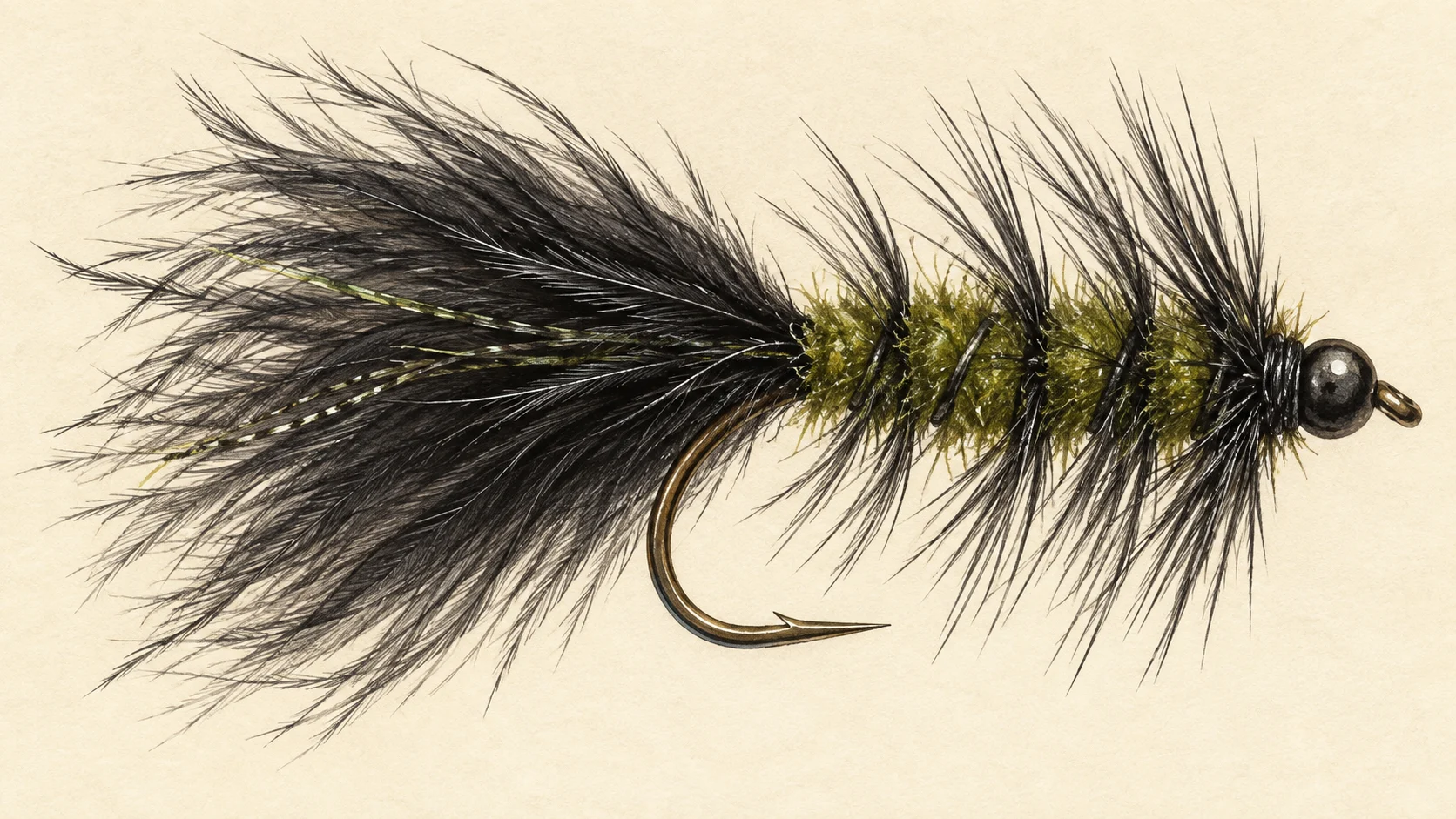
The first trip is spring on the lake edges, and it is the one to start with. FlyLife's writers describe the spring thaw lifting the water onto newly flooded ground, with trout moving in to feed on what it washes out, and rainbows coming close to take small food in the shallows. Walk the bank early in the morning with a small bead-head Woolly Bugger and a midge pupa dropper. Tantangara is a listed general trout dam, which in practice means the current NSW freshwater rules for that class set your season, limits and gear, so read them before you go.
The second trip is a bright, calm summer day, stalking fish in the shallows. FlyLife's writers say big trout can be seen tailing or mooching over the flats in those conditions. Take polarised glasses, a long leader and one small unweighted wet fly.
The third trip is the feeder streams, for when the lake goes slow in summer heat. FlyLife's writers rate the small-stream fishing here highly. The stream water above the lake is outside the lake's listing, so check which NSW rules apply to it before you fish.
Pick a spring morning, check the NSW rules, and start on a grassy point with the wind blowing onto it.
Water and habitat
The lake is a mountain storage that the dam holds back, and its fishing follows the level. FlyLife's writers describe a rise during the spring thaw that floods new ground and puts food along the edge. That is when bank fishing is at its best. The same writers warn that when the level rises too quickly the fish drop deeper, the bank gets hard, and a boat becomes the better option. The water surface chart shows how much of the lake has held water over the years.
Read the shoreline for food. FlyLife's writers say a slick pushing off a grassy point concentrates food and is always worth working. In our experience, the downwind side of a point, and any shallow bay with a soft grassy edge, is where to begin.
The feeder streams are a different fishery: small, clear water where a trout sits in a lie and waits for food to come to it.
Fish and forage
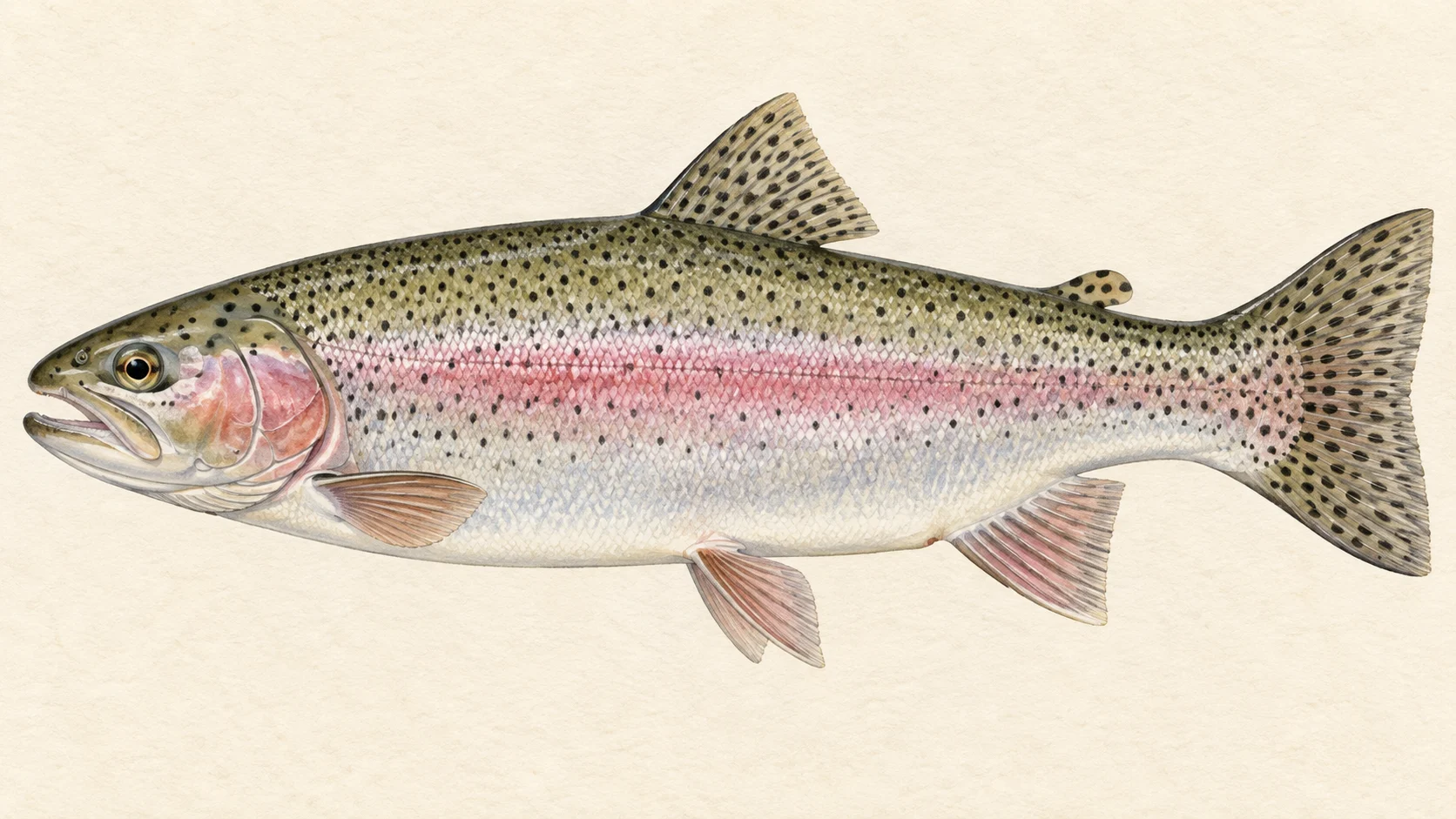
Rainbow trout are recorded here. FlyLife's writers also describe big trout showing in the shallows on calm, bright days, and they put the usual stream fish at around a pound. The DPIRD Monaro guide describes the dam as relying on trout that breed in its spawning streams rather than on annual stocking. Treat them as wild-bred fish and handle them gently.
The food on the edges is small: midge, caddis and whatever the rising water washes off the new ground. FlyLife's writers also describe termite falls, when the surface fills with naturals. So the box is small and dark: bead-head Woolly Buggers in brown and olive, midge pupae, stick caddis, a few traditional wets and something to match a termite.
When to fish it
Spring is the main event. As the thaw lifts the lake, fish move onto the edges, and early morning is prime time according to FlyLife's writers. Daytime bank fishing can still be good, especially when an onshore wind stirs up food and gives the fish cover.
Early summer, on calm and bright days, is sight-fishing time for the cruising trout FlyLife's writers describe. Once the summer heat slows the lake, go to the feeder streams. Termite falls are a summer and early-autumn event in our experience, and when one happens it can be the best fishing of the season.
Check the current NSW rules for when the season applies, both to the lake and to the streams above it.
How to fish it
For the spring edges, fish a small bead-head brown or olive Woolly Bugger on the point with a midge pupa, stick caddis or small traditional wet on a dropper. FlyLife's writers say this rig takes many rainbows especially. Fish it slowly in close, because that is where the trout are feeding.
On a bright, still day, change your approach. Put the rig away and tie on one small unweighted wet fly. Move slowly along the bank, spot a patrolling trout with polarised glasses (see polaroiding), and cast well ahead of it so the fly is waiting when it arrives.
When the water is rising fast and has turned murky, FlyLife's writers go the other way. Stand two or more line-lengths back from the edge and fish an intermediate or faster-sinking line. That is the time a boat helps.
During a termite fall, your fly is one among a great many. Pick one fish, put the fly right in front of it quickly, and cast again at the next.
On the streams, go down to a light rod and short, accurate casts. Walk upstream and fish each lie once.
Access and safety
The DPIRD Snowies guide calls Tantangara a little more off the grid than the region's largest lakes. Arrive with what you need for the day. The access card lists the angler access sites and a boat ramp. These describe where people get to the water; they do not tell you who can use a particular track or bank, so check with the land manager wherever that is unclear.
As on any high mountain lake, the weather can turn fast. Carry warm layers and a waterproof shell in every month. Wade only where you can see the bottom, and stay off newly flooded ground in spring, when the edge can be soft.
Regulations
Tantangara Dam is listed among the general trout dams in Schedule 2, Table B2 of the NSW Fisheries Management (Trout and Salmon, Fishing Closure) Notification 2023, and the DPIRD guide lists it the same way with Adaminaby as the nearest town. The listing covers the backed-up water of the dam. The tributaries above the point where they enter that backed-up water are not part of it.
No other rule specific to this water was found. Check the current NSW guide before you fish: the NSW fishing rules and regulations set the season, limits and gear for a general trout dam and for the streams that feed it. Also confirm the recreational fishing fee.