Australia Fly Guide
NSW · Monaro

Three Mile Dam

info

Before you rely on this page

  • Access here has not been confirmed on the ground — treat every way in as unverified.

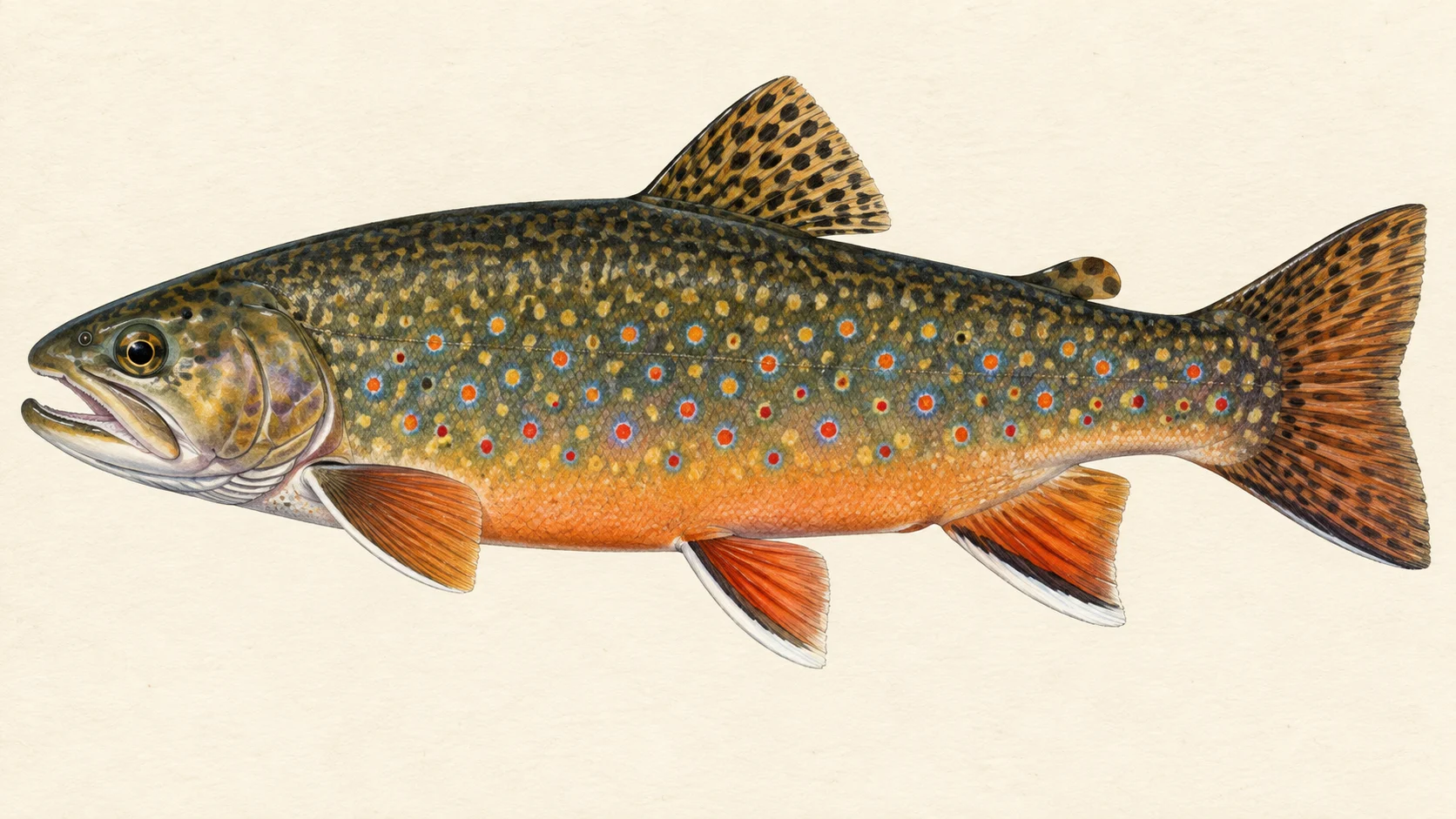
Three Mile Dam is a small alpine lake in Kosciuszko National Park, listed with Kiandra as its nearest town, and the reason to drive up is a chance at a brook trout.

Think of it as a single piece of still water with no parts to choose between. The fishing classification covers the dam; the creeks around it, including nearby Eight Mile Creek, are separate waters you should check in the current NSW guide before you fish them.

The easiest trip is a summer evening from the bank for brook trout and rainbows. NSW DPIRD classes the lake as a general trout dam open to trout all year, which in practice means there is no closed trout season to plan around; bag, size and licence rules still come from the current NSW guide. Pick a site from the access card, set up on the shore with the breeze coming at you, and wait for the rise. Trout can be seen rising here into the evening.

Know before you go that many of those rising fish sit well beyond a cast from the bank. That is why the second trip is an early-season session in spring, working the margins with a slow wet fly while fish are still cruising the edges. In our experience that is the better bet for a first brook trout than chasing rings you cannot reach.

A cold-month visit is open to you under the classification. As with any high-country trip in winter, check the park's current road and weather advice first, and keep it to the middle of the day.

In our experience a high lake like this earns its drive in summer, when the country lower down the range is hot.

Check the current NSW DPIRD freshwater guide, pick a site from the access card, and plan to be on the bank when the light starts to go.

Water and habitat

This is a small high lake in the Kosciuszko high country. The wet-surface chart shows how much of its footprint has held water over time.

On a small alpine stillwater, trout feed where the margin drops into deeper water and along the bank the wind is blowing onto, where drowned insects collect. Start there. The open middle is where rising fish often show, but from the bank you fish the edges and let the fish come to you.

Fish and forage

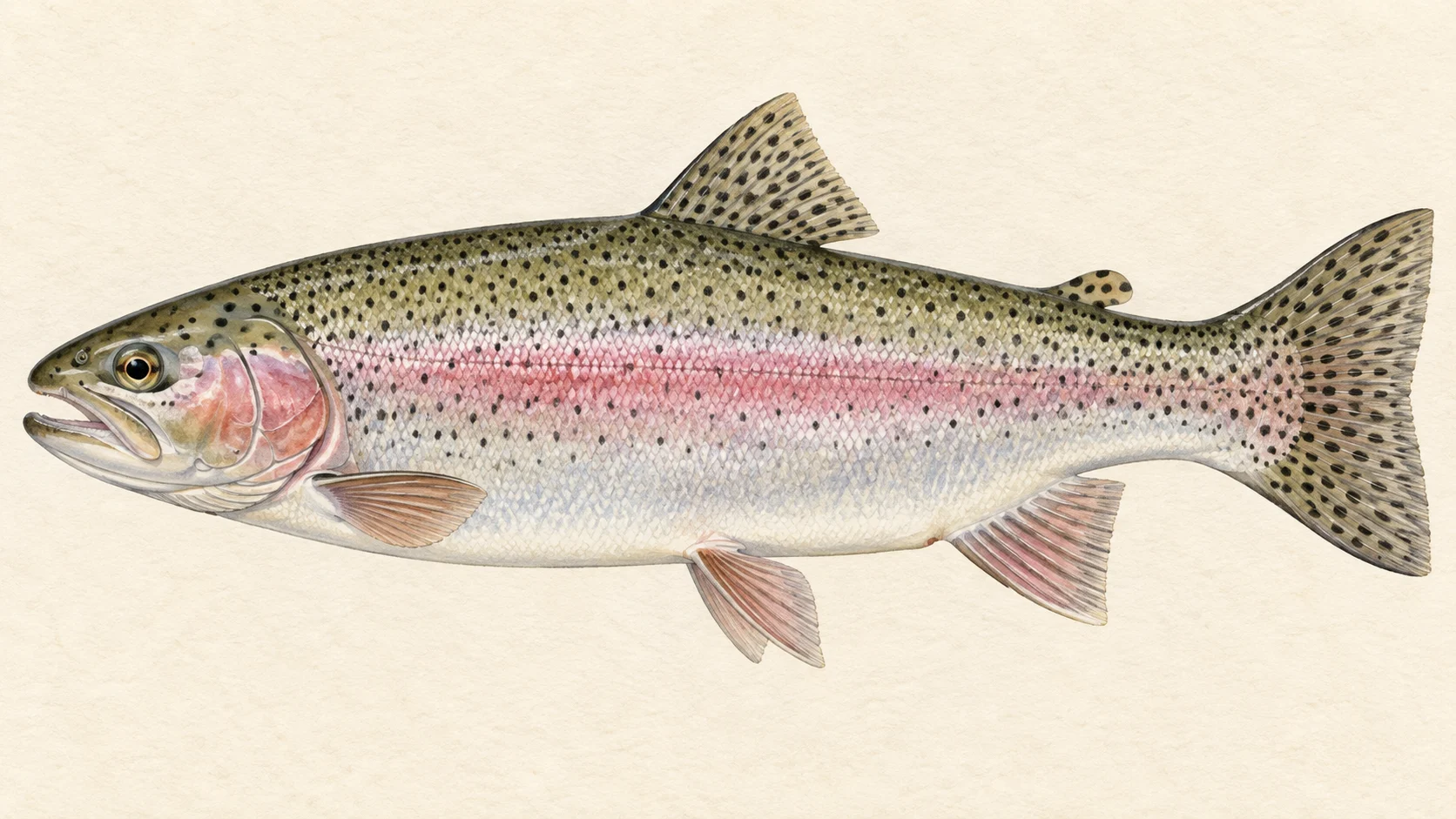
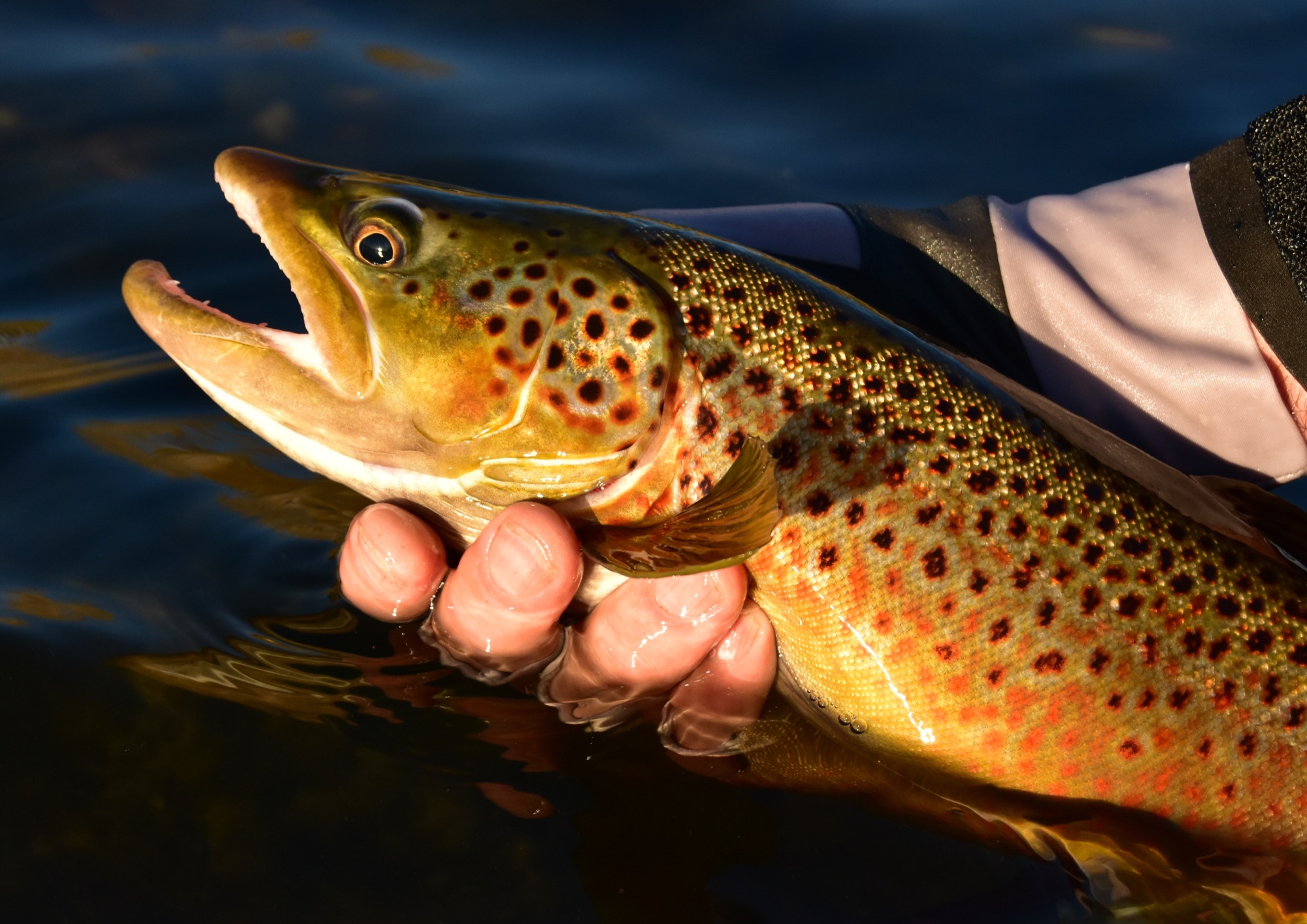
The stocking chart shows brook trout and rainbow trout released here in recent seasons. FlyLife also reports wild brook trout in the lake. Read the release history as a guide to what you might meet, not a head count.

Trout in a cold high lake feed on what the water and the wind give them: midges, damselfly nymphs, snails, and beetles and ants blown onto the surface on warm days. A first-visit box can stay small. Carry a few size 12 to 16 nymphs such as a Hare's Ear, a small dark Woolly Bugger, some size 16 to 18 midge emergers, and an Adams for the evening.

When to fish it

Summer is the obvious time, and the evening rise is the event you plan the day around.

Spring, once you can get up there, is our pick for the edges: fish tend to cruise the margins before the water warms. Autumn evenings can still bring a rise, though they get cold quickly. The dam stays open to trout through winter; whether you fish it then comes down to the park's current road and weather advice, not the rules.

How to fish it

Treat it as a small stillwater. A 5- or 6-weight with a floating line and a long leader covers most days, and a longer rod helps you reach fish that stay out.

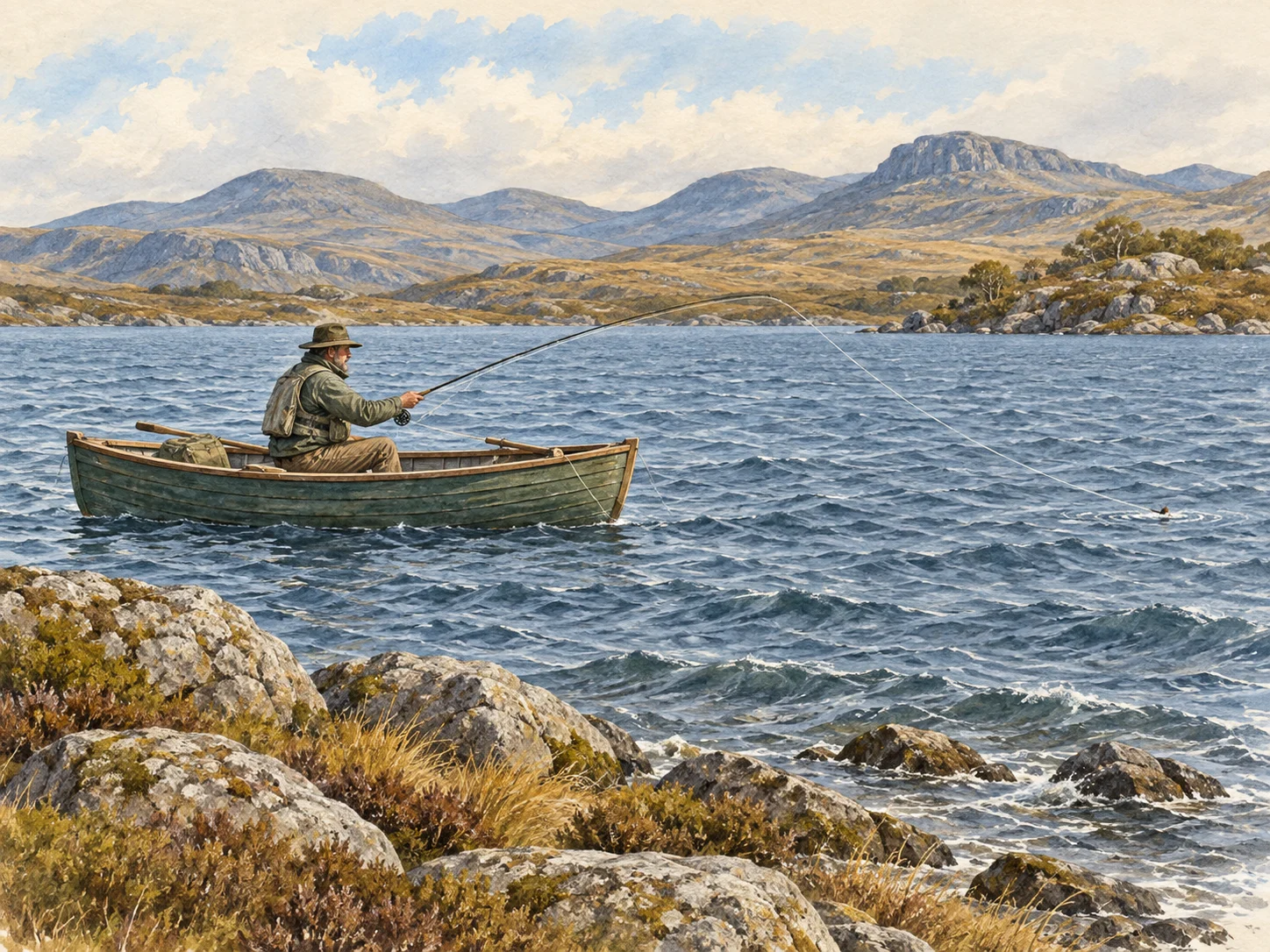
From the bank, walk and cast rather than planting yourself. In daylight, a slow loch-style team of wets or a single nymph on a slow figure-of-eight retrieve searches the margins well. When the evening rise starts, go to a single small emerger on a fine tippet and cast ahead of a cruising fish, not onto the ring it just left. If the fish stay out of range, be patient: in our experience some move closer as the light fades.

Access and safety

The access card names the sites, drawn from NSW DPIRD's angler access listings. Those listings describe where people reach the water; they are not a promise that a site is open on the day you arrive. The lake sits in Kosciuszko National Park, so check current NPWS advice before you go.

As on any alpine water, weather can turn fast even in summer. Carry a warm layer and a rain shell, tell someone where you are going, and leave the water before dark catches you on an unfamiliar track.

Regulations

NSW DPIRD classes Three Mile Dam, near Kiandra, as a general trout dam that is open to trout fishing all year round, so you can fish the dam for trout in any month.

That classification is for the dam. Before you fish any creek near it, check how that stream is treated in the current NSW guide and its closed-waters list. For bag limits, size limits and licence requirements, check the current NSW Department of Primary Industries and Regional Development freshwater fishing guide before you fish.
6 named access sites

These authority-listed points are separate from the mapped track intersections above. Some were inspected and some are public boat-ramp records; each row says which. A listing does not grant permission across private land, so check closures, signs and gates when you arrive.

Sources: NSW Department of Primary Industries and Regional Development.

When things happen

The guide's calendar for this water

When things happen

The year on this water

A year at a glance; check current rules

  • Spring edges on a slow fly · Oct to Nov A guide's read, not a record. Cruising trout on a cold high lake are a good bet on a small dark Woolly Bugger or a weighted nymph stripped slowly along the margin.
  • Summer evening rise · Dec to Mar Trout rise here into the evening. In our experience small midge emergers on a long, fine leader are the first thing to try once the light goes off the water.
  • Terrestrials on a warm breeze · Dec to Feb A guide's judgement. On warm afternoons a small Adams or a beetle pattern along the windward bank can pick up a fish before the evening rise starts.
  • Cold-month wets · May to Sep The dam is open to trout all year. If you can get up there, a slow team of wets off the shore in the warmest part of the day is our default.

What the record shows

Flows, river gradient, changing water levels, fish surveys and stocking

What the record shows

How wet the lake has stayed

Satellite record, 1987 to 2026

0% 25% 50% 75% 100% 1997 2007 2017 2026
The share of the mapped water body that was wet each month, from satellite imagery since 1987. This is not a level record — a satellite reads surface extent, never depth — but a shrinking wet area usually means a lower lake. Over 352 months on file the wet share has run from 0% to 94%; the latest reading is 54%, 2026-06.
Source: Geoscience Australia.
Source details and licence

Geoscience Australia — Digital Earth Australia Waterbodies v3 (wet-surface time series). Digital Earth Australia Waterbodies v3, Geoscience Australia, © Commonwealth of Australia, CC BY 4.0. retrieved 2026-08-16.

Stocking on record

47,500 fish in 13 records, 2020 to 2026

0 5k 10k 15k 2020: 2,000 rainbow trout in 1 record 2021: 10,000 brook trout in 1 record 2021: 2,000 rainbow trout in 1 record 2022: 5,000 brook trout in 1 record 2022: 3,000 rainbow trout in 1 record 2023: 1,000 brook trout in 1 record 2023: 2,000 rainbow trout in 1 record 2024: 4,500 brook trout in 1 record 2024: 2,000 rainbow trout in 1 record 2025: 5,000 brook trout in 1 record 2025: 2,500 rainbow trout in 1 record 2026: 6,000 brook trout in 1 record 2026: 2,500 rainbow trout in 1 record 2020 2021 2022 2023 2024 2025 2026
Brook Trout, 31,500 across 6 records Rainbow Trout, 16,000 across 7 records
Stocked in 7 of the 7 years from 2020 to 2026. These are site-by-year totals, which can combine more than one release. A record is not a promise that stocking continues, and not evidence of what is in the water now.
Source: NSW Department of Primary Industries and Regional Development (Fisheries).
Source details and licence

NSW Fish Stocking — ArcGIS site markers and linked histories. retrieved 2026-08-29.

Conditions

What the gauges say

Check the water operator or jurisdiction authority for current conditions, and read the water yourself when you arrive.

park

Kosciuszko National Park sets the rules here

Park roads and tracks can close at short notice for weather, fire or maintenance. Obey signs and locked gates, and check current alerts before you go: NSW National Parks alerts. The notes below describe the country; they do not guarantee that a road or track is open today.

Questions anglers ask

Is there a closed season for trout?

No. NSW DPIRD lists Three Mile Dam, near Kiandra, as a general trout dam that is open to trout fishing all year round. Bag limits, size limits and licence requirements still apply, so check the current NSW freshwater fishing guide before you go.

Does the all-year listing cover nearby creeks?

The classification is for the dam itself. Before you fish any creek near it, check how that stream is treated in the current NSW guide and its closed-waters list.

Can I catch a brook trout here?

There is a real chance. FlyLife reports wild brook trout in the lake, and the NSW stocking history shows brook trout and rainbows released here in recent seasons. Treat that as a guide to what might be there rather than a promise.

Why can I see fish rising but not reach them?

Rising fish here are often well out from the bank. Fish the margins early, wait for the evening when fish may push closer, and lengthen your cast rather than wading after them.

Where do I get on the water?

The access card names the NSW DPIRD angler access sites. Those listings describe where people reach the water; check current NPWS advice for Kosciuszko National Park before you rely on one.

Behind this page