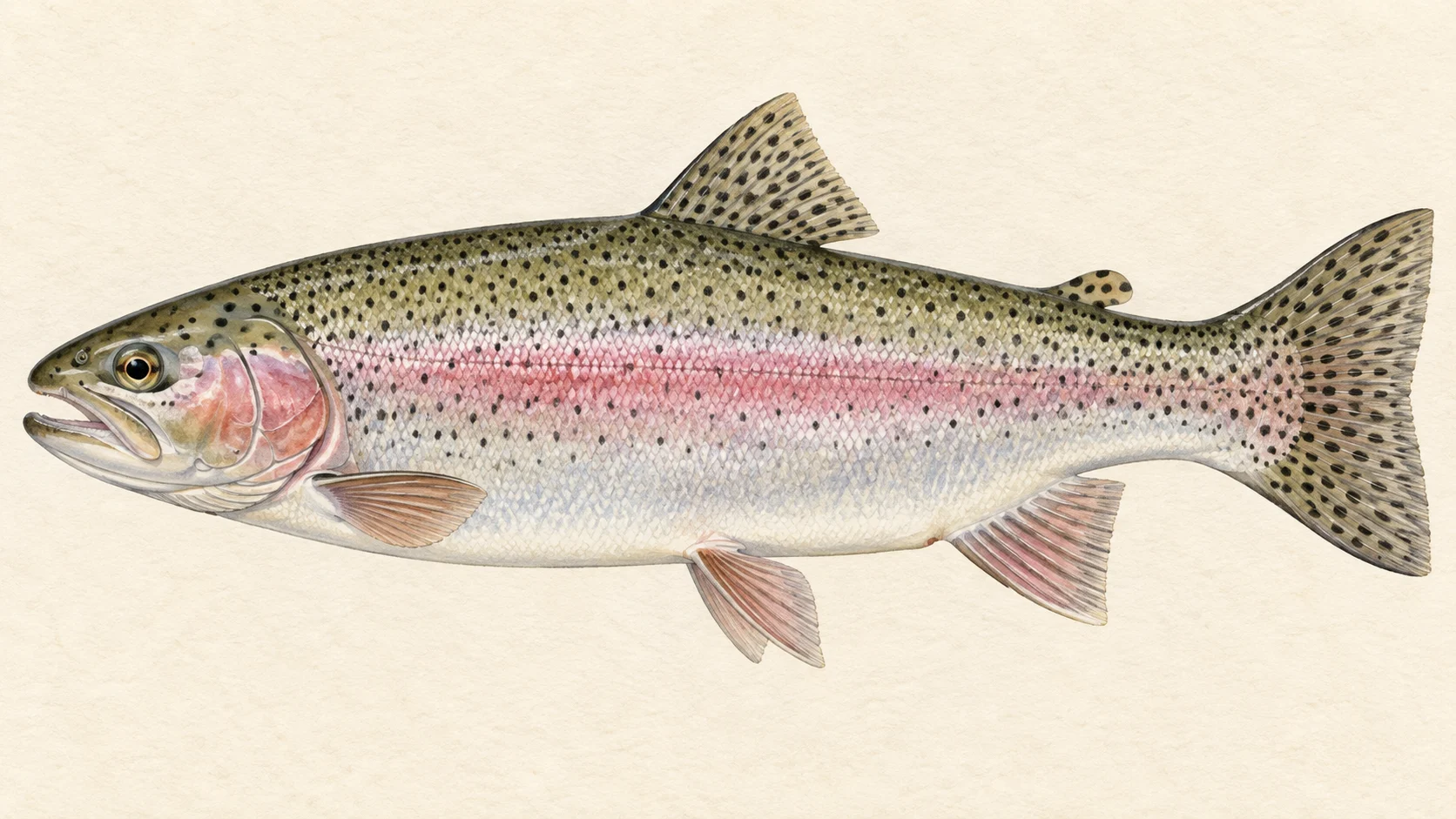
Yaouk Creek is a NSW creek that runs into the Murrumbidgee River, and the reason to drive to it is simple: NSW has been putting rainbow trout into it across recent seasons.
Think of it as a single stream that ends where it joins a bigger river. The creek runs down into the Murrumbidgee River, and that junction is the one landmark to hold in your head. Above it, read the water the way you would any small creek, one run and pool at a time.
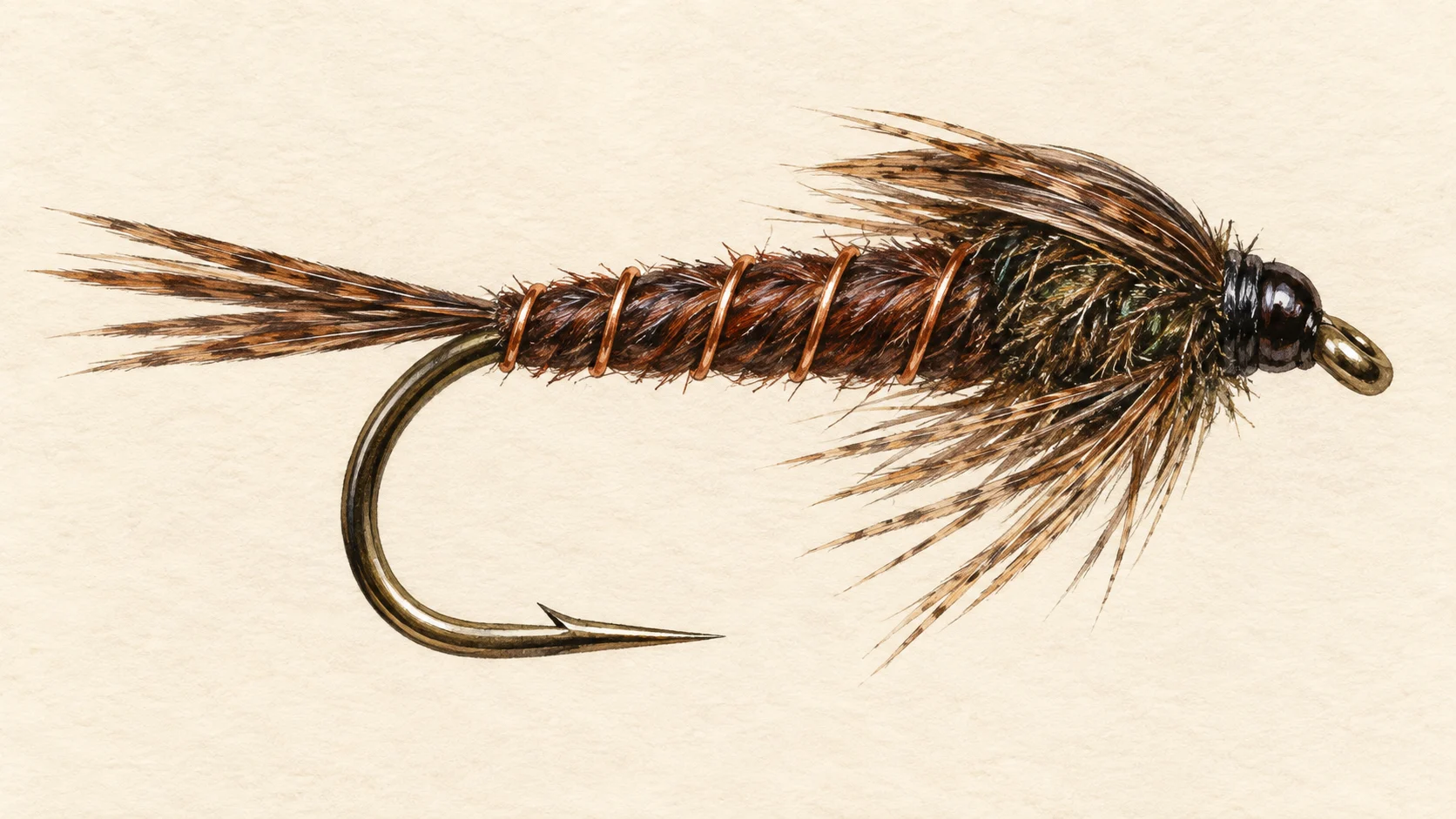
The easiest trip is rainbows on a nymph in spring. Choose a point from the access card, walk to the nearest broken water, and drift a small weighted nymph through the heads of the runs. In our experience freshly released rainbows are rarely shy, so if a run gives you nothing after a dozen good drifts, move up to the next one rather than changing flies. No water-specific rule was found, which means the current NSW fishing guide decides whether trout season is open when you arrive and what you may keep, so read it before you set out.
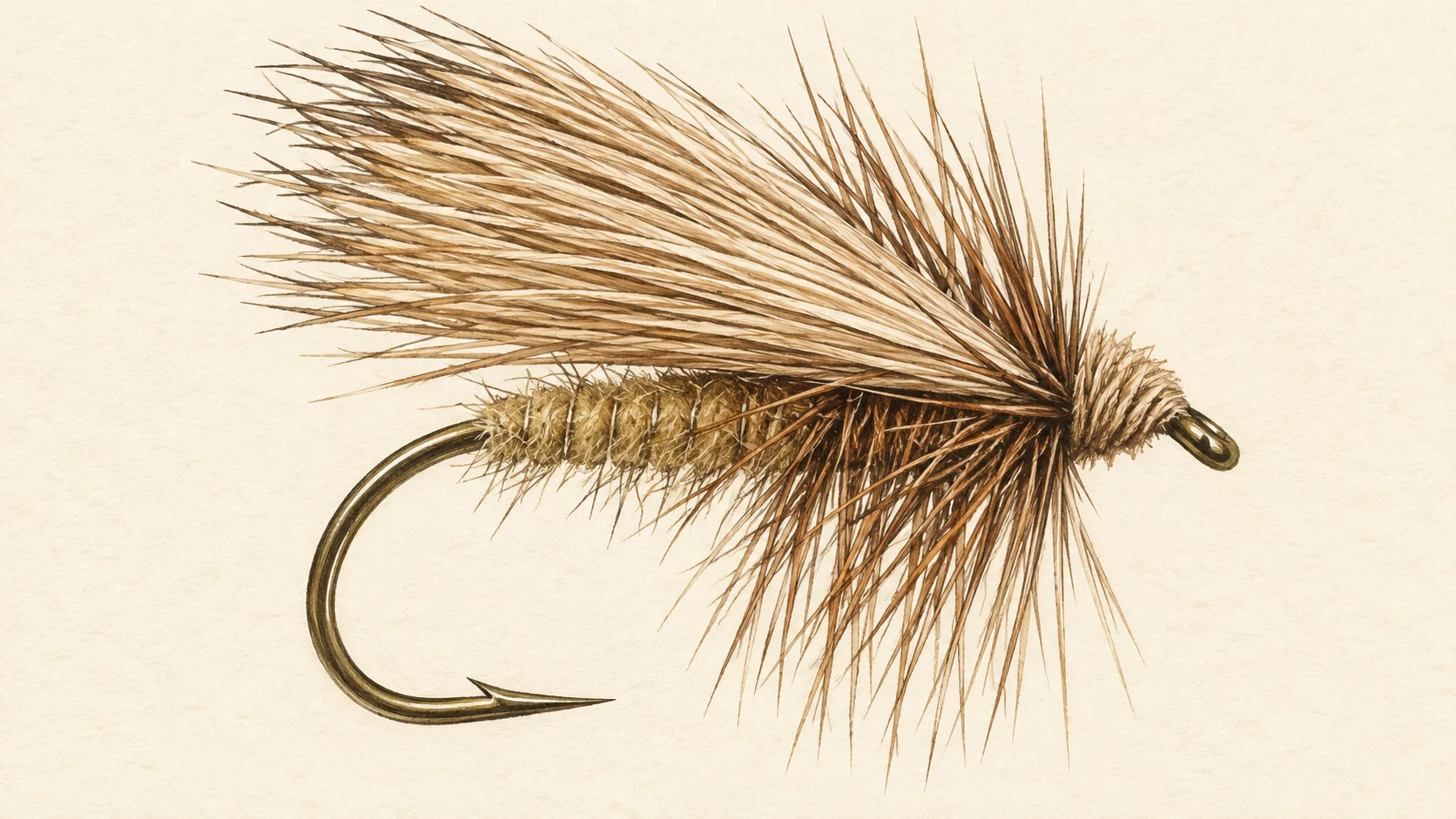
The second trip is a summer afternoon with a dry fly. When fish are rising, a small caddis or hopper along the edges can bring up a stocked rainbow that ignores everything sunk. On hot, bright days, fish the first and last light and leave the middle of the day alone. A short leader and a quiet approach matter more here than the pattern you choose.
Autumn, in our experience, is the time to cover more water. As the weather cools, slow down, fish the deeper pools with a light streamer, and cast from well back; a trout in a clear pool usually sees you first.
Pack a light rod, a box of nymphs, a few dries and two or three small streamers, and open the current NSW fishing guide before you leave.
Water and habitat
Yaouk Creek feeds the Murrumbidgee River. Beyond that, treat it as small-stream trout water and let the creek itself tell you where to look. In our experience trout in a creek this size hold where current meets cover: the head of a pool, a seam beside faster water, an undercut bank, a log across the flow. Stocked rainbows often favour the moving water at the heads and tails of pools, where food comes to them.
If the creek runs low and warm in summer, look for fish in the deeper, shaded water and in the broken water at the top of a run, where there is more oxygen.
Fish and forage
Rainbow trout are the fish here. NSW stocking records show releases into the creek across recent seasons, and the stocking chart shows the pattern year by year. In our experience, regular releases like that tend to mean a creek holds mostly smaller fish with the odd one that has grown on.
A stream trout eats, in our experience, mostly mayfly and caddis nymphs through the year, then turns to grasshoppers and beetles falling off the banks in summer. The larger fish will also chase a small fish. A box built around those covers most days on water like this.
When to fish it
Spring is, in our experience, the best start, as the water warms and insects get moving. Through summer the fishing narrows to the ends of the day and the odd cool one, with small dries and terrestrials along the edges. Autumn is a good time for a streamer through the deeper pools in March and April.
Whether the creek is open to trout fishing through winter is a question for the current NSW fishing guide.
How to fish it
In our experience a 3 to 5 weight with a floating line covers Yaouk Creek. Start with a size 14 to 16 Pheasant Tail or Hare's Ear under a small indicator, drifted through the heads of runs and along seams. Fish upstream so the trout see the fly before they see you, and keep your casts short and accurate on a small creek.
When fish are rising, switch to a size 14 Elk Hair Caddis or a small hopper and put it tight to the bank. In autumn, a size 10 Woolly Bugger in olive or black, swung across a pool and stripped back in short pulls, covers water fast.
Keep the leader long and fine for the dries, and step the tippet up a size for the streamer.
Access and safety
The access card names the access points. Treat them as locations, not a statement of permission, and respect any fence, gate or sign you meet on the ground.
As on any country creek, tell someone where you are going and when you expect back, carry water and sun protection in summer, and watch your footing on slick rock and soft banks. Small streams can rise quickly after rain upstream, so never wade a crossing you are unsure of.
Regulations
No water-specific rule was found for Yaouk Creek. Before you fish, read the current NSW Department of Primary Industries and Regional Development recreational fishing guide, including its closed-waters list, and take any trout season, bag or size limit, and the licence requirement, from it.