Water and habitat
Burbury is a large lake on Tasmania's West Coast, an area notorious for wild weather and strong south-westerly winds. The size is the main fact: there is far more water than you can cover, so you fish where the surface tells you the trout are.
FlyLife describes the lake as usually best fished from a boat, though the edges still produce rising fish. Southwestern shores are described as reachable along Mount Jukes Road and Crotty Dam Road, and the boat ramp at the southern end sits just north of the dam wall.
Fish and forage
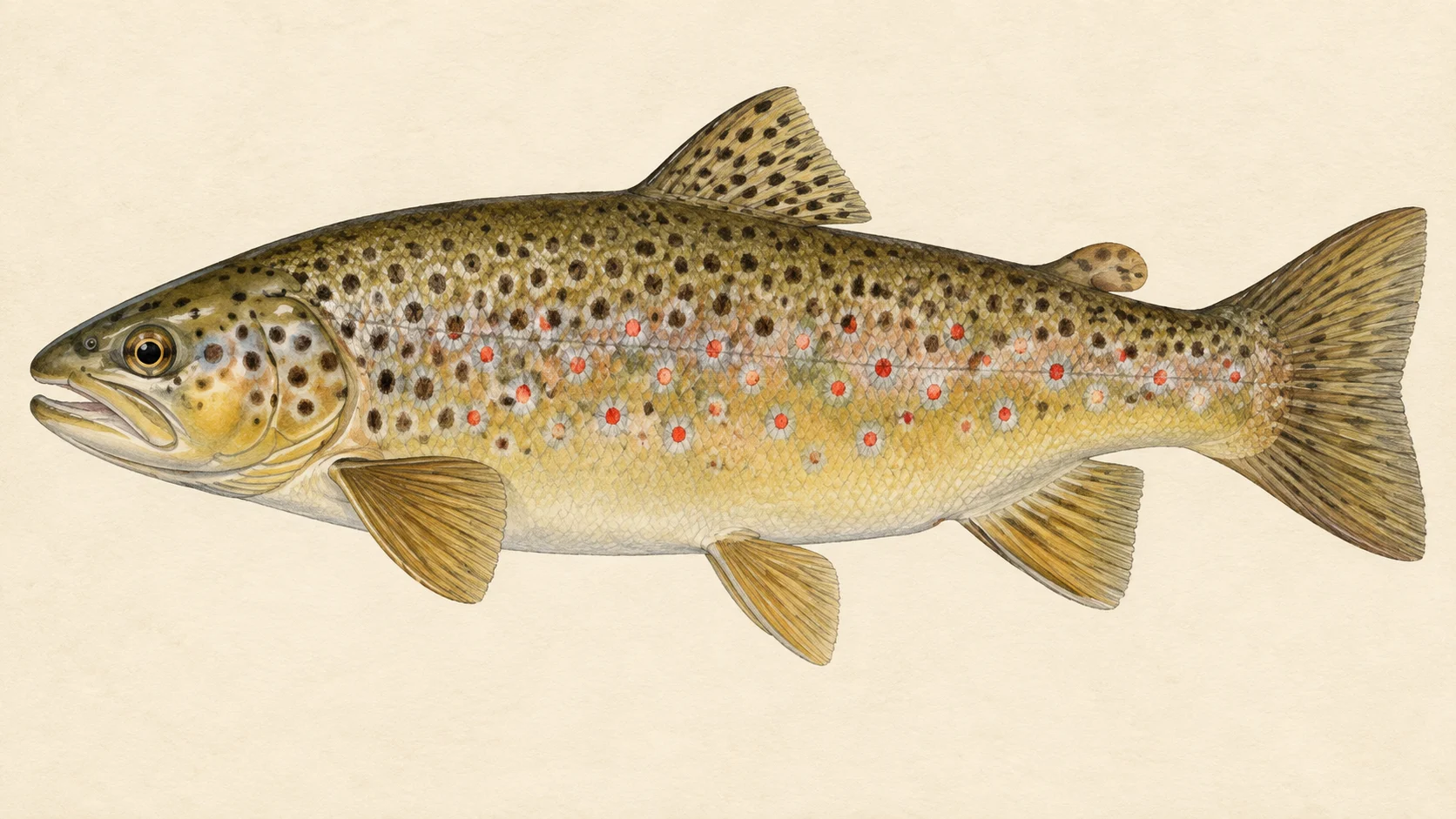
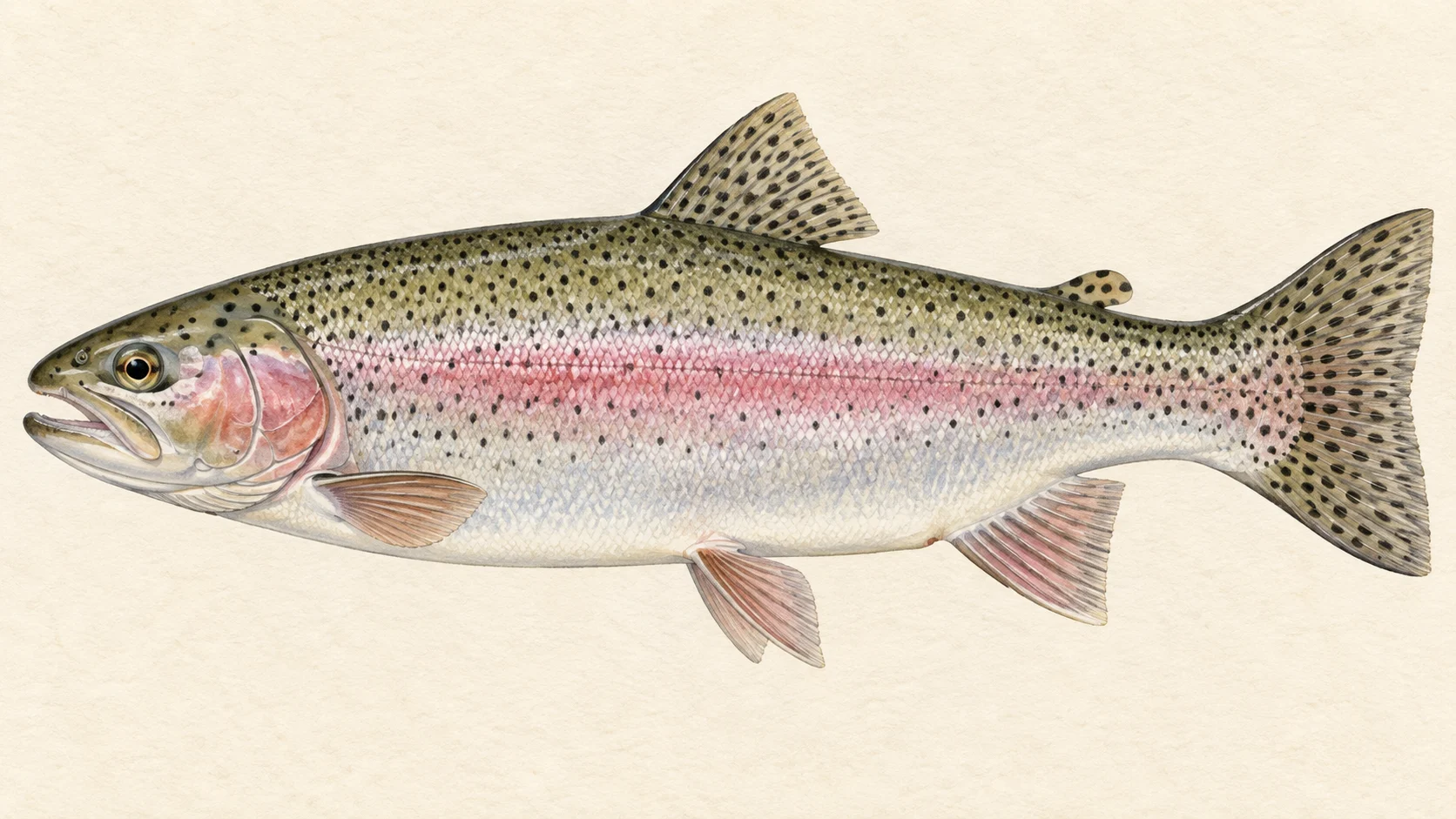
The lake holds a good head of rainbow and brown trout. The stocking chart shows what has gone in, and Climbing Galaxias have also been recorded.
The food that matters most is midge. FlyLife reports the best concentrations of hatching midge between first light and about an hour after sunrise, and big hatches on still mornings are the listed highlight. In the warmer months, calm summer evenings can also bring on a mudeye migration.
For flies, keep it simple. A small wet and something larger and buoyant will cover the midging fish; the calendar has the patterns FlyLife's writers name.
When to fish it
Midge hatches are reported from January through April, and also on calm, mild winter mornings, so the lake is not a one-season prospect. The pattern through the year is the same either way: pick still mornings and be on the water early.
Summer evenings are the other bet. Calm and warm ones can bring on a mudeye migration, so if the evening is flat and the fish are moving, stay out.
How to fish it
Start with the surface. After a big overnight hatch, trout mooch across the lake and take a small wet drawn past the nose, or a larger dry, sometimes with a nymph under it. Bobs Bits in sizes 12 to 16 is listed for browns and rainbows.
Where fish are feeding on midge, a fly that stands out from the naturals, a large Chernobyl Ant or a Bruisers Bug, is described as one of the most effective ways to get a take. In our experience the trick is to cast to a rising fish, then be patient and let the fly sit.
On the days the surface is blank, wet-fly prospecting along the edges is the sensible fallback.
Access and safety
The southwestern shores are described as accessible along Mount Jukes Road and Crotty Dam Road, and there is a boat ramp at the southern end, just north of the dam wall. Treat that as description rather than permission, and follow any signs you meet at the shore.
The West Coast is known for wild weather and strong south-westerlies. As on any big lake, check the forecast, tell someone where you are launching and when you will be back, and be ready to come in early if the wind gets up.
Regulations
Before you fish, read the current Tasmanian Government Inland Fisheries Service guide, under the Inland Fisheries Act 1995 and Inland Fisheries Regulations 2019, and check its closed-waters list. Take licence requirements, season, bag and size limits from it.