Australia Fly Guide
TAS · North

North Esk River

Imagery © Esri

The North Esk is a brown trout river on the doorstep of Launceston, and the reason to fish it is how close good water sits to the city.

The river forms in the Northallerton Valley, winds through forest and farmland with plenty of willows, and runs through Launceston's suburbs to meet the Tamar. FlyLife also describes a rainforest section where the trees close over the water.

Start on the suburban water above the city early in the season. Corra Lynn, Blessington Road and Camden Road are the named starting points, and high early-season flows are described as fishing well there.

Come back in summer and autumn for the hatches: caddis, hoppers late in summer, small mayfly in autumn. Fish the rainforest section only if you enjoy working out a drift under the trees.

Check the current Inland Fisheries Service guide first.

Water and habitat

FlyLife describes the river as forming in the Northallerton Valley and winding through forest and farmland, with many willows, before running through the Launceston suburbs to form the Tamar. It calls it a predominantly freestone river, with sandier, flatter sections lower down and easy wading.

The rainforest section is described as generally shallow, with bright green weed patches over a gravel bottom. In water like that, fish tend to sit where the weed and the gravel give them cover, so look at the weed edges and the seams beside it before you look anywhere else.

Fish and forage

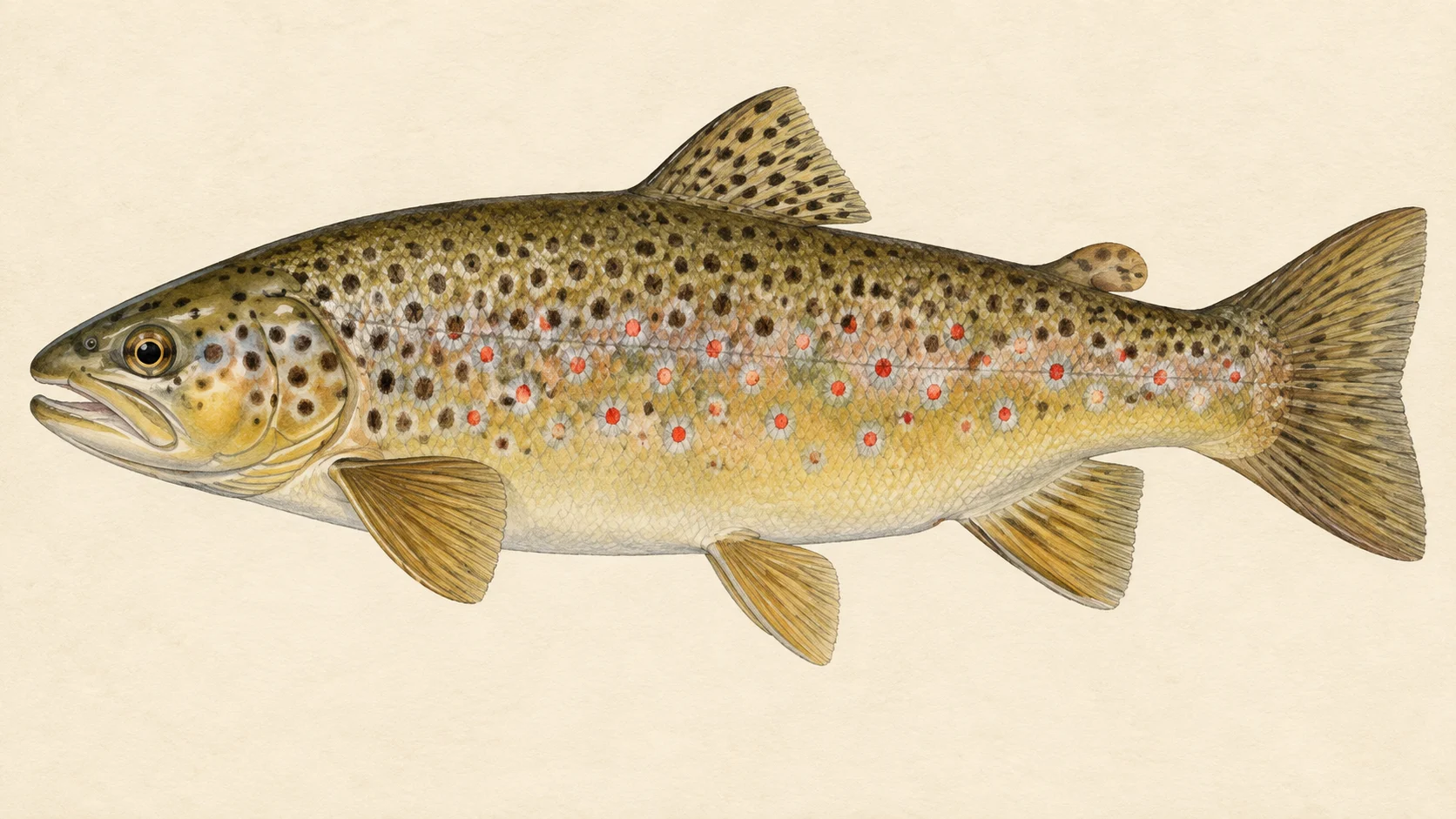
Brown trout are the fish here. FlyLife describes the rainforest section's browns as fit and dark-coloured.

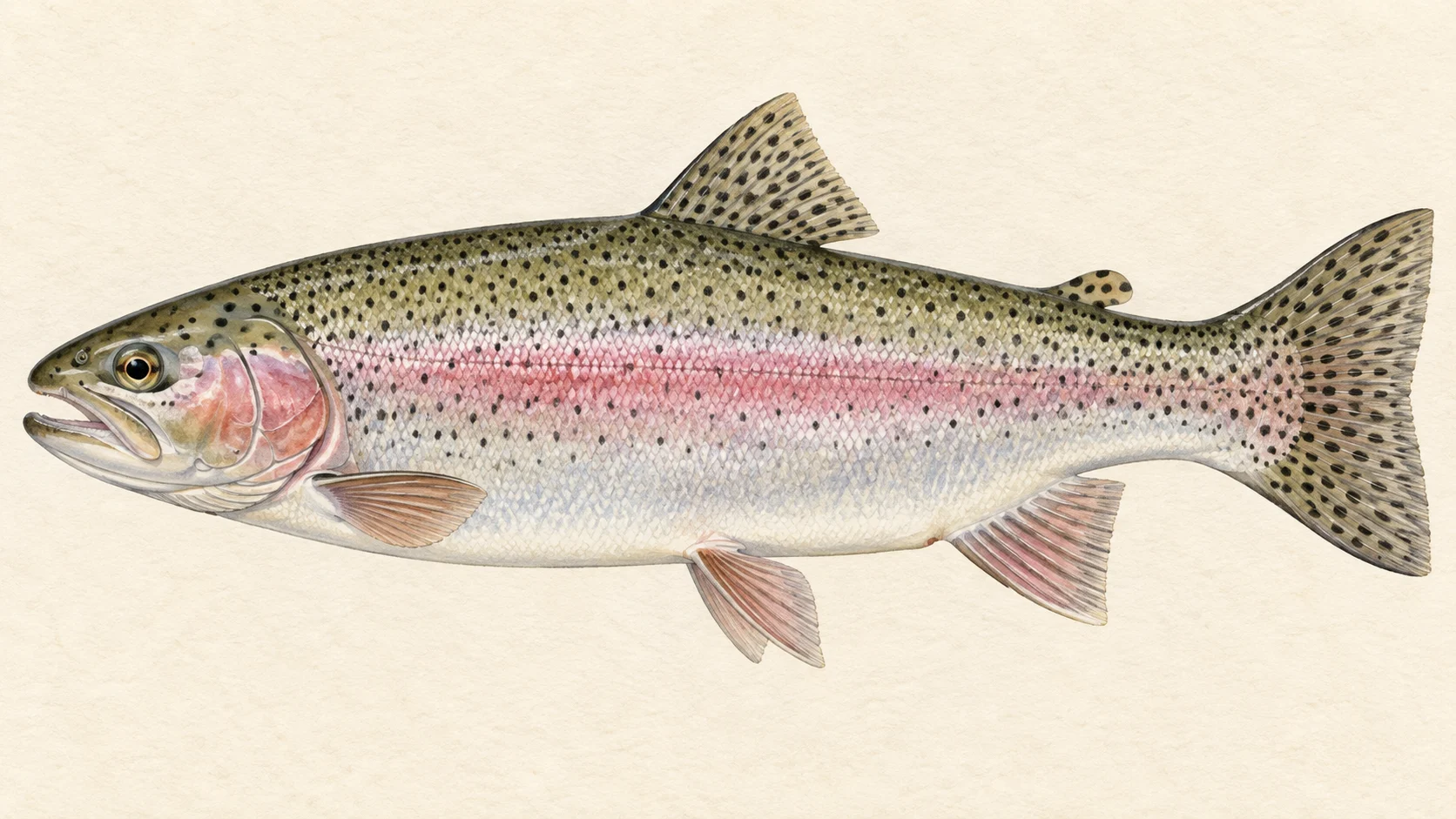
A small number of rainbow trout have been stocked, and the stocking chart shows the one season they went in. Plan for browns and count a rainbow as a bonus.

Forage as FlyLife's writers describe it runs through the year: caddis through summer, hoppers in late summer, and small mayfly in autumn. Their fly table lists a Copper John in sizes 14 to 16 and an F-Fly in sizes 16 to 18 for browns and rainbows, which is a fair pair to start with.

When to fish it

Early in the season, high flows are described as fishing well just above Launceston in the suburbs. That is the time for the easy, close-to-town trip.

Through summer, FlyLife's writers describe good caddis fishing, and late summer brings what they call terrific hopper fishing. In autumn the small mayfly take over.

How to fish it

On the tree-tunnelled rainforest stretches, FlyLife's writers say the challenge is less finding fish than getting a natural drift in among the trees. That is a casting and mending problem more than a fly problem, so plan your position and your line before you step into the water.

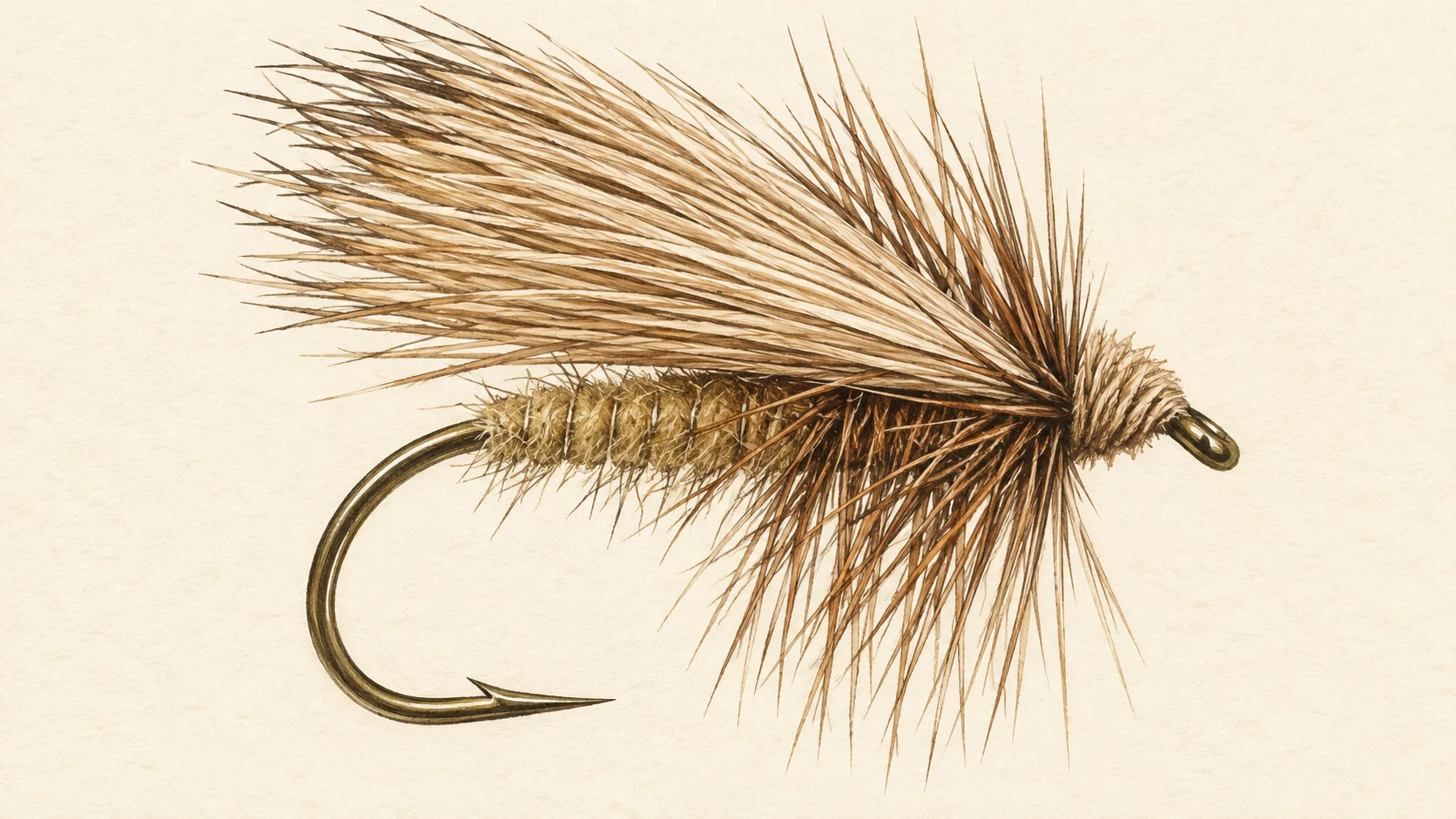
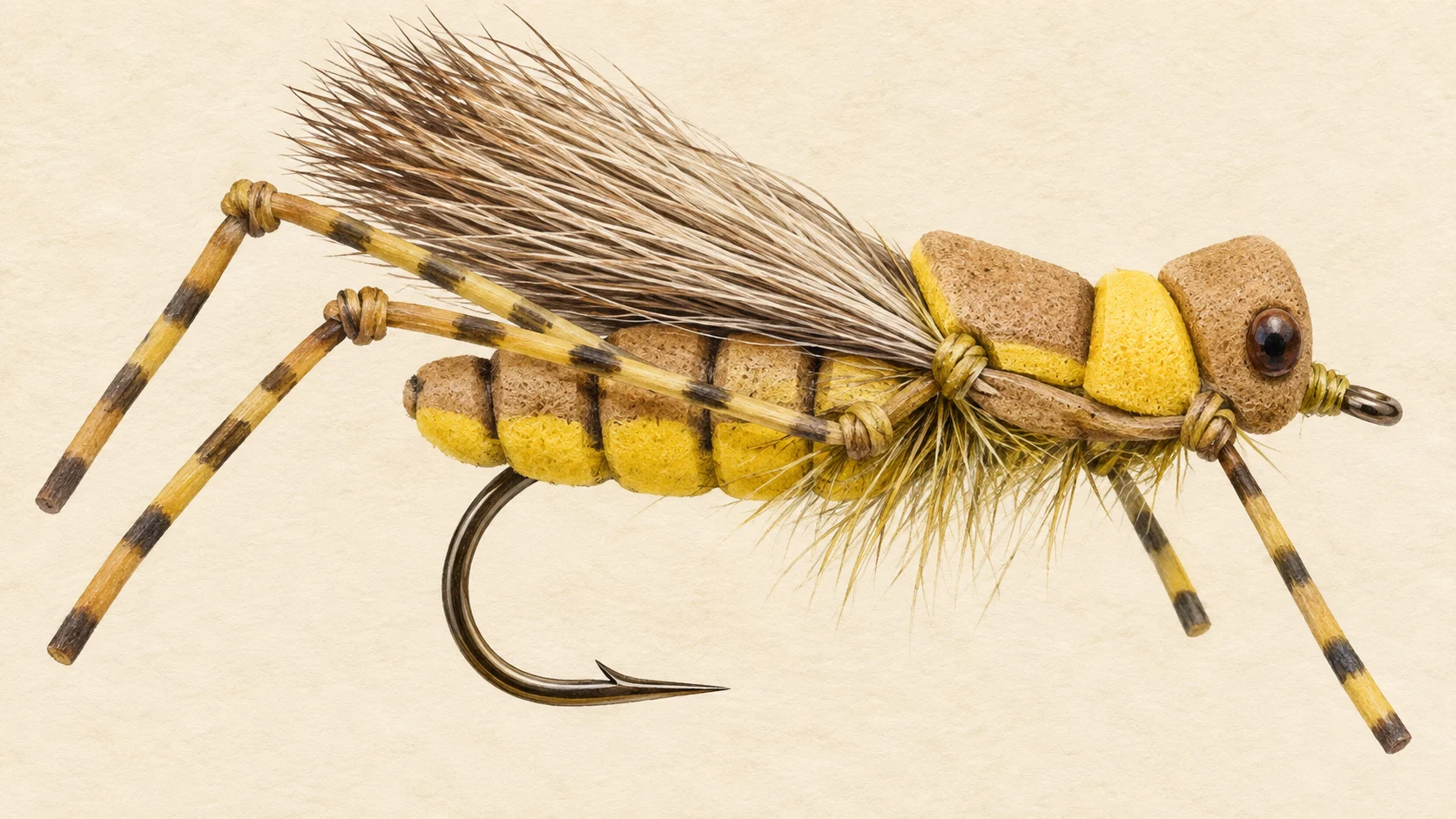
In our experience a Copper John under a small dry is a sensible way to cover a run, and an Elk Hair Caddis is the natural dry for the summer caddis fishing. When the hoppers are on in late summer, land one tight to the bank and let it sit. In autumn, switch to small mayfly patterns and fish them to rising fish.

Access and safety

FlyLife names Corra Lynn and angler access along Blessington Road and Camden Road as places to start on the suburban water. Treat them as locations, not a statement of permission, and respect any fence or sign you meet on the ground.

As on any bush river, tell someone where you are going and when you expect to be back, carry water, and watch your footing on wet rock and weed. After heavy rain, give the river time to drop and clear before you wade.

Regulations

Before you fish, read the current Tasmanian Government Inland Fisheries Service fishing guide, under the Inland Fisheries Act 1995 and the Inland Fisheries Regulations 2019, and take any season, bag and size limits, licence requirements and closed-waters information from it.
When things happen

The guide's calendar for this water

When things happen

The year on this water

A year at a glance; check current rules

  • Caddis through summer · Dec to Feb FlyLife's writers describe good caddis fishing through summer. A small caddis dry or a small nymph is a sensible thing to have on when nothing else is showing.
  • Hoppers in late summer · Feb to Mar FlyLife's writers describe terrific hopper fishing in late summer. Put one tight to the bank where grass or willow overhangs the water.
  • Small mayfly in autumn · Mar to May FlyLife's writers describe small mayfly in autumn. Carry a few small mayfly patterns and fish them to any rising fish.
  • Copper John and F-fly · Oct to May FlyLife's fly table for the river lists a Copper John in sizes 14 to 16 and an F-Fly in sizes 16 to 18 for brown and rainbow trout. Treat them as a starting pair for the nymph and the dry.

What the record shows

Flows, river gradient, changing water levels, fish surveys and stocking

What the record shows

The river's year

Daily flow at North Esk River at Ballroom, every year 1923 to 2026

0.5 1 2 5 10 20 typical range high-flow mark Jan Feb Mar Apr May Jun Jul Aug Sep Oct Nov Dec m³/s
103 years of the gauge, week by week. The dark band is the middle half of all years, the pale band nine years in ten, the line the median. The shaded strip is the typical range: the band the river sits in about half of all days. In a typical year the river sits in it from late October through the turn of the year to mid February, and runs higher than that from late June to mid October. Whether a given day is one to wade is a call made at the bank, not a reading off this chart. Median flow peaks in mid August and bottoms out in early March.
Source: Bureau of Meteorology.
Source details and licence

Bureau of Meteorology — Water Data Online series catalogue (Snowy/Monaro stations). Bureau of Meteorology, © Commonwealth of Australia. Licensed from the Commonwealth of Australia under a Creative Commons Attribution 4.0 International licence. retrieved 2026-08-12.

How often it runs this high

34,313 days at North Esk River at Ballroom, 1923 to 2026

0.5 1 2 5 10 20 50 typical range 1.044 to 4.27 m³/s high-flow mark 9.125 m³/s 0% of days 25% of days 50% of days 75% of days 100% of days m³/s
Read it left to right: the river runs above the flow on the left edge almost never, and above the flow on the right edge almost always. Half of all days sit below 2.8 m³/s. The shaded band is the typical range, where it sits about half the time; it runs higher than that one day in three and above the high-flow mark about one day in seven. These are frequency bands drawn from the record, not a measured limit — judge the water when you get there.
Source: Bureau of Meteorology.
Source details and licence

Bureau of Meteorology — Water Data Online series catalogue (Snowy/Monaro stations). Bureau of Meteorology, © Commonwealth of Australia. Licensed from the Commonwealth of Australia under a Creative Commons Attribution 4.0 International licence. retrieved 2026-08-12.

Stocking on record

One recorded release: 50 rainbow trout, 2020. A record is not a promise that stocking continues, and not evidence of what is in the water now.

Source: Inland Fisheries Service (Tasmania).
Source details and licence

Inland Fisheries Service (Tasmania) stocking database. retrieved 2026-08-20.

Conditions

What the gauges say

North Esk River at Ballroom

River flow

No reading shown: No reading has been captured for this gauge yet, so none is shown.

Gauge height

No reading shown: No reading has been captured for this gauge yet, so none is shown.

Readings from the Bureau of Meteorology's Water Data Online, © Commonwealth of Australia, licensed CC BY 4.0. Nothing here is a forecast. Check the gauge before you rely on it.

Weather

What the sky is doing

Live weather for North Esk River at Ballroom loads here. If it does not, check the Bureau of Meteorology forecast before you go.

Weather data by Open-Meteo.com

Questions anglers ask

What will I catch?

Brown trout are the fish to plan for. FlyLife describes the rainforest stretch as holding fit, dark-coloured browns. Rainbows have been stocked, but the stocking chart shows how few, so treat any rainbow as a bonus.

Where do I start?

FlyLife names Corra Lynn and the roads along Blessington Road and Camden Road as places anglers start on the suburban water just above Launceston. Treat those as locations only, and read the signs and fences on the ground.

Is there a closed season or a bag limit?

Check the current Tasmanian Government Inland Fisheries Service fishing guide, including its closed-waters information, and take any season, bag and size limits from it before you fish.

What flies should I take?

A Copper John and an F-Fly are the flies FlyLife lists for the river, with caddis in summer, hoppers in late summer and small mayfly patterns for autumn.

Behind this page