Pine Tier Lagoon is a long, narrow lake off the back of the Central Plateau, near Bronte Park, and it is a place to go for a lot of rising fish.
Two arms, the Pine River and the Nive River, feed it. Start where the Pine River enters, in the grassy basin at the northern end.
You will mostly meet small wild browns and rainbows, and plenty of them. Bring a dry and a nymph.
Look up the current Tasmanian rules, then go.
Water and habitat
FlyLife describes the lake as long, narrow and intimate, with the Pine River and the Nive River forming its main arms. The Pine River inflow at the northern end has expansive grassy flats that suit polaroiding, and FlyLife's writers report an abundance of rising and leaping fish there.
The flooded margins matter as much as the open water. Brown trout can be sighted tailing between grass islands and tussocks, and FlyLife describes casting to them from a shallow-draft punt. Whether you fish the edges or the flats, spend the first ten minutes looking rather than casting.
Fish and forage
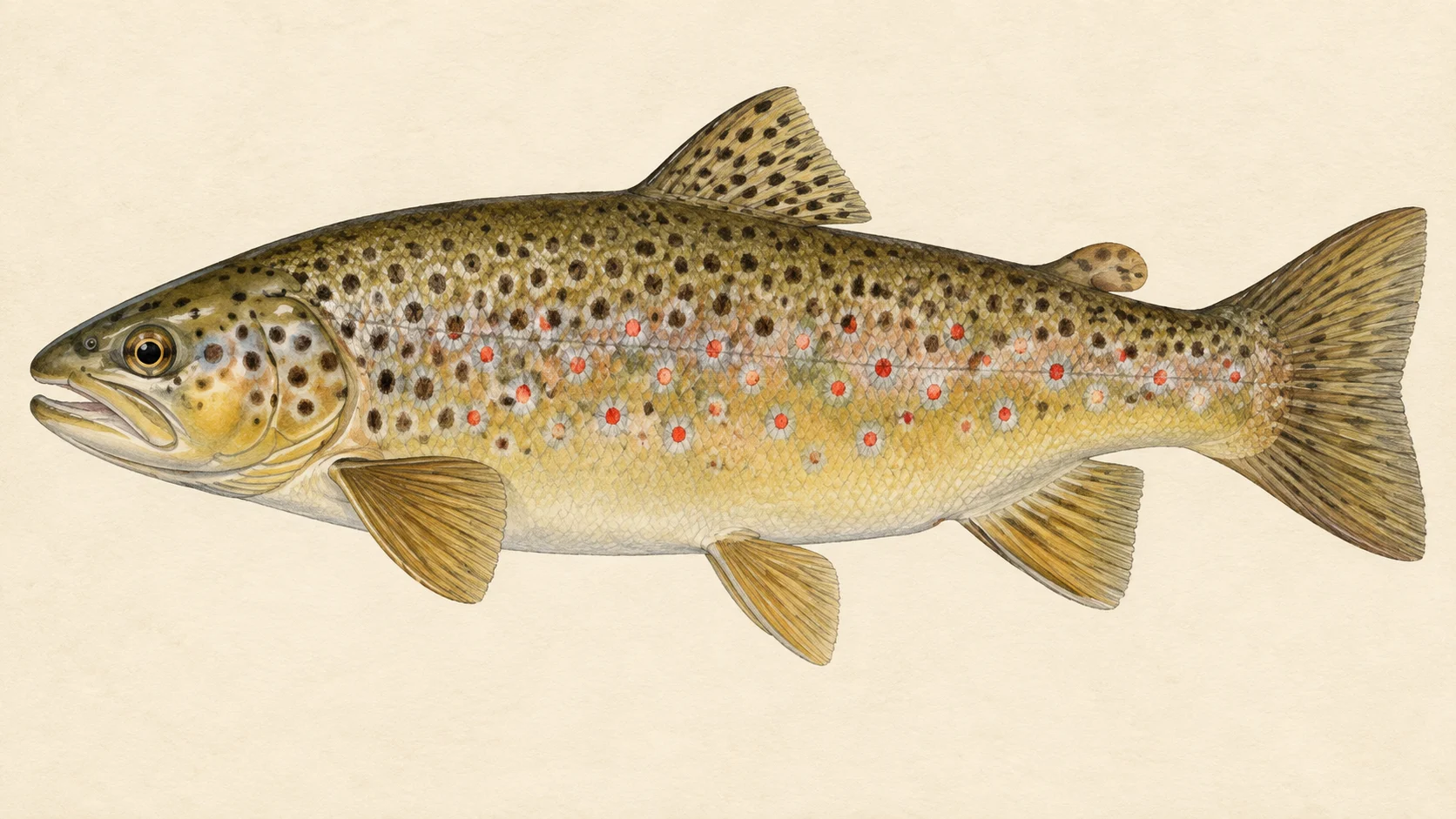
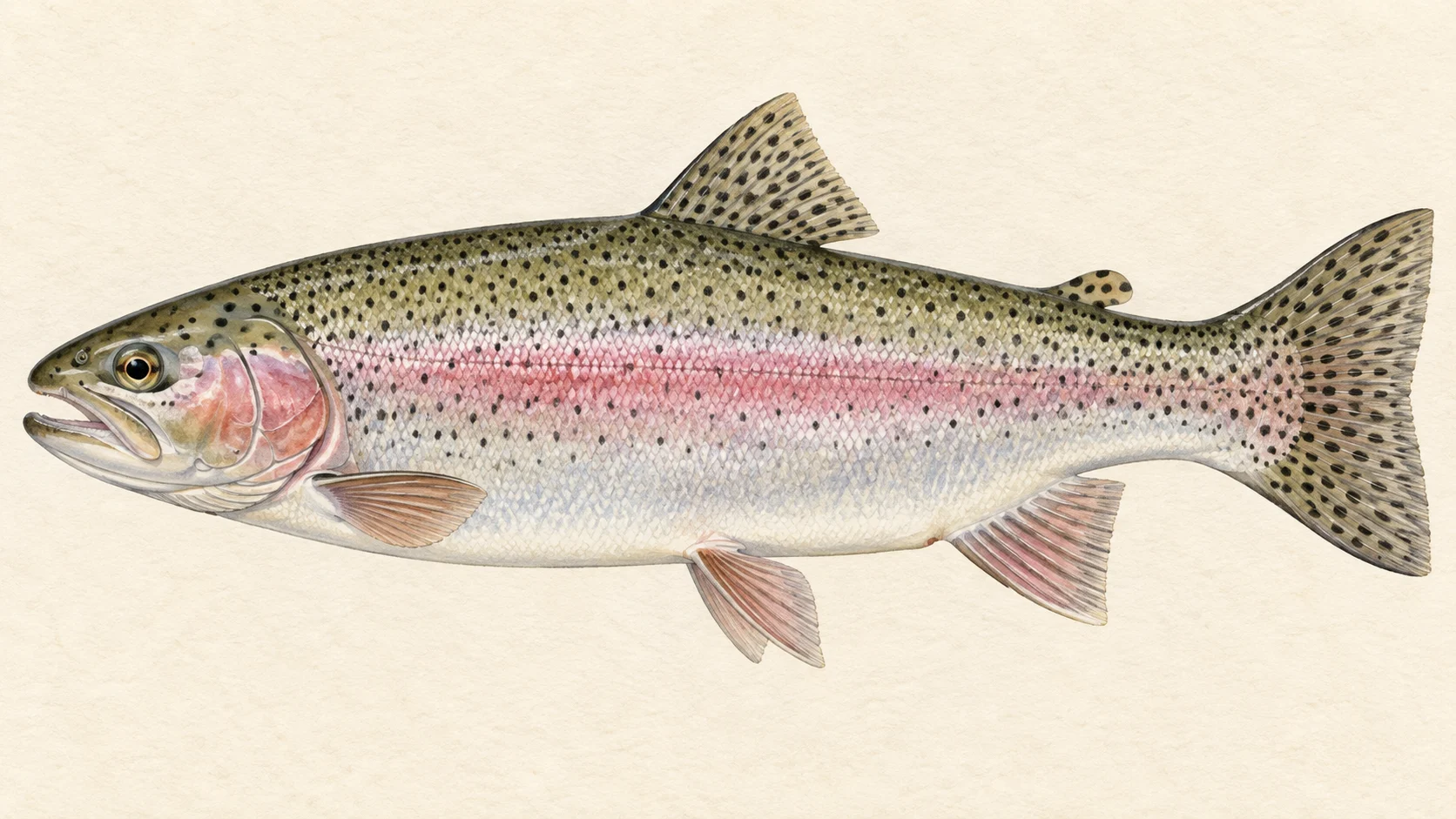
Brown and rainbow trout are the fish to plan for. FlyLife's description is lots of small wild fish, not a handful of big ones. That tells you what a good day looks like: many takes, modest fish.
The forage is what you would hope for on a highland lake. Lots of mayfly are described from late spring, midge all season, caddis around the grassy edges, and damsels and gum-beetle falls in summer. A dry that matches the hatch of the month is a good bet, with a midge or nymph behind it when nothing is on the surface.
When to fish it
The calendar above follows the insects FlyLife describes. Late spring brings the mayfly, midge fish through the season, and summer adds damsels and beetles falling from the gums. For a first visit, pick a warm day in the mayfly or summer window, when a dry fly is most likely to be the right answer.
How to fish it
In our experience, start with a dry, watch the water for rises, then go to a nymph if the fish go down.
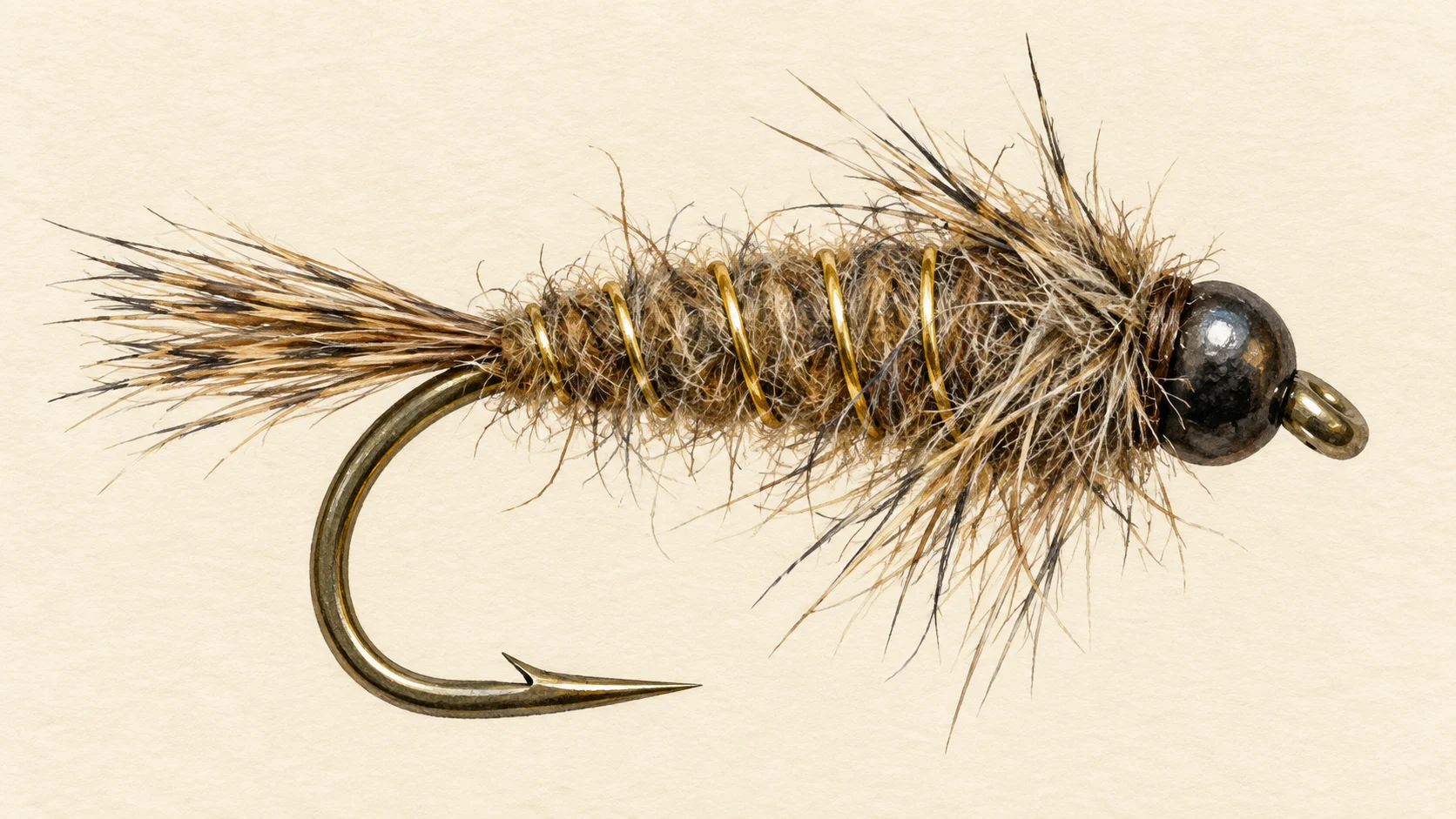
For flies, FlyLife's flies table lists a black Fur Fly in sizes 10 to 14 and an unweighted Hare's Ear Nymph in sizes 12 to 14, both for browns and rainbows. The Hare's Ear is a sensible nymph to carry.
On the grassy flats, walk slowly and look for tails and rises before you cast. A fish that has been seen is a fish worth a good cast. These are a guide's read, not a record.
Access and safety
FlyLife describes access as a road to the boat ramp, or the right-hand fork before the ramp around to the grassy basin where the Pine River enters. Treat that as a description of the route, not a statement of what you may do, and read any signs and gates on the ground.
As on any highland lake, dress for cold, wind and wet weather, and tell someone where you are fishing.
Regulations
No water-specific rule was found. Before you fish, check the current Tasmanian Government Inland Fisheries Service guide, under the Inland Fisheries Act 1995 and Inland Fisheries Regulations 2019, including its closed-waters list, for seasons, bag and size limits and licence requirements. Read more about the two trout on the brown trout and rainbow trout pages.