Australia Fly Guide
VIC · Otway

Barham River

Imagery © Esri

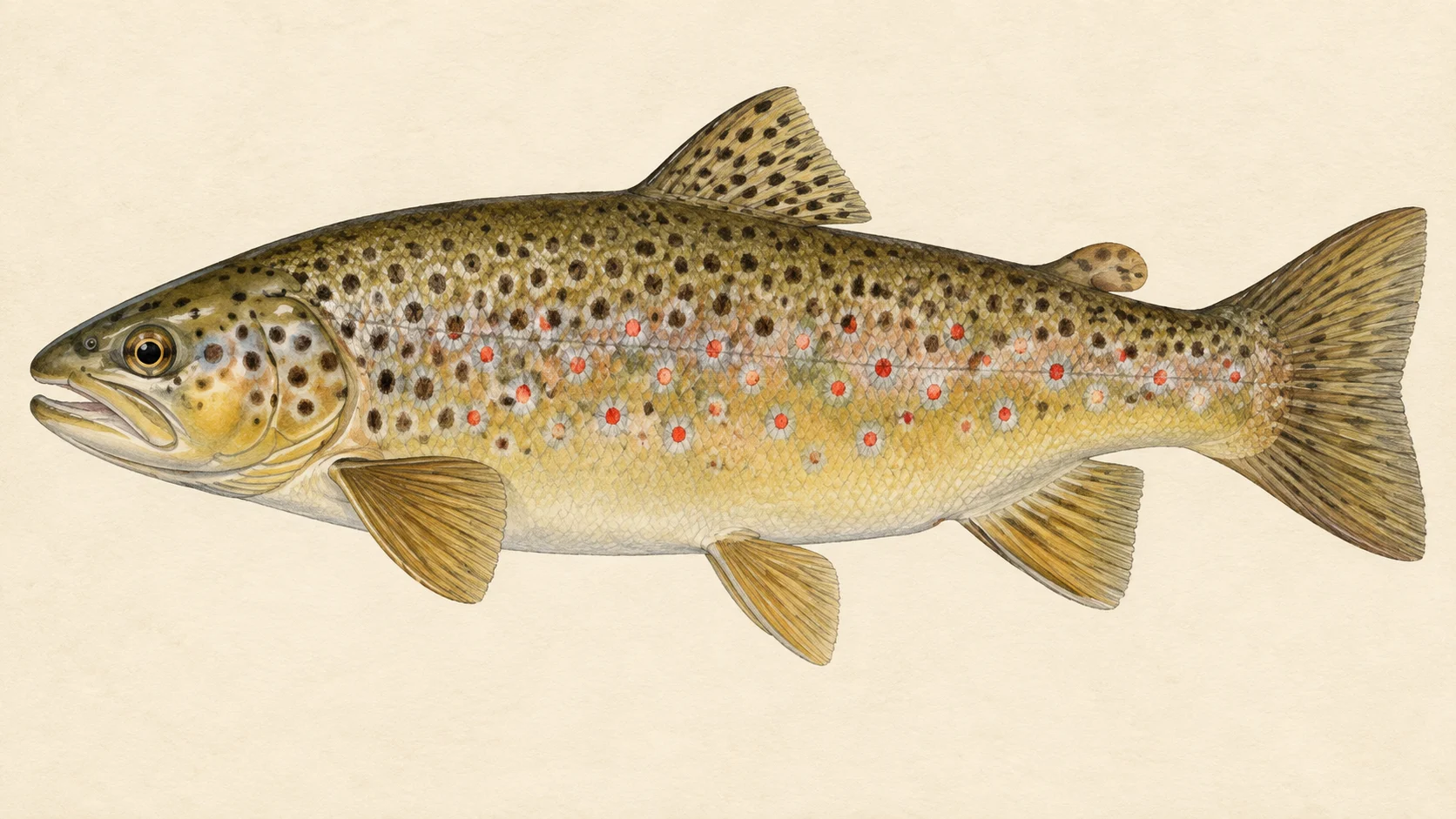
The Barham is a short coastal stream at Apollo Bay in the Otways, and it is worth a visit for brown trout, including sea-run fish near the coast.

It runs in two parts. Above the Great Ocean Road bridge it is shaded, clear headwater; below it the river opens into a slow estuary beside pasture.

Fish the upper river with a dry and a nymph, and the lower river and estuary with streamers when sea-run browns are about.

Base yourself in Apollo Bay and read the current Victorian Fisheries Authority guide before you go.

Water and habitat

The Barham is a short coastal Otways stream. It runs from forested ranges through fern gullies and farmland before meeting the sea at Apollo Bay. The upper and middle reaches are classic Otway headwaters, shaded, clear and cool, kept that way by year-round rain and rainforest canopy.

Below the Great Ocean Road bridge the river becomes a slow, meandering estuary beside coastal pasture.

Fish and forage

The Barham holds a self-sustaining brown trout population, with fewer rainbow trout. Near the mouth there are occasional Australian salmon, black bream and mullet. Sea-run browns are a highlight of the lower river near Apollo Bay.

Recorded fish also include estuary perch, Australian grayling, redfin and a run of small natives such as galaxias, gobies and lampreys.

FlyLife's writers describe the Barham as offering small-stream trout water and a chance at sea-run browns despite its modest size. It is not a high-numbers fishery.

When to fish it

Summer dry-fly fishing is listed as a highlight of the Barham. Larger migratory browns use the lower river and estuary after rain or cooler flows from late autumn through spring, so that is the time to fish the lower water.

How to fish it

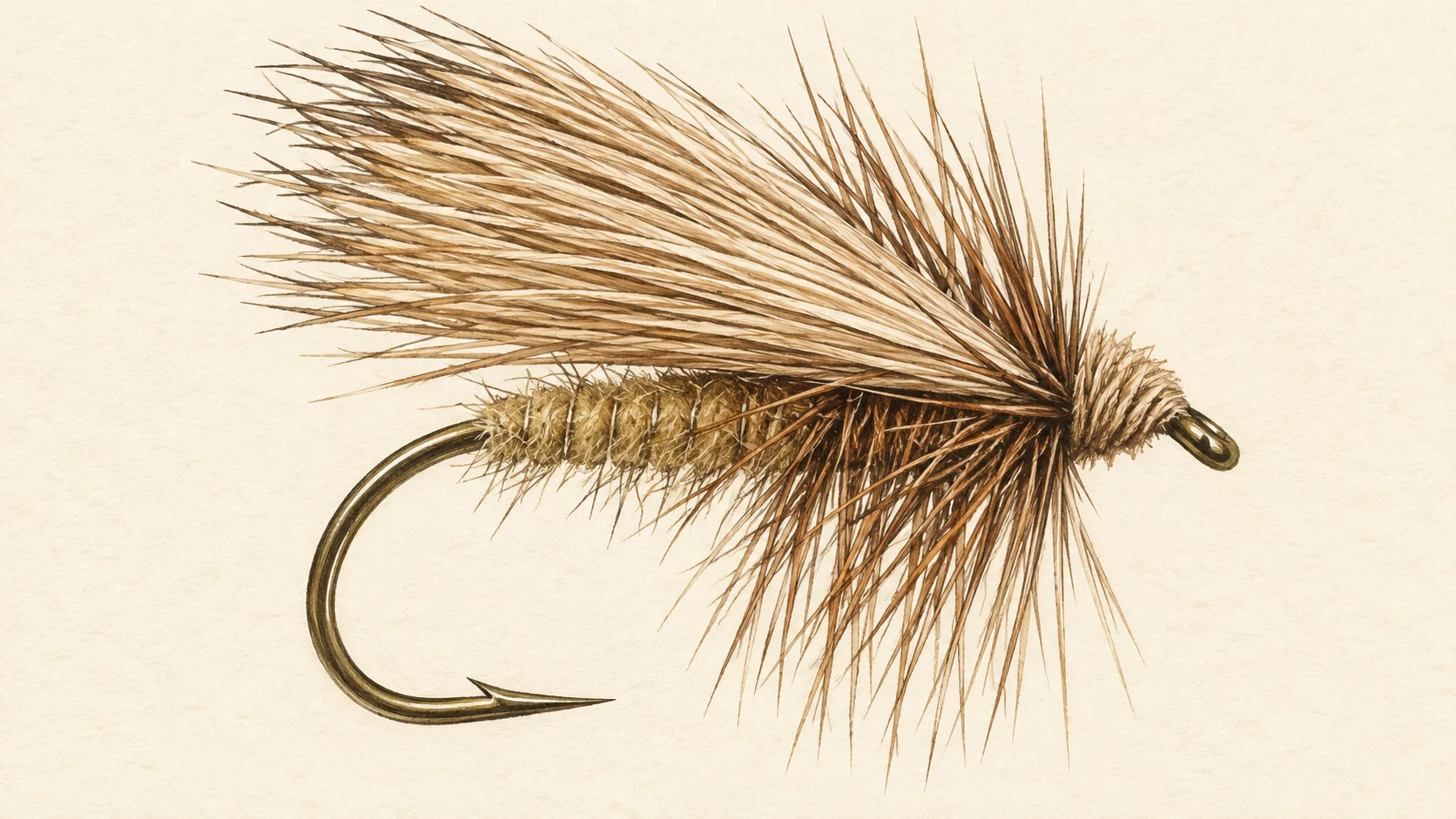
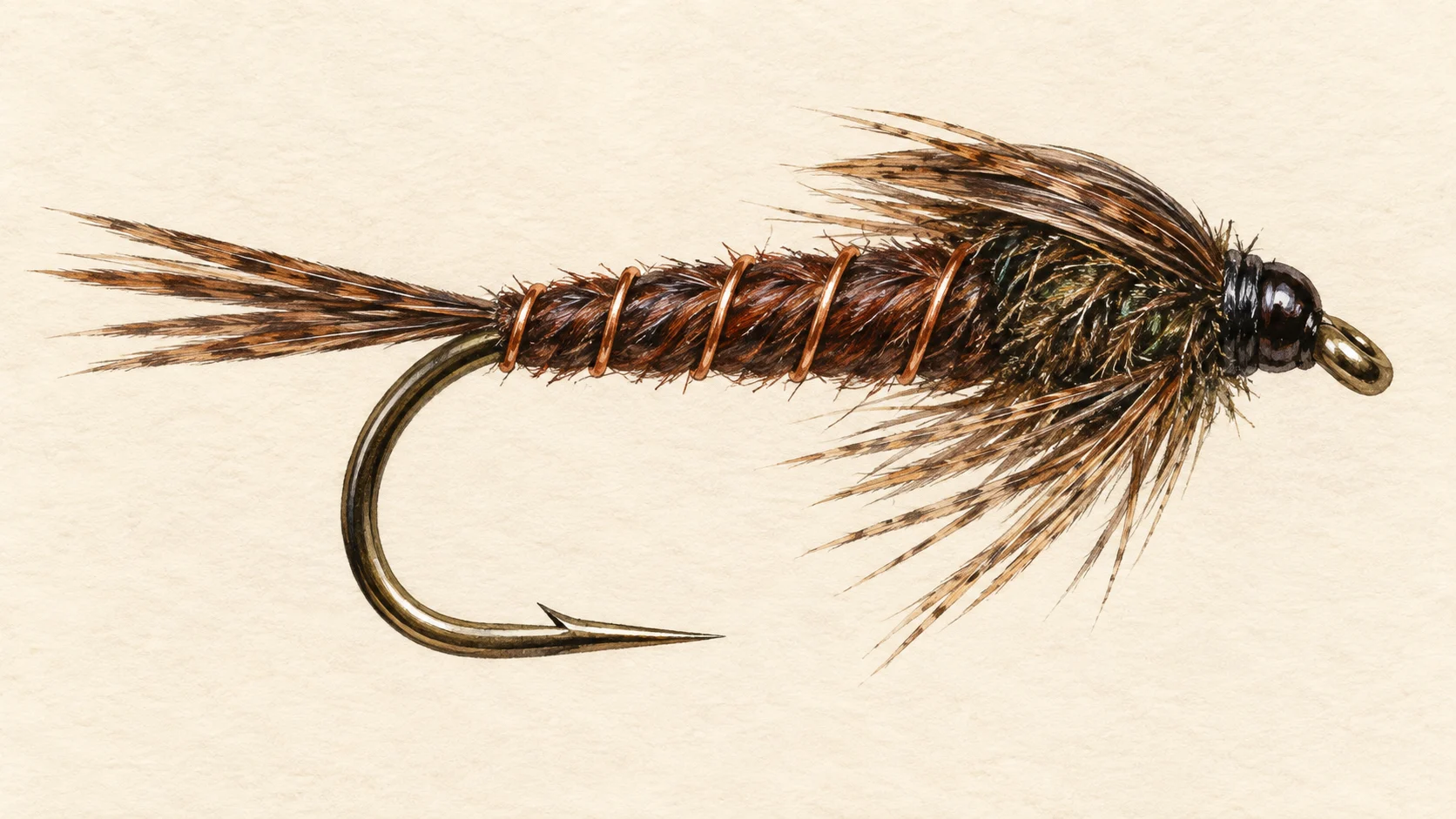
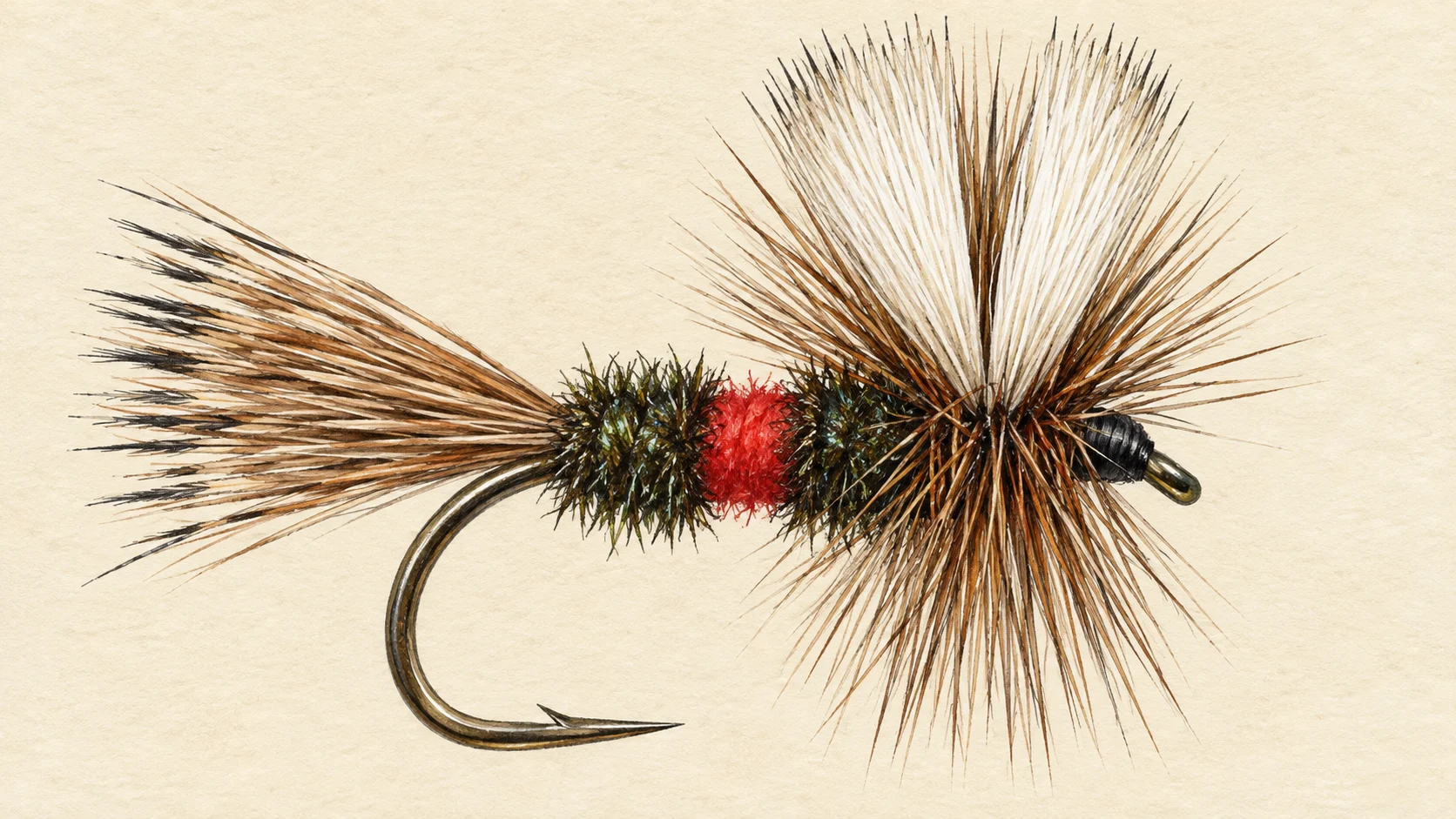
The upper Barham suits dry-fly and nymph fishing. Royal Wulff, Elk Hair Caddis, Adams and Pheasant Tail nymph are the consistent small-stream patterns. A Tabanas Parachute Sedge in sizes 10 to 14 and an Orange Beaded Black Streamer in sizes 8 to 12 are both listed for browns.

On the lower river, Woolly Buggers, Matukas and small baitfish imitations work when retrieved slowly or swung through deeper channels at dusk or dawn. In the cooler months, when sea-run trout move in, the slow glides and brackish water call for streamers and smelt patterns.

It is not a high-numbers fishery, so a stealthy, accurate approach pays. Cover the water carefully and make each cast count.

Access and safety

Barham River Road follows much of the river and gives good access to the lower and middle sections, with pull-offs and bridge crossings for wading. Apollo Bay is the practical base. The West Branch is small, intimate trout water reached only by walking tracks and a few 4WD tracks off Barham River Road West.

As on any bush river, tell someone where you are going and when you expect to be back, and never wade a crossing you are unsure of. Treat every access point as a location, not a statement of permission, and respect any fence or sign you meet.

Regulations

No water-specific rule was found for the Barham. Before you fish, read the current State of Victoria Victorian Fisheries Authority inland angling guide, including its closed-waters list, and take any season, bag and size limits and licence requirements from it.
When things happen

The guide's calendar for this water

When things happen

The year on this water

A year at a glance; check current rules

  • Summer dry-fly fishing · Dec to Feb Summer dry-fly fishing is listed as a highlight of the Barham. Royal Wulff, Elk Hair Caddis and Adams are the consistent small-stream patterns.
  • Sea-run browns in the lower river · May to Nov Larger migratory browns use the lower river and estuary after rain or cooler flows from late autumn through spring. Streamers and smelt patterns suit the cooler months.

What the record shows

Flows, river gradient, changing water levels, fish surveys and stocking

What the record shows

How well this water has been surveyed

312 capture records, 5 decades of 5 on file

0 50 100 150 200 1980s: 3 capture records 1980s: 21 capture records 1990s: 18 capture records 1990s: 19 capture records 1990s: 6 capture records 2000s: 38 capture records 2000s: 12 capture records 2000s: 26 capture records 2000s: 9 capture records 2000s: 1 capture record 2010s: 73 capture records 2010s: 16 capture records 2010s: 6 capture records 2010s: 7 capture records 2010s: 54 capture records 2020s: 3 capture records 1980s 1990s 2000s 2010s 2020s
electrofishing (backpack), 132 records electrofishing (other), 34 records fyke netting, 42 records gill netting, 15 records seine netting, 14 records trapping, 54 records piscicide (rotenone), 21 records
Capture records by decade — electrofishing, netting, trapping and rotenone surveys only; a sighting, an eDNA water sample or a stocking release is not a capture and is not counted here. A record is not an abundance estimate, and a decade with no bar is a decade with no capture survey on file, not evidence the water was empty.
Source: Atlas of Living Australia.
Source details and licence

Atlas of Living Australia — freshwater fish occurrence records (open licences, with coordinates). Occurrence records from the Atlas of Living Australia and its contributing datasets, including the Victorian Biodiversity Atlas, NSW BioNet Atlas, Sustainable Rivers Audit, Murray-Darling Basin fish monitoring programs, OZCAM museum collections and iNaturalist Australia. Each record carries its own licence and originating dataset. retrieved 2026-08-13.

Conditions

What the gauges say

Barham River East Branch @ Apollo Bay Paradise

River flow

No reading shown: No reading has been captured for this gauge yet, so none is shown.

Gauge height

No reading shown: No reading has been captured for this gauge yet, so none is shown.

Apollo Bay Basin

Storage level

No reading shown: No reading has been captured for this gauge yet, so none is shown.

Storage volume

No reading shown: No reading has been captured for this gauge yet, so none is shown.

Readings from the Bureau of Meteorology's Water Data Online, © Commonwealth of Australia, licensed CC BY 4.0. Nothing here is a forecast. Check the gauge before you rely on it.

Weather

What the sky is doing

Live weather for Barham River East Branch @ Apollo Bay Paradise loads here. If it does not, check the Bureau of Meteorology forecast before you go.

Weather data by Open-Meteo.com

Questions anglers ask

What will I catch?

Brown trout, mostly, with fewer rainbows. Near the mouth you can also meet Australian salmon, black bream and mullet.

Where is the best base?

Apollo Bay is the gateway town and the practical base for fishing the Barham.

When do the sea-run browns come in?

Larger migratory browns use the lower river and estuary after rain or cooler flows from late autumn through spring.

Is it a big-numbers fishery?

No. It rewards a stealthy, accurate approach over volume.

Behind this page