Australia Fly Guide
VIC · Ovens

Buckland River

Imagery © Esri

The Buckland is a trout river in north-east Victoria, and the reason to drive to it is its many kilometres of clear water for brown and rainbow trout. A road follows it from the town of Porepunkah, near the Ovens River junction, up towards the East Branch.

Start low and early in the season, near Porepunkah, when FlyLife's writers say flows are higher and cooler. Move up the valley as the season goes on, where the mid and upper river suit dry flies.

Come in late summer and early autumn for hoppers. Read the current Victorian Fisheries Authority guide before you set a date.

Water and habitat

The Buckland offers many kilometres of clear water suited to brown and rainbow trout. The valley road follows the river from Porepunkah, near the Ovens junction, up to the East Branch near Beveridges Station, so you can drive the length and choose where to fish.

In our experience on any trout river, fish hold where the current tips into deeper water and where a seam runs beside slower flow. Read the water for those places first and cover them properly.

Fish and forage

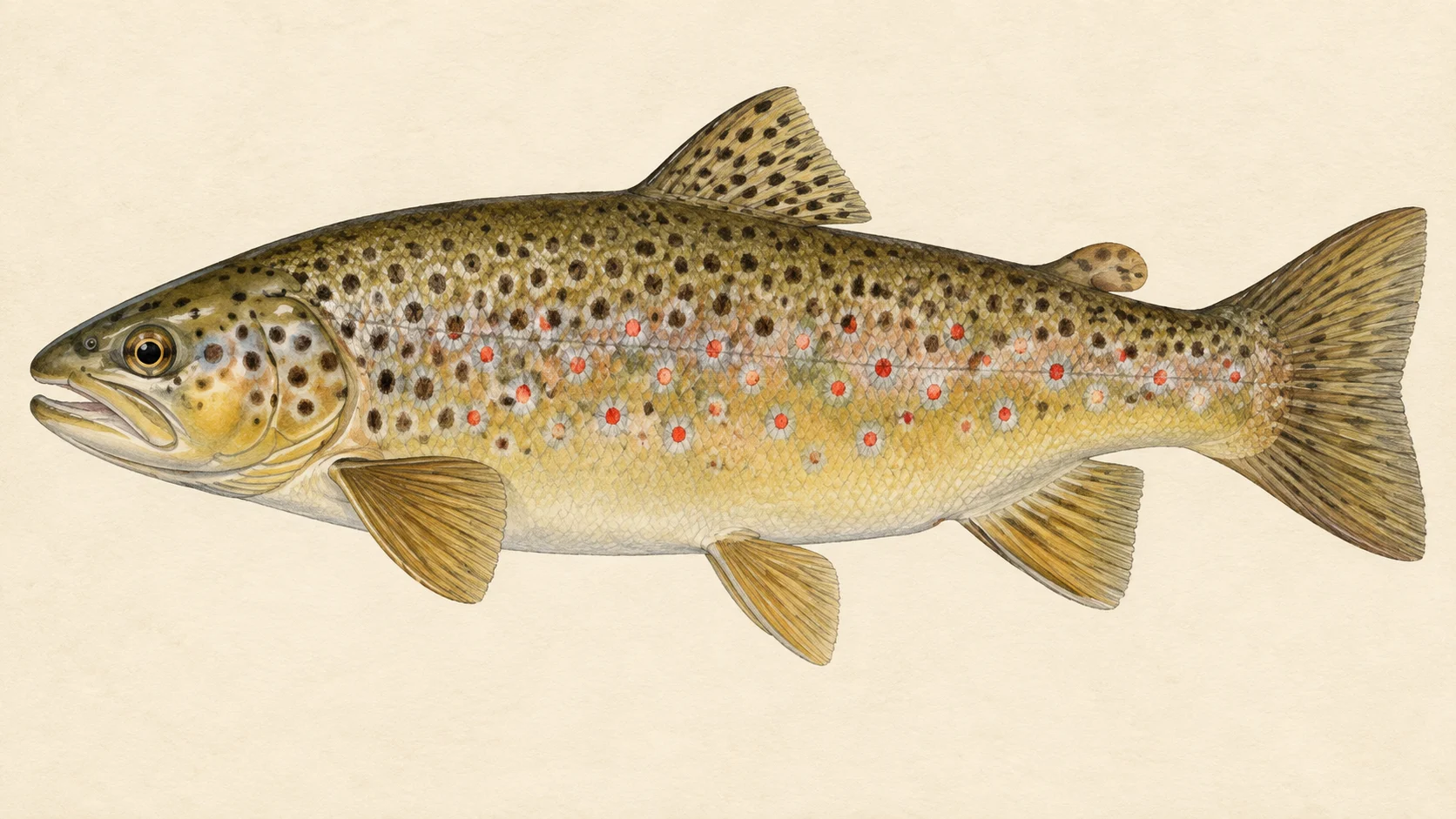
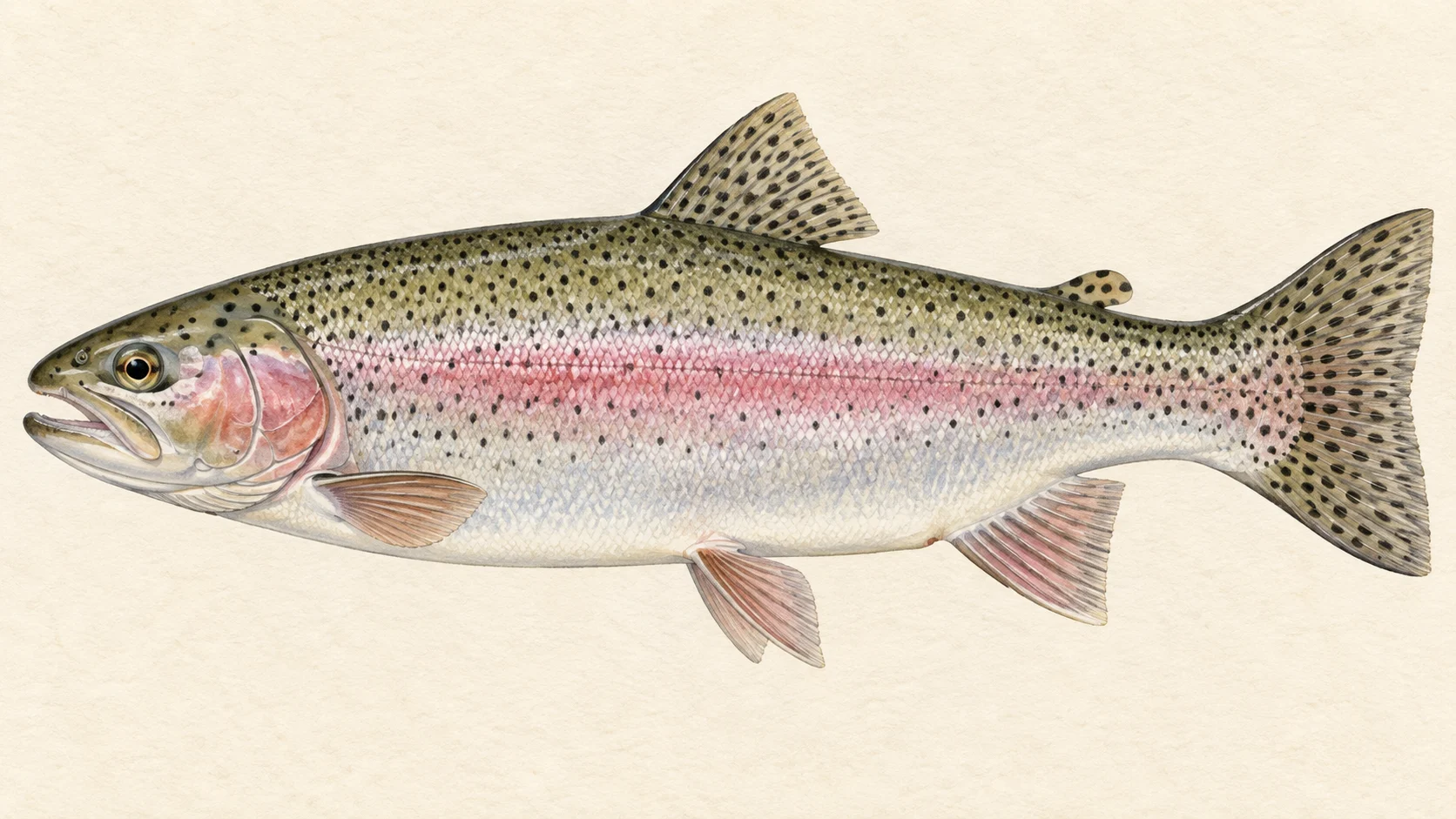
Brown trout and rainbow trout are the fish to plan for, and records also list smaller native fish in the river.

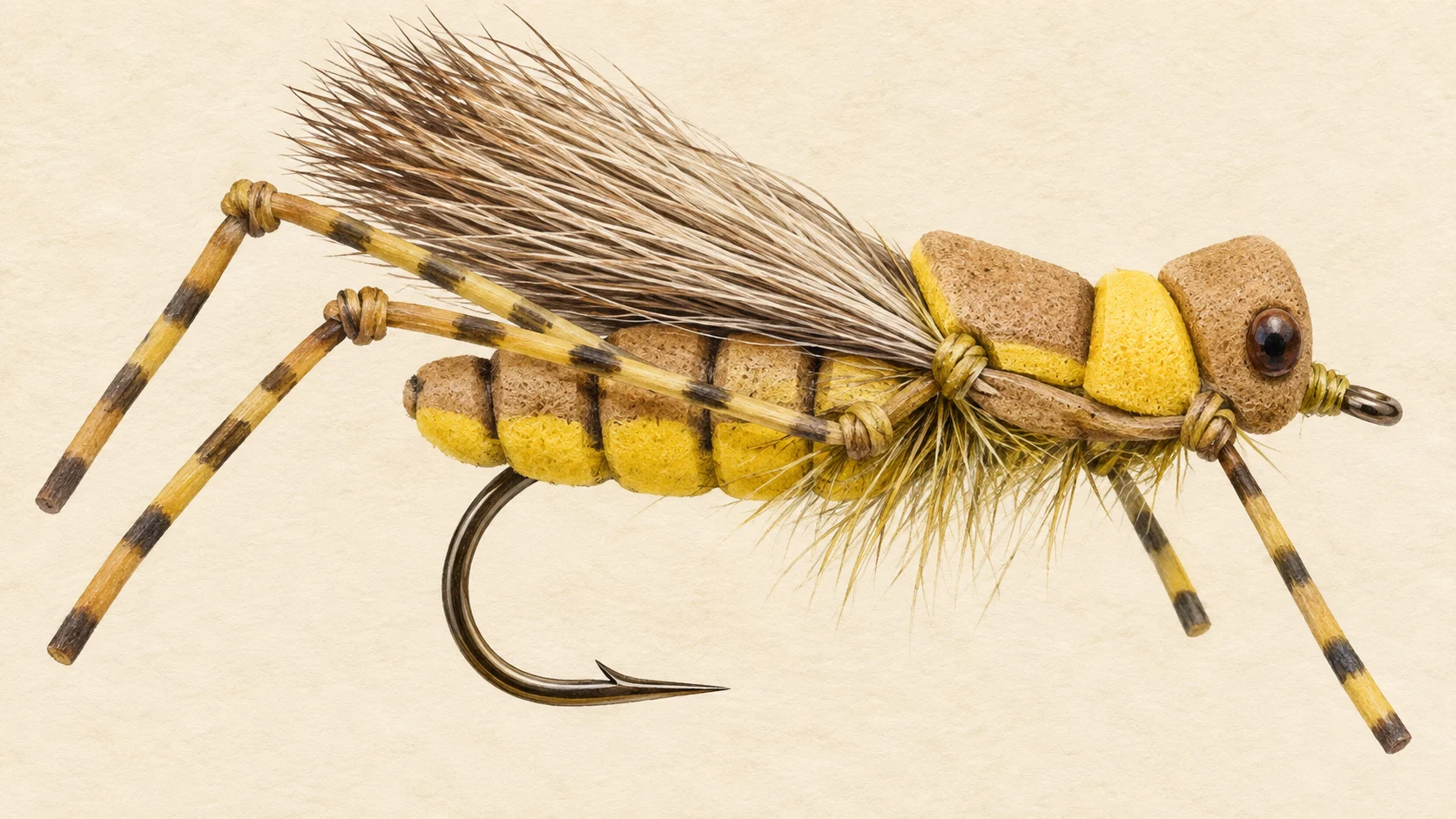
Grasshoppers are the standout food. FlyLife's writers describe grasshopper activity as a highlight of late summer and early autumn, which is when a Hopper earns its place in the box.

When to fish it

Take the season from the current Victorian Fisheries Authority guide first. Within it, FlyLife's writers say the lower river near Porepunkah fishes well early in the season, when flows are higher and cooler. As the season moves on, they describe the mid and upper river as ideal for dry flies.

Late summer and early autumn bring the grasshopper fishing. Plan a trip for then if surface fishing is what you want.

How to fish it

The river suits both deep nymphing and dry-fly fishing, so carry both and let the day decide.

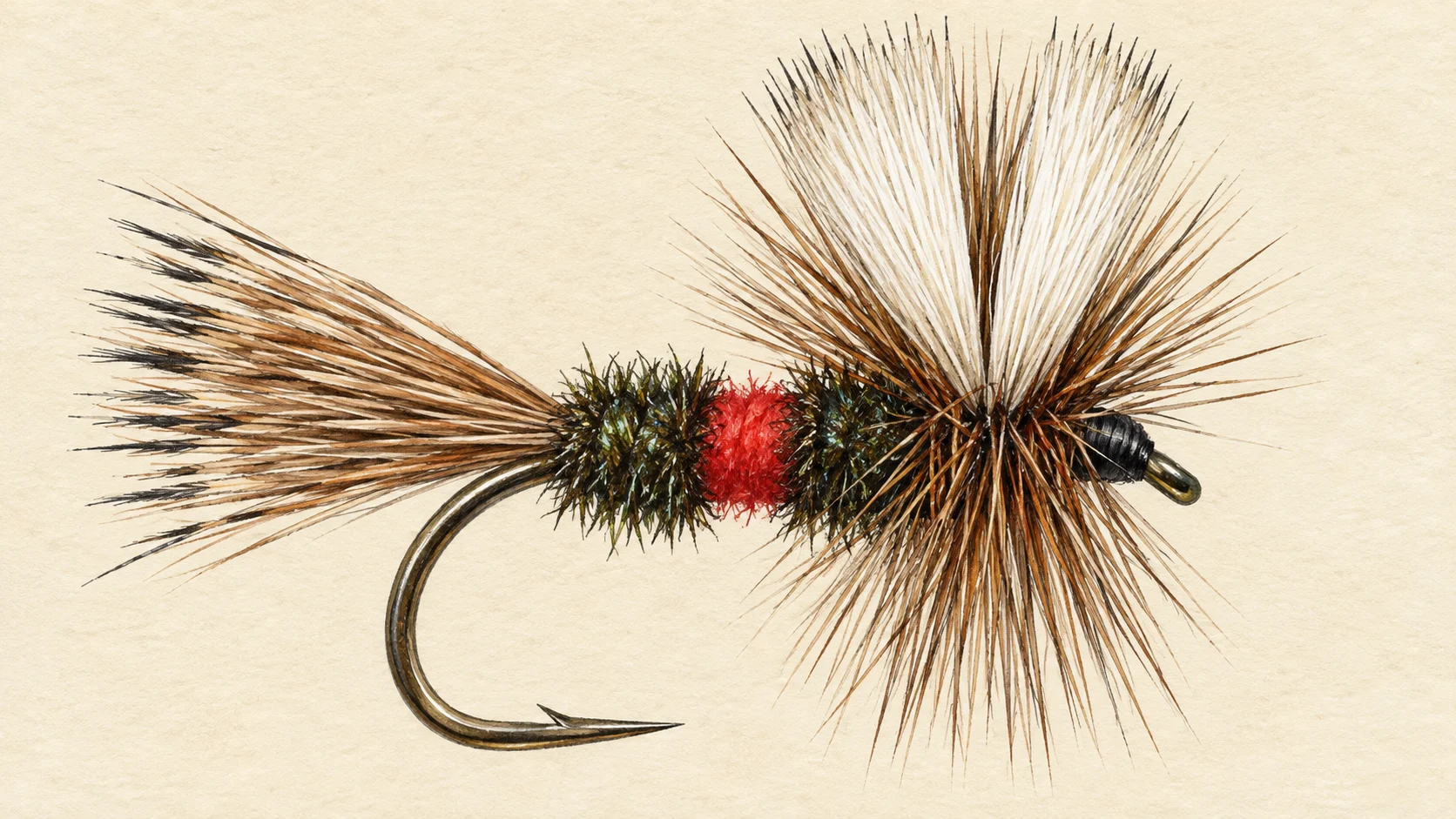
For dries, FlyLife's writers list a Royal Wulff in sizes 12 to 14 and a Hopper in sizes 10 to 14 for rainbows and browns. As the season moves on, they suggest a Stimulator as a good starting pattern on the mid and upper river.

Access and safety

Treat named entry points as locations, not a statement of permission, and respect any fence or sign on the ground. FlyLife's writers describe access as easy all along Buckland Valley Road after the bridge, with Buckland Bridge and Ah Youngs Campsite named as entry points.

Buckland Bridge and Buckland Junction Bridge are described as reachable in a 2WD. Campflat is more remote and needs a 4WD and some hiking, so plan that trip with more time and care.

As on any bush river, tell someone where you are going and when you expect to be back, carry water and a first-aid kit, and watch your footing on wet rock.

Regulations

Victorian seasons, closures, bag and size limits and licence requirements change, so read the current State of Victoria (Victorian Fisheries Authority) guide, including its closed-waters information, before you fish, and take them from it.
When things happen

The guide's calendar for this water

When things happen

The year on this water

A year at a glance; check current rules

  • Hoppers on the Buckland · Feb to Apr FlyLife's writers list grasshopper activity as a highlight of late summer and early autumn. A Hopper in sizes 10 to 14 is one of the patterns they list for rainbow and brown trout.

What the record shows

Flows, river gradient, changing water levels, fish surveys and stocking

What the record shows

How well this water has been surveyed

58 capture records, 4 decades of 4 on file

0 10 20 30 1970s: 17 capture records 1980s: 2 capture records 1980s: 26 capture records 1990s: 8 capture records 1990s: 1 capture record 1990s: 1 capture record 2000s: 3 capture records 1970s 1980s 1990s 2000s
electrofishing (backpack), 3 records electrofishing (other), 10 records fyke netting, 1 record piscicide (rotenone), 44 records
Capture records by decade — electrofishing, netting, trapping and rotenone surveys only; a sighting, an eDNA water sample or a stocking release is not a capture and is not counted here. A record is not an abundance estimate, and a decade with no bar is a decade with no capture survey on file, not evidence the water was empty.
Source: Atlas of Living Australia.
Source details and licence

Atlas of Living Australia — freshwater fish occurrence records (open licences, with coordinates). Occurrence records from the Atlas of Living Australia and its contributing datasets, including the Victorian Biodiversity Atlas, NSW BioNet Atlas, Sustainable Rivers Audit, Murray-Darling Basin fish monitoring programs, OZCAM museum collections and iNaturalist Australia. Each record carries its own licence and originating dataset. retrieved 2026-08-13.

Conditions

What the gauges say

Buckland River @ Harris Lane

River flow

No reading shown: No reading has been captured for this gauge yet, so none is shown.

Gauge height

No reading shown: No reading has been captured for this gauge yet, so none is shown.

Water temperature

No reading shown: No reading has been captured for this gauge yet, so none is shown.

Water clarity

No reading shown: No reading has been captured for this gauge yet, so none is shown.

Buckland River @ Twelve Mile

River flow

No reading shown: No reading has been captured for this gauge yet, so none is shown.

Gauge height

No reading shown: No reading has been captured for this gauge yet, so none is shown.

Readings from the Bureau of Meteorology's Water Data Online, © Commonwealth of Australia, licensed CC BY 4.0. Nothing here is a forecast. Check the gauge before you rely on it.

Weather

What the sky is doing

Live weather for Buckland River @ Twelve Mile loads here. If it does not, check the Bureau of Meteorology forecast before you go.

Weather data by Open-Meteo.com

Questions anglers ask

What will I catch?

Brown and rainbow trout are the fish to plan for. FlyLife's writers describe many kilometres of clear water suited to both.

Do I need a 4WD?

Not for Buckland Bridge or Buckland Junction Bridge, which FlyLife's writers describe as reachable in a 2WD. Campflat is more remote and needs a 4WD and some hiking.

What is the fishing season?

Victorian seasons, closures and limits change, so take them from the current Victorian Fisheries Authority guide, including its closed-waters information, before you fish.

Nymph or dry?

The river suits both deep nymphing and dry-fly fishing. As the season moves on, the mid and upper river are described as ideal for dry flies.

Behind this page