Australia Fly Guide
VIC · Goulburn

Howqua River

Imagery © Esri

The Howqua runs gin-clear through Victoria's high country, and it is worth the drive for wild rainbow and brown trout on a dry fly in summer.

It is a freestone river along the southern foothills of Mount Buller, running down to Lake Eildon and the Goulburn. Run, riffle and pool repeat, and long shallow glides become a feature lower down.

Come in the warmer months. FlyLife's writers describe the fish as few and very spooky, so this is a stealth river: fish early, stay well back and expect to earn each trout.

Check the current Victorian fishing guide, then pick a track or camp and start walking.

Water and habitat

The Howqua is a freestone river on the southern foothills of Mount Buller. It enters Lake Eildon and joins the Goulburn there. As a freestone stream it repeats run, riffle and pool, and in the lower reaches long shallow glides are a feature.

In our experience, clear water like this rewards a slow look before you step in. The head of a pool, the seam beside faster current and the tail of a riffle are the places to check first.

FlyLife's writers note that the river's east to west lie leaves it in sun all day. That can bring low flow and high temperatures that put trout off the feed, so summer fishing times and fish care both need thought.

Fish and forage

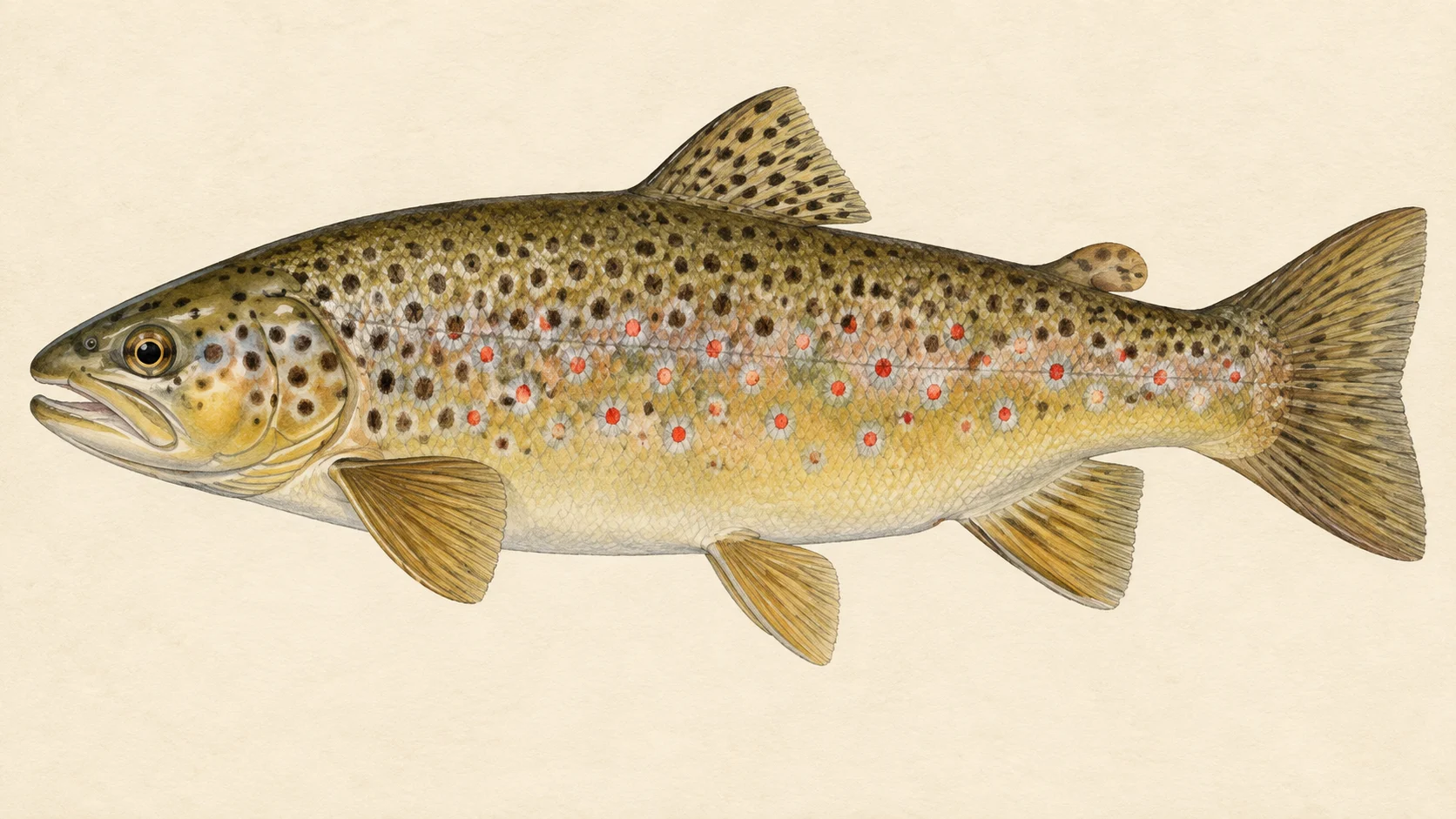
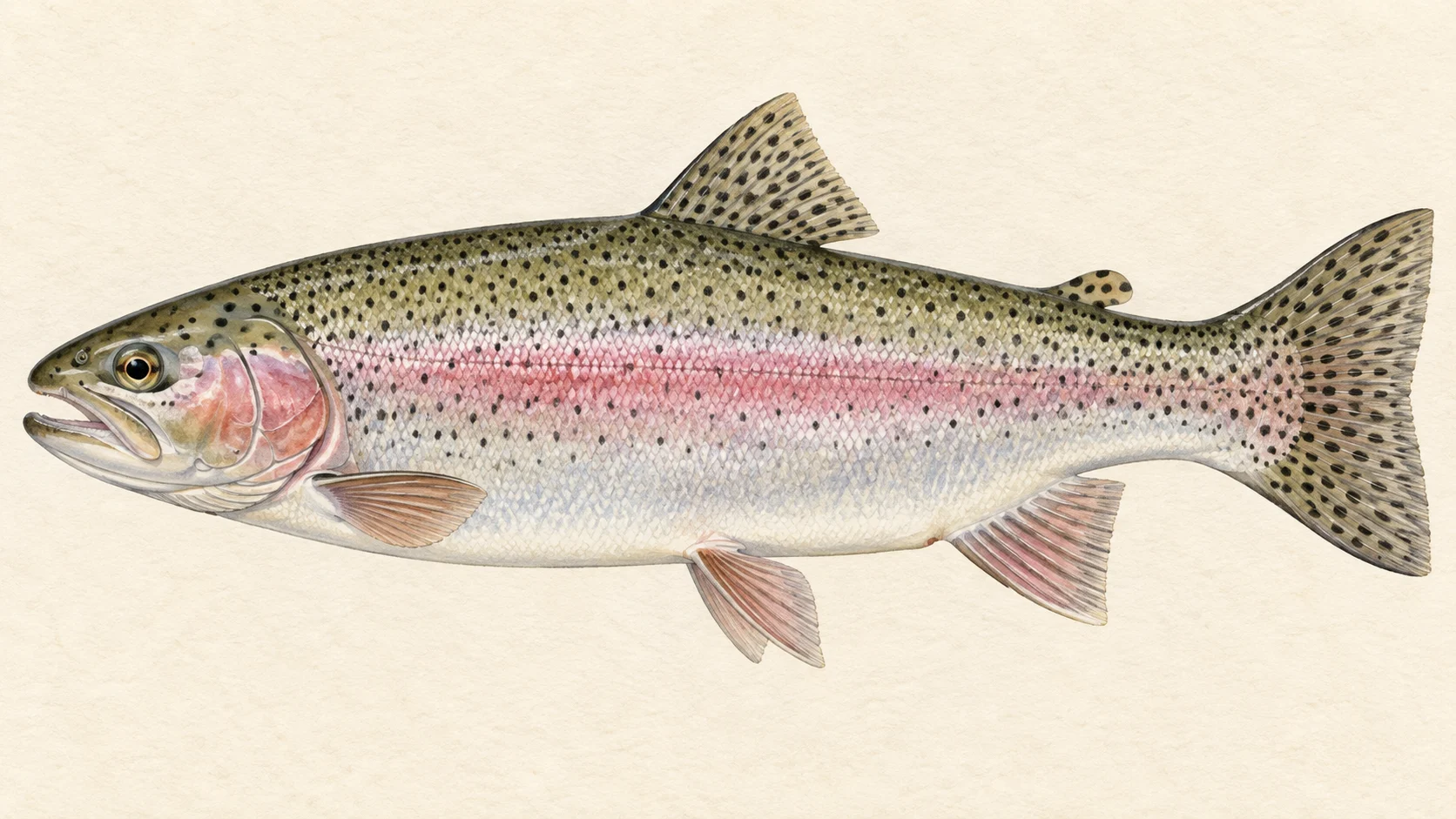
FlyLife's writers say the Howqua holds good numbers of wild rainbow trout and brown trout, though they also describe the fish as few and very spooky, which makes the fishing genuinely tough. The stocking chart shows what has been released, and it is the wild fish you are after.

Mayfly and caddis nymphs make up most of what the trout eat, with the odd stonefly. That points at a fly box built around nymphs, caddis dries and a hopper for the warmer months.

When to fish it

Excellent summer dry-fly fishing is a listed highlight, so the warmer months are the season to plan around. Traditional attractor flies are described as working consistently then, with parachute and CDC caddis patterns even more effective.

The same sun that brings the dry-fly fishing can leave the river low and warm. In our experience the sensible answer is the cool end of the day, and a firm decision to rest the river when the water is running warm. Take any season for the river from the current Victorian Fisheries Authority guide before you settle on dates.

How to fish it

FlyLife's writers describe the Howqua as well suited to dry-dropper fishing. A buoyant dry with a mayfly or caddis nymph beneath it lets you cover the water and cover the bottom in one drift.

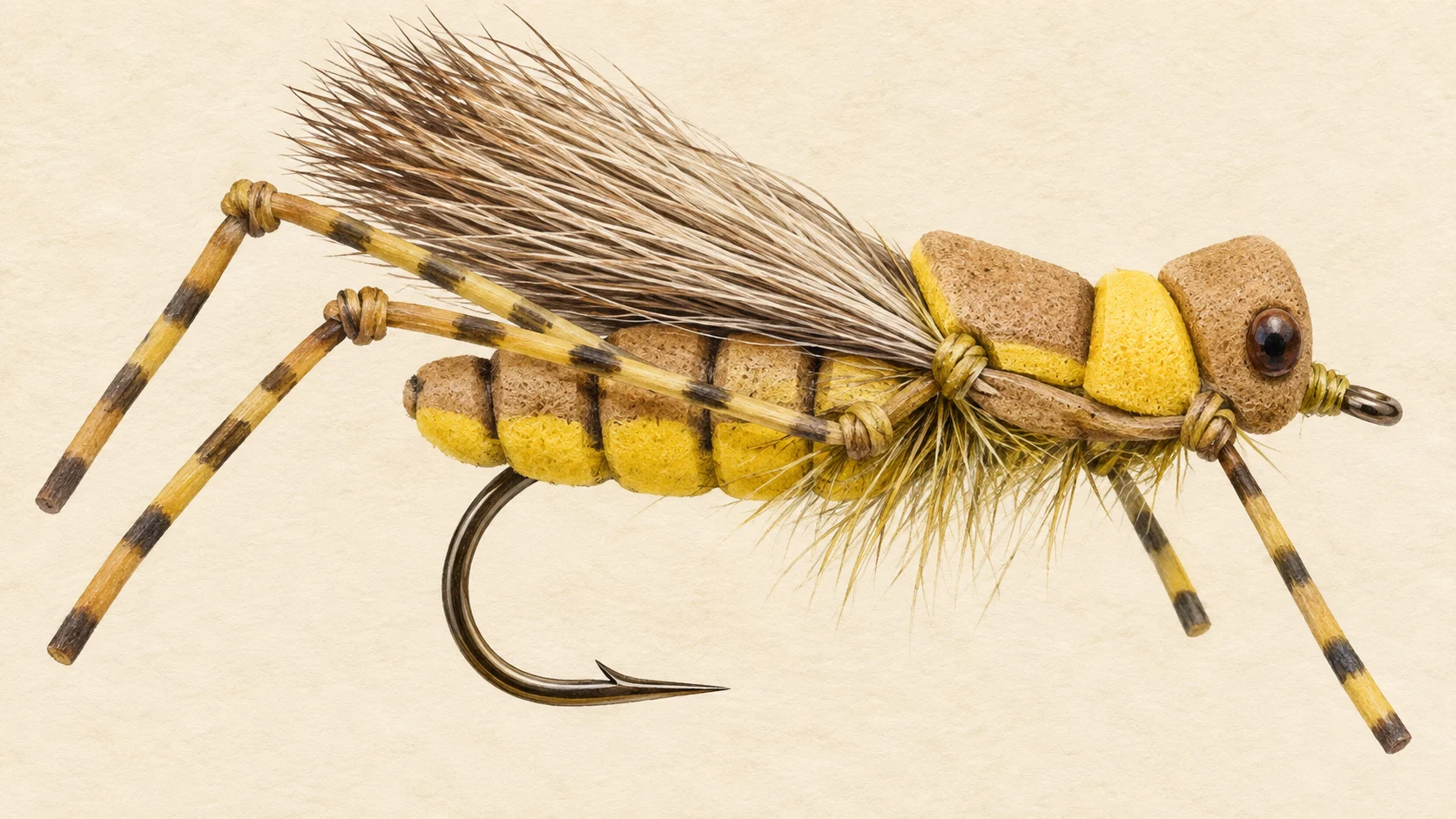
The flies listed for both trout are a CDC Caddis in sizes 14 to 16, a Hopper in sizes 10 to 14 and a Plume Tip in sizes 16 to 18.

With fish this wary, a guide's read is to approach low, make your first cast count and move on rather than flog a pool you have already spooked.

Access and safety

FlyLife's writers say the upper and middle river is reached by a number of 4WD tracks and walking trails, and that easy access and camping are highlights. Treat that as description, not permission, and read the signs and fences you meet on the ground.

As on any bush river, tell someone where you are going and when you expect to be back, carry water and a first-aid kit, and never wade a crossing you are unsure of.

Regulations

Victorian seasons, bag and size limits and closed waters are set by the Victorian Fisheries Authority and change from year to year. Read the current Inland Angling Guide, including its closed-waters list, and take any season, limit and licence requirement from it before you fish.
When things happen

The guide's calendar for this water

When things happen

The year on this water

A year at a glance; check current rules

  • Dry-dropper through the runs · Nov to Mar FlyLife's writers describe the river as well suited to dry-dropper fishing. Mayfly and caddis nymphs make up most of the trout's prey, so a nymph under a buoyant dry is a sound first rig. A guide's read, not a record.
  • Attractor dries and caddis · Dec to Mar Traditional attractor flies are described as working consistently through the warmer months, with parachute and CDC caddis even better. A CDC Caddis in sizes 14 to 16 is a listed fly for browns and rainbows.
  • Hoppers in summer · Dec to Mar A Hopper in sizes 10 to 14 is listed for both trout. A good bet along grassy edges once the weather is warm.
  • Low flow and warm water · Jan to Mar The river runs east to west in sun all day, so it can suffer low flow and high temperatures that put trout off the feed. Fish early and handle any fish with care.

What the record shows

Flows, river gradient, changing water levels, fish surveys and stocking

What the record shows

How well this water has been surveyed

216 capture records, 5 decades of 5 on file

0 50 100 150 1970s: 6 capture records 1980s: 18 capture records 1990s: 2 capture records 2000s: 54 capture records 2000s: 1 capture record 2010s: 21 capture records 2010s: 111 capture records 2010s: 3 capture records 1970s 1980s 1990s 2000s 2010s
electrofishing (boat), 21 records electrofishing (backpack), 167 records electrofishing (other), 3 records trapping, 1 record piscicide (rotenone), 24 records
Capture records by decade — electrofishing, netting, trapping and rotenone surveys only; a sighting, an eDNA water sample or a stocking release is not a capture and is not counted here. A record is not an abundance estimate, and a decade with no bar is a decade with no capture survey on file, not evidence the water was empty.
Source: Atlas of Living Australia.
Source details and licence

Atlas of Living Australia — freshwater fish occurrence records (open licences, with coordinates). Occurrence records from the Atlas of Living Australia and its contributing datasets, including the Victorian Biodiversity Atlas, NSW BioNet Atlas, Sustainable Rivers Audit, Murray-Darling Basin fish monitoring programs, OZCAM museum collections and iNaturalist Australia. Each record carries its own licence and originating dataset. retrieved 2026-08-13.

Stocking on record

18,062 fish in 5 records, 1990 to 2016

0 1k 2k 3k 4k 5k 1990: 3,000 brown trout in 1 record 1997: 62 macquarie perch in 1 record 2014: 5,000 brown trout in 1 record 2015: 5,000 brown trout in 1 record 2016: 5,000 brown trout in 1 record 1990 1995 2000 2005 2010 2015 2016
Brown Trout, 18,000 across 4 records Macquarie Perch, 62 across 1 record
Stocked in 5 of the 27 years from 1990 to 2016. These are individual release records. A record is not a promise that stocking continues, and not evidence of what is in the water now.
Source: Victorian Fisheries Authority.
Source details and licence

Victorian Fisheries Authority fish stocking database. retrieved 2026-08-21.

Conditions

What the gauges say

Howqua River @ Glan Esk

River flow

No reading shown: No reading has been captured for this gauge yet, so none is shown.

Gauge height

No reading shown: No reading has been captured for this gauge yet, so none is shown.

Readings from the Bureau of Meteorology's Water Data Online, © Commonwealth of Australia, licensed CC BY 4.0. Nothing here is a forecast. Check the gauge before you rely on it.

Weather

What the sky is doing

Live weather for Howqua River @ Glan Esk loads here. If it does not, check the Bureau of Meteorology forecast before you go.

Weather data by Open-Meteo.com

Questions anglers ask

What will I catch?

Wild rainbow and brown trout. FlyLife's writers say the Howqua holds good numbers of both, but that the fish are few and very spooky, so expect to work for each one.

Is there a closed season?

Victorian seasons and closures are dated, so take them from the current Victorian Fisheries Authority Inland Angling Guide, including its closed-waters list, before you fish.

When is the best time to fish it?

Summer dry-fly fishing is a listed highlight. The same sun that suits dries can leave the river low and warm, so pick your hours with care and look after any fish you release.

Which flies should I carry?

A CDC Caddis in sizes 14 to 16, a Hopper in sizes 10 to 14 and a Plume Tip in sizes 16 to 18 are all listed for browns and rainbows, along with mayfly and caddis nymphs to fish under a dry.

Is it easy to get to?

FlyLife lists easy access and camping among the highlights, with 4WD tracks and walking trails into the upper and middle river. Read signs and any track conditions on the day.

Behind this page