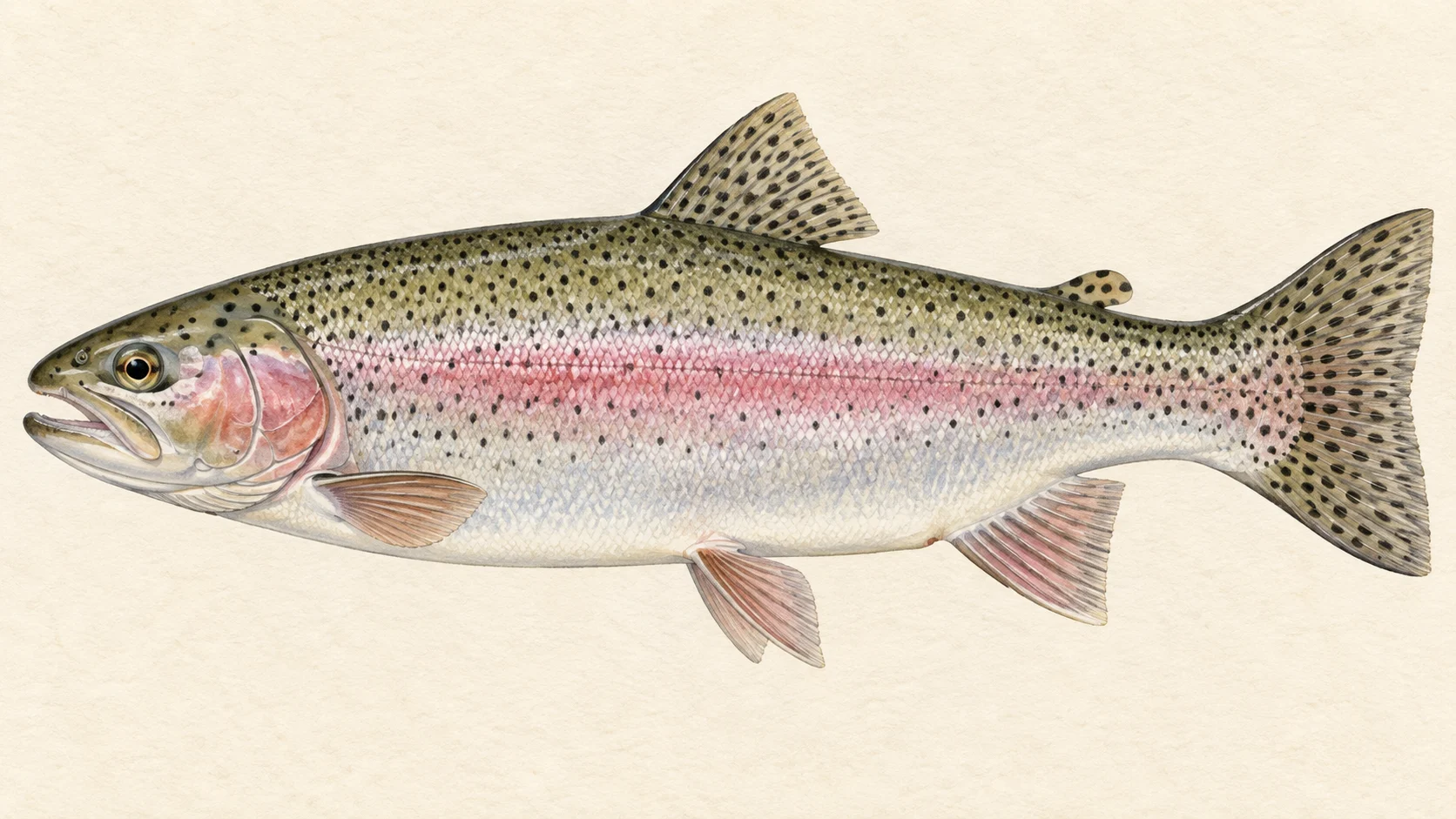
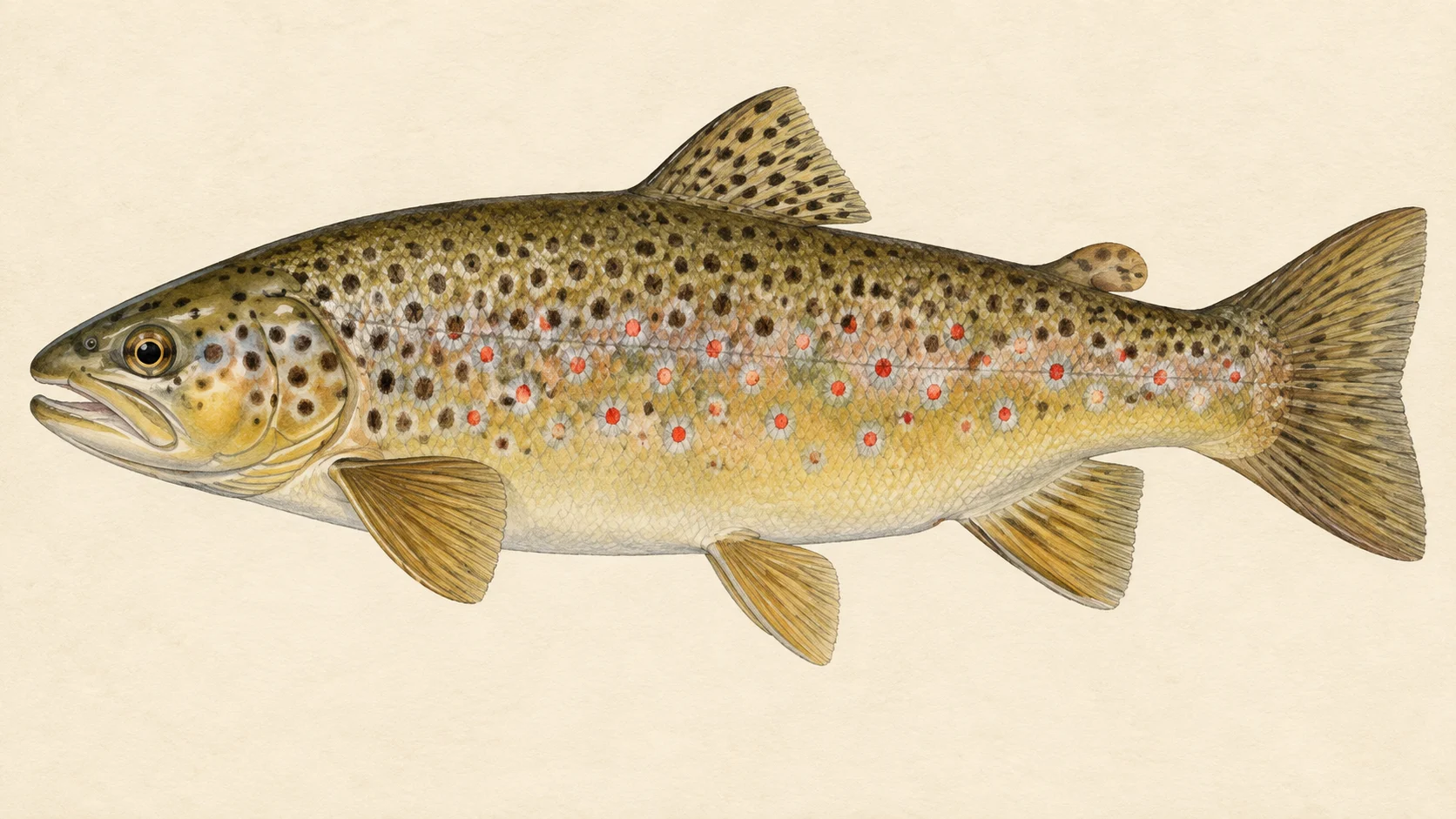
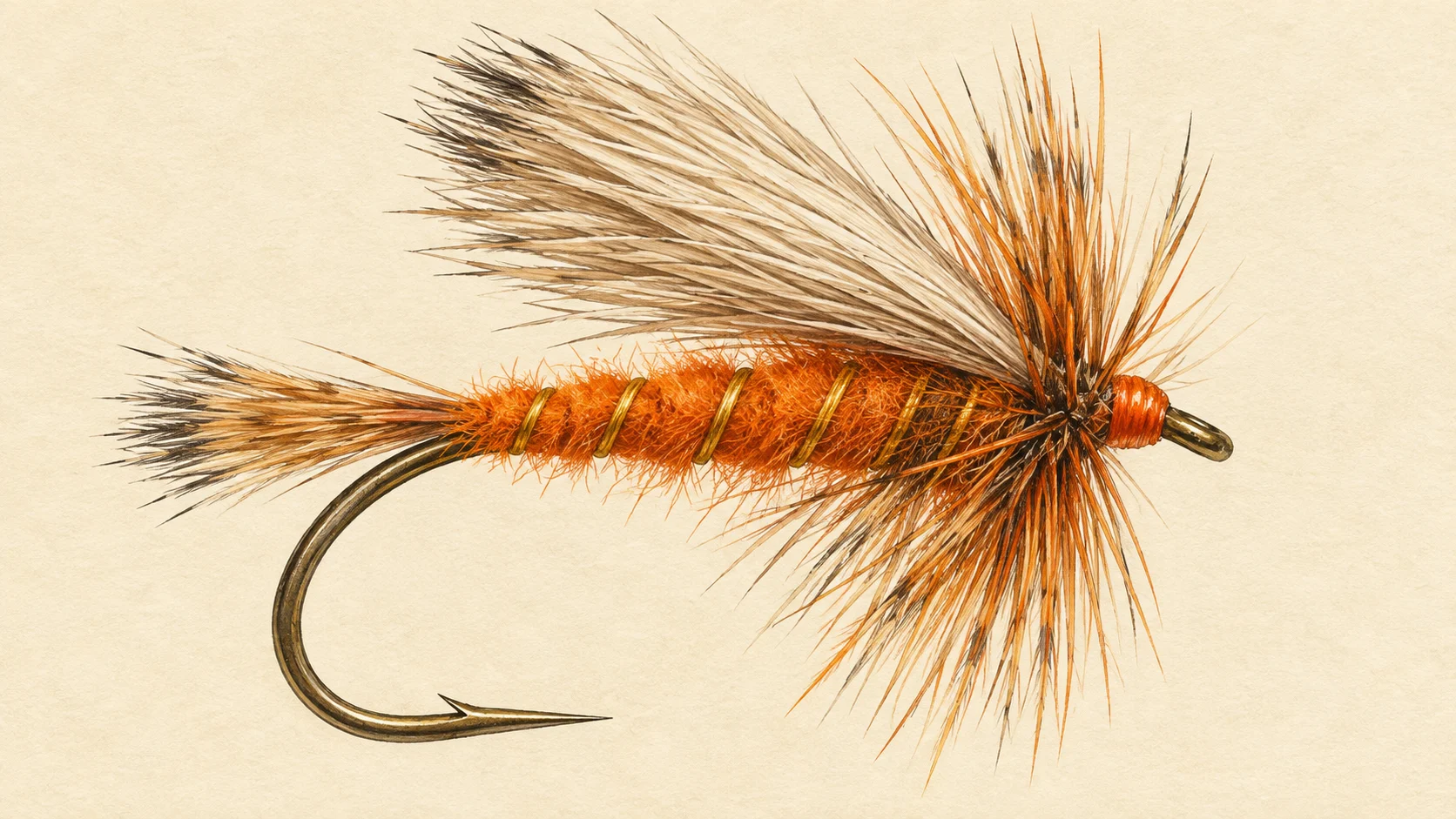
The East Branch of the Kiewa is fast, rocky pocket water, and you come for rainbow and brown trout on dry flies.
It starts high in Alpine National Park and runs steeply down to Mount Beauty, where it meets the West Branch. Two parts matter: the top near the Mount McKay power station, and the lower water above Clover Dam.
Start low. A gated management track just above the dam leads to slower water below it and bouldery water upstream.
Then try the top: a 3 km walk along a sealed road to secluded pocket water, best with a light rod.
Take attractor dries with a nymph dropper, and check the current Victorian Fisheries Authority guide before you go.
Water and habitat
The East Branch begins in Alpine National Park, fed by Rocky Valley and Pretty Valley creeks from the Falls Creek ski area, and drops steeply to Mount Beauty. The upper river is fast, rocky pocket water, and physically demanding fly fishing.
At the very top, near the Mount McKay underground power plant, it is really more creek than river: pocket water between short, sometimes deep pools. Below the plant it runs through narrow, shallow bedrock gorges with many small waterfalls. Lower down, a gated management track above Clover Dam gives you slower water below the dam and bouldery water upstream of it.
Fish and forage
Rainbow trout and brown trout are the fish to plan for. Fishing can be hit or miss, with trout numbers varying by season and water conditions, so treat a blank day as part of the river.
Stonefly, mayfly and caddis hatches are common, along with summer hoppers and beetles. That points you towards dry flies: a Parachute Adams in sizes 12 to 16 and a Stimulator are popular choices, and a hopper in sizes 10 to 14 is listed for both trout.
When to fish it
In summer, hoppers and beetles join the stonefly, mayfly and caddis hatches that are common on the East Kiewa. Beyond that, trout numbers vary by season and water conditions, so let what you see on the day guide the fly. Take any season for the river from the current Victorian Fisheries Authority guide before you plan a date.
How to fish it
The standard approach is an attractor dry fly, often with a nymph dropper to cover different depths. A local guide describes the fishing as non-technical but physically demanding. Where the water is clear, sight-fishing is possible.
A 4-weight with a 12 to 14 foot leader suits the pocket water. Around the Mount McKay power station, where the river narrows, a 3-weight may be better. Work each pocket and short pool in turn and keep moving.
Access and safety
Lower East Kiewa water can be reached via a gated management track just above Clover Dam. The upper water near the Mount McKay power station is a 3 km walk along a sealed road. The Mount Beauty to Falls Creek Road runs parallel, but getting to the river from it often means blackberry thickets and large boulders. Treat all of this as description, not permission, and read the signs and gates on the ground.
As on any bush river, tell someone where you are going and when you expect to be back, watch your footing among big rocks, and never wade a crossing you are unsure of. Check conditions before you set out, since a mountain river can change with the weather.
Regulations
No water-specific rule was found for the East Branch. Before you fish, read the current Victorian Fisheries Authority guide and take any season, bag and size limits and licence requirements from it, including its closed-waters list.