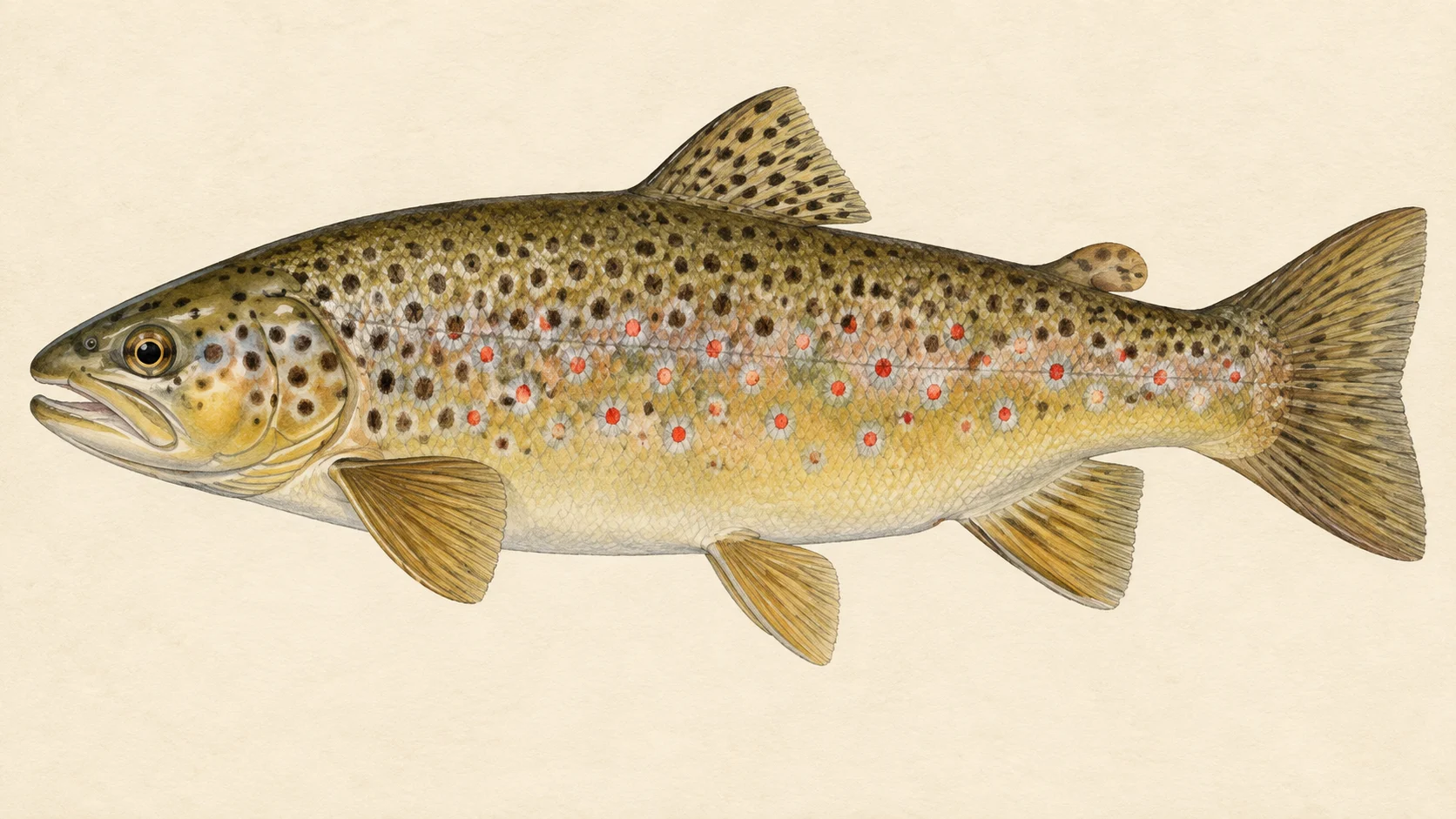
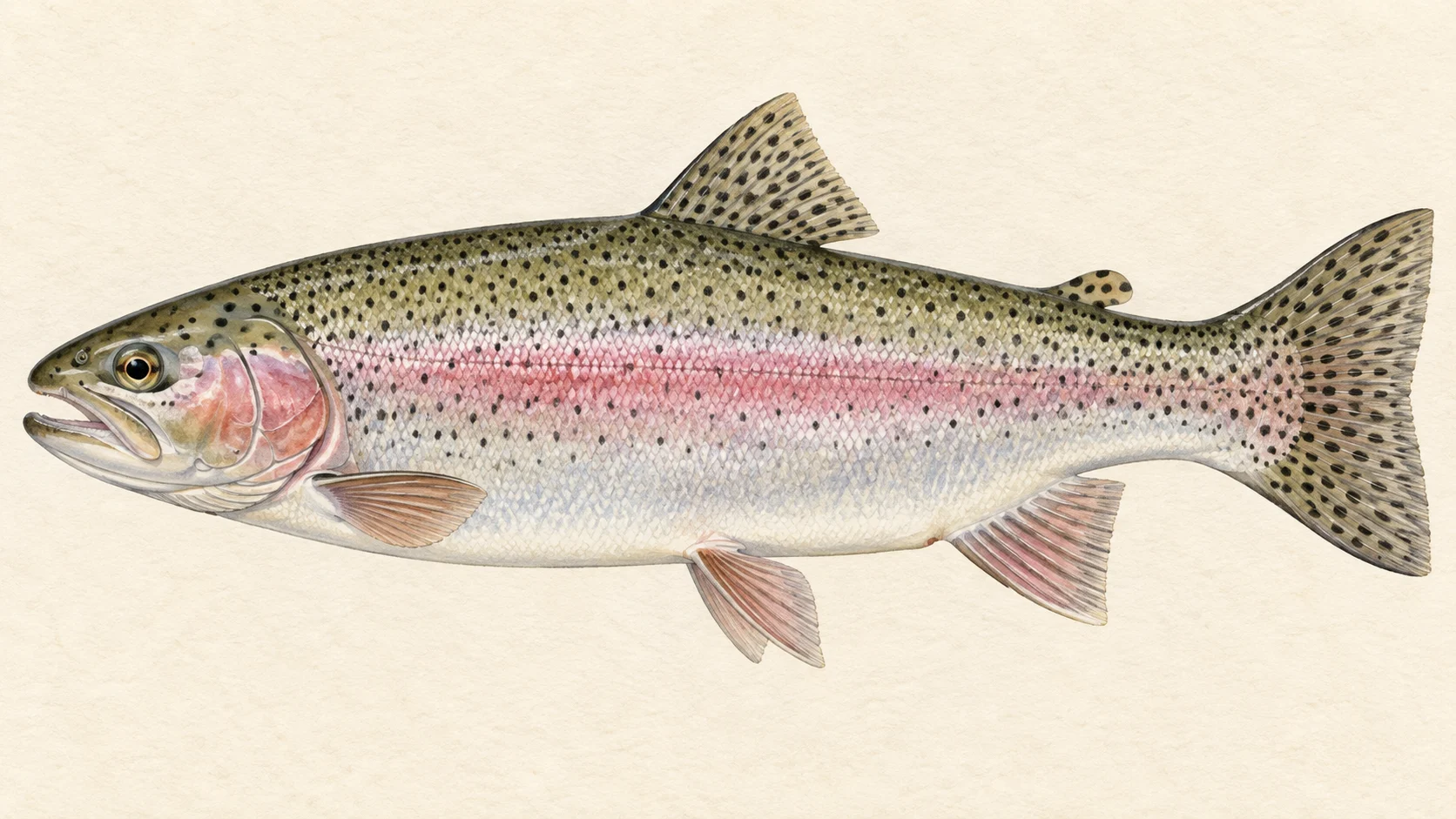
Lefroy Brook is described as Western Australia's best brown trout fishery, and wild browns are the reason to make the trip to Pemberton.
Dams cut the top of the valley off from the stream, so the fishing that matters is the mid to lower brook, which flows on to the Warren River.
Make your first trip in September to November. Browns and rainbows both live here, the water is at its best, and ants and caddis are on the surface. Walk in on the tracks off Conte, Power and Glauders roads toward the Cascades. No water-specific rule was found, so check the current WA fishing guide for seasons and limits before you go.
Try a winter trip from June to August, when migratory trout are through the system.
Skip the headwaters, and give February and March a miss in a dry year.
Water and habitat
The extreme headwaters are extensively dammed, and although many large farm dams in the valley are stocked, they are not stream fishing. The stream you want begins below that, in the mid to lower reaches.
Flow decides how it fishes. In spring and winter it usually runs clear and flows well. In February and March the only flow can be the hatchery flow-through from Big Brook Dam, and in a dry year that can become meagre. Fish hold where there is water to hold them, so in a thin summer, look for the deeper water first.
Fish and forage
Brown trout are the main fly-fishing attraction, and many of them move in from the Warren River. The brook and its tributary Big Brook have self-propagating browns and rainbows, dating from first stocking in 1931. Rainbow trout up to 3 kg do turn up, though FlyLife's writers say those larger fish are usually of stocked origin.
Two small native fish, western galaxias and western pygmy perch, are recorded in the water. They are not what you are fishing for, but they are a reason to carry a small baitfish pattern alongside your nymphs.
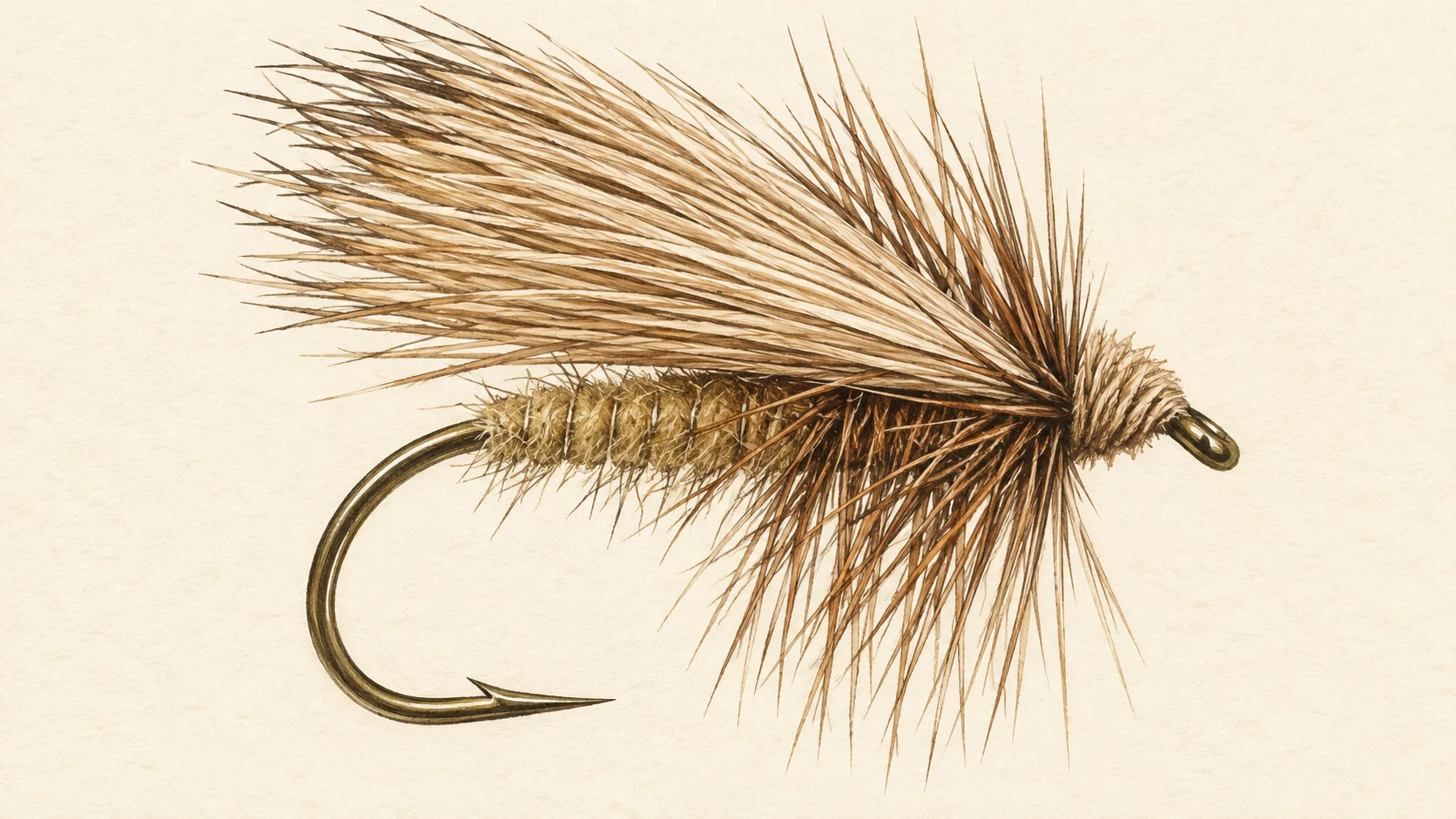
In spring, ants and caddis are the food that matters. Carry a few ant patterns and a caddis dry such as an Elk Hair Caddis, and a weighted nymph for when nothing is rising.
When to fish it
September to November is the prime window: clear water, good flows, excellent ant and caddis falls, and weighted nymph fishing.
June to August usually sees the Lefroy flowing well and clear, with migratory trout through the system up to the Pemberton town dam wall. In our experience a winter trip is a good second choice if spring does not fit.
February and March are less reliable, because the only flow is the hatchery flow-through from Big Brook Dam. In a dry year, plan another month.
How to fish it
In spring, match the fall. When ants and caddis are on the water, fish a dry and watch the seams and the edges. When nothing is rising, get a weighted nymph down and work the deeper water.
In winter, expect fish that have travelled. Work the pools and runs methodically, and give each one a few good drifts before you move on.
In our experience a wild brown is quick to notice a clumsy approach. Keep low, stay back from the edge, and cast upstream of where you think a fish is lying.
Access and safety
The mid to lower Lefroy is reached by tracks and trails off Conte, Power and Glauders roads, heading down toward the Cascades. Treat what you find on the ground, including signs and fences, as the authority on where you may go, and the access card as a description of locations only.
As on any bush river, tell someone where you are going and when you expect to be back, carry water, and take care on wet rock. Do not assume you can fish the farm dams in the headwaters valley.
Regulations
No water-specific rule was found. Before you fish, read the current Western Australia Department of Primary Industries and Regional Development recreational fishing guide, and take any season, bag and size limits, licence requirements and closed-waters notices from it.