Black Lake is a stocked trout lake in New South Wales, and the reason to come is simple: the state has been putting rainbow and brown trout into it season after season, so there are fish here to be caught.
It is one piece of stillwater with nothing to split it into parts, and Maritime NSW lists one boat ramp on it. That leaves two ways to fish it: from a boat off the ramp, or on foot along the bank.
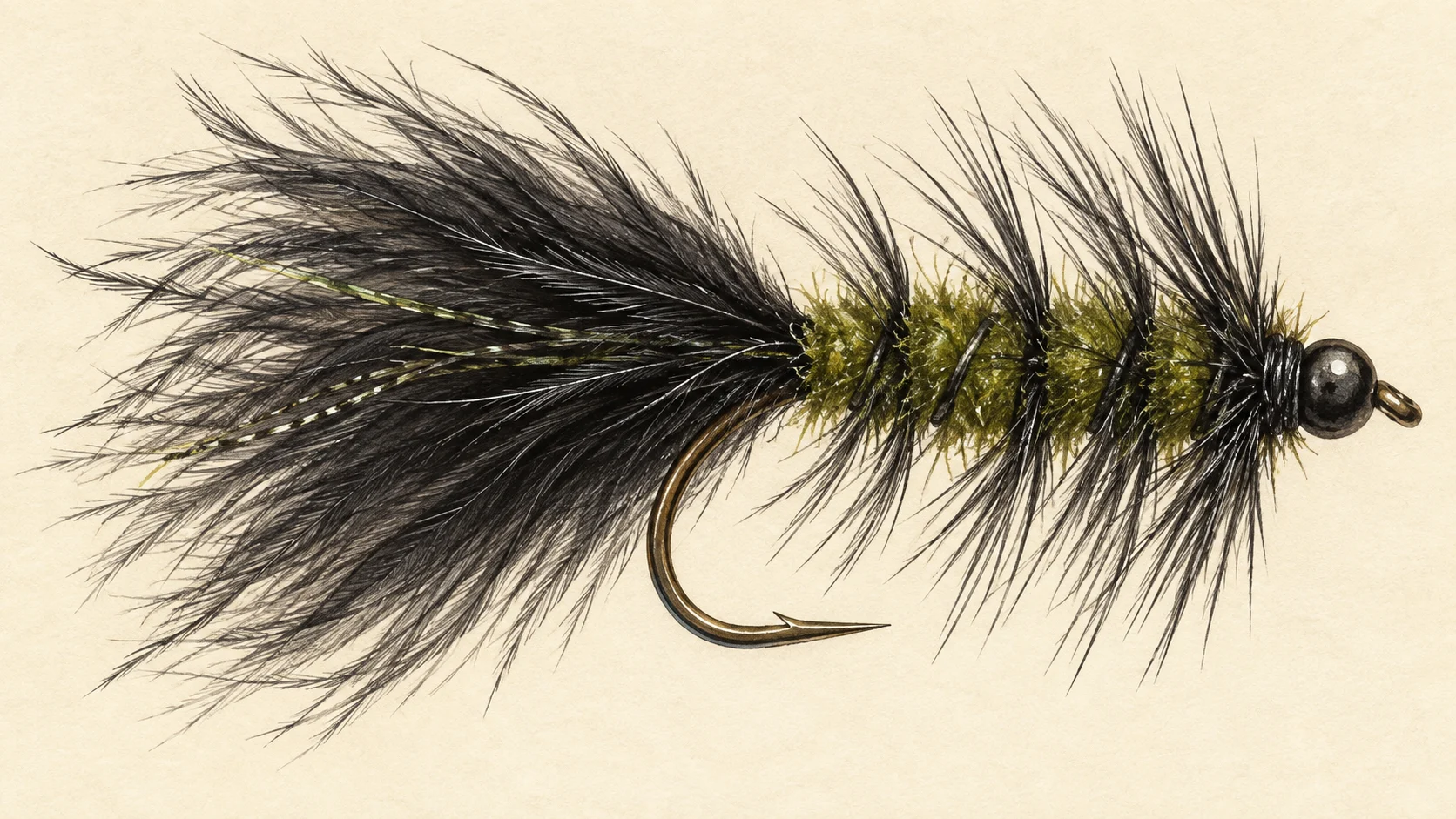
The easiest trip is a boat off the ramp on a cool, overcast day. Rainbows are the fish you are most likely to meet, since they have gone in over more seasons and in larger numbers than the browns. Drift the lake with a dark Woolly Bugger on an intermediate line and fish it slow. Before you tow the boat anywhere, read the current NSW freshwater guide and its list of closed and restricted waters, because those decide whether the lake is open that day and what tackle you may use on it.
The second trip is the bank on a still evening in the warmer months. In our experience that is when stocked fish come up to midges along the edges, and a small dry or emerger fished near the shore can find a brown as well as a rainbow. In our experience browns are the low-light fish; stay until dark if you want one.
If you only have a middle-of-the-day hour in summer, we would not make the drive for it. Bright, warm water on a stocked lake pushes the trout deep and slows everything down.
Pick a grey day or a calm evening, and check the NSW guide before you tow the boat out.
Water and habitat
Black Lake is a single stillwater, and the water-surface chart shows how much of it has held water over the years. When that wet area shrinks, the fish have less room and less edge to feed along.
In our experience, trout in a lake like this sit where the water changes: along drop-offs, off points, and on the shore the wind is blowing onto, where food piles up. On a bright day they go deeper. At dawn and dusk they come into the shallows to feed.
Fish and forage
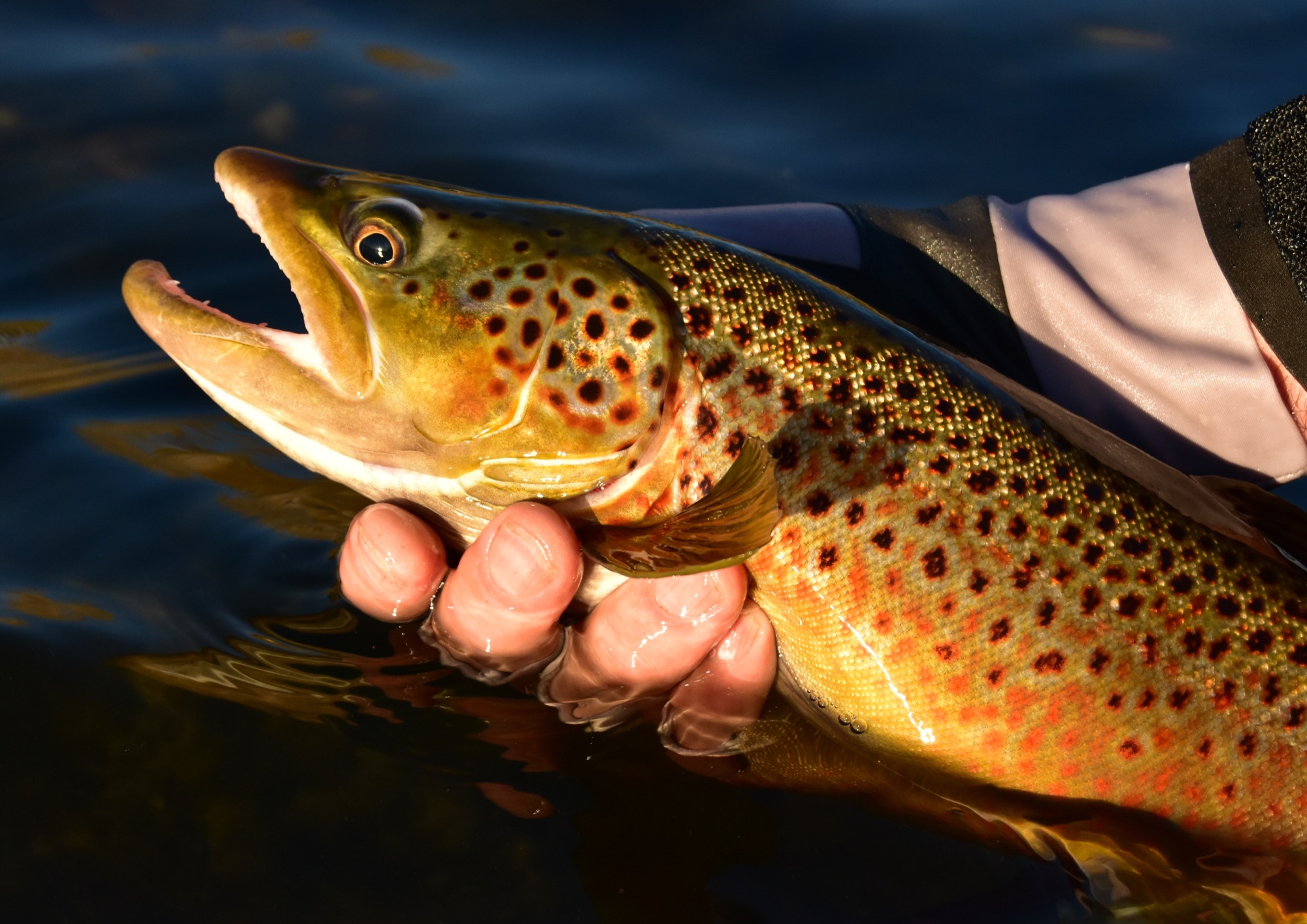
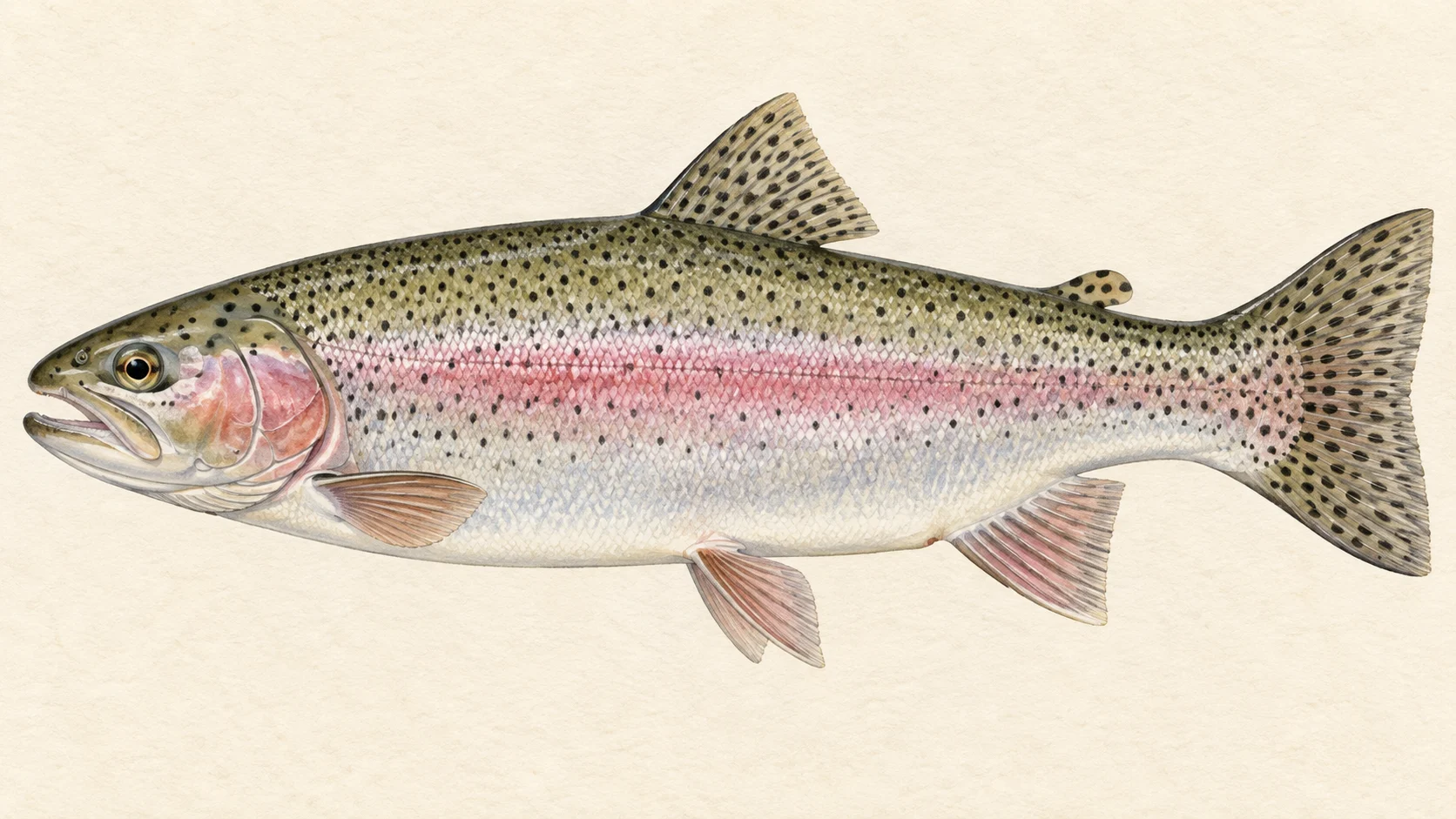
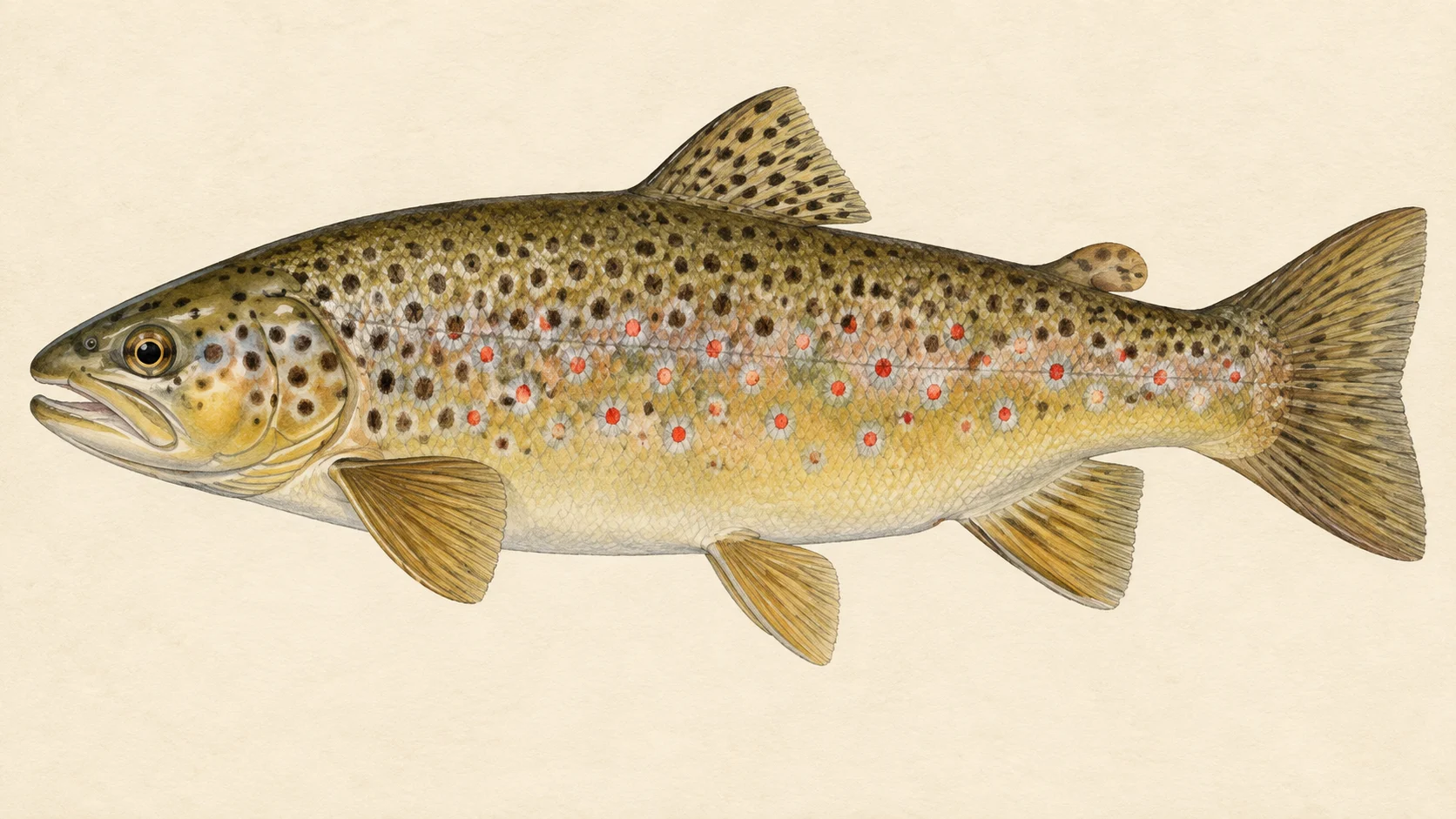
Rainbow trout and brown trout are both stocked, and the stocking chart shows the history. Rainbows have gone in over more seasons, including the most recent, and in larger numbers. The browns were stocked over fewer seasons, so in our experience expect fewer of them, and warier ones.
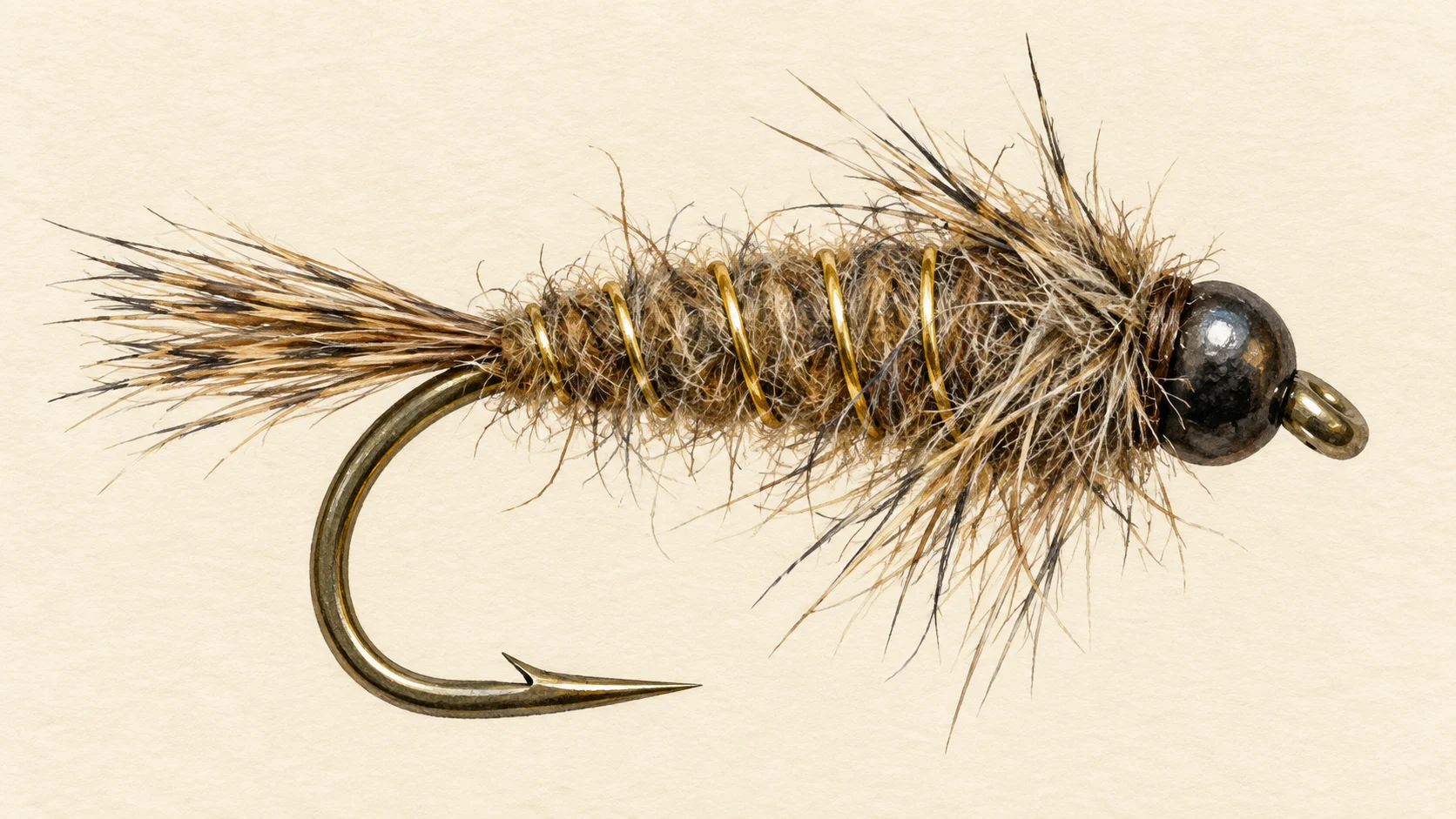
Stocked fish in a lake like this usually live on what is in the water: midges, nymphs, small baitfish and whatever the wind blows onto the surface. That points to a short fly box: a dark Woolly Bugger, a lightly weighted Hare's Ear, a midge pupa, and a small dry or emerger for evening rises.
When to fish it
Read the current NSW freshwater guide first; it decides whether the lake is open when you plan to go, and nothing here replaces it.
In the cool months, trout in a stocked lake are usually active through the day. We would fish a slow wet fly deep and give it time.
From spring into summer the edges come alive on calm evenings, and that is when a small dry or an emerger can work. By the middle of summer, fish the first and last hours of light and leave the bright middle of the day alone.
Autumn is often good on stillwaters as the water cools: fish come back into the shallows and feed harder.
How to fish it
A six weight with a floating line and an intermediate line on a spare spool covers the lake.
From a boat, drift with the wind and cast a size 10 Woolly Bugger square to the drift, let it sink, and bring it back in slow pulls. Change the depth before you change the fly. A loch-style drift with two flies on the leader lets you search water quickly, but read the current NSW guide first for how many flies and hooks you may use here.
From the bank, walk the shore the wind is blowing onto and cast along it rather than straight out. When nothing is moving, hang a lightly weighted size 14 Hare's Ear under an indicator off a drop-off and leave it.
When fish rise on a calm evening, go down to a size 16 or 18 midge dry or emerger on fine tippet, cast ahead of a cruising fish, and let it come to the fly.
Wet your hands before you handle a trout, keep it in the water while you unhook it, and let it go once it holds itself upright.
Access and safety
Maritime NSW lists a boat ramp at the lake, and the access card names it. That is a listing of the ramp, not a statement about what you may do on the water or the land around it; look for signs on the day.
As on any lake, wear a lifejacket in the boat, keep an eye on the wind before you head out, and wade only where you can see the bottom. Check, clean and dry boots, waders and the boat before you move on to the next water.
Regulations
Before you fish Black Lake, read the current NSW fishing rules and regulations, including the freshwater trout rules and the list of closed and restricted waters. They set the season, the bag and size limits and the methods that apply here, and they change. Check the freshwater bag and size limits and confirm the recreational fishing fee before you go.