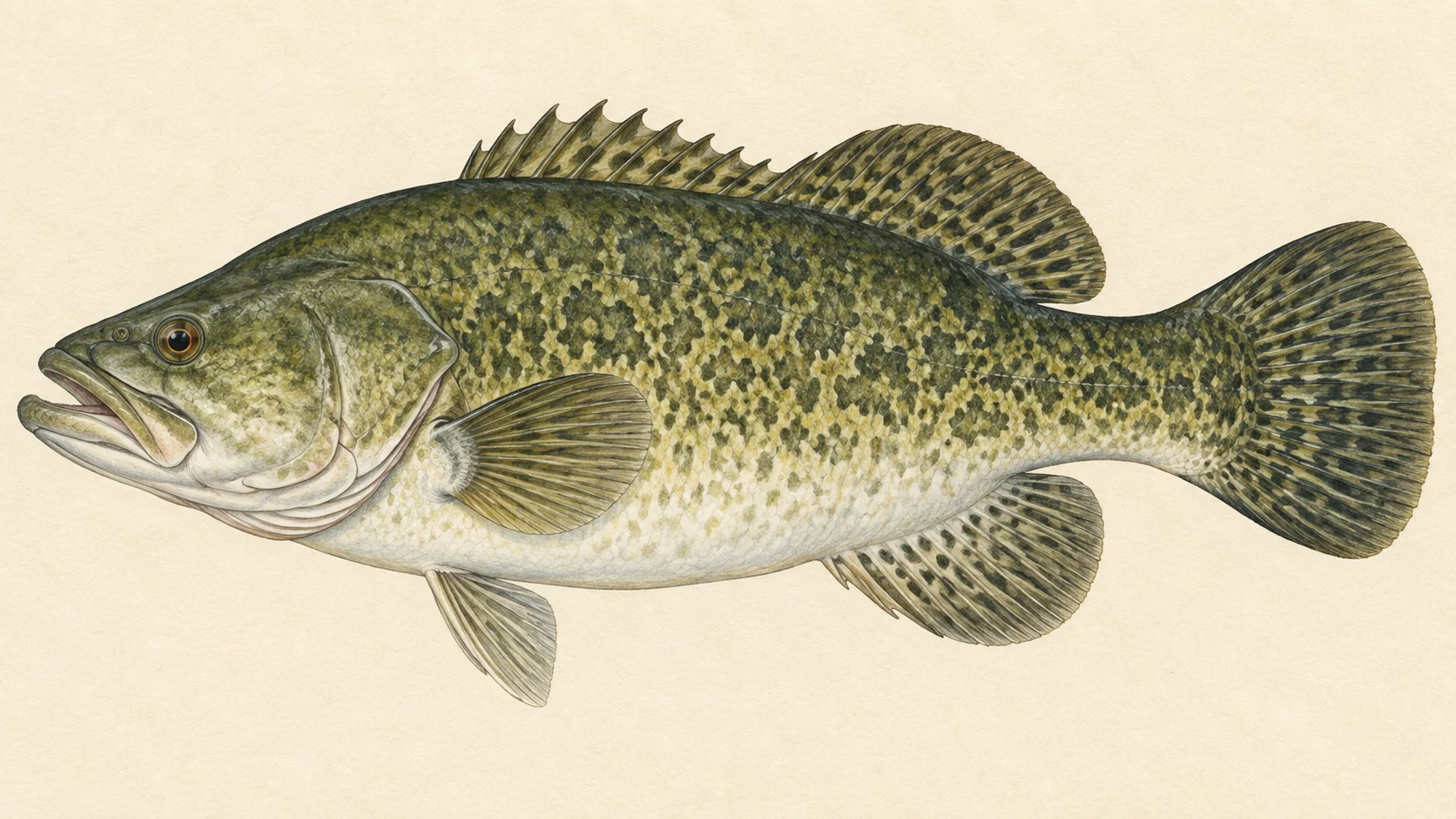
The Darling is a big, slow river of western NSW, and the reason to travel to it is a chance at a Murray cod or a golden perch.
It is one long river with no obvious break, so think in bends rather than beaches. It joins the Murray River, and you fish it one snag at a time.
Bring a heavy rod and big flies, and start where the access card shows a ramp or bank access. Read the NSW freshwater guide before you go.
Water and habitat
The Darling is a broad, slow, muddy-banked river, and its fish live around structure. In our experience that means fallen timber, undercut banks, the outside of bends where the current scours deeper, and any place a snag breaks the flow. Murray cod and golden perch both like a hiding place with food passing by, so a long, featureless bank holds fewer fish than a short one with a tangle of logs.
Water levels on an inland river move with the season and the rain upstream.
Fish and forage
Records list Murray cod, golden perch and silver perch as present, along with freshwater catfish, redfin and European carp. Small natives such as Australian smelt, spangled perch, glassfish and gudgeons are recorded too, and they are the food a bigger fish is looking for.
Murray cod and golden perch have been stocked, and the stocking chart shows when. For the fishing, that suggests fish of mixed sizes, but a stocking record does not tell you what will bite on the day.
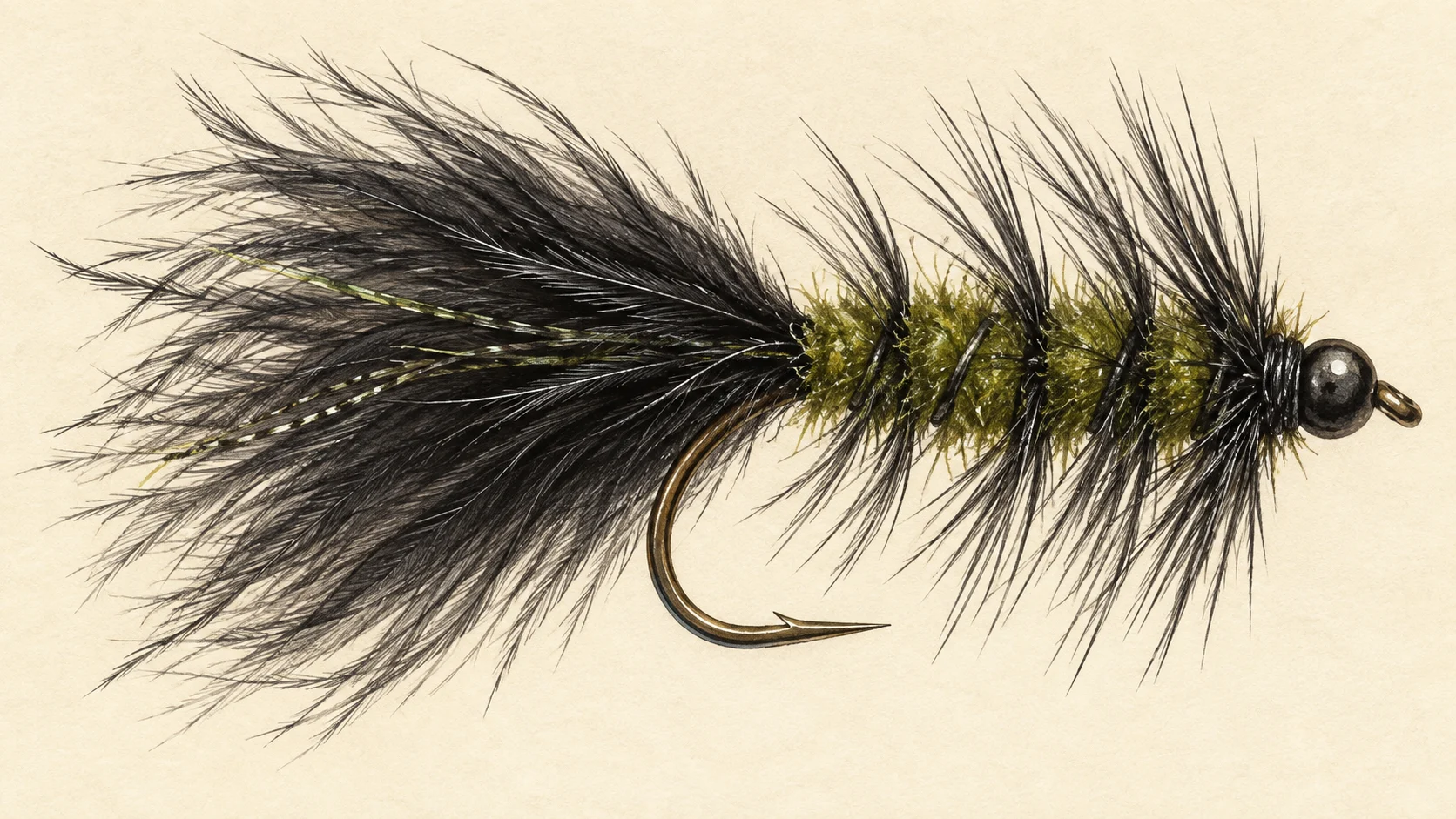
For the fly box, think baitfish and yabbies. A large dark Woolly Bugger or a bulky baitfish pattern is a fair place to start. That is a guide's read, not a record.
When to fish it
Settle the rules first: check the current NSW guide for any season on cod. Within what it allows, a warm-water inland river usually fishes best through the warmer months, from late spring to autumn, when golden perch are feeding freely and cod come up to structure. Dawn and dusk are usually better than the middle of a hot day. Winter is slower on a river like this, and fish are harder to find.
How to fish it
Cast tight to the timber, and work the fly or lure slowly past each snag before you move on. Long casts to open water rarely pay on a river like this. On the fly, use a 9 or 10 weight, a sinking line or a fast-sinking tip, and a short, heavy leader that will turn a cod away from the wood. For golden perch, a smaller weighted fly or a lure retrieved close to the bottom is often enough.
Fish each bend from the upstream side if you can, and give a good snag several passes. Cod can take a fly late in a retrieve, so keep it moving right to the rod tip.
Access and safety
The access card names the bank access points and the boat ramps. Treat them as locations, not a statement of permission, and respect any fence, gate or sign you meet on the ground.
As on any bush river, tell someone where you are going and when you expect to be back, carry plenty of water and sun protection, and watch your footing on soft, steep banks. Never wade a muddy river you cannot see the bottom of, and if you are on a boat, wear a lifejacket.
Regulations
No water-specific rule was found for the Darling River. Before you fish, read the current NSW Department of Primary Industries and Regional Development freshwater fishing guide, check its closed-waters list, and take any season, bag and size limits and licence requirements from it.