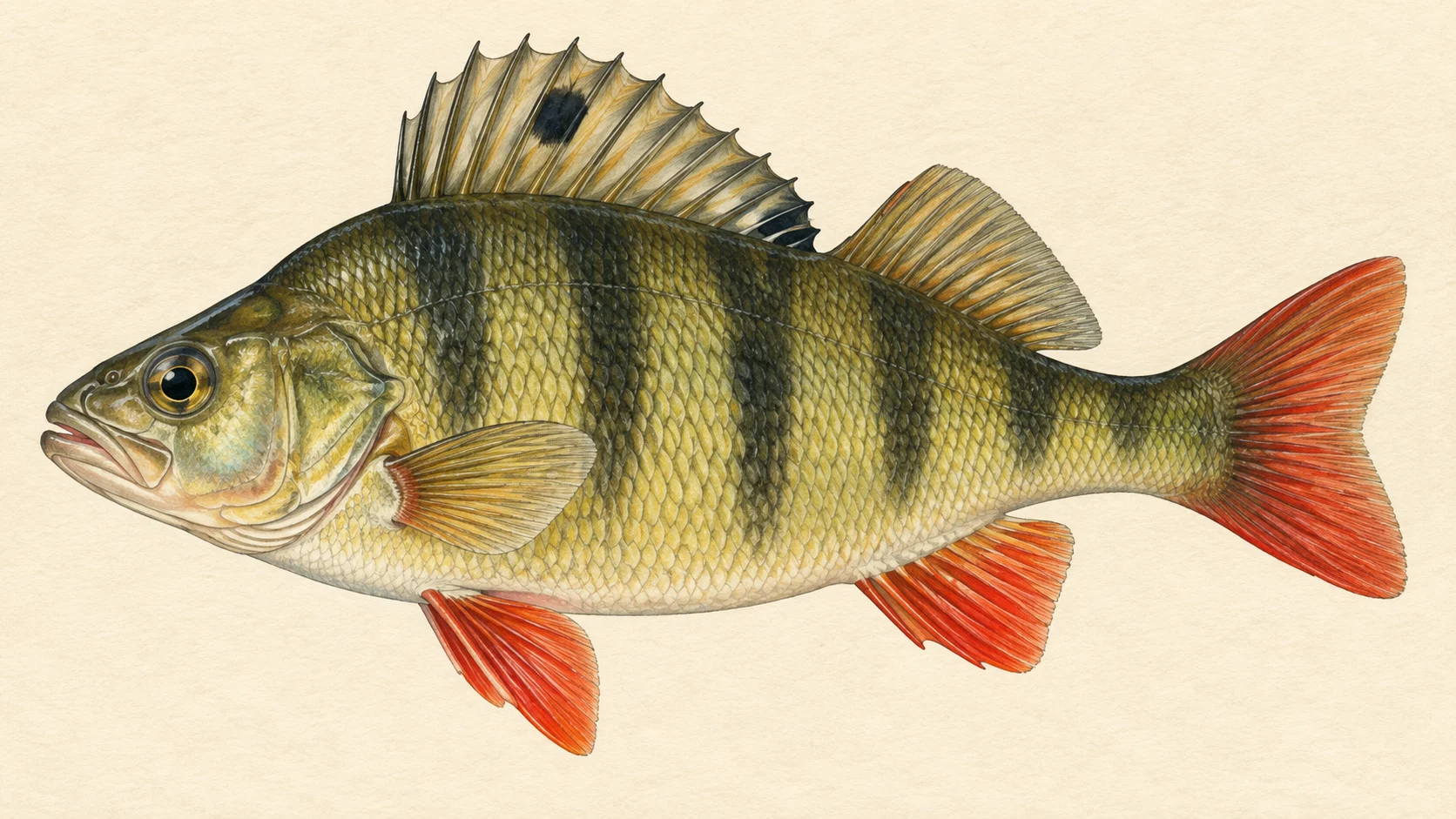
Gosling Creek Reservoir is a small, shallow town reservoir on the edge of Orange, with a fishing platform, toilets and barbecues, and a stocking history that puts rainbow and brown trout, golden perch and Murray cod in front of anyone who can reach the bank. Local anglers say redfin are here in large numbers too.
The water is one small storage and nowhere deep. Local accounts give it a maximum depth of about five metres. A dam built in 1890 holds it.
The easiest trip is a summer evening on the bank with a dry fly. Local anglers fish hoppers here in summer, and in our experience a foam hopper or a beetle cast along the bank on a windy afternoon does the same job. Local anglers put rainbows here in large numbers, so a rainbow is a good bet, with golden perch and redfin a chance on a sunk fly.
Gosling Creek is listed as a general trout dam, which in practice means the current NSW freshwater rules decide the season, limits and gear; check them before you drive over.
The second trip is the cooler months with a Woolly Bugger, the local pick for that season. The water is shallow, so we would fish a lightly weighted one on a floating or intermediate line, slow. Redfin will take it too, and local anglers treat them as a pest that is not returned; read the NSW guide for what you must do with one.
Boats are not the plan here. No power boats are permitted, on local accounts, and the water is shallow enough that they describe any boating as dangerous. Fish from the bank and the platform.
Check the NSW rules, pick a windy summer afternoon or a still winter morning, and walk the bank.
Water and habitat
The reservoir is a small storage on Gosling Creek, close to Orange, built in 1890. Local accounts give it about twelve hectares and a maximum depth of about five metres, which makes it a shallow basin with little in the way of deep water for fish to hide in.
In our experience, fish in water this shallow live close to the edges and close to the surface. Expect trout to cruise the margins and the wind-blown shore, and golden perch and redfin to sit along any drop or weed edge they can find. On a bright, still day we find the fishing gets harder; wind and low light are the better bet.
The water-surface chart shows how much of the basin has held water over the years, and it has dipped at times. A smaller wet area means a smaller basin for the fish.
Fish and forage
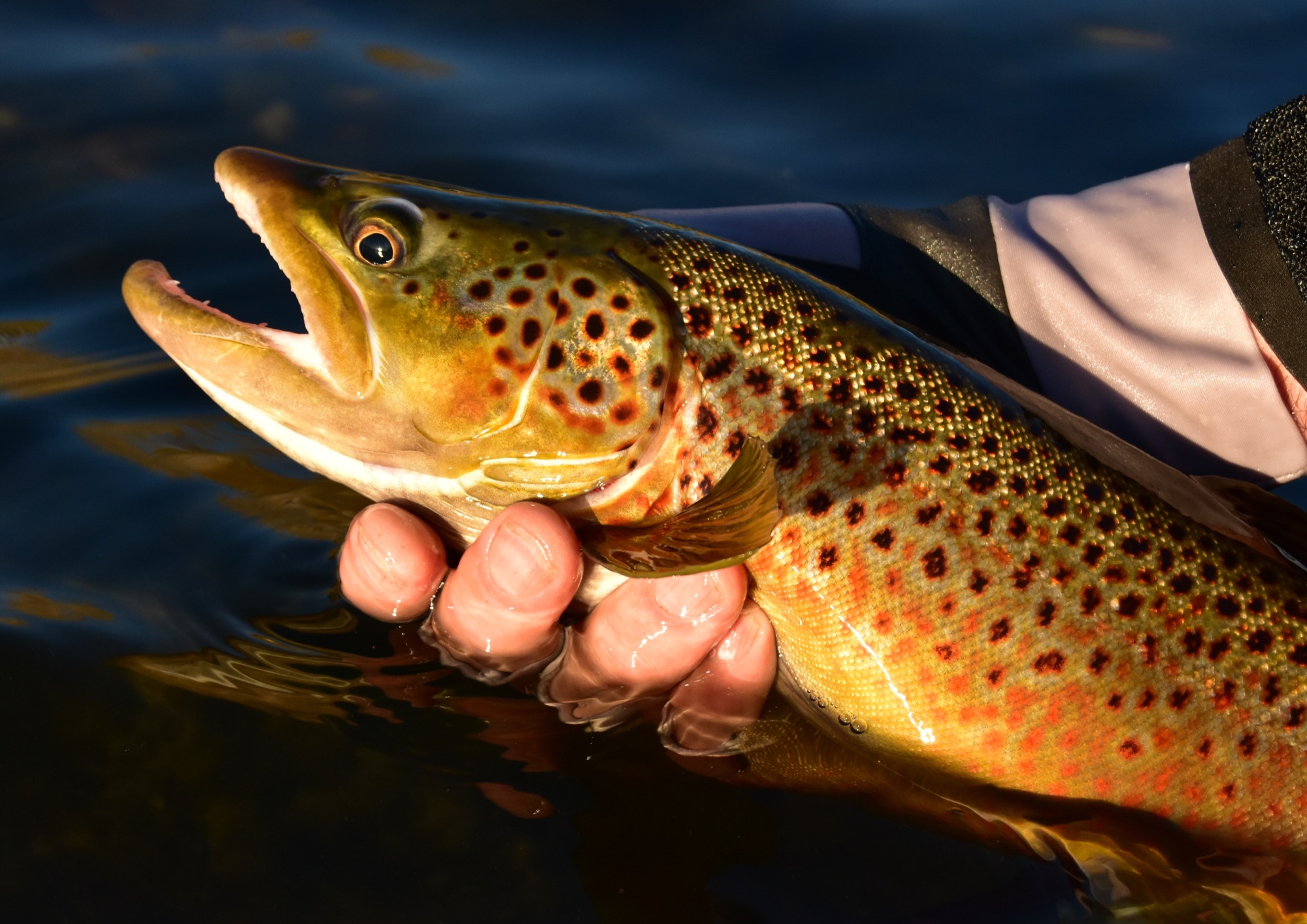
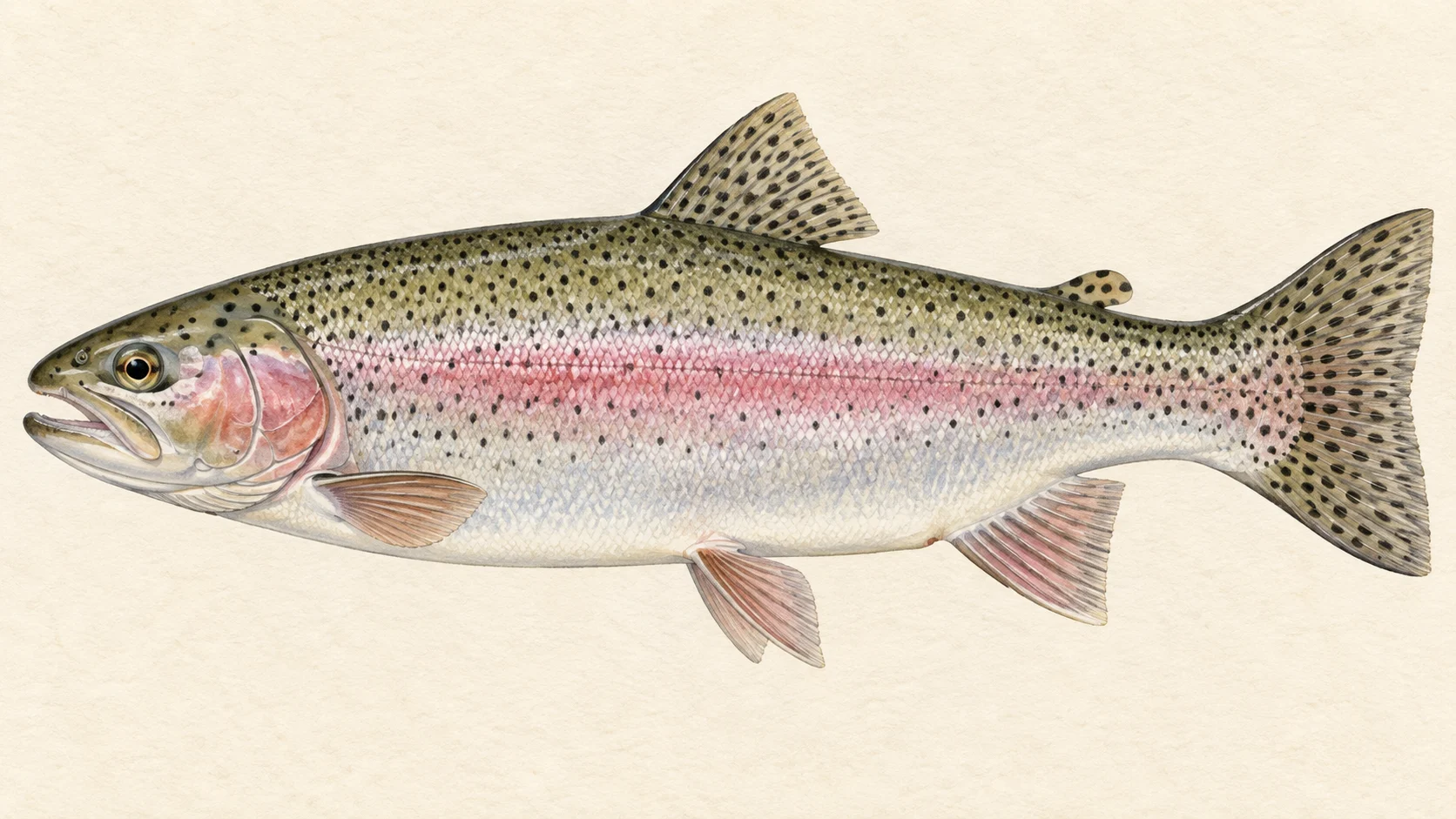
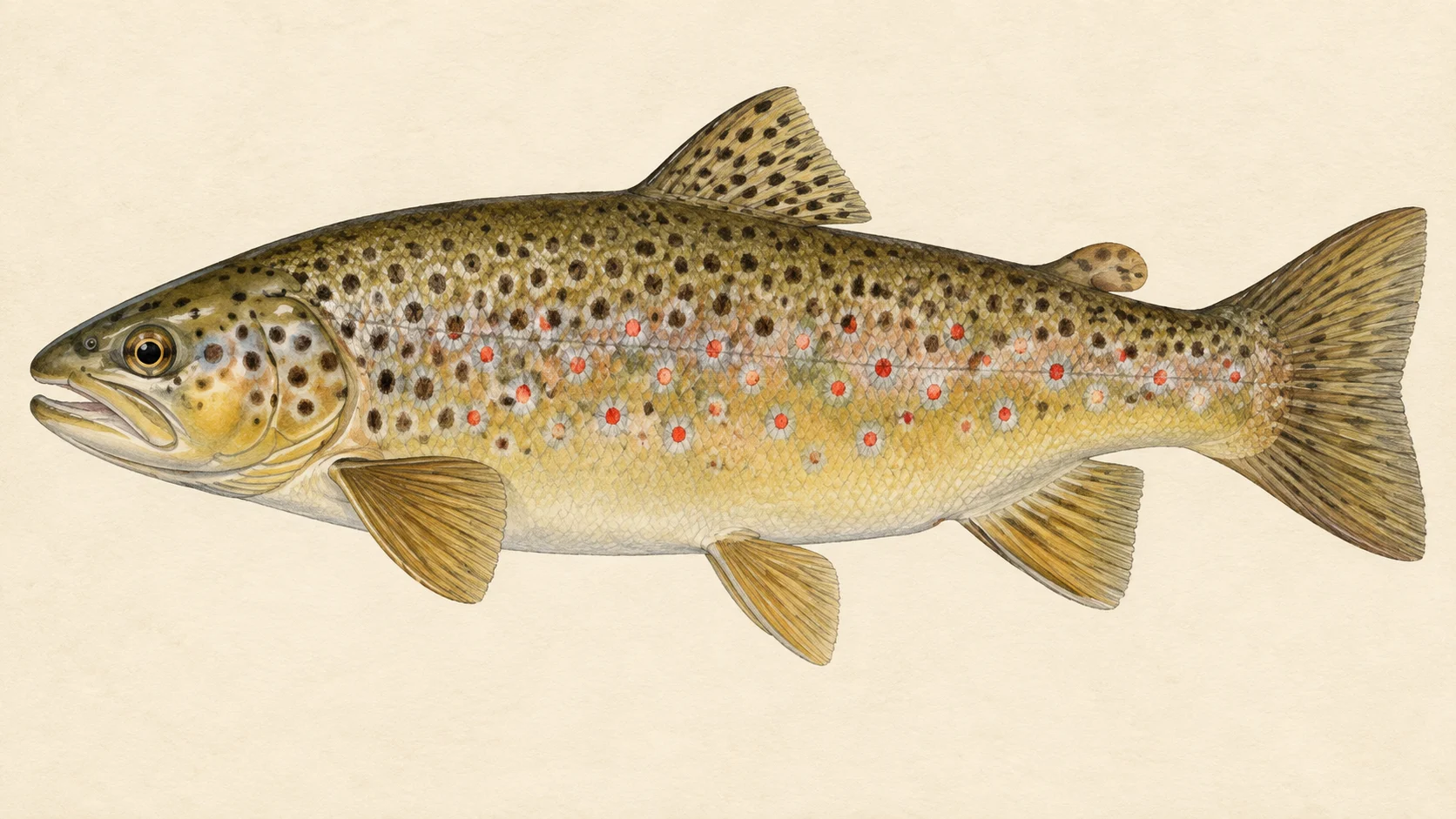
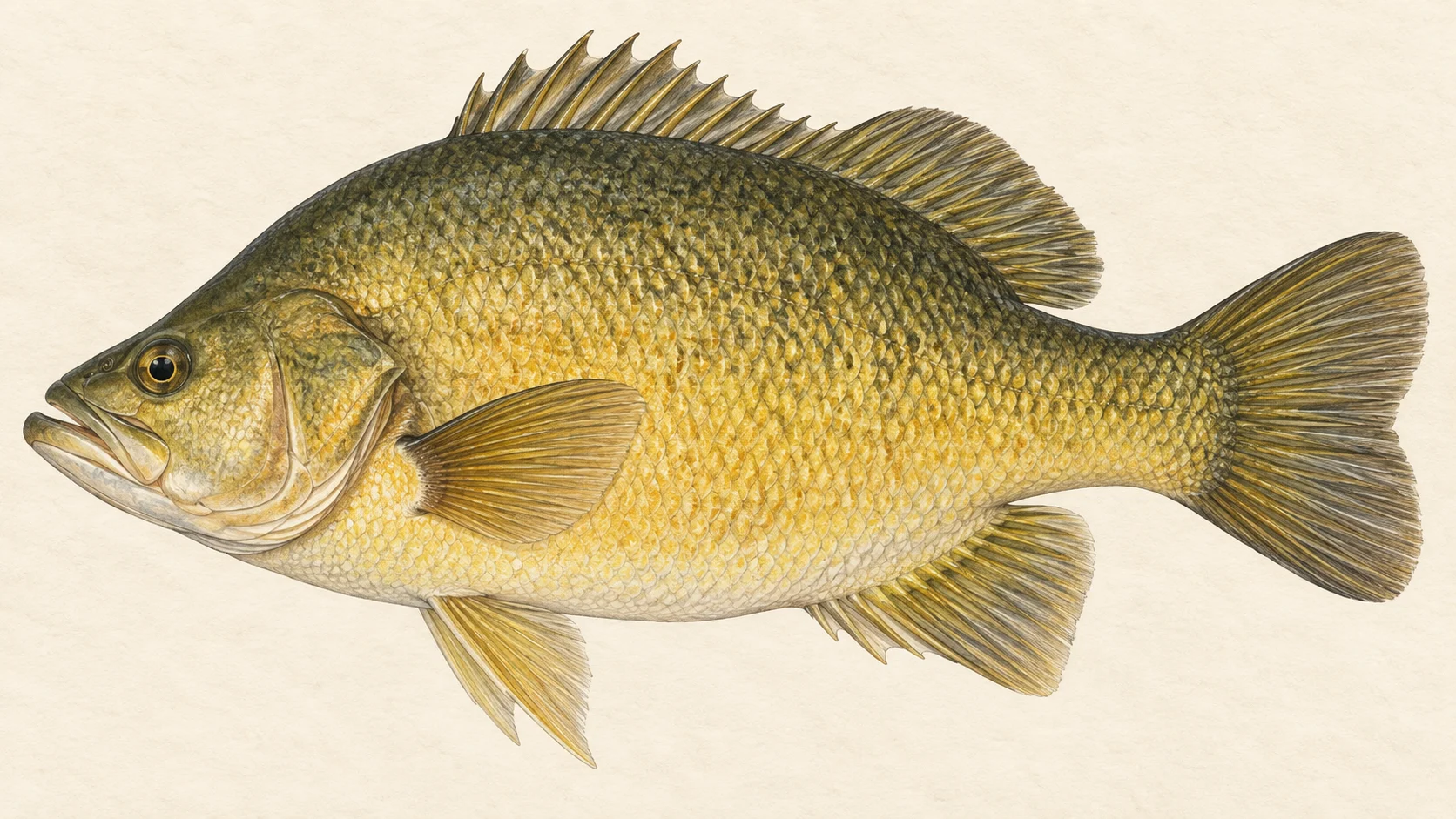
Rainbow trout and brown trout are both stocked, the browns in the larger numbers over recent seasons, and the stocking chart also shows golden perch and Murray cod. Local anglers put rainbows, golden perch, silver perch and redfin here in large numbers and name the redfin as a pest. The stocking means the trout are hatchery fish, and the natives are a longer-term bet; in our experience they are a warm-month fish.
Local anglers name worms, grubs, shrimp and small yabbies as the baits, and hoppers in summer, which tells you the fly box: a foam hopper and a beetle for summer, a small nymph, a lightly weighted Woolly Bugger, and a small, dark, weighted fly for the perch.
When to fish it
Summer is the dry-fly season. Local anglers describe summer hoppers as the bait here, and in our experience a hot, windy afternoon is the trout window to aim for. Golden perch and redfin are a good bet through the same warm months, on a sunk fly worked slow.
In the cooler months the local pick is a Woolly Bugger. We would be walking the bank on a still morning with a slow wet.
On any calm morning, watch the flat water for rising fish before you tie on anything.
How to fish it
A five or six weight with a floating line covers the whole water. Walk the bank and cast along it, not out from it, because in our experience fish in shallow water cruise the margin. In summer, drop a foam hopper or a beetle a few metres out from the bank on the windward shore and let it sit; a twitch every so often is enough.
In the cooler months, tie on a size 10 or 12 Woolly Bugger with as little weight as will still sink, and fish it slow on a floating or intermediate line. The water is shallow, so count it down only a few seconds and keep the retrieve just above the bottom. Cover the bank in a fan of casts, move ten metres, and repeat.
For golden perch, borrow the local plastics approach: a small, dark, weighted fly fished dead slow along the bottom with a lift-and-drop, close to any drop-off or weed edge you can find. Redfin will take the same fly, often in numbers.
The fishing platform gives a clean cast over the shallows and is the easy start for a child or a newcomer. Keep your backcast clear of the play equipment and the barbecues.
Wet your hands before you handle a trout, keep it in the water while you unhook it, and let it go once it holds itself upright. Check and dry boots and waders before the next water.
Access and safety
The reservoir sits close to Orange with a formed recreation area: toilets, play equipment, barbecues and a recently installed fishing platform, on local accounts. The access card shows the angler access site. With play equipment and barbecues on the bank, expect walkers and families and give them room.
As on any shallow storage, watch for a soft bottom and boggy margins after rain; wade only where you can see the bottom, and not at all if you do not need to.
Regulations
Gosling Creek Reservoir appears in the table of general trout dams (Schedule 2, Table B2) of the NSW Fisheries Management (Trout and Salmon, Fishing Closure) Notification 2023, and the DPIRD freshwater guide lists it the same way with Orange as the nearest town. The listing covers the backed-up water of the reservoir; the tributaries above the point where they enter that backed-up water are not part of it.
We know of no rule specific to this water beyond that listing. The season, bag and size limits and permitted gear that attach to a general trout dam in the current year, and the entries for golden perch, Murray cod and redfin, are set out in the NSW fishing rules and regulations and the freshwater bag and size limits. Read both before you fish, and confirm the fishing fee and exemptions.