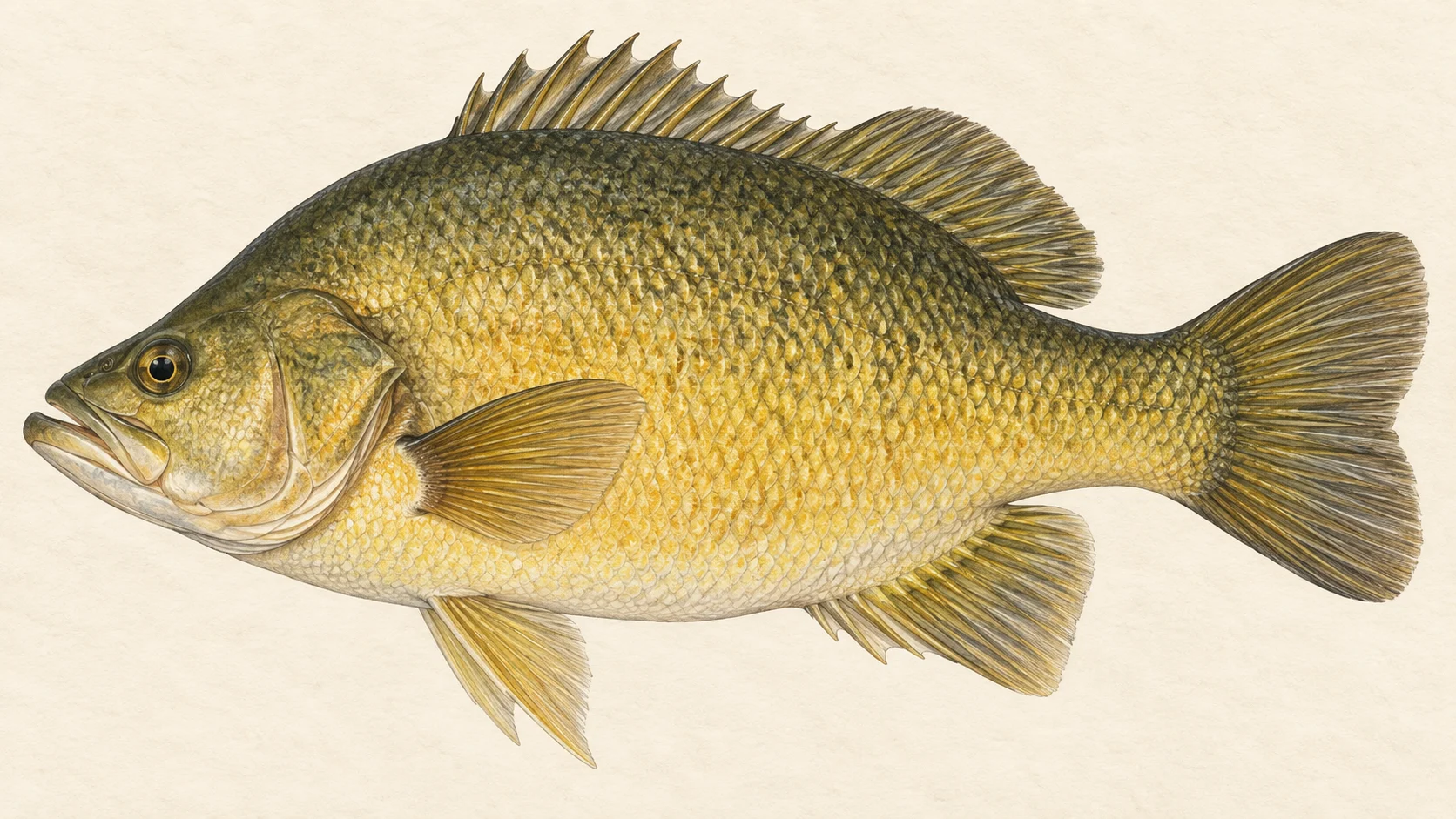
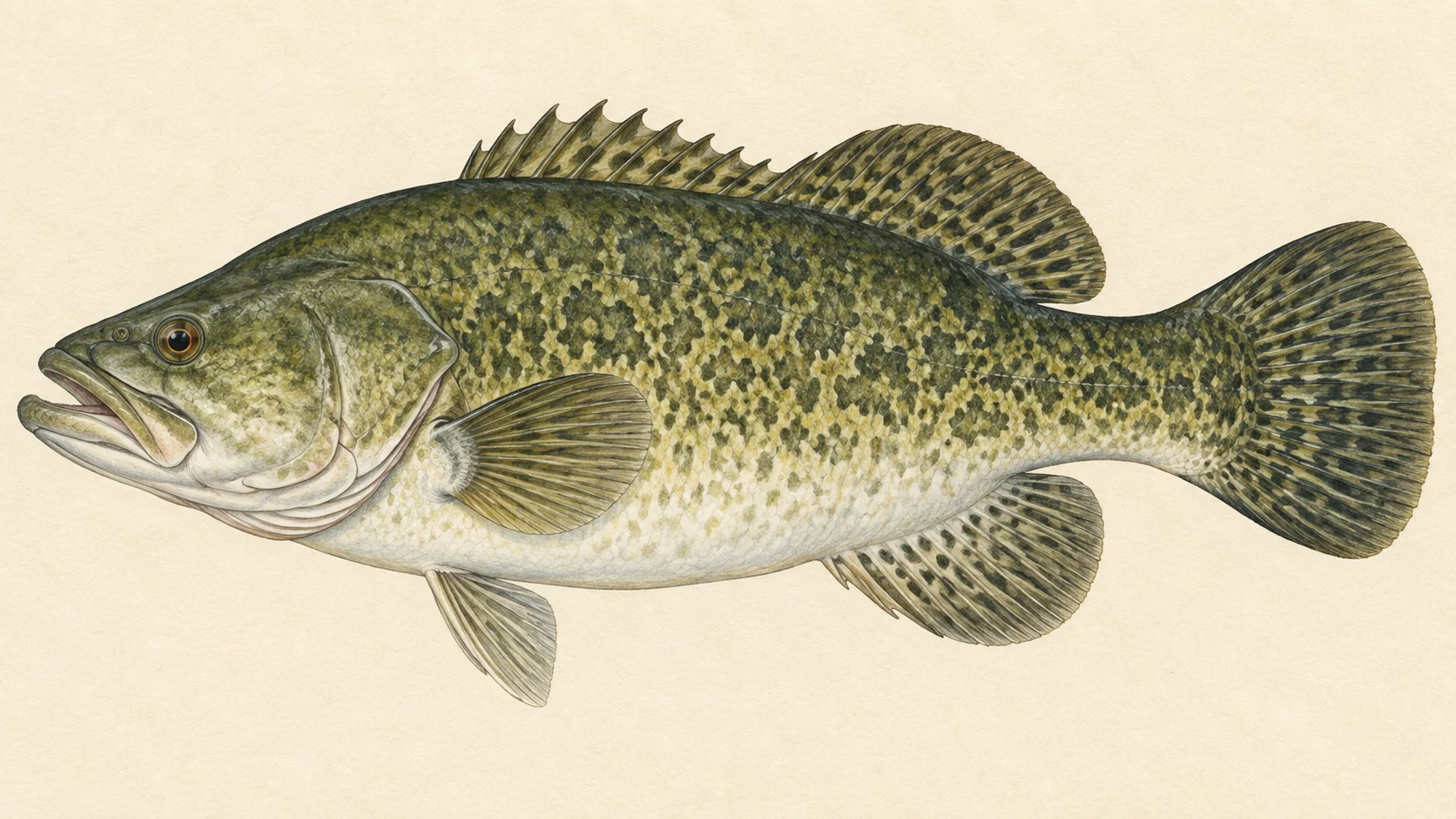
Lake Keepit is a stocked storage in New South Wales, and you come to it for golden perch and Murray cod on a streamer. One angling magazine puts Keepit on its list of eastern lakes that see more anglers each spring, and that season is the reason to drive.
The shape is simple: a dam holds back one body of still water, and the part that matters to you is its edge. Points, bays and whatever the current level has drowned are where the fish sit; the open middle is water you cross. There are two ways in, a boat ramp and a shore access site, and the access card names both. Neither changes how you fish; the ramp just lets you reach more shoreline.
The easy trip is golden perch in spring. Launch at the ramp, run to the nearest point, and count a small dark streamer down the edge before hopping it back slowly. No water-specific rule was found for the lake, so you fish under the state-wide NSW rules, which means reading the current NSW fishing guide for the licence, bag and size limits before you launch rather than at the ramp. In our experience this is the trip to start with, and a first-timer should.
The harder trip is the cod, in the warm months at first and last light. A big streamer on a sinking line, put tight against the structure and worked back with long pauses, is the approach. Read the current NSW fishing guide on Murray cod, including any seasonal rule, before you set a date.
Winter is the quiet option. In our experience the perch sit deeper and want a slower fly, and the cod are harder to move. Go if you are close, not if you are driving far.
Pick a spring weekend, check the storage level, and be on the water at first light.
Water and habitat
Keepit is a dammed storage, so it rises and falls with what is released and what comes in. The water-surface chart shows how its wet area has moved over the years, and that movement is the first thing to understand: the fish follow the edge, and the edge is somewhere different at a low level than a full one.
Arrive with no fixed idea of the shoreline and read it from the boat. The water to look for is the same on any storage like this: a point running into deeper water, the mouth of a bay, a drop-off where the bottom falls away, and any drowned cover the current level has put under. Golden perch hold on that structure a little shallower; a cod wants the same place with shade and deep water beside it.
Fish and forage
Golden perch are the fish we would plan around. They have been seen in the lake and are stocked, and the stocking chart shows golden perch and Murray cod both going in across recent seasons. Read that as a sign that both fisheries are kept up on purpose, not as a count of what is there.
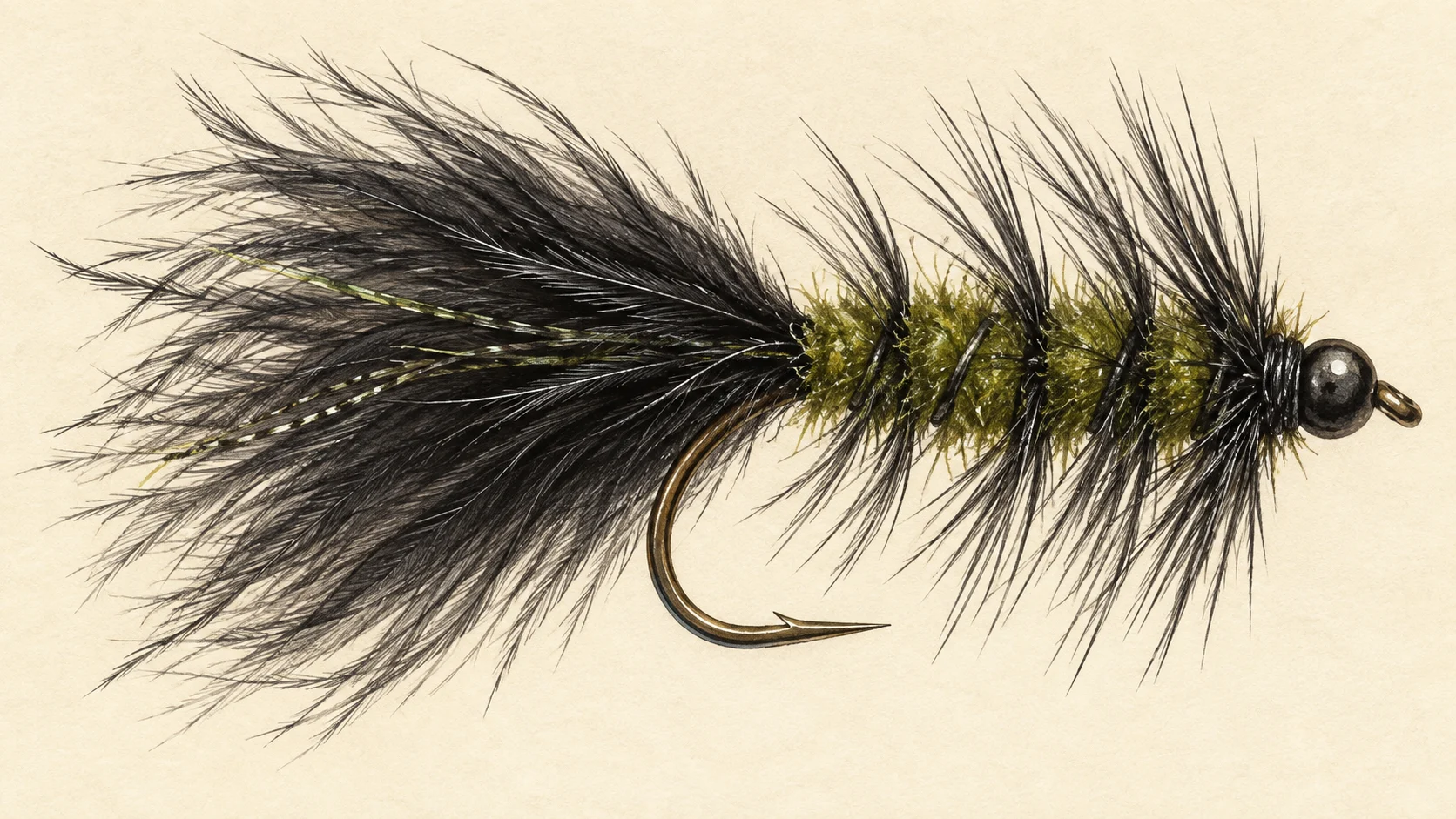
What they eat is a guide's read of an inland storage rather than anything measured on this lake. Cod eat whatever is large enough to be worth the chase, mostly other fish and yabbies. Golden perch take smaller food close to the bottom and the edges. For the fly box that means two sizes of one idea: a large, dark streamer that pushes water for cod, and a smaller weighted streamer in black or olive for the perch.
When to fish it
Spring is the season to plan around. Keepit sits on an angling magazine's list of eastern lakes that see more anglers each spring, and in our experience that is golden perch moving onto the edges as the water warms. September through December is the window we would pick.
Summer into autumn is cod time. Fish the first and last hours of light, when big fish come onto the shoreline structure, and rest through the heat of the day.
Winter fishes slow. The perch drop deeper and want a fly held near the bottom for longer, and a cod is a rare fish. Whatever the month, check the storage level before you travel.
How to fish it
You are fishing structure, not open water. Every cast goes to a point, a drop, a bay mouth or a piece of drowned cover, and the retrieve is slow.
For golden perch, a six or seven weight with an intermediate or sinking line, and a size 6 to 8 Woolly Bugger in black or olive, weighted. Cast along the edge rather than out into the lake, count it down, and hop it back along the bottom with pauses. Takes are often a dead weight on the pause.
For cod, step up to a nine or ten weight, a fast-sinking line and a short, heavy leader. The fly is big, a Woolly Bugger tied on a 2/0 hook with plenty of marabou or any articulated streamer that moves water. Put it tight to the cover, let it fall down the face, and bring it back in long slow strips with longer pauses.
From the shore access site, fish first light before the boats are out and cover the edge within reach. The fish are beside you, along the bank.
Access and safety
The access card names two sites: a boat ramp and a shore access site. Use them as they are signed on the day; the card describes where they are, not what you may do there.
As on any large storage, the afternoon wind can make open water rough, so keep a small boat close to the shore you launched from and watch the sky. As on any storage that falls, step onto an exposed edge with care. Carry water and sun protection through summer.
Regulations
No water-specific rule was found for Lake Keepit. Before you fish, read the current NSW Department of Primary Industries and Regional Development recreational fishing guide for the licence, the bag and size limits, any seasonal rule on Murray cod and its lists of closed waters, and follow what it says on the day.