Malpas Reservoir is a stocked storage near Guyra, and the reason to drive to it is simple: it is a trout dam you can fish in any month of the year, with bass on top in the warm season.
It is a single storage with no stretches to choose between; the decision is which bit of shoreline to fish.
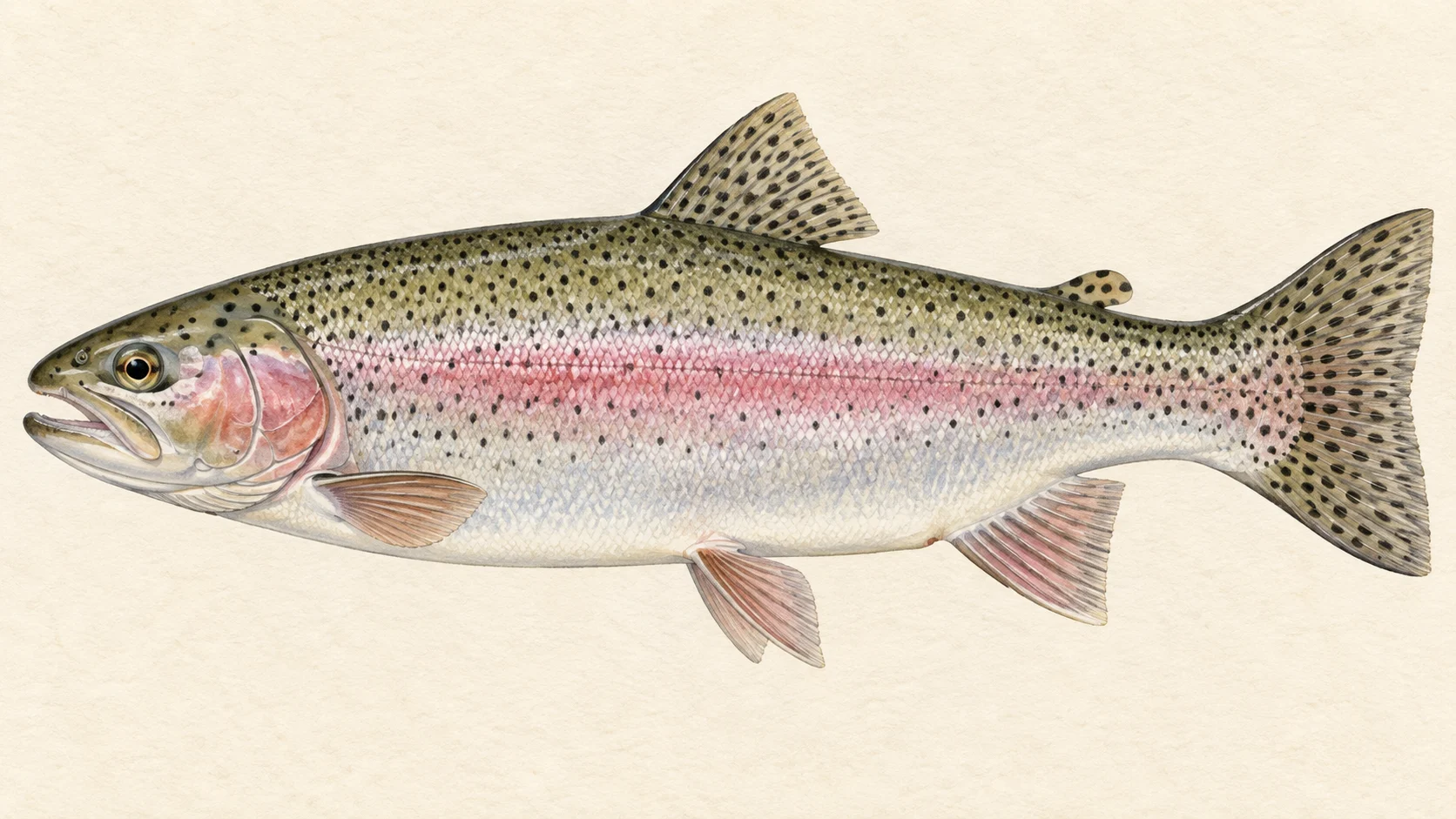
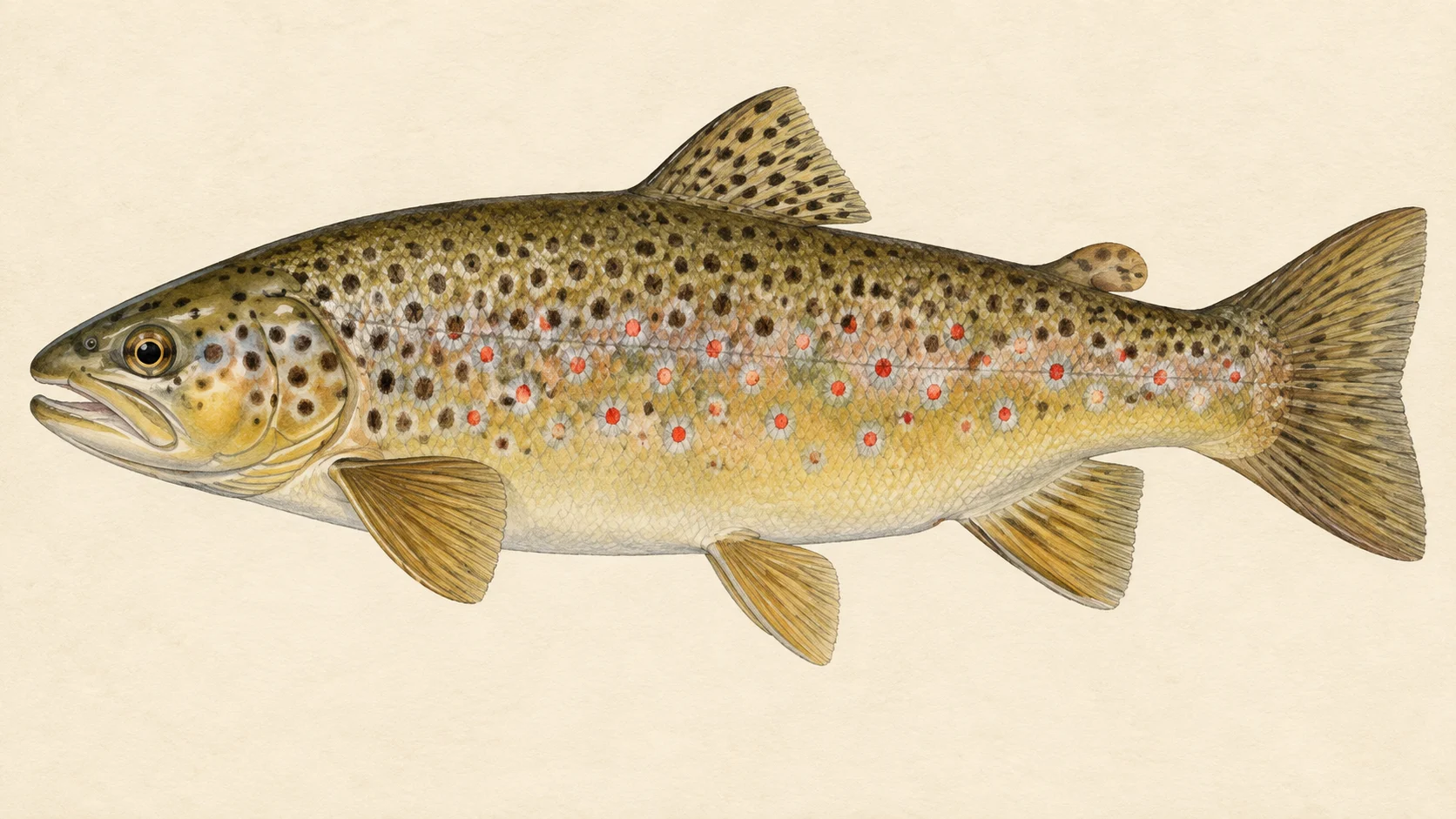
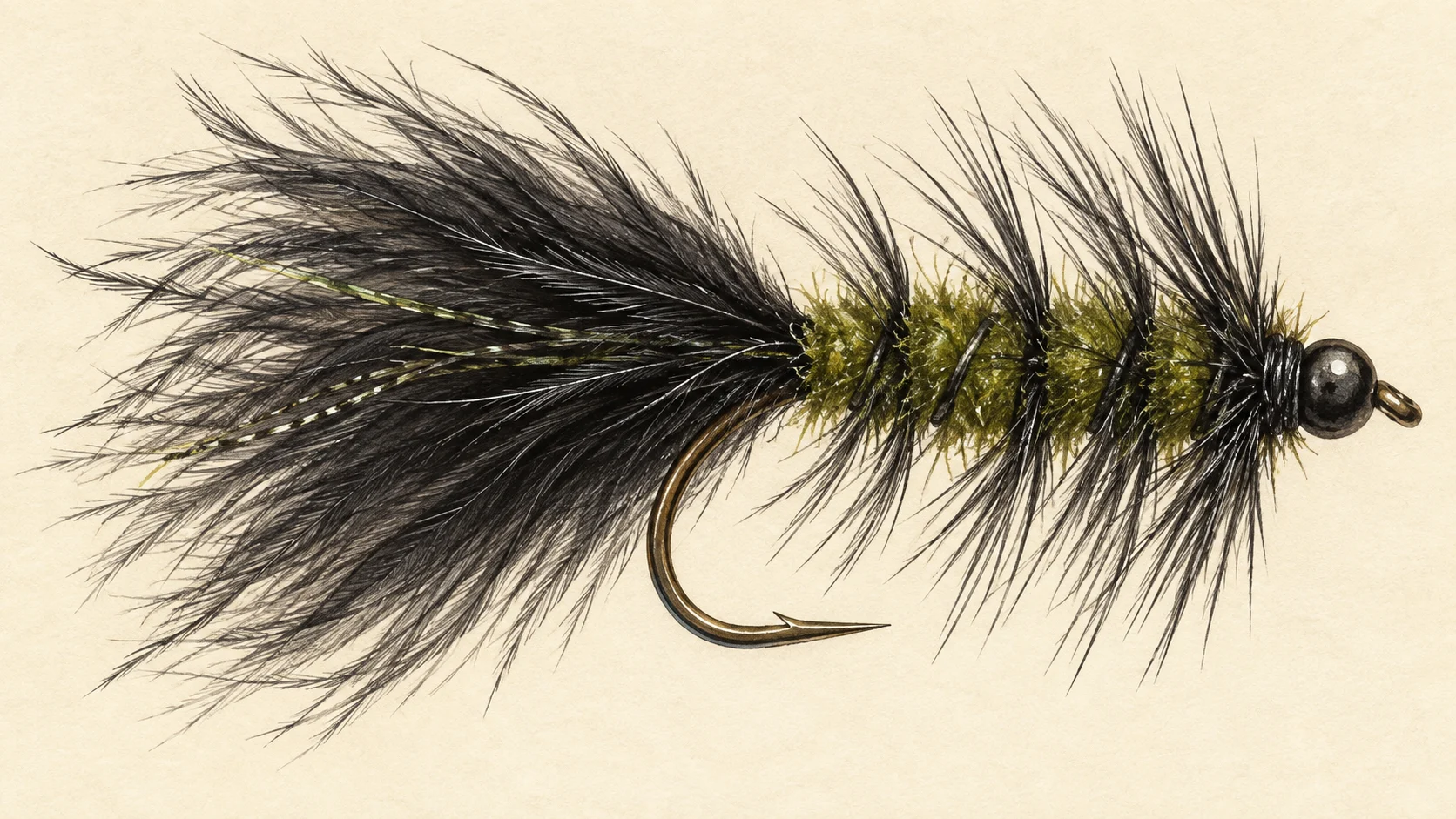
The easy trip is a cool-season morning on the bank for trout. NSW DPIRD classes Malpas as a general trout dam, open to trout fishing all year round, which in practice means a trout trip here never waits on an opening day. Rainbows are the trout stocked most often, with browns added in a couple of recent seasons. Walk the shoreline, fish a dark Woolly Bugger slowly along the edge, and cover water.
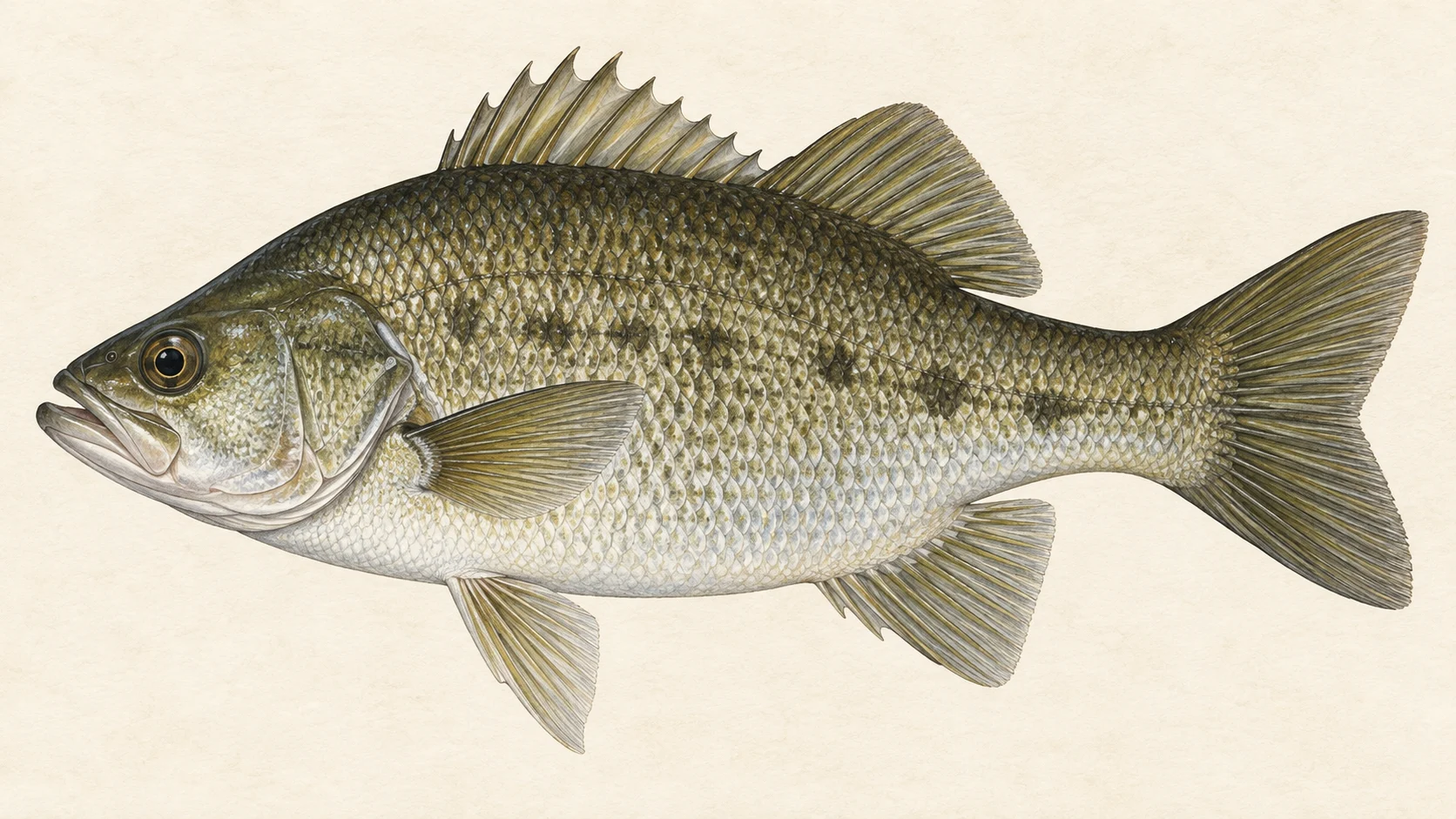
The second trip is a warm summer evening for Australian bass. Bass have been stocked into Malpas every season in recent years, and in our experience stocked bass in a storage feed hardest at dusk around structure. A small surface fly or a weighted streamer is the tool.
The access card lists a boat ramp as well as an angler access site. Check the conditions of use with the storage's managers before you tow a boat up; a boat reaches water a bank angler cannot.
If you are choosing between the two, start with the trout: Malpas is on the state's trout list, and its classification makes them a year-round option.
Check the current NSW freshwater guide for limits, then pick a still morning and go.
Water and habitat
Malpas is a dammed storage near Guyra. The water-surface chart shows how much of the basin has held water over the years. When the storage is down, the fish are packed into a smaller space and the edges move, so read the current shoreline rather than an old memory of it.
In our experience trout in a storage like this cruise the margins, especially along a windward shore where food piles up, and drop deeper in bright weather. Bass hold tighter to cover: whatever drowned timber, weed edge or rocky point you can find is where we would look first.
Fish and forage
Rainbow trout are the trout stocked here most often, with brown trout added in a couple of recent seasons. Australian bass have gone in every season on the stocking chart. NSW DPIRD's regional guide groups Malpas with the district's dams it describes as regularly stocked and fishing well, alongside Copeton, Pindari, Dumaresq and Beardy Waters.
Stocked fish mean the trout are hatchery fish growing on in the dam, so the size you meet depends on how long ago they went in. The stocking chart is the best clue to what cohort is out there.
For a fly box, we would carry dark Woolly Buggers and a few small nymphs for trout, and for bass a couple of small poppers and weighted baitfish patterns.
When to fish it
Trout are open all year here, so the calendar is set by the fish, not the rule. In our experience the cooler months from autumn through spring are the better trout water: fish come into the shallows and feed through the day. In the heat of summer we would fish for trout early and late, or deeper.
Bass are the opposite. They are a warm-water fish, and a summer evening from November to March is when we would expect them to take a surface fly. Once the water cools right down they go quiet.
How to fish it
A six weight with a floating line covers most of the bank fishing; add an intermediate line if you want to hold a fly a little deeper. Walk the shoreline and cast along it rather than straight out, because trout cruising the margin are the ones you can reach.
For trout, tie on a size 8 or 10 Woolly Bugger in black or olive, let it sink a few seconds, and strip it back slowly with pauses. On a calm morning watch the surface for rises and put a small nymph under a light indicator in front of any fish you see moving.
For bass, fish the last hour of light. Put a small popper tight against cover, let the rings die, then pop it once or twice. If nothing comes up, change to a weighted streamer and work it slowly past the same cover.
From a boat, where boats are allowed, drift the edges and cast in towards the bank.
Access and safety
The access card shows two sites: a boat ramp and an angler access site. Use them, and treat the rest of the shoreline as you find it: follow any signs and ask the storage's managers if you are unsure where you may walk or launch.
As on any storage, water levels move, and banks that were firm can turn soft or slippery as they drop. Wade only where you can see the bottom, wear a lifejacket in a boat, and keep an eye on the weather; open water can get rough quickly when the wind comes up.
Regulations
NSW DPIRD classes Malpas Reservoir (listed as Malpas Dam, near Guyra) as a general trout dam under its Northern NSW trout Primefact, and it is open to trout fishing all year round.
That classification sets the season, not everything else. For bag and size limits, gear rules and the rules for any other water nearby, check the current NSW freshwater fishing guide and its trout-water lists before you fish.