Australia Fly Guide
NSW · Murrumbidgee River

Sherlock Creek

Imagery © Esri

info

Before you rely on this page

  • Access here has not been confirmed on the ground — treat every way in as unverified.

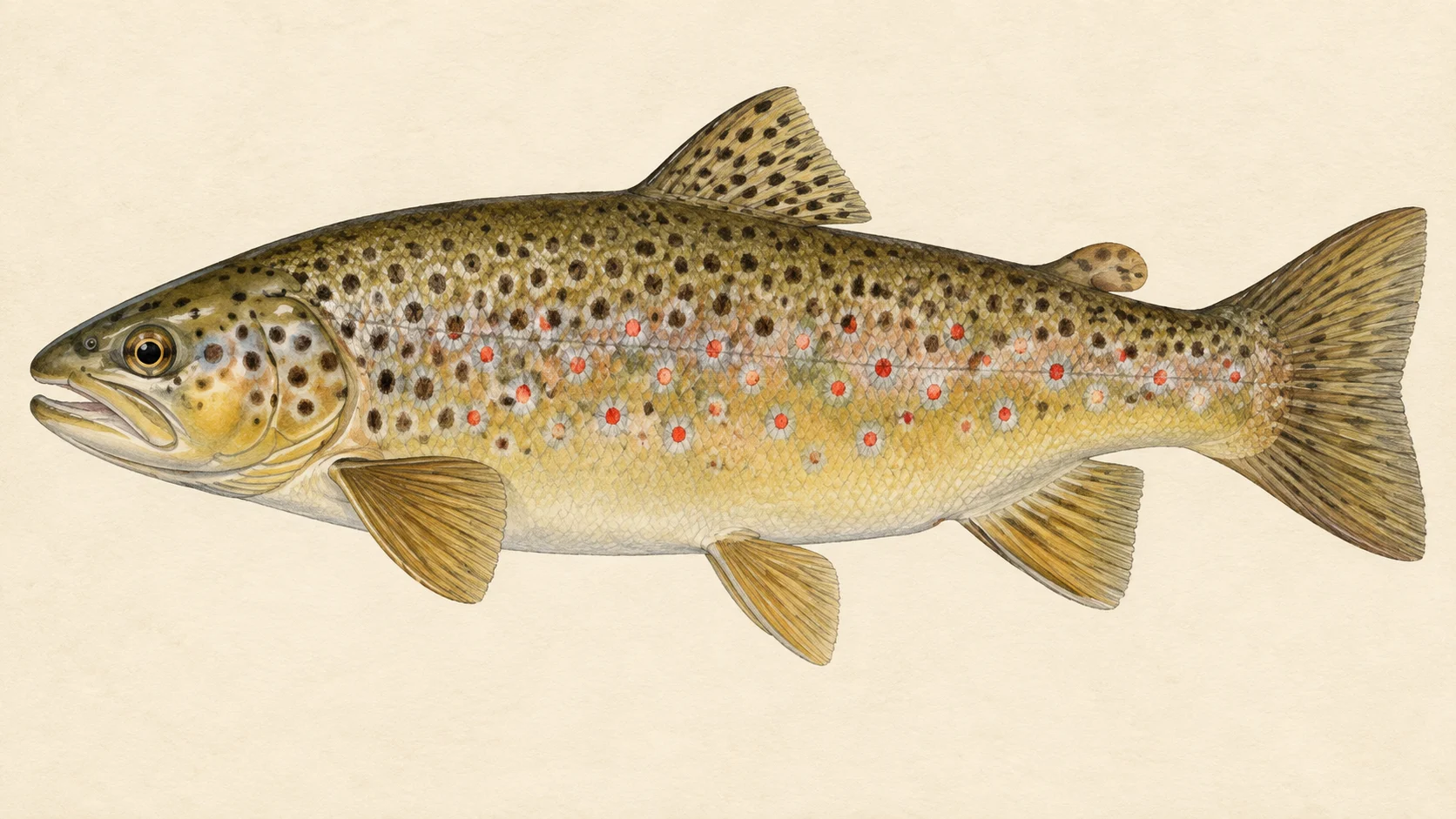
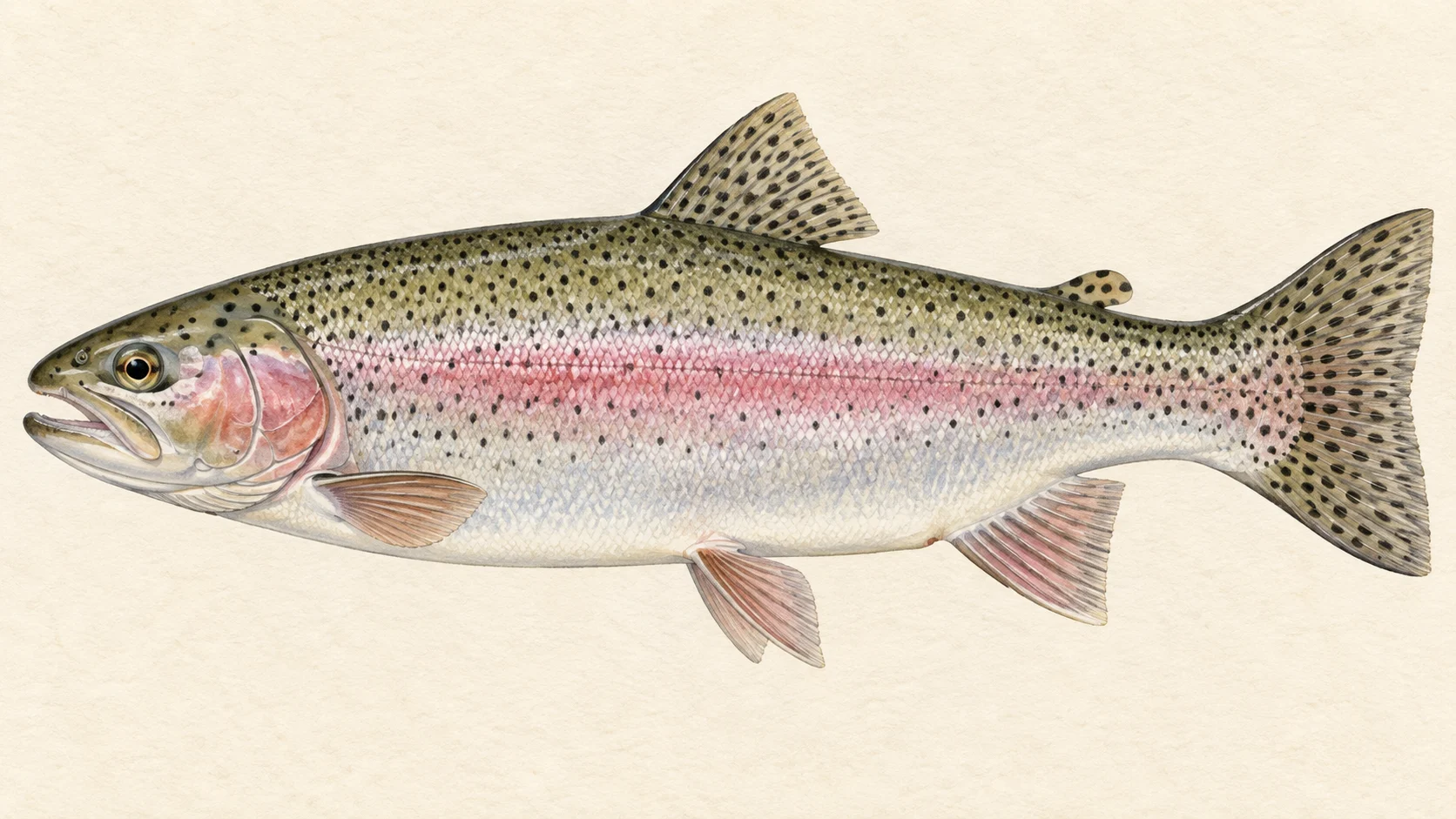
Sherlock Creek is a small NSW stream that runs into the Queanbeyan River, and the reason to fish it is the trout: browns and rainbows have both been stocked into it.

Start at one of the access points on the access card, walk to the water and work upstream with a dry and a small nymph under it, through the pools and deeper runs. The current NSW trout guide decides when you can fish and what you can keep, so read it before you pick a date.

Pack a 3 or 4 weight and a box of small dries and nymphs.

Water and habitat

A small creek feeding a bigger river. On water this size, cover matters more than almost anything else. Where the banks are open, trout see you coming across the grass; where they are shaded, overhanging growth gives fish somewhere to sit and drops food into the water.

In our experience, trout in a creek like this hold in the deeper water: the head of a pool where the run tips in, the seam beside faster current, an undercut bank, the slack behind a log or a boulder. Shallow, even-bottomed stretches hold fewer fish and spook them first.

Fish and forage

NSW stocking records list brown trout and rainbow trout released into the creek, and the stocking chart shows which seasons they went in. Stocked fish of both kinds are what most anglers should plan on, and a stream this size usually keeps most trout modest.

The rest of the fly box is a guide's read. Small-stream trout feed mostly on nymphs drifting along the bottom and on whatever lands on the surface, and in warm weather that includes grasshoppers, beetles and ants off the bank. A few buoyant dries, a hopper and some bead-head nymphs in sizes 12 to 16 cover most of it.

When to fish it

Settle the rules first: take any season for the creek from the current NSW trout guide. Within whatever it allows, a small NSW trout stream usually fishes best from late spring into autumn. Summer is the time for hoppers and terrestrials along the banks, fished early and late when the light is off the water. Autumn often brings cooler, clearer days. After heavy rain, give a small creek a day or two to drop and clear.

How to fish it

Travel light and fish upstream. A 3 or 4 weight rod of around 8 feet, a floating line and a 9 foot leader tapered to 5X is plenty. Keep low, stay back from the edge, and make short casts with as little line on the water as you can.

Start with a dry and dropper: a size 12 to 14 Royal Wulff with a size 14 to 16 bead-head Hare's Ear or Pheasant Tail under it on a short tippet. Put it in the head of each pool and let it ride down the seam. Two or three good drifts tell you whether a fish is home; then move up. In summer, swap the dry for a hopper and land it close to the bank wherever grass meets the water. In the deeper, slower pools, a small Woolly Bugger stripped past cover can move a brown that will not come up.

Access and safety

The access card names the access points. Treat them as locations, not a statement of permission, and respect any fence or sign you meet on the ground.

As on any bush stream, tell someone where you are going and when you expect to be back, carry water and a small first-aid kit, and watch your footing on wet rock and undercut banks. A small creek can rise quickly after rain, so keep an eye on the sky and never wade a crossing you are unsure of.

Regulations

Before you fish, read the current NSW Department of Primary Industries and Regional Development trout guide, check its trout-water lists and closed-waters list for the creek, and take any season, bag and size limits and licence requirements from it.
2 named access sites

These authority-listed points are separate from the mapped track intersections above. Some were inspected and some are public boat-ramp records; each row says which. A listing does not grant permission across private land, so check closures, signs and gates when you arrive.

  • Jerangle Rd Authority-listed access site · Access mode not stated · Public Road
  • Sherlock Ck Reserve Authority-listed access site · Access mode not stated · Public Reserve

Sources: NSW Department of Primary Industries and Regional Development.

When things happen

The guide's calendar for this water

When things happen

The year on this water

A year at a glance; check current rules

  • Dry and dropper through the pools · Nov to Mar A guide's read, not a record. A size 12 to 14 Royal Wulff with a small bead-head nymph under it is a good first rig on a small trout creek once the weather warms. Take any season for the creek from the current NSW trout guide before you plan the trip.
  • Hoppers along grassy banks · Dec to Mar In our experience late summer on a small creek is hopper time wherever grass meets the water. Land it tight to the bank and let it sit.
  • Nymphs when nothing is rising · Oct to Apr A size 14 to 16 Pheasant Tail or Hare's Ear fished short and upstream through the deeper runs is the fallback on a cool or bright day.

What the record shows

Flows, river gradient, changing water levels, fish surveys and stocking

What the record shows

Stocking on record

33,600 fish in 22 records, 2020 to 2026

0 2k 4k 6k 2020: 4,000 rainbow trout in 2 records 2021: 4,000 rainbow trout in 2 records 2022: 4,000 rainbow trout in 2 records 2022: 2,000 brown trout in 2 records 2023: 4,000 rainbow trout in 2 records 2023: 2,000 brown trout in 2 records 2024: 4,000 rainbow trout in 2 records 2024: 2,000 brown trout in 2 records 2025: 4,000 rainbow trout in 2 records 2025: 1,600 brown trout in 2 records 2026: 2,000 brown trout in 2 records 2020 2021 2022 2023 2024 2025 2026
Rainbow Trout, 24,000 across 12 records Brown Trout, 9,600 across 10 records
Stocked in 7 of the 7 years from 2020 to 2026. These are site-by-year totals, which can combine more than one release. A record is not a promise that stocking continues, and not evidence of what is in the water now.
Source: NSW Department of Primary Industries and Regional Development (Fisheries).
Source details and licence

NSW Fish Stocking — ArcGIS site markers and linked histories. retrieved 2026-08-29.

Conditions

What the gauges say

Check the water operator or jurisdiction authority for current conditions, and read the water yourself when you arrive.

Questions anglers ask

What will I catch?

NSW stocking records list brown and rainbow trout released into the creek in recent seasons, so those are the fish to plan for. The stocking chart shows which seasons they went in.

Is there a closed season?

Check the current NSW Department of Primary Industries and Regional Development trout guide, including its trout-water lists and closed-waters list, and take any season, bag and size limits from it before you fish.

Where do I start?

Pick one of the access points on the access card, walk to the water and fish upstream from there. Treat those points as locations only, and read the signs and fences on the ground.

What rod should I bring?

A 3 or 4 weight of around 8 feet suits a small creek. Short, accurate casts matter more here than distance.

Behind this page