Lake Crescent is a shallow, silty lake on the eastern edge of Tasmania's Central Plateau, and FlyLife calls it one of the state's most legendary trophy trout fisheries.
Expect blind fishing. The water is turbid, so you cast streamers at likely water rather than to fish you can see.
Plan your trip for August to October, when the water rises and baitfish move into the shallows, and take a boat if you can. Read the Inland Fisheries Service guide before you go.
Water and habitat
Crescent is shallow, silty and turbid, and marsh-fringed. Reeds and marshes limit shore fishing, and FlyLife describes access as via Interlaken in the central midlands. The lake is known locally as the lake of a thousand casts, a nod to the effort a trophy fish can take.
In our experience, shallow, turbid water sends trout to structure and food. The spots to look at first are the wind-blown rocky points, the flooded pin-rush marshes and the shallow shores where baitfish gather, which is where FlyLife's writers point too.
Fish and forage
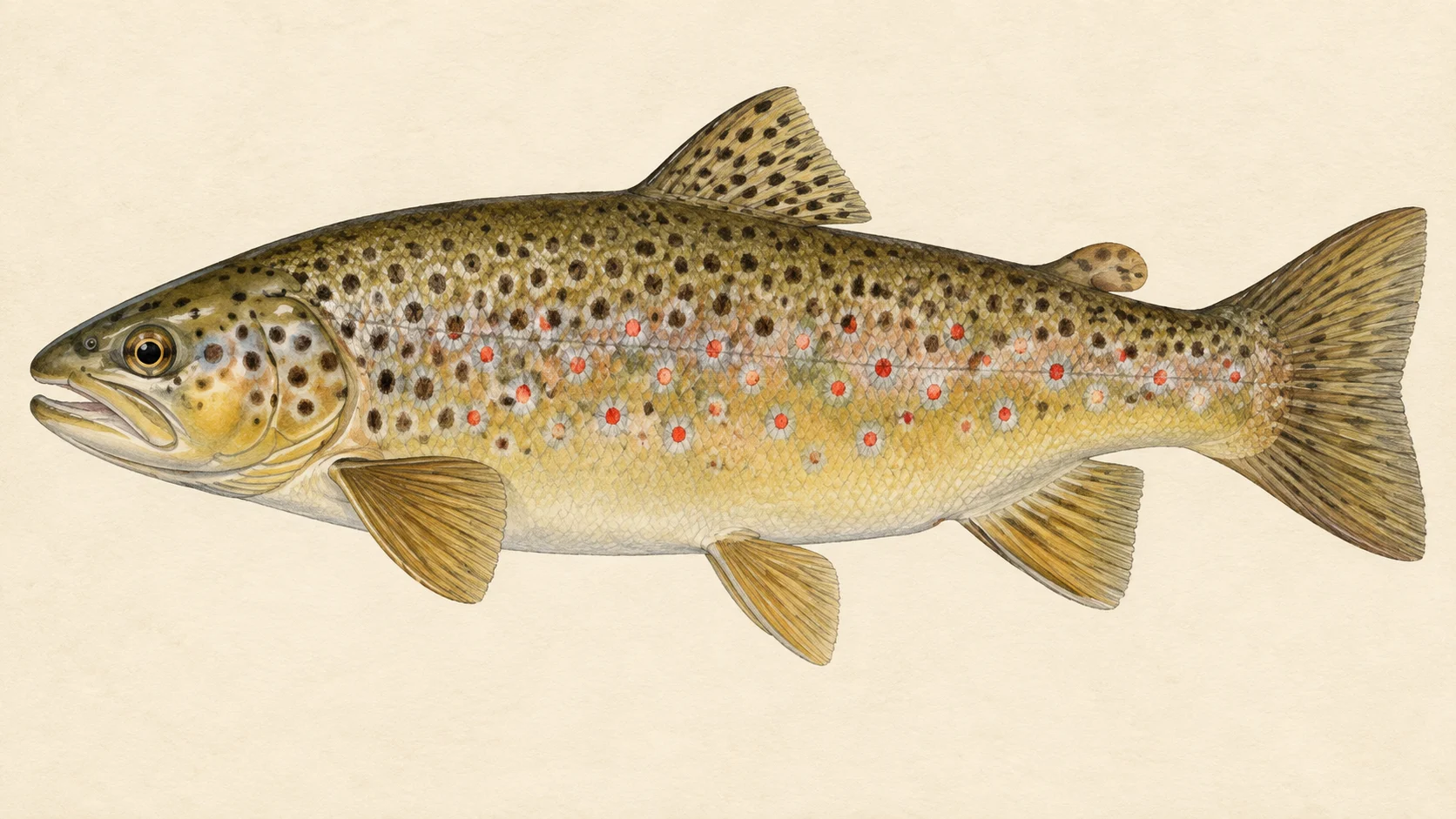
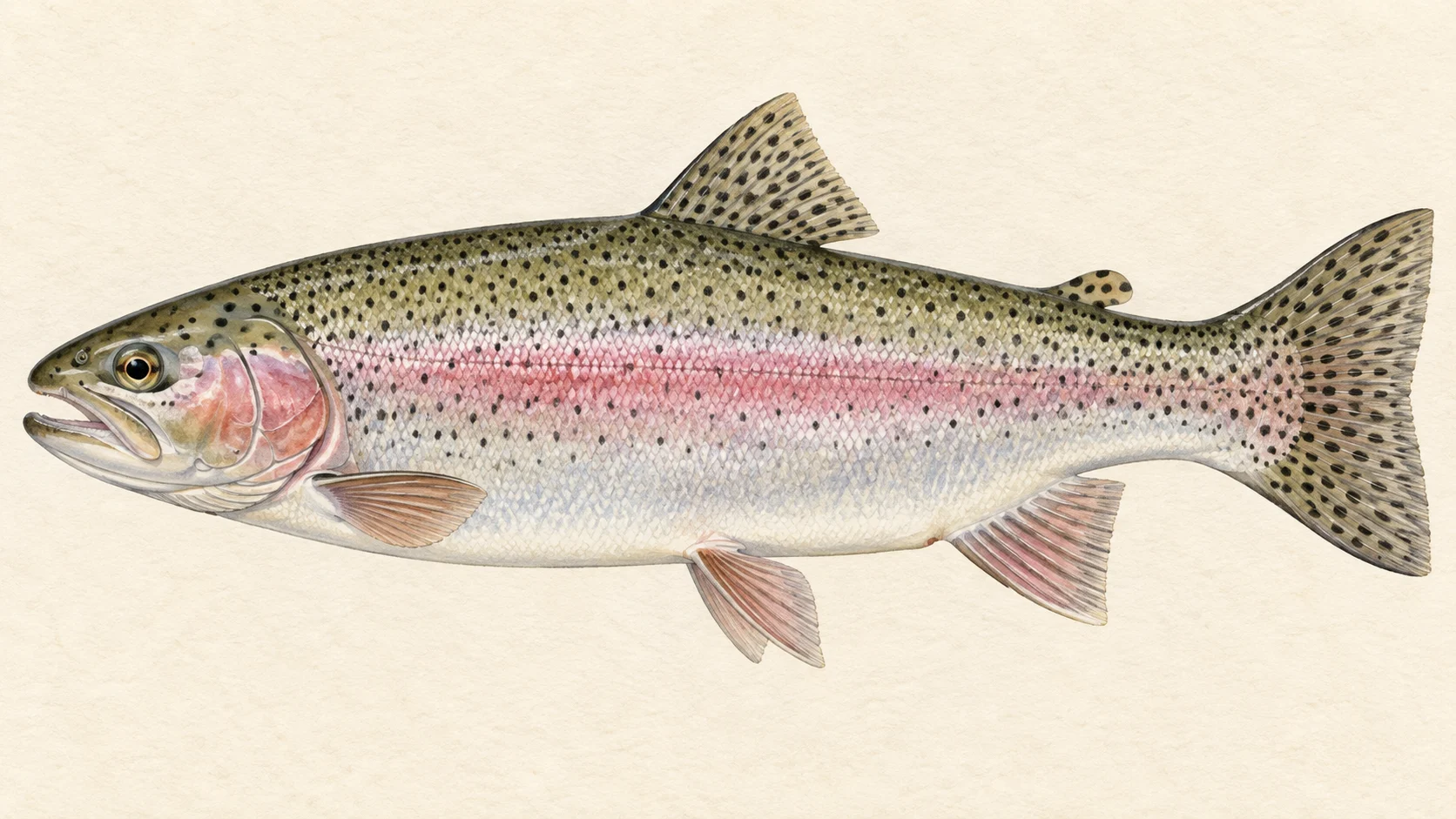
Brown trout are the fish here, and rainbow trout have also been stocked; the stocking chart shows the seasons. The lake also holds the golden galaxias, a small native found only in Crescent, neighbouring Lake Sorell and the slower reaches of the outflowing Clyde River. Golden galaxias school to spawn on the rocky shores and wetlands from late autumn into spring, so a trout streamer that looks like a small baitfish is a sensible fly.
When to fish it
FlyLife describes winter through spring, August to October, as the best window, as water levels rise and baitfish move into the shallow spawning zones. In our experience that is the period to plan around, and the calendar shows it.
How to fish it
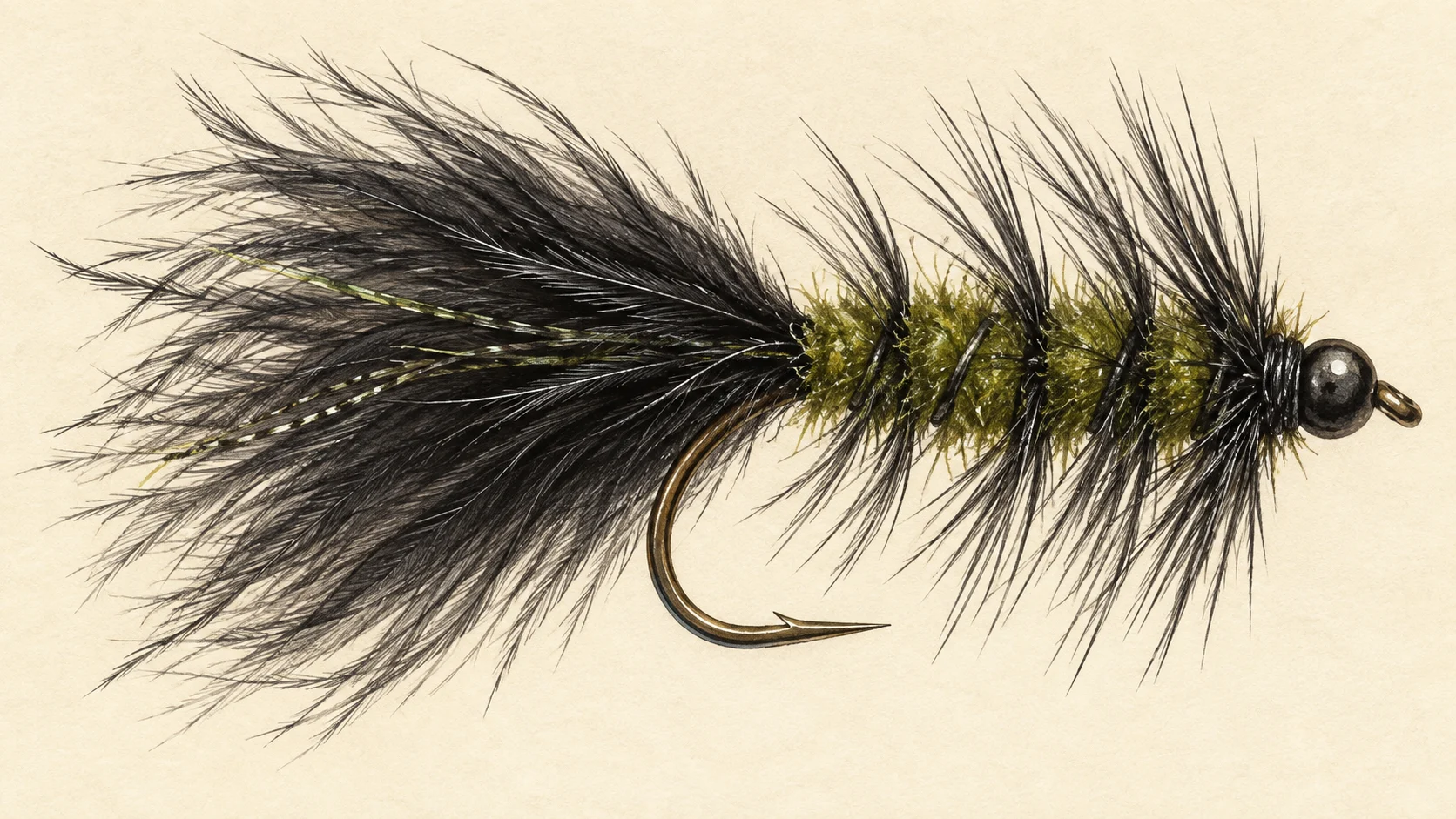
Fish blind, because the turbidity is too heavy to sight fish. FlyLife's advice is to work wind-blown rocky points, flooded pin-rush marshes and shallow shores where baitfish concentrate, with large articulated streamers, Woolly Buggers and Zonkers retrieved slowly with long pauses. Its flies table lists a Chocklett's Game Changer in sizes 2/0 to 1 for brown and rainbow trout. Try a Woolly Bugger first; a good bet is to slow your retrieve until the pauses feel too long, then pause a little longer.
Access and safety
FlyLife describes the lake as reached via Interlaken. Marshes and reeds limit fishing from the shore, which is why a boat helps. The access card, where it names sites, gives locations only and not a statement of permission, so read any sign or fence on the ground.
As on any big open water, watch the weather and tell someone where you are going and when you will be back. Carry water.
Regulations
Before you fish, read the current Tasmanian Government Inland Fisheries Service fishing guide, under the Inland Fisheries Act 1995 and Inland Fisheries Regulations 2019, and check it for anything that applies to this lake. Take your licence, season, bag and size rules from it.