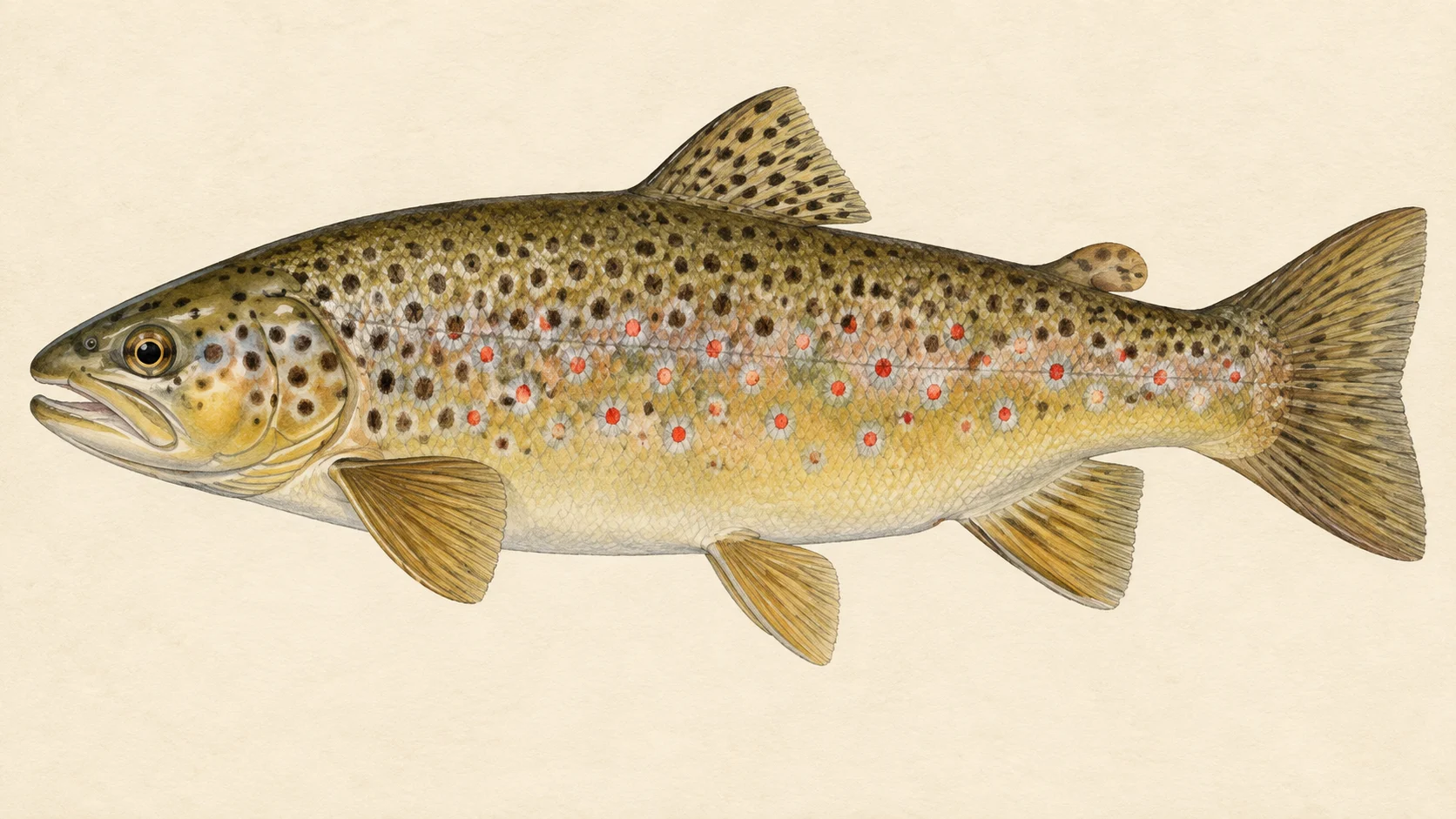
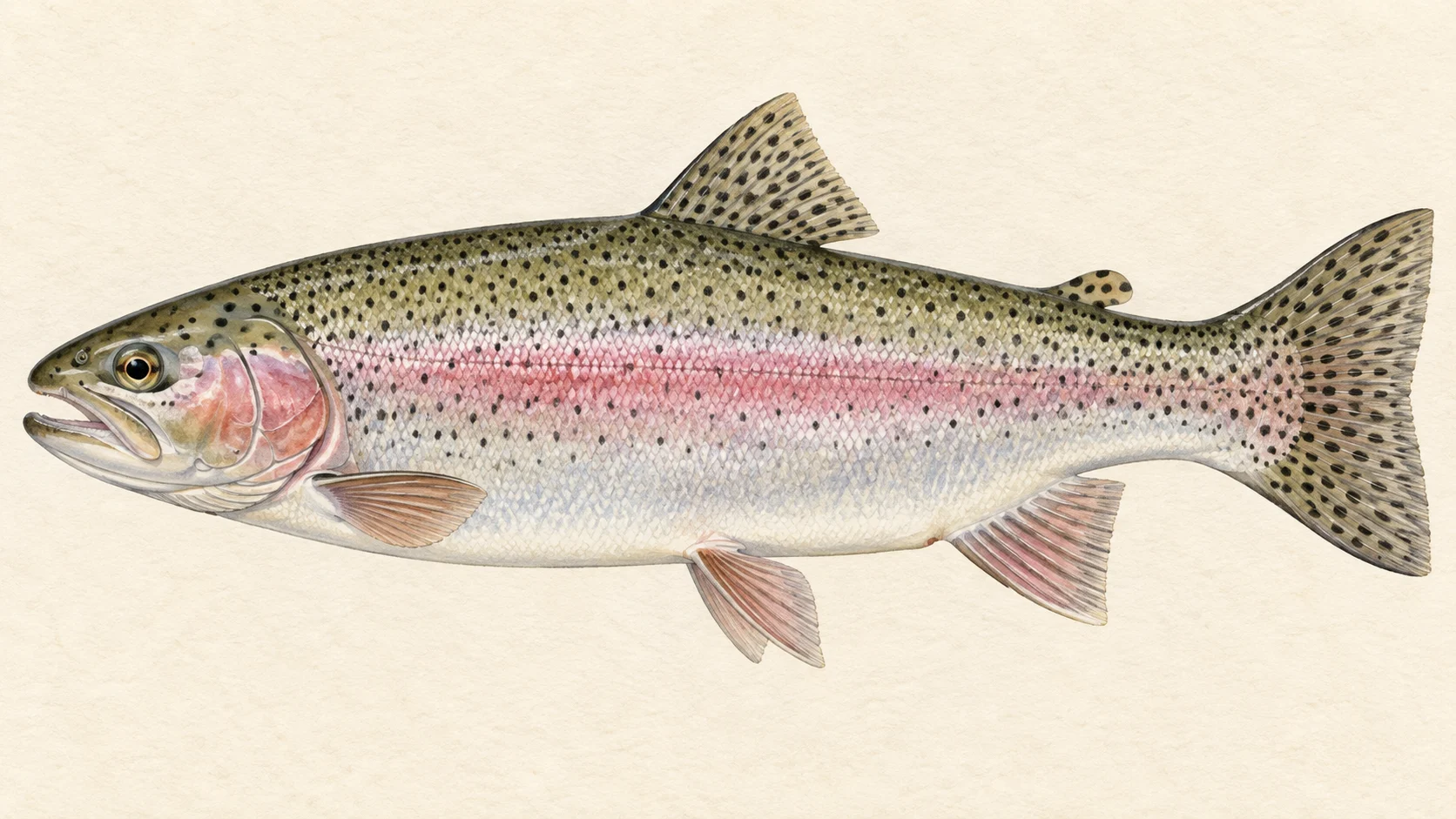
The Cobungra is a clear Victorian high-country river that flows into the Mitta Mitta, and it rewards anglers who like technical trout fishing.
Start at Anglers Rest, where it meets the Mitta Mitta, for brown and rainbow trout in the easier reach; it is described as the most straightforward way in, with easier wading. Come from late spring through autumn.
Go upstream toward Mount Hotham only if you are happy to walk or drive a 4WD track. FlyLife's writers describe that water as pristine.
Check the current Victorian Fisheries Authority guide for season and closures before you go.
Water and habitat
The Cobungra is known for its clarity, and FlyLife's writers describe it as a workable option after heavy rain, especially above the Victoria River junction.
Near its top, downstream of the confluence with Swindlers Creek, it runs through an open snowgrass plain and is described as a proper river rather than a creek. Large bedrock sections are described as less preferred lies, so in our experience it pays to spend your time on the water around them instead.
Fish and forage
Brown trout and rainbow trout are the fish to plan for, and FlyLife's writers describe the river as technically more demanding than others in the region.
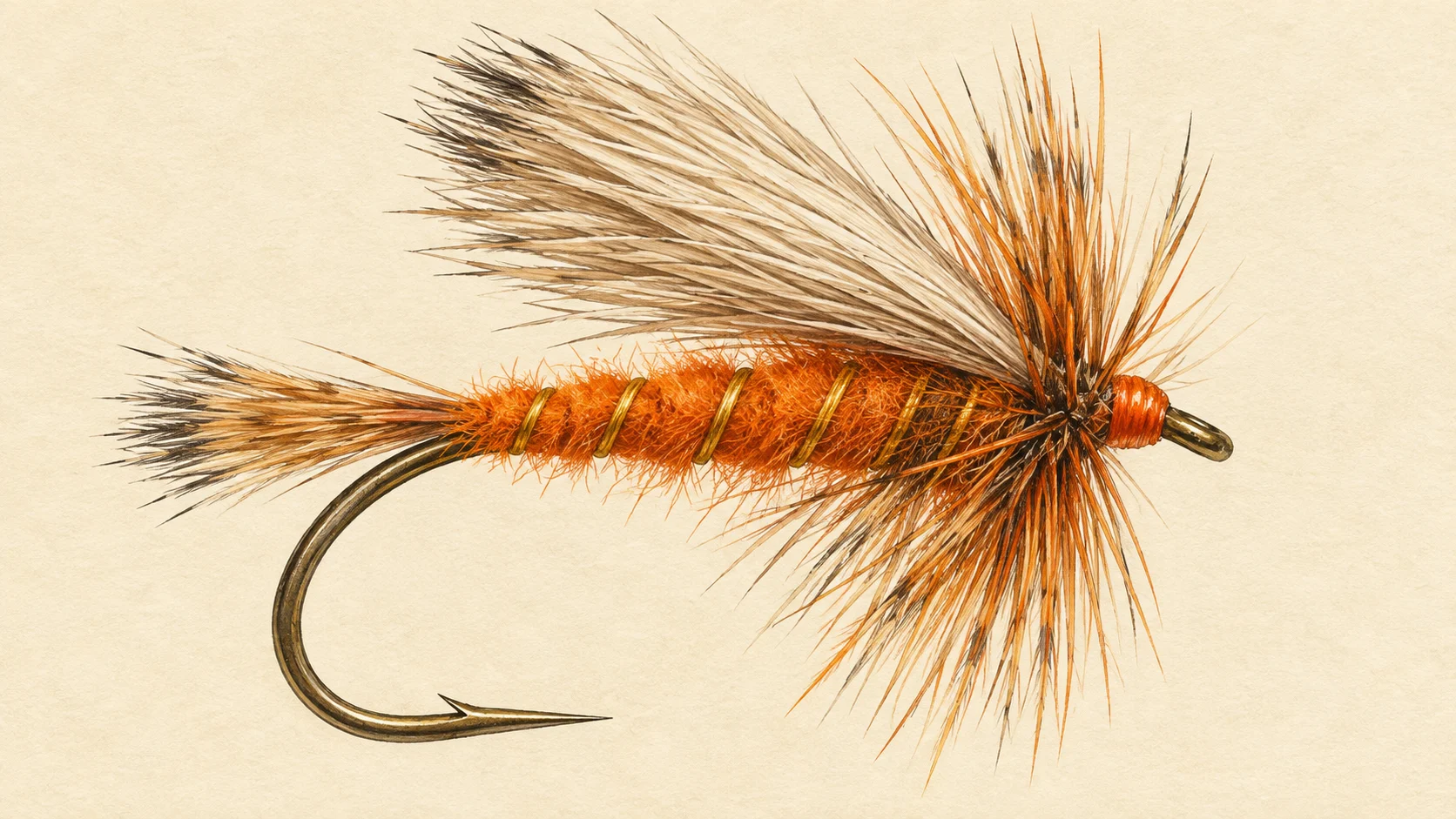
Grasshoppers matter in early autumn on the lower river. A Hopper or Stimulator in sizes 10 to 14 is listed for both trout, and an Elk Hair Caddis is named alongside the Stimulator for that early-autumn fishing.
When to fish it
The colder water makes early-season fishing harder, and late spring through autumn is described as more consistent. Early autumn is the window for grasshopper fishing on the lower river. Late-season trout have been reported still willing to rise on the upper river, and one report describes a genuine dry-fly take on a fly tied only as a strike indicator, so a dry is worth having on well into the season.
Season dates and closures for Victorian waters change, so take them from the current Victorian Fisheries Authority guide before you plan a date.
How to fish it
FlyLife's writers describe the upper river's clear water as suited to dry flies and bead-head nymphs. A good approach is to fish a dry with a bead-head nymph under it, and to keep your casts and your shadow off the fish you can see.
Where grass meets the water in late summer and early autumn, in our experience a Stimulator or hopper fished tight to the bank is a good bet. On the lower river in early autumn, an Elk Hair Caddis is the other pattern to try.
Access and safety
Much of the Cobungra is a long way from vehicle access. The most straightforward entry is at Anglers Rest, where it meets the Mitta Mitta, and FlyLife's writers describe the lower stretches near there as easier to reach but hit-or-miss in summer.
Upper water near Mount Hotham is described as reachable only on foot or by 4WD. Two walking routes are named: the trail to Dibbins Hut, which gives high-country twigwater in the warmer months, and the Brandy Creek fire trail from Mount Hotham, described as a fit hiker's route in. This is description only, not a statement of permission, so read the signs and any gate you meet on the ground.
As on any bush river, tell someone where you are going and when you expect to be back, carry water and a first-aid kit, and never wade a crossing you are unsure of.
Regulations
Take the season, bag and size limits, licence requirements and any closed-waters listing from the current Victorian Fisheries Authority inland angling guide before you fish.