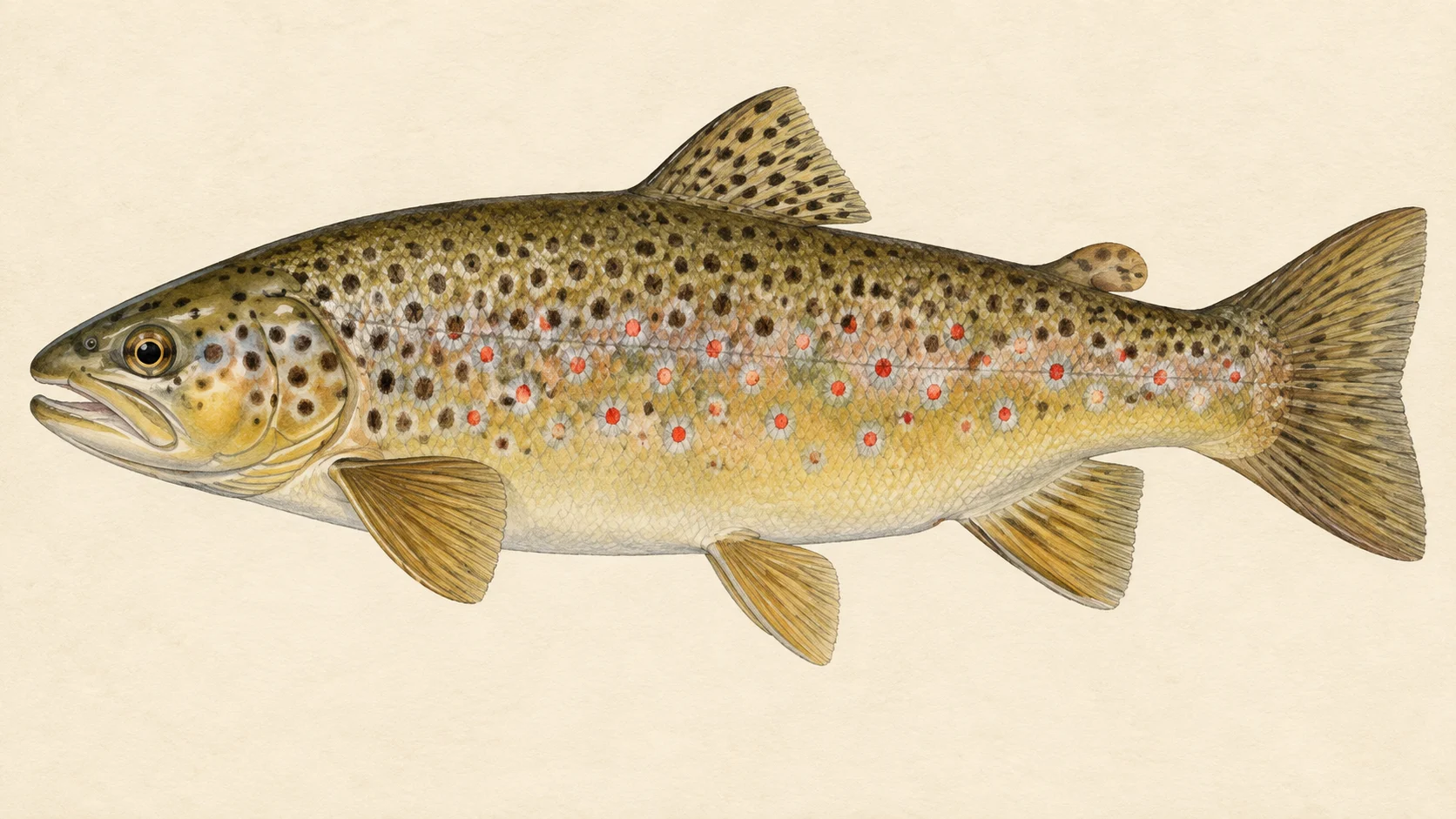
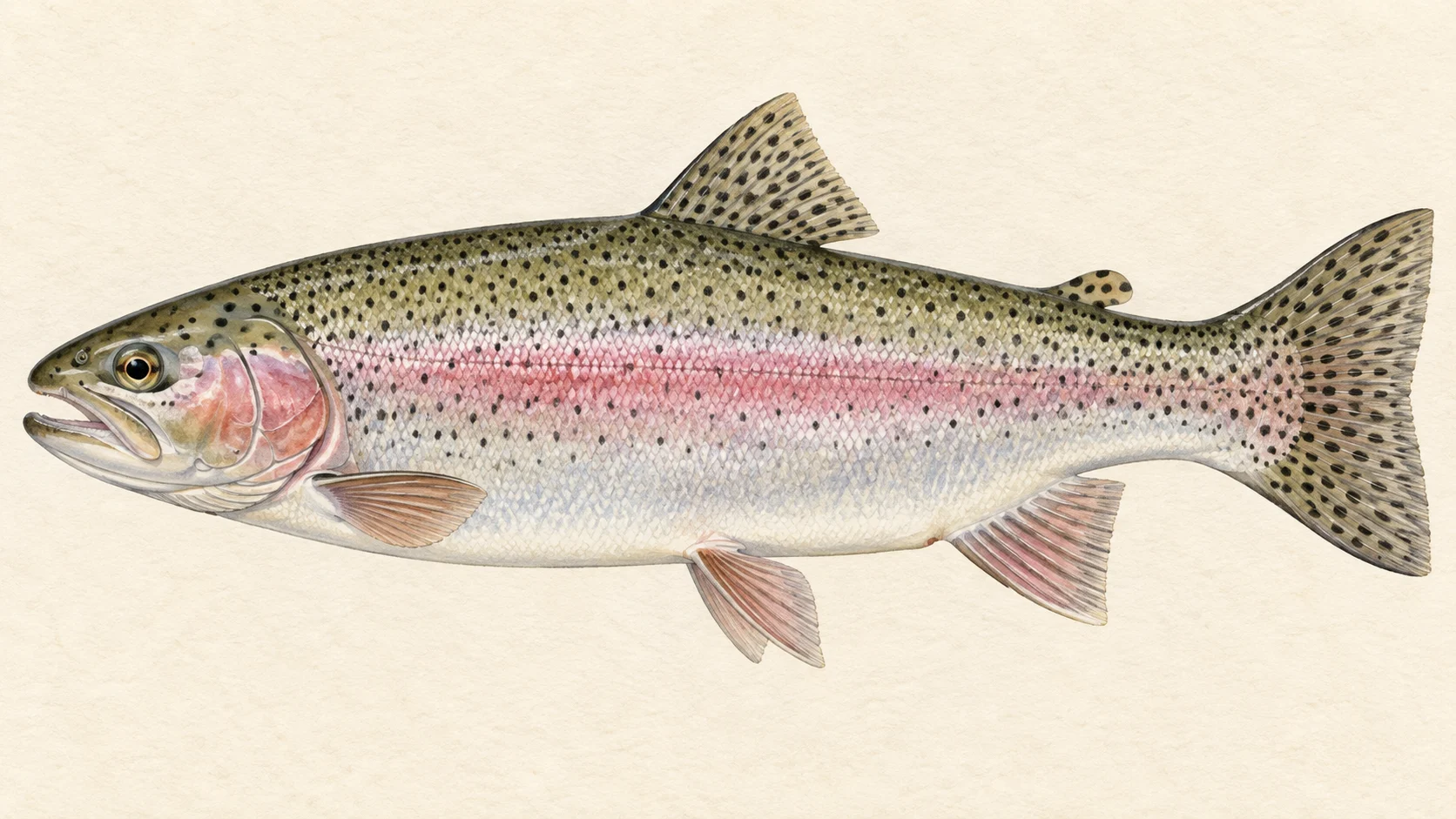
Rocky Valley Storage is an alpine reservoir beside Falls Creek, about 1600 metres above sea level, and it is worth the drive for wild brown and rainbow trout rising to midge on a calm summer evening.
You fish one open lake, clear and rocky, fed by many small hill creeks. It has no other parts to choose between.
Come in the warmer months with a floating line and a dry-fly team. Bogong High Plains Road follows the north and eastern sides of the lake, and that is where to start. Read the current Victorian Fisheries Authority guide first, because it sets the season and limits.
Water and habitat
Rocky Valley Storage is a high-altitude reservoir near Falls Creek, fed by many small hill creeks. The water is clear and the country around it is rocky and largely barren, with little grass or weed. It still holds a very large population of wild brown and rainbow trout.
Fish hold around rocky shorelines, points and creek beds, and also in slicks and wind lanes where the wind concentrates food. In our experience a rocky point with a breeze working onto it is the first place to spend time.
When the lake is full and breaking out into the surrounding moorland, FlyLife's writers describe trout porpoising for midges right along the flooded eastern bays.
Fish and forage
The lake supports wild brown trout and rainbow trout. Chinook salmon were stocked historically, though few have been caught since the first seasons of stocking.
The trout feed mainly on midge and other small insects, plus terrestrials such as beetles. Summer brings beetles falling on warm afternoons, grasshoppers blown from the grassy shores, and midge hatches that continue into calm evenings. A fly box built around midge, beetle and grasshopper patterns matches what is on the water.
When to fish it
Summer is the most productive season, and summer through autumn brings good midge hatches and beetle and grasshopper falls, with enjoyable dry-fly fishing to risers. Beetles fall on warm afternoons, and the midge hatches run on into calm evenings, so a warm afternoon that settles into a still evening is the day to pick.
How to fish it
Two approaches work through the year. One is retrieving small wet flies or streamers on an intermediate line. The other, in the warmer months, is fishing a dry-fly team on a floating line.
When trout are rising, take the dry-fly team and cover the rises with midge, beetle or hopper patterns. When nothing is showing, fish the wets on the intermediate line along rocky shorelines, points and creek beds. Wind lanes and slicks are worth a few casts wherever you find them.
Access and safety
Bogong High Plains Road follows the north and eastern sides of the lake, and the best access is along it. Treat that as a description of the road, not a statement of permission, and respect any sign or fence you meet.
As on any high-country water, tell someone where you are going and when you expect to be back, and carry warm and waterproof clothing, because the weather up there can change.
Regulations
Before you fish, read the current Victorian Fisheries Authority guide and its closed-waters list, and take any season, bag and size limits and licence requirements from it.