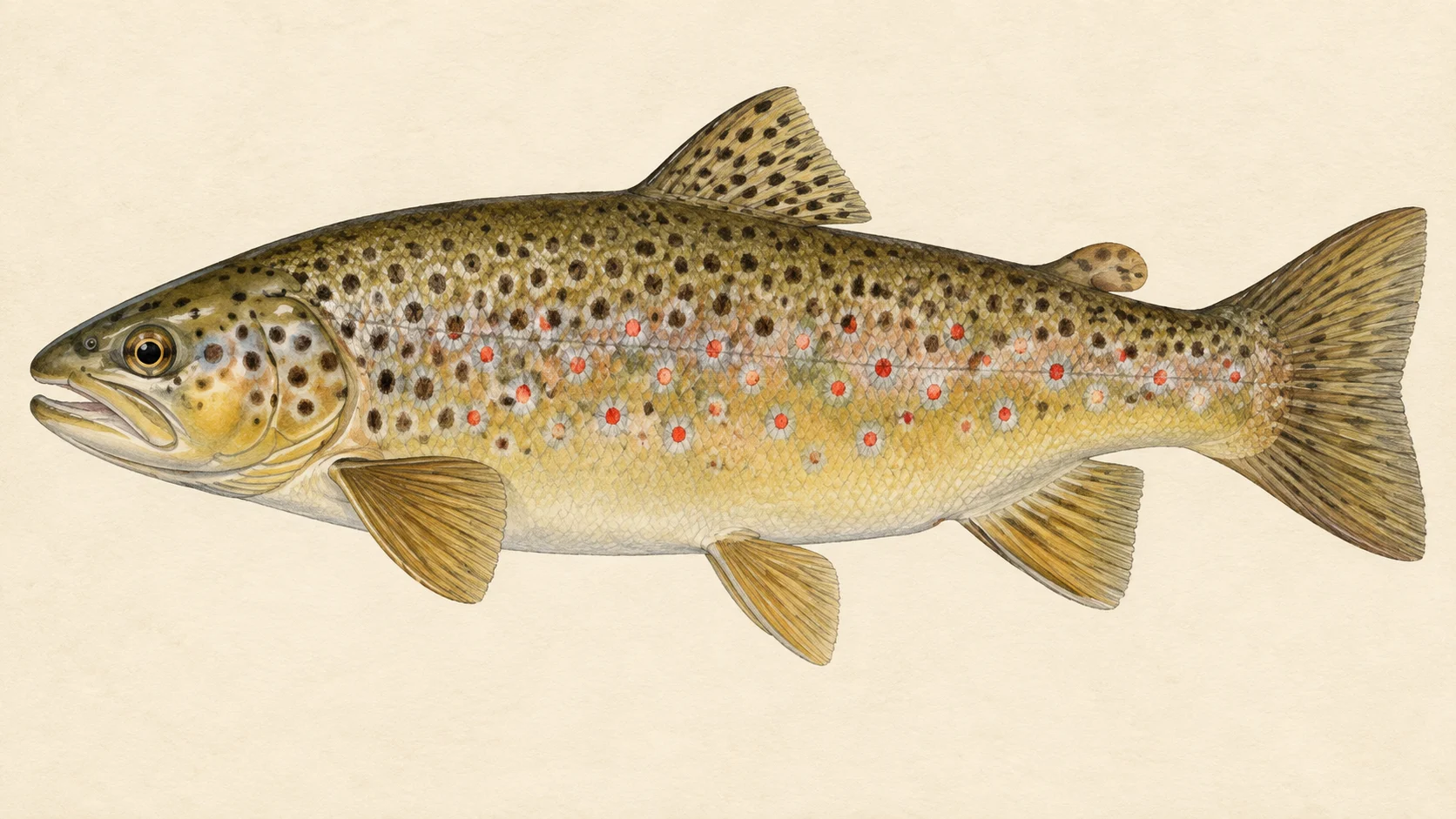
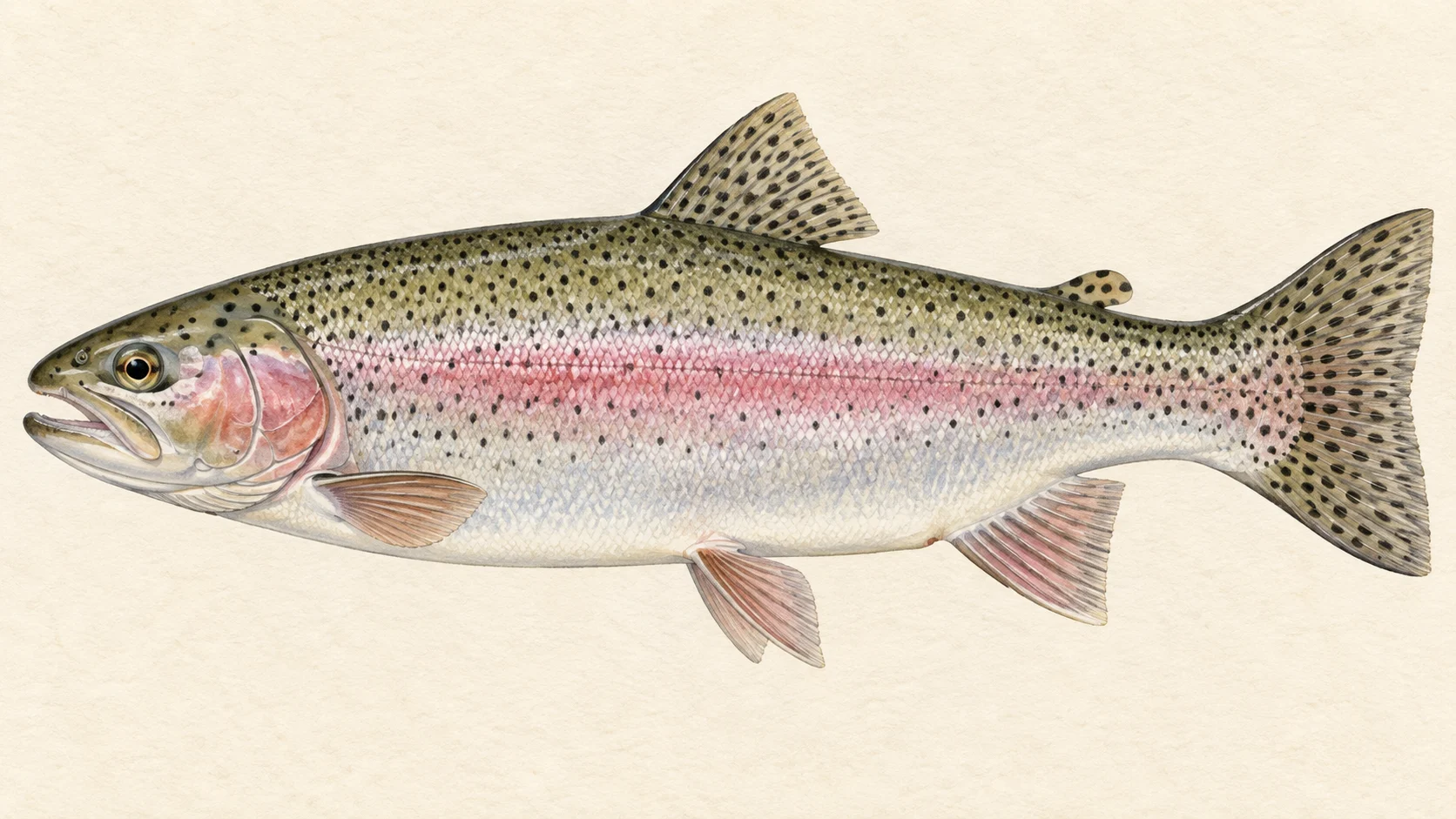
The Toorongo is a small river near Noojee with a big reputation for trout. FlyLife's writers cite Victorian Fisheries surveys as showing it holds one of the largest brown and rainbow trout populations in the state.
It runs in two parts. Below the Toorongo Falls campsite it is an open, easily cast trout stream. Above it the river turns steep, wild and boulder-strewn, running up to Amphitheatre Falls.
Start on the lower river. It is the easy water, with road bridges that FlyLife's writers describe as easy points to reach it. Fish it with nymphs while it is high and cold, then with dries and hoppers once it warms.
Save the upper stretch for when you want rough country rather than easy casting.
Check the current Victorian Fisheries Authority guide before you go, then read on for how to fish each part.
Water and habitat
The Toorongo leaves temperate rainforest for open farmland before it joins the La Trobe. The upper water is crystal-clear freestone with larger boulders. The lower river runs through a mostly cleared valley.
It is generally shallow with a nice pace.
Fish and forage
Brown and rainbow trout are the fish that matter. Australian smelt, River Blackfish, Shorthead Lamprey and Southern Shortfin Eel are also recorded in the river,.
When the paddocks along the lower river dry out in summer, hoppers are pushed to the water's edge. That makes a hopper a strong choice on the lower river from late January.
When to fish it
Early and late in the season the river runs high and cold, and nymphing is very good then. Once it warms, FlyLife's writers count it among the state's best dry-fly fisheries.
From late January, hoppers on the lower river are the fly to have on.
How to fish it
Because the river is generally shallow with a nice pace, fishing a dry blind is a sound approach. In our experience, covering the water beats waiting for a rise.
In the cold, nymphing is the better bet. On the lower river from late January, try a hopper blind near the edges.
Access and safety
FlyLife's writers describe several easy access points at road bridges on the lower river. As on any river, stay on public land and read the signs and fences on the ground.
As on any bush river, tell someone where you are going before you head for the wilder water above the campsite.
Regulations
Before you fish, check the current Victorian Fisheries Authority guide.